

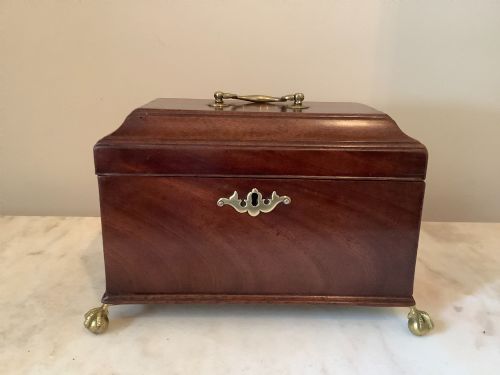
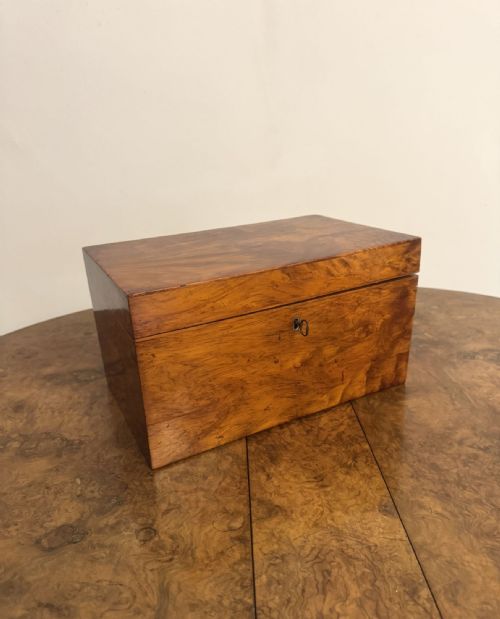

Brown Wooden Tea Chest
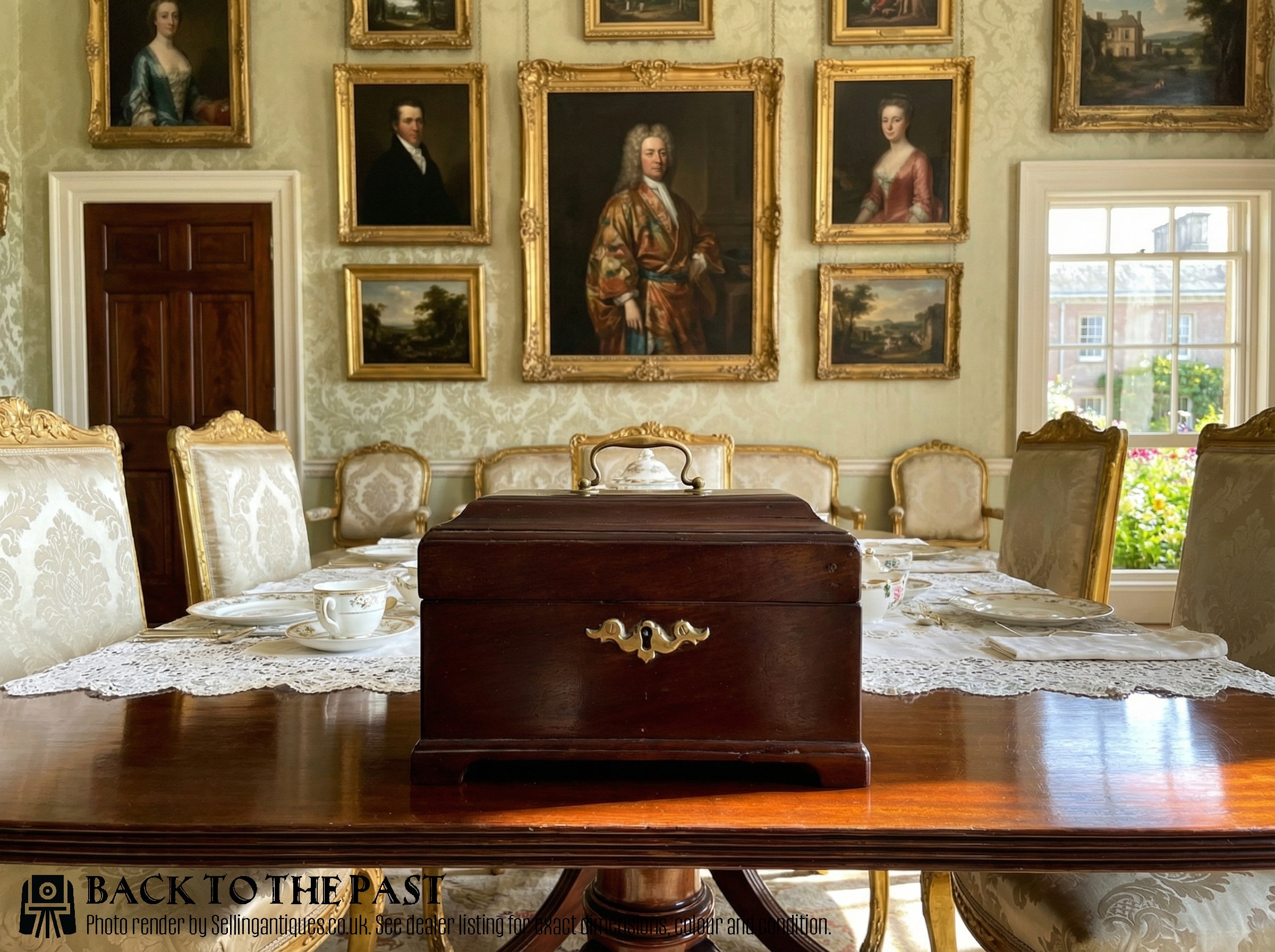
A brown wooden tea chest is a practical antique box for leaf tea, combining timber grain with period joinery to organise domestic life.
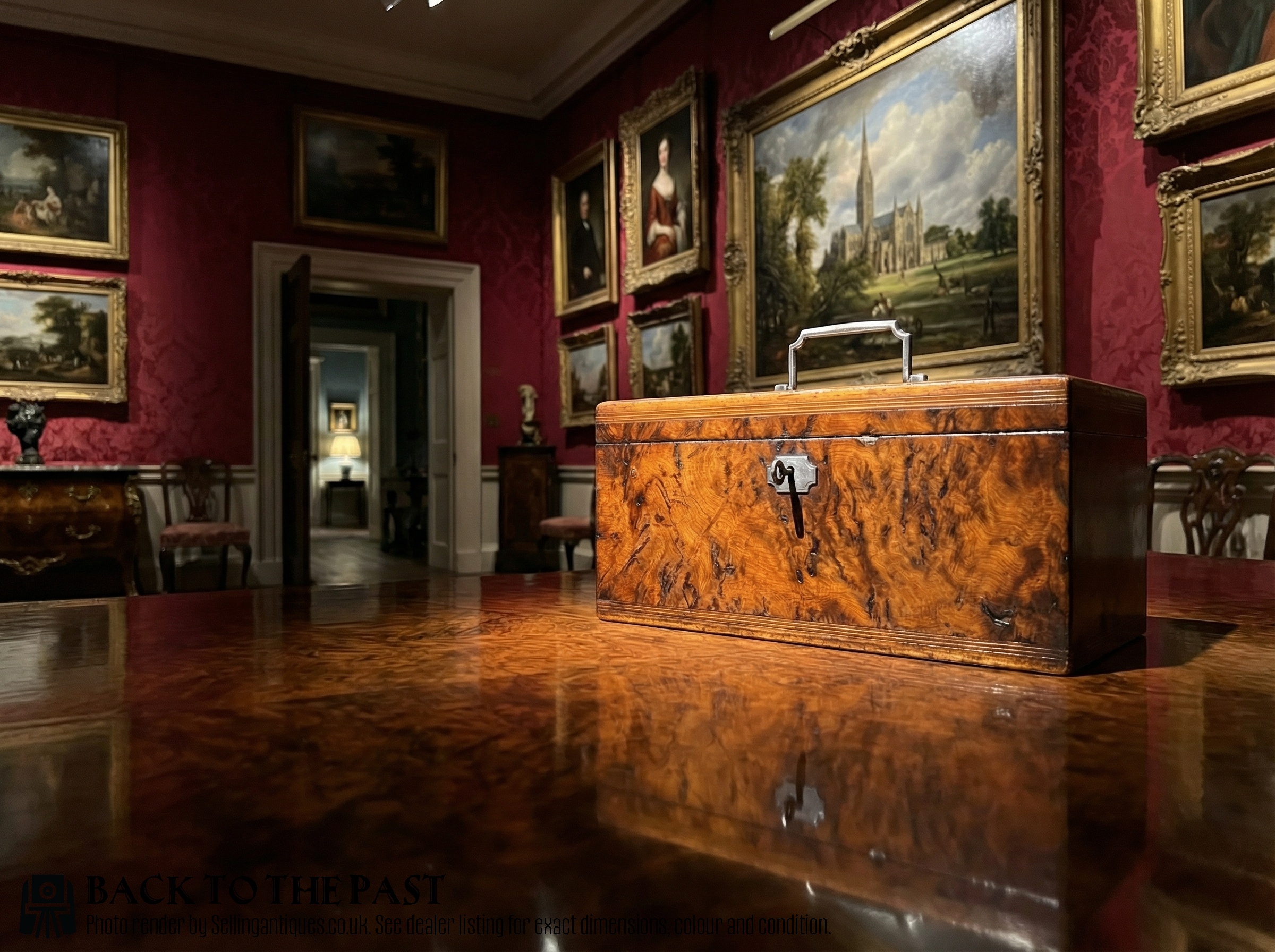
Brown Wooden Tea Chest
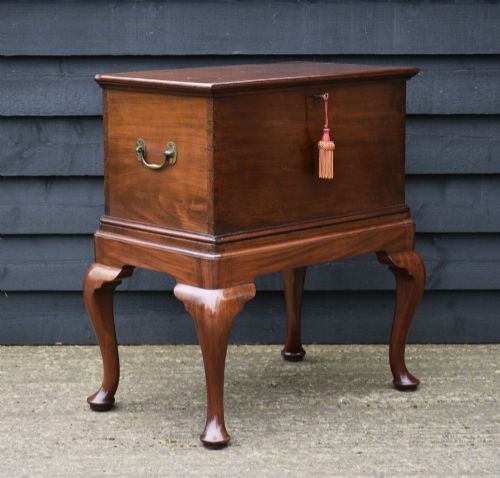
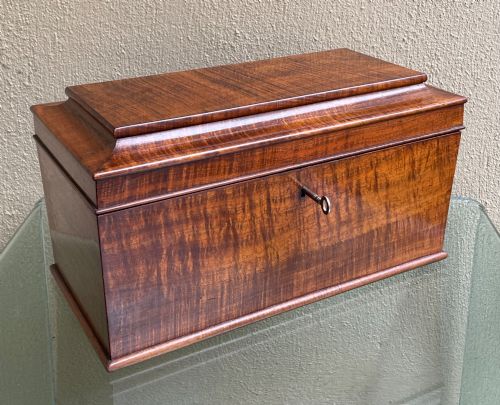
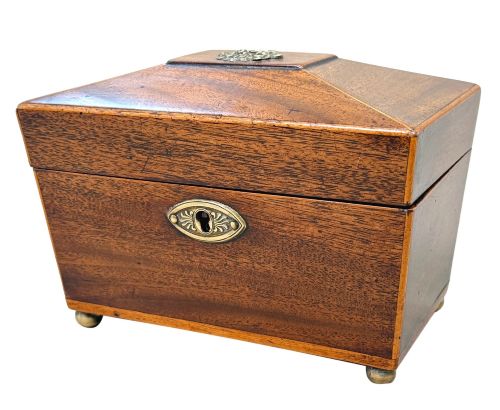
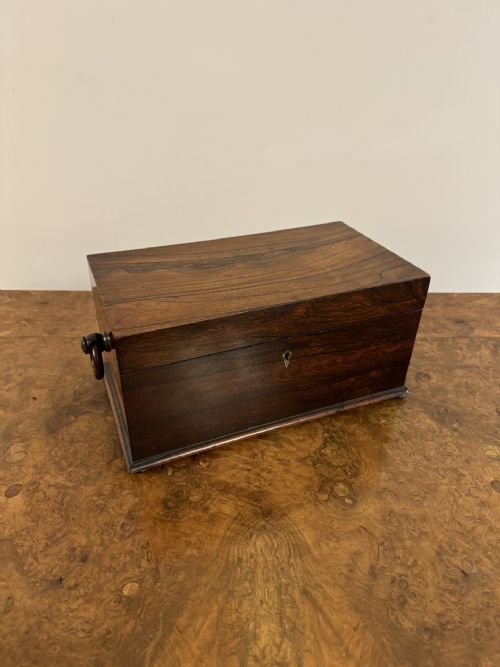
The most common formats on this page are rectangular, sarcophagus-shaped or oval wooden boxes, often fitted with internal compartments or mixing bowls. These pieces reflect the high value once placed on tea as a luxury commodity in British households.
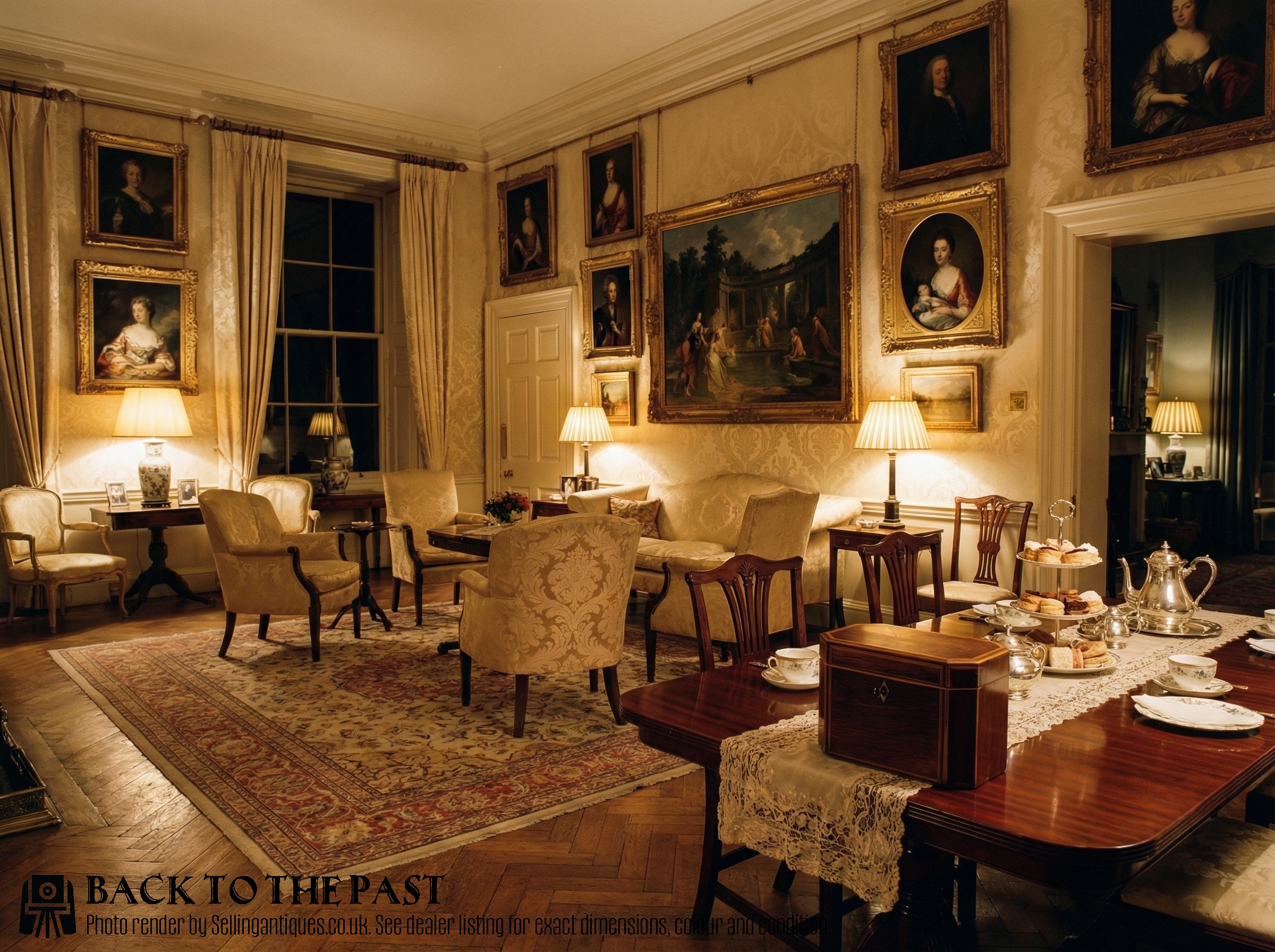
How they were made
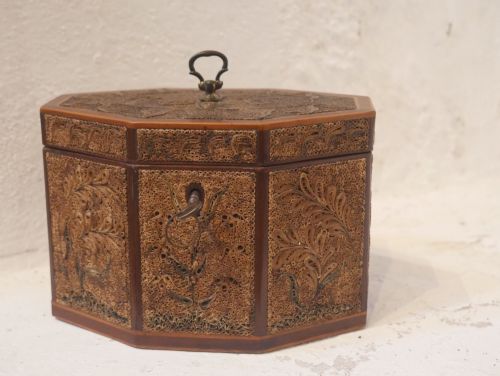
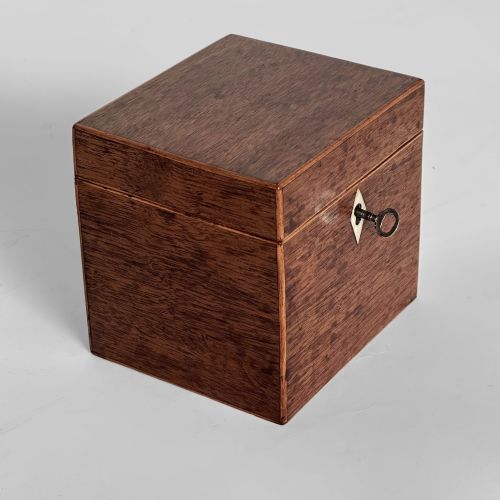
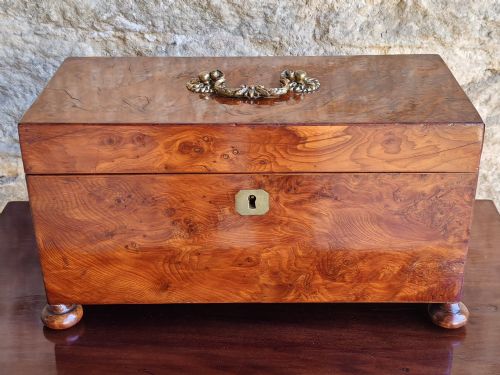
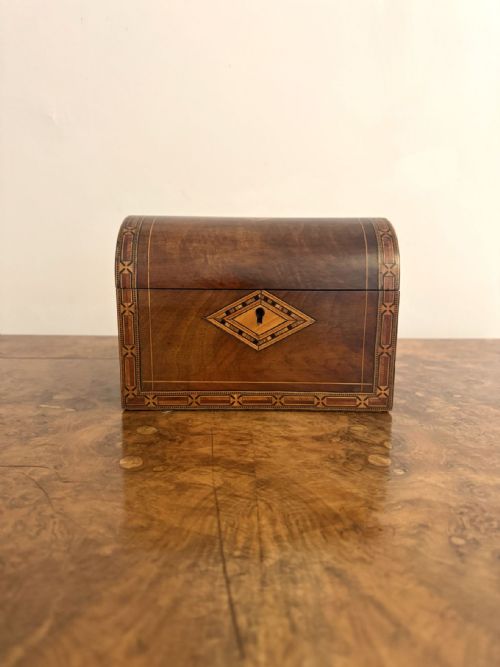
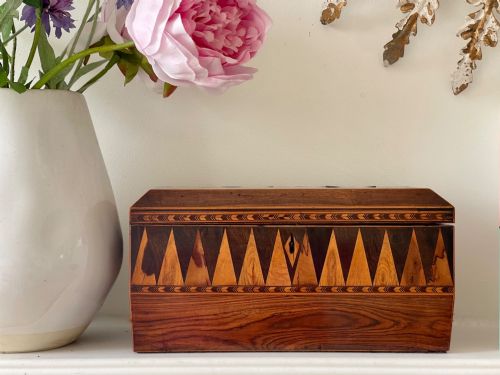
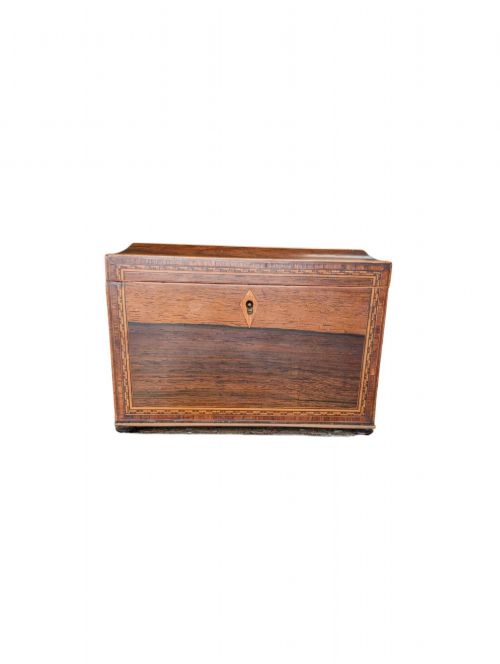
Cabinet makers constructed these boxes using solid timbers and decorative veneers such as flame mahogany, burr walnut and harewood over a sturdy wood carcass. They applied intricate surface details including Tunbridge inlay, bone escutcheons, brass handles and contrasting stringing.
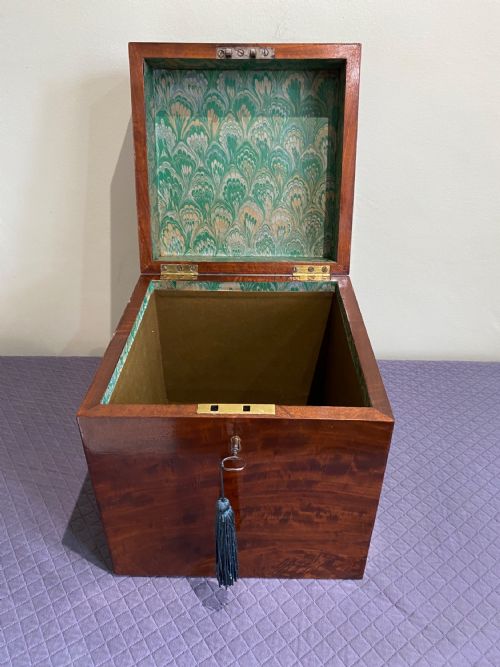
Interiors often featured fitted compartments with wooden lids, paper filigree, or spaces for cut glass mixing bowls, secured by brass locks and operational keys.
Brown Wooden Tea Chest Retail Price Guide 2026
Typical asking prices for brown wooden tea chest among the pieces listed under this phrase on Sellingantiques today, from the lower quarter to the upper quarter. They describe what is for sale here now, not the wider market.
Several miniature tea chests survive as salesman samples or children's toys, built with the exact same joinery as full-sized boxes.
What varies in quality
The standard of a brown wooden tea chest depends upon the choice of timber grain, the precision of decorative inlay and the preservation of original interior fittings. Pieces featuring burr yew, elaborate Tunbridge ware or specialised shapes like navette and hexagonal forms represent finer cabinet making.
Superior examples retain their original hinges, locks, internal lids and key escutcheons without modern timber replacements, demonstrating the original maker's skill in matching veneers and joints.
Henry Hollamby
The Brown Wooden Tea Chest Glossary
- Tea caddy
- A small box or chest designed to store tea leaves securely. These containers often featured lockable lids to protect expensive imported leaves.
- Tunbridge ware
- Woodwork decorated with tiny mosaic tiles assembled from different coloured natural timbers to form geometric or pictorial patterns. This detailed craft flourished in Kent during the nineteenth century.
- Sarcophagus
- A box form with a domed or sloping lid resting on a plinth base, popular during the Regency period for tea chests. This architectural shape added weight and presence to the small container.
- Escutcheon
- A small protective plate surrounding the keyhole of a box, usually fashioned from brass, bone or ivory. It prevented the wood from splitting around the lock mechanism.
- Harewood
- Sycamore timber dyed grey via a chemical treatment involving iron sulphate, utilised by Georgian cabinet makers for pale greenish-brown decorative veneers.
Brown Wooden Tea Chest: Frequently Asked Questions
What were brown wooden tea chests used for?
These boxes stored expensive tea leaves safely under lock and key in the parlour or dining room. The homeowner kept the key to ration the tea.
Inside, divided compartments separated different leaf varieties, while central glass bowls allowed the blending of black and green teas before serving.
How do I date a wooden tea caddy?
Dating relies on timber choices, construction methods and stylistic profiles matching periods like Georgian, Regency or Victorian. Mahogany and simple box shapes generally point to the eighteenth century.
More complex sarcophagus forms, rosewood veneers, and Tunbridge inlay typically indicate early nineteenth century Regency or later Victorian production.
Where should I place a tea chest at home?
These chests suit side tables, desks or open shelving where their polished timber grains and inlaid surfaces remain visible. Stable room temperatures protect the antique wood veneers.
Keeping them away from direct sunlight and heat sources prevents the timber from warping or the old glue joints from drying out.
Are original keys common with these chests?
Original working keys do accompany some surviving boxes, though many have lost them over centuries of use. Locks remain intact on most specimens regardless of key presence.
Specialist locksmiths can sometimes fit a replacement key if the original mechanism remains unaltered.