





Brown Wooden Religious Statue
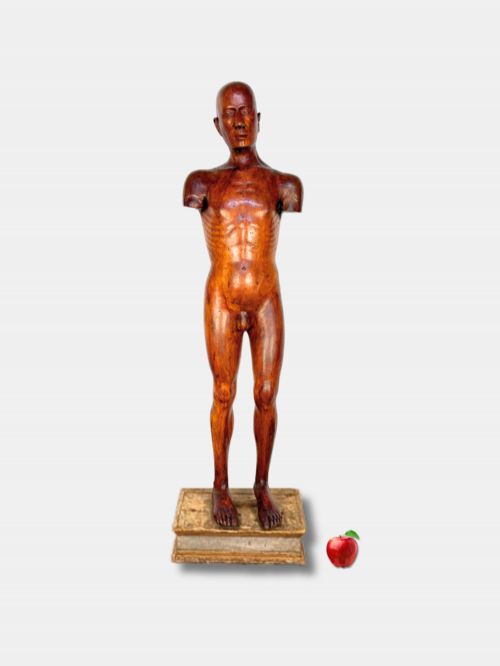
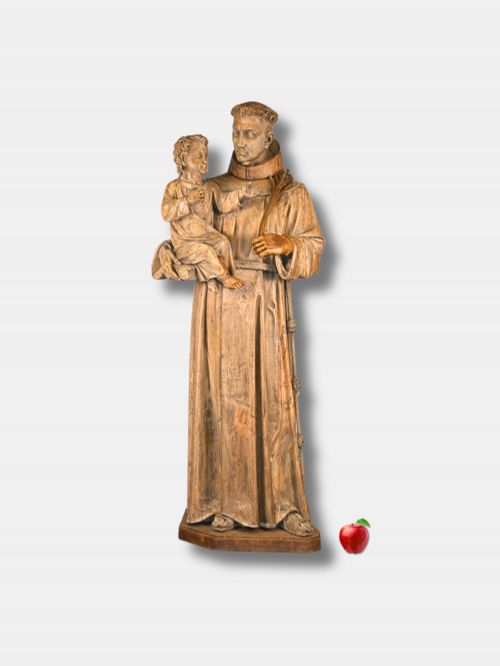
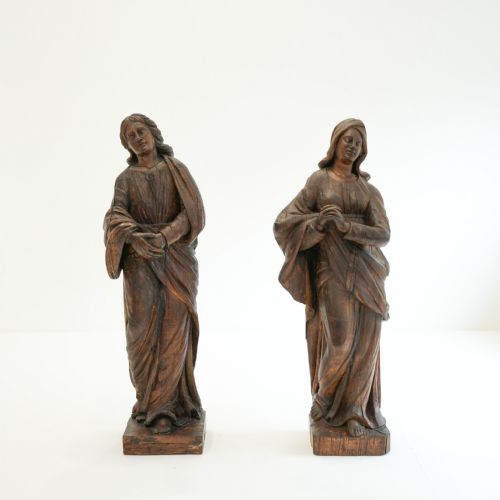
A brown wooden religious statue brings centuries of devotion, handcrafted timber, and sacred narrative straight into a room.
Brown Wooden Religious Statue
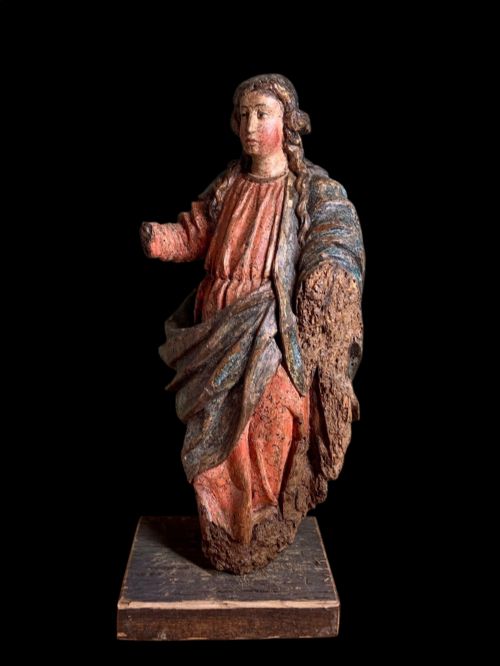
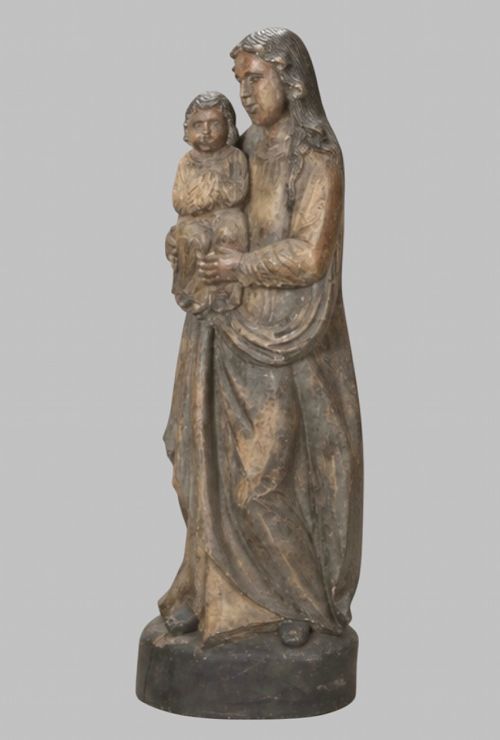
A brown wooden religious statue encompasses carved figures of saints, madonnas, cherubs, and biblical figures originating from centuries of European craftsmanship. These devotional objects range from modest folk art carvings to substantial church sculptures fashioned by regional workshops.
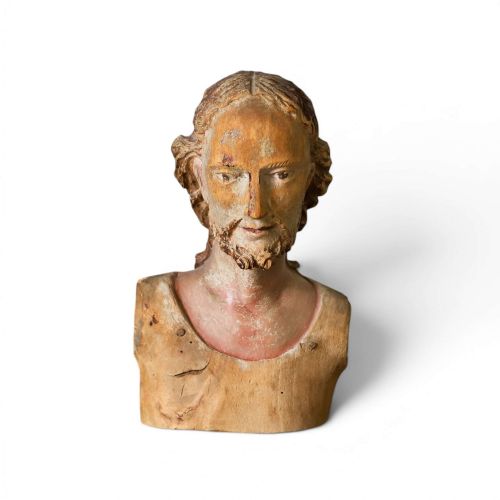
Buyers meet works spanning from the late medieval and Gothic periods through the Renaissance, Baroque, and nineteenth-century Gothic Revival. Forms vary from complete life-size figures on plinths to compact busts, panel studies, and paired altar angels.
Continental origins dominate, with pieces hailing from Italy, France, Germany, Spain, and Flanders. Oak, limewood, pine, and olive wood provide the foundational medium for these ecclesiastical sculptures.
How they were made
Carvers shaped these statues directly from dense native hardwoods and softwoods like oak, limewood, walnut, fruitwood, and pine using specialised chisels and gouges. Grain direction dictated the depth of relief and the flow of drapery folds across garments.
Many surfaces received a preparation layer of gesso before painters applied polychrome pigments and gold leaf to render lifelike flesh tones and rich garments. Subsequent ageing often reveals the underlying wood beneath worn paint and gesso layers.
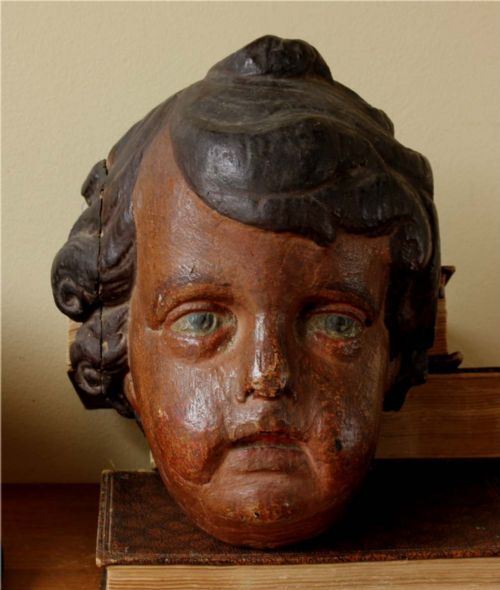
Several solemn saints share company with chubby cherub heads and wide-eyed altar angels frozen mid-prayer.
What varies in quality
The survival of original surface treatments, including polychrome paint and gesso, strongly influences the character of a carving. Intact tool marks and uncompromised timber integrity reveal the direct hand of the historical artisan.
Franz Keller·Bohumil Kafka
The Brown Wooden Religious Statue Glossary
- Polychrome
- Painted in several colours. This surface treatment was traditionally applied over gesso to decorate wooden sculptures.
- Gesso
- A plaster mixture used as a smooth base for paint on wood. It allows fine details to be rendered on carved surfaces.
- Corpus Christi
- An image of the body of Jesus Christ on the cross. These wooden carvings focus on anatomical detail and emotional intensity.
- Santos
- A carved wooden religious figure originating from Catholic traditions. They often stand on integrated plinths for display.
- Putti
- Depictions of small winged infants or cherubs. These motifs appear frequently in Baroque ecclesiastical woodcarving.
Brown Wooden Religious Statue: Frequently Asked Questions
How old is my wooden statue?
Age is determined by analyzing the tool marks, wood species, and stylistic traits associated with periods like the Gothic or Baroque eras.
Changes in polychrome pigments and natural timber oxidation also help narrow down the century of creation.
Were these statues used in churches?
Many of these pieces originated as church fixtures, altarpiece components, or processional figures before entering private collections.
Others served as devotional focal points within domestic shrines and domestic chapels.
How should I clean wood carvings?
Dust surfaces gently with a soft, dry brush to prevent accumulating debris within carved crevices and drapery folds.
Avoid liquid cleaners, polishes, and moisture, which can damage aged gesso and historic polychrome paint.
What woods were used most?
Carvers utilised local hardwoods and softwoods depending on regional availability and the required level of fine detail.
Oak, limewood, walnut, pine, and olive wood appear frequently across European ecclesiastical sculpture.