






Hand Carved Saint Figure
A hand carved saint figure brings centuries of devotion, regional folk art and master craftsmanship directly into your home.
Hand Carved Saint Figure
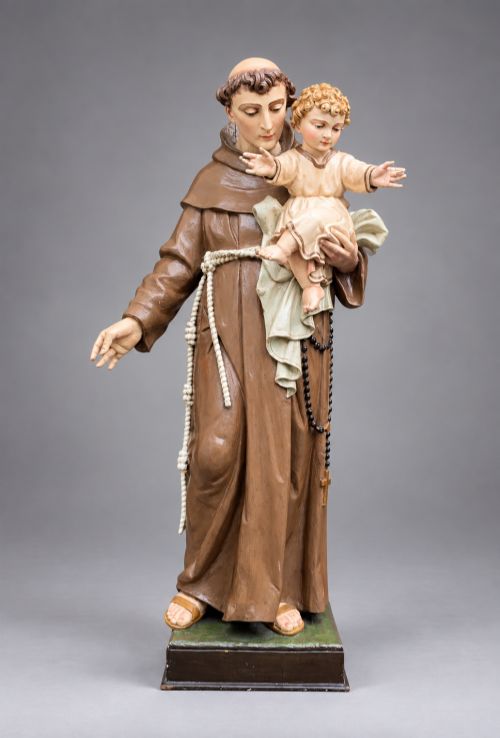
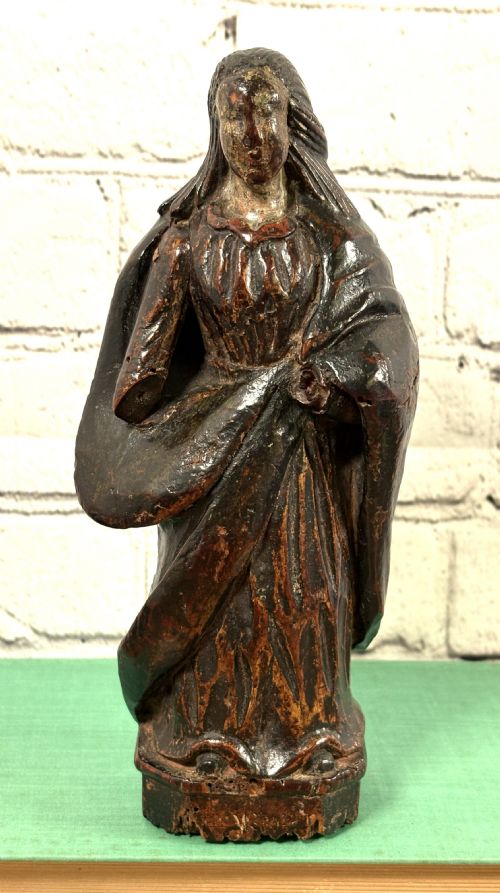
A hand carved saint figure encompasses devotional sculptures produced across European workshops from the late medieval period through the nineteenth century. These representations include notable saints such as Saint Paul, Saint Anthony of Padua, Saint Jerome and Saint Joseph, alongside processional figures of the Virgin Mary and child.
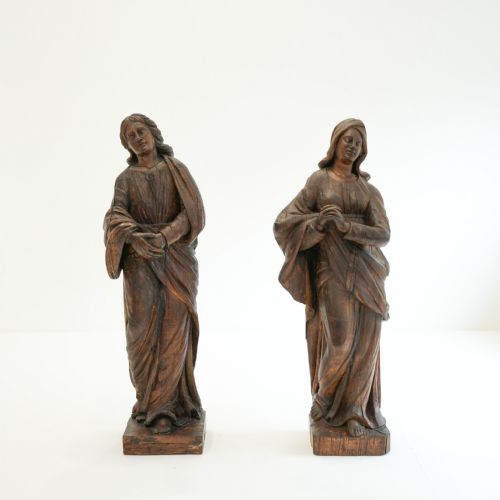
Pieces on this page span diverse cultural traditions, ranging from Italian and Alpine folk art to German ecclesiastical works and Croatian religious carvings. The collection also includes historical groupings like pairs of carved oak saints and documented collections from specific makers.
Forms vary from monumental church figures designed for liturgical settings to smaller domestic devotional statues. Materials and finishes shift depending on the region of origin, displaying raw timber, historic gesso and layered polychrome paint.
Materials and construction
Surfaces were frequently prepared with gesso before receiving layers of polychrome paint, oil gilding or gold leaf highlights. This finishing technique added visual depth and protection to the timber substrate, aligning with traditional workshop practices of the period.
Among the solemn apostles and saints sits a sturdy wooden rescue dog, reminding us that devotion took many forms.
Assessing quality and execution
The survival of original surface treatments, such as early polychrome pigment and gold leaf, significantly elevates the integrity of a piece. Substantial losses to the timber or heavy modern overpainting alter the historic character and visual balance of the carving.
Franz Keller
The Hand Carved Saint Figure Glossary
- Polychrome
- Decoration applied in several colours to the surface of wood or gesso. This technique was widely utilised in religious sculpture to give a lifelike appearance to vestments and flesh tones.
- Gesso
- A plaster mix applied to wood surfaces as a smooth base for painting and gilding. Historic formulations typically combined chalk or gypsum with animal glue.
- Processional figure
- A sculpture designed to be carried during religious festivals and street processions. These hollow or lightweight figures often incorporated specialised mountings for poles or carrying frames.
- Ecclesiastical
- Relating to the Christian Church or its clergy. Pieces described as ecclesiastical usually originated within monastic workshops, chapels or formal liturgical environments.
Hand Carved Saint Figure: Frequently Asked Questions
How do I date an old wooden saint?
Dating relies upon stylistic markers in the carving of the hair, facial structure and the folding of garments, which shifted noticeably between the late medieval era and the nineteenth century. Tool marks left on the reverse or interior timber also offer clear indicators of period-specific woodworking techniques.
Examination of the surface preparation provides further evidence, as early gesso and historic paint layers age in ways that modern reproductions cannot replicate. Comparing the piece to documented examples from specific regional traditions helps narrow the likely decade of production.
Where were these wooden figures displayed?
Many of these sculptures originally stood within church altarpieces, monastic niches or private domestic shrines for daily contemplation and prayer. Larger processional figures were built specifically for outdoor religious festivals and community feast days.
Over the centuries, surviving examples transitioned from active liturgical service into private collections and domestic interiors. Today, they function as sculptural works of art that anchor a room with historic presence.
Why do some figures retain paint while others are bare wood?
The presence or absence of colour depends on the original commission, regional aesthetic preferences and subsequent restoration history. Many pieces were intended to display rich polychrome finishes and gold leaf, while others were left as exposed oak or limewood.
Subsequent centuries of maintenance, cleaning or deliberate stripping often removed fragile historic paint layers. Pieces that retain their original surface texture provide a more complete record of their initial appearance.
How should I care for a historic wood carving?
Historic wood sculptures require stable environmental conditions away from direct sunlight, heat sources and rapid humidity fluctuations. These measures prevent the timber from drying out, cracking or causing historic gesso layers to lift.
Dusting should be performed gently with a dry, soft brush rather than chemical cleaning products or damp cloths. Preserving the natural ageing of the wood and surface finish ensures the long-term stability of the piece.