




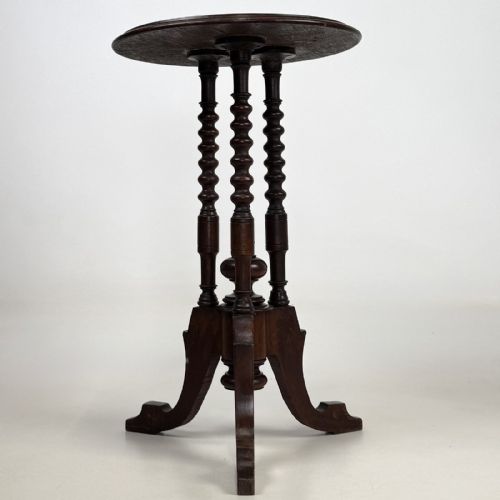


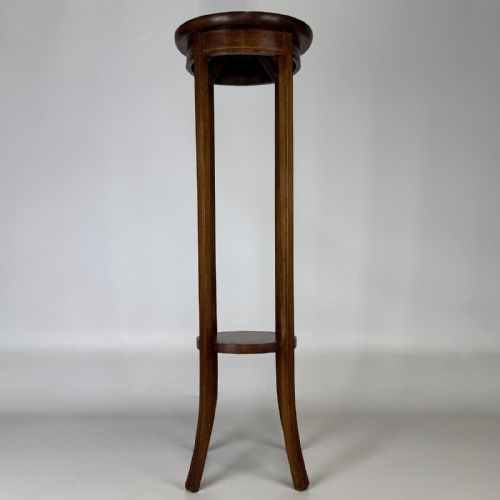
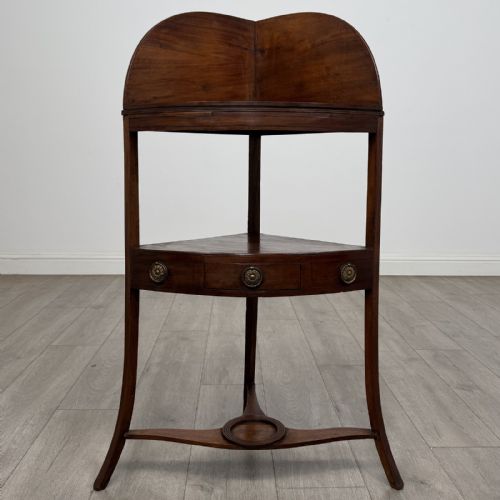
Brown Wooden Plant Stand
A brown wooden plant stand serves to elevate horticulture within a room, and these pieces span periods from the eighteenth century to the twentieth.
Brown Wooden Plant Stand
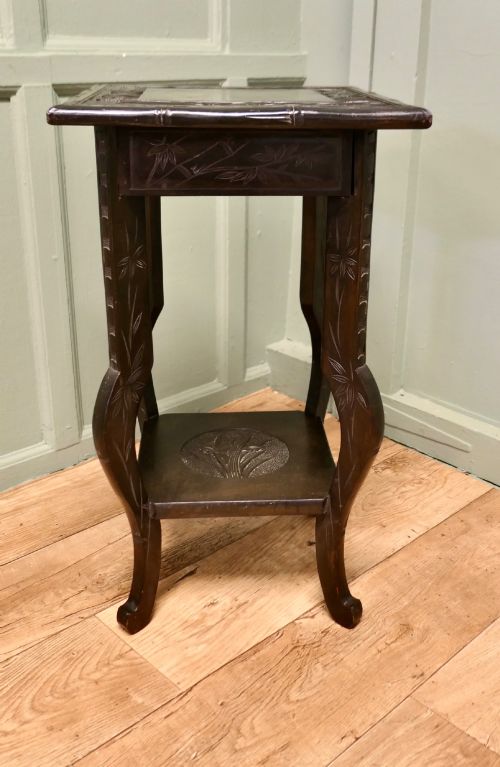
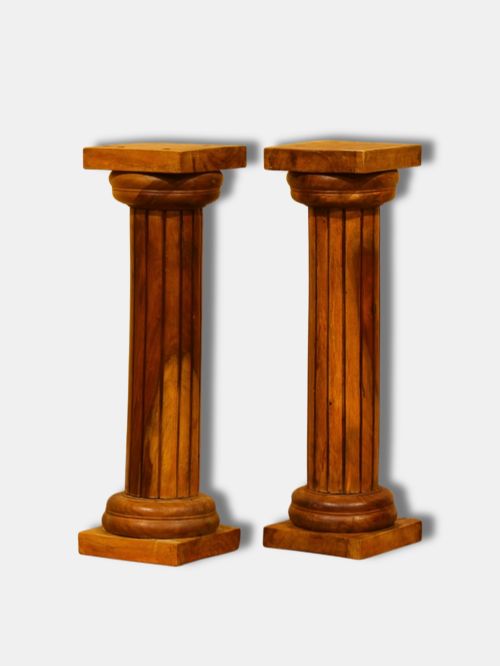
A brown wooden plant stand encompasses occasional tables, pedestals, jardinieres, and column display stands designed to support flora or lamps within domestic interiors.
The selections on this page appear predominantly in Edwardian and nineteenth-century forms, alongside eighteenth-century examples and twentieth-century interpretations.
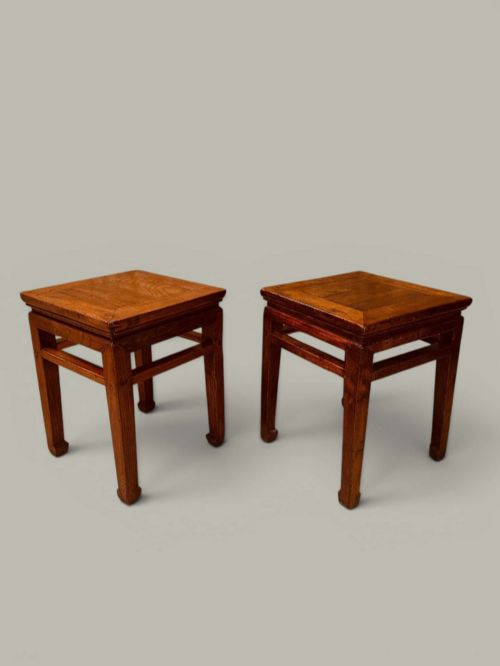
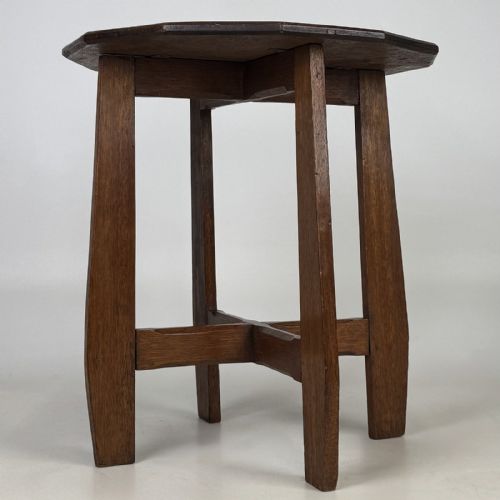
Makers shaped these utilitarian objects in various styles, including Arts and Crafts, Chinese Traditional, and Georgian Revival, utilising traditional timber forms.
Materials and Construction
Workshops utilised sturdy hardwoods such as oak, mahogany, walnut, satinwood, kingwood, and elm to construct these stands, occasionally integrating brass fittings.
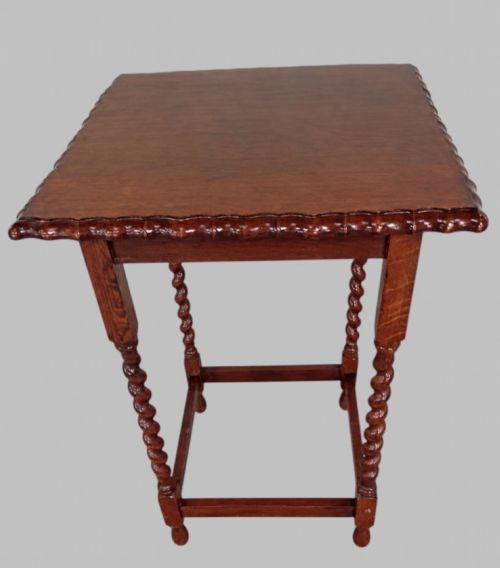
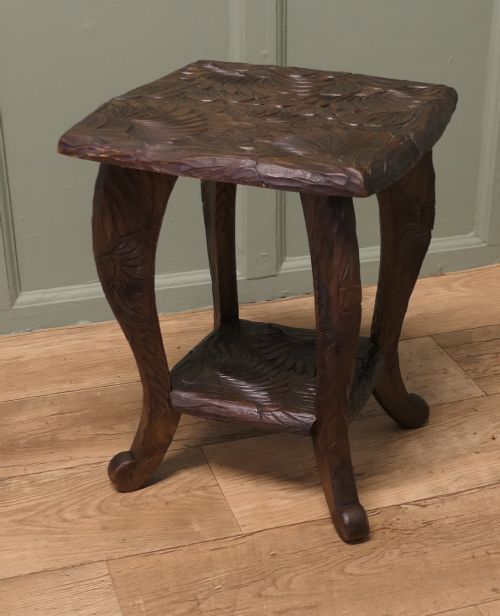
Craftsmen applied techniques like carving, barley twist turning, solomonic columns, and chequered inlay to adorn the timber surfaces of these functional objects.
Structural designs range from jointed stools and two-tier occasional tables to octagonal tables, barrels, and pedestals.
Brown Wooden Plant Stand Retail Price Guide 2026
Typical asking prices for brown wooden plant stand among the pieces listed under this phrase on Sellingantiques today, from the lower quarter to the upper quarter. They describe what is for sale here now, not the wider market.
Several stands double as resting spots for silent botanical residents that have outlived their original pots.
Craftsmanship and Material Depth
Distinction across the range rests upon the selection of timber, where burr wood, figured mahogany, and refined walnut distinguish superior examples from standard utility pieces.
The refinement of hand-carved details, intricate inlay work, and robust joinery separate ordinary production from exemplary workmanship.
Proportion and structural integrity define the architectural presence of columns, pedestals, and multi-tiered tables.
Trevor Page & Co·Liberty & Co·William Birch·Baillie Scott
The Brown Wooden Plant Stand Glossary
- Jardiniere
- An ornamental pot or stand for plants and flowers, often taking the form of a low table or a vessel with a lift-off lid.
- Torchere
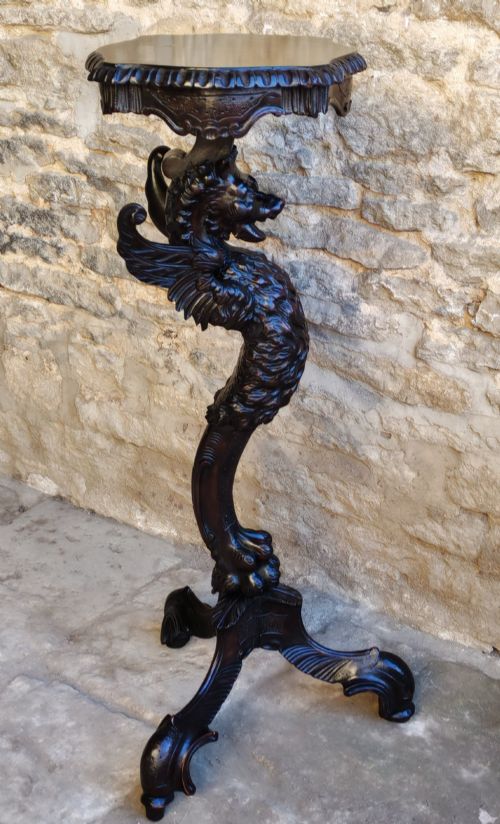
- A tall stand or candlestick designed to support a light or a decorative plant, frequently carved from walnut or oak.
- Solomonic
- A column or table leg characterised by a helical twist, resembling a spiral.
- Etagere
- A piece of furniture consisting of a set of open shelves for displaying small objects, sometimes associated with occasional tables.
- Inlay
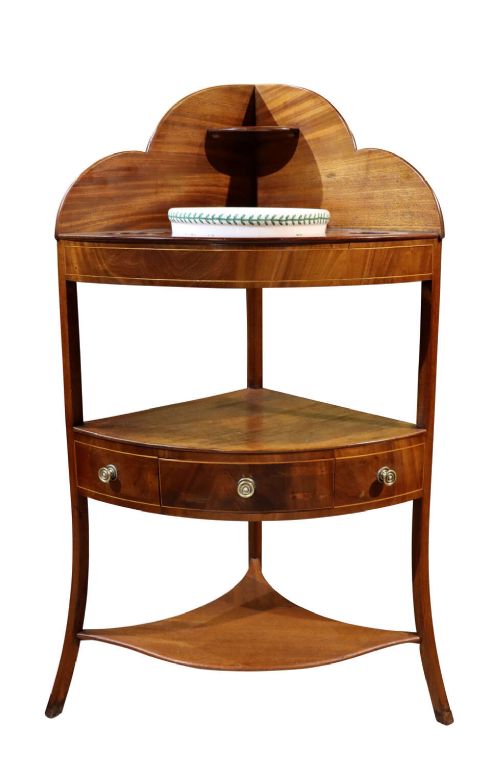
- A technique where pieces of contrasting timber or materials, such as satinwood or brass, are inserted into the wood surface to form a decorative pattern.
Brown Wooden Plant Stand: Frequently Asked Questions
What periods do these wooden stands come from?
The pieces span multiple eras, including Georgian, Victorian, Edwardian, and the early twentieth century.
Craftsmanship reflects the shifting aesthetic preferences of these periods, moving from eighteenth-century carved oak to Edwardian inlaid mahogany.
How were plant stands used historically?
These items held potted plants, jardinieres, and lamps within domestic reception rooms and halls.
Their elevation protected flooring from moisture while displaying botanical specimens at eye level.
What woods were commonly utilized?
Cabinetmakers worked with a variety of timbers, most notably oak, mahogany, and walnut.
More decorative items incorporate satinwood, kingwood, elm, and burr wood veneers.
How do I distinguish between styles?
Arts and Crafts pieces often emphasise plain oak construction and honest joinery, whereas Edwardian examples frequently feature mahogany with delicate inlay.
Georgian and Victorian pieces display heavier carved ornamentation, columns, or polished walnut surfaces.