
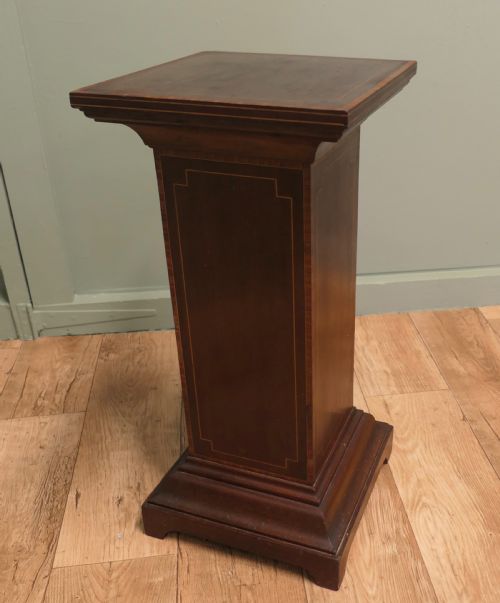
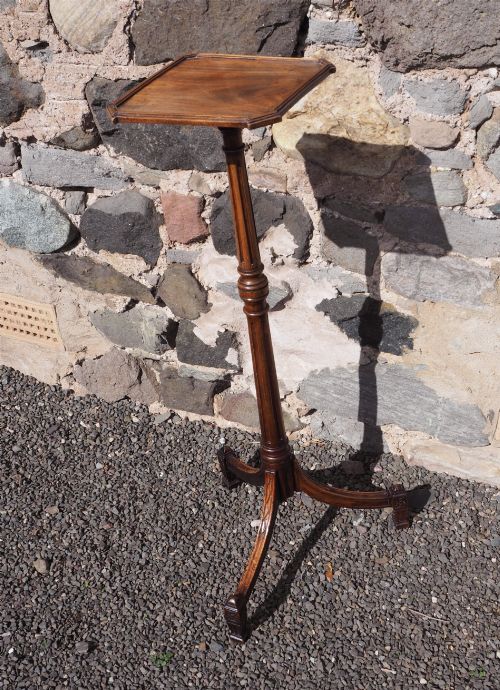
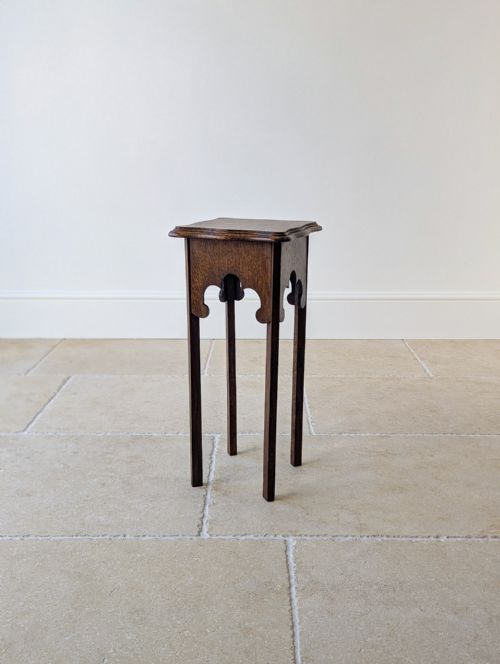
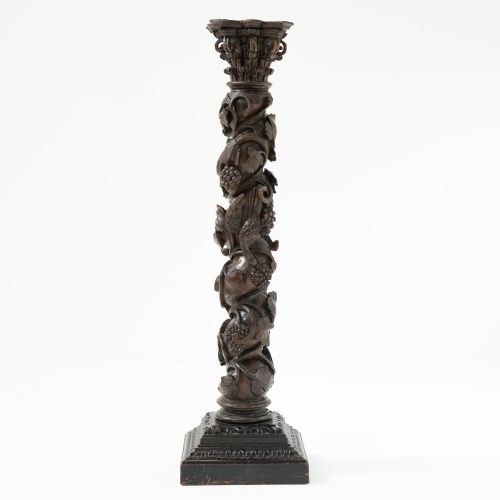
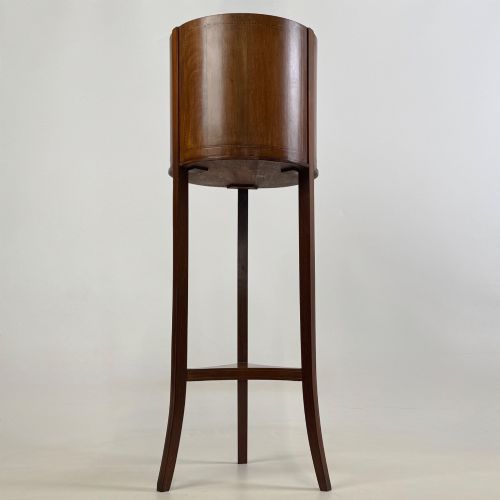
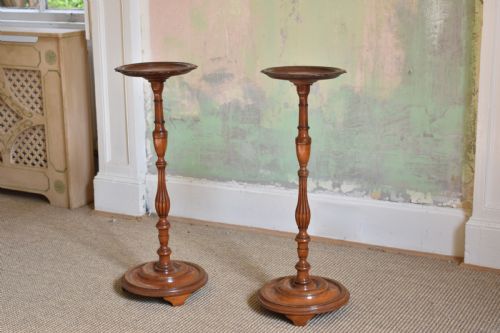
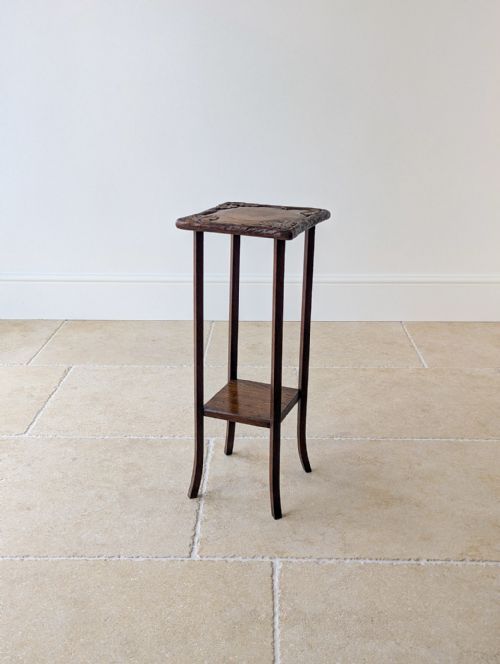

Brown Wooden Plant Pedestal
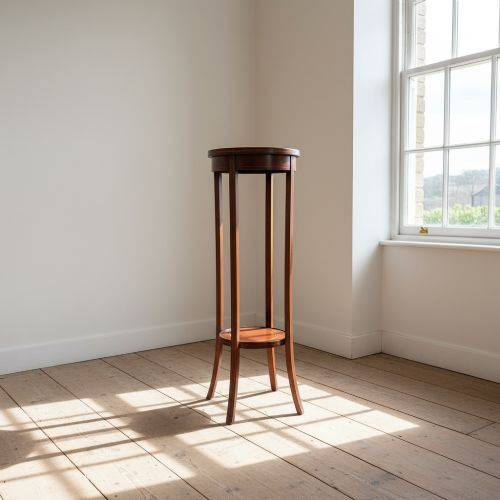
A brown wooden plant pedestal raises your greenery into the room, bringing height and structural form to interior spaces.
Brown Wooden Plant Pedestal
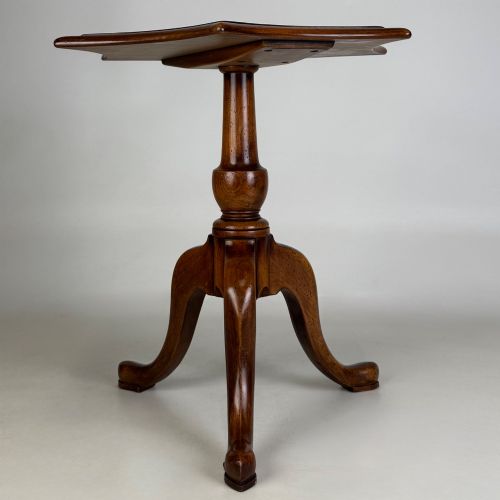
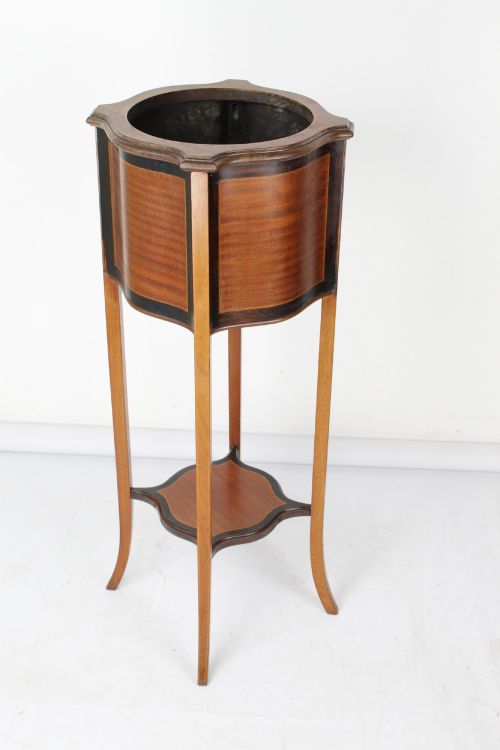
A brown wooden plant pedestal serves as an elevated platform for flora, urns, and decorative objects, rooting botanical displays firmly within domestic interiors. These supports appear across numerous historical periods, ranging from Georgian and Victorian designs to Edwardian and Art Deco interpretations.
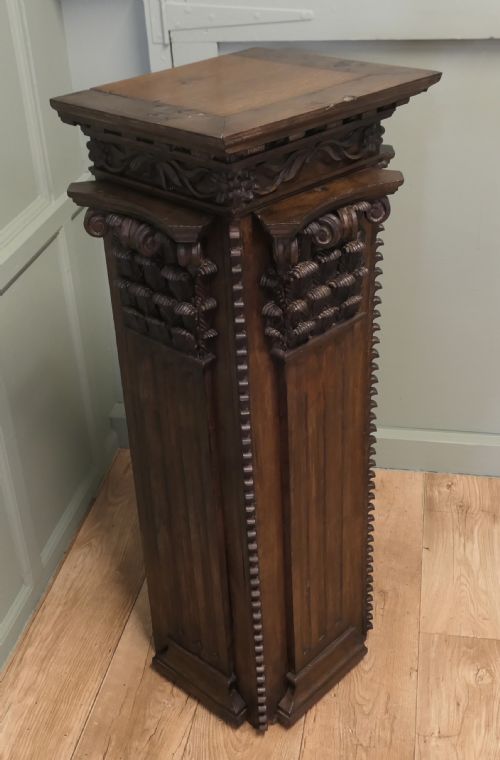
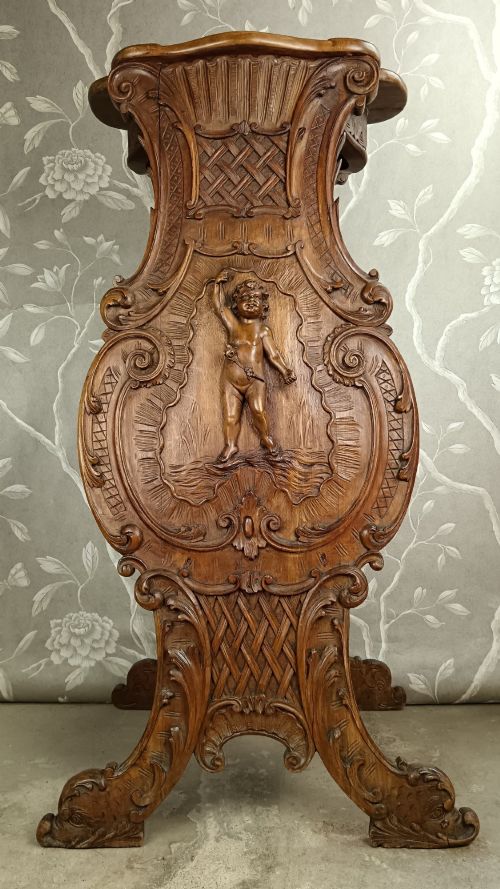
Makers utilised various functional forms, including torcheres, urn stands, and occasional tables that double as display columns. Examples span simple turned hardwood shafts to elaborately carved Italian Renaissance Revival pillars and inlaid satinwood models.
Materials and Construction
Makers constructed these supports primarily from dense hardwoods such as mahogany, oak, and walnut, frequently incorporating satinwood, kingwood, and beech for contrasting details. Timber selection dictated both the load-bearing capacity and the decorative potential of each column or stand.
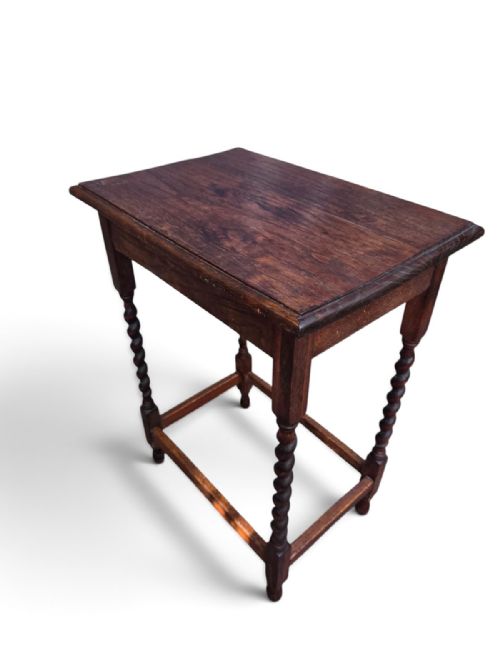
Joinery techniques combined traditional turning on a lathe with hand-carved ornamentation, such as Solomonic columns, barley twists, and floral marquetry inlay. Brass fittings and lacquer finishes occasionally complemented the timber surfaces to enhance durability and visual depth.
Several stands double as resting spots for lacquered elephants and carved figures, proving that Victorian botany had a theatrical streak.
Distinctions in Quality
Quality reveals itself in the rigidity of the upright shaft and the stability of the base, particularly on tripod configurations where balance is critical. Superior examples demonstrate precise timber selection with well-matched grain patterns across the top and column.
Carving depth and sharpness separate standard production from masterwork pieces, especially on Italian Renaissance Revival or heavily carved walnut stands. Crisp execution of inlay work and robust structural joinery distinguish the finest specimens from ordinary utility items.
Baillie Scott
The Brown Wooden Plant Pedestal Glossary
- Torchere
- A tall, slender ornamental stand originally designed to hold a candle or light source. These pieces now frequently support vases or trailing plants.
- Solomonic
- A helical or spiral column twisting upwards like a corkscrew. This classical motif appears frequently on 18th and 19th-century oak and walnut pedestals.
- Urn stand
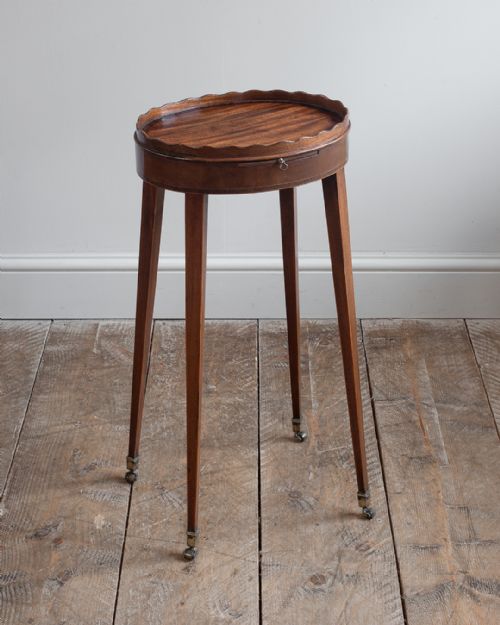
- A small, elevated table designed specifically to hold a classical urn or heavy vessel. Georgian examples often feature raised rims or shaped tops.
- Marquetry
- The art of applying decorative pieces of veneer to a structure to form intricate patterns. George III stands frequently display floral marquetry in contrasting woods.
- Tripod base
- A three-legged support system providing stability on uneven floor surfaces. This configuration is standard for many Victorian and Edwardian plant stands.
Brown Wooden Plant Pedestal: Frequently Asked Questions
What is a brown wooden plant pedestal?
A brown wooden plant pedestal is an elevated stand designed to display potted plants, urns, or decorative objects at varying heights. They provide a vertical accent in rooms while keeping foliage safe from floor-level damp and foot traffic.
These pieces range from simple turned oak columns to highly decorative inlaid mahogany torcheres. Their compact footprints make them versatile for corners and empty wall spaces.
How were these stands used historically?
Historically, these stands elevated imported flora, heavy floral arrangements, and ornamental sculptures to prominent viewing heights in grand rooms. They functioned both as practical plant holders and as architectural display furniture.
In domestic interiors, matching pairs often framed doorways or fireplaces, while single stands highlighted specific botanical specimens near windows.
How do I style a plant pedestal at home?
Place a plant pedestal in an unused corner, beside a sofa, or flanking a window to draw the eye upward and break up horizontal sightlines. Trailing plants work particularly well on taller columns, allowing foliage to cascade down the sides.
Ensure the weight of the pot matches the stability of the base, especially with tripod or slender single-shaft designs. Avoid placing overly heavy ceramics on delicate antique tables without checking structural balance.
How do I date an antique plant stand?
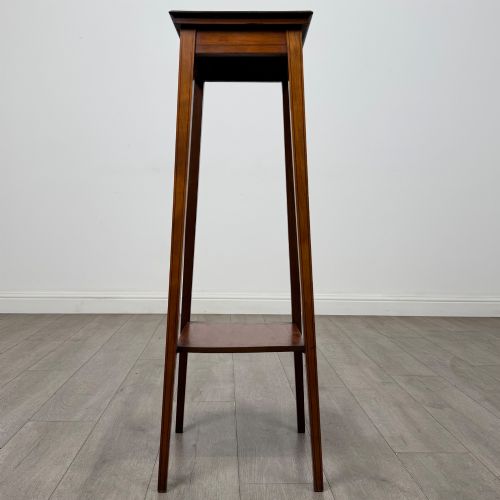
Dating relies on examining the timber species, joinery methods, decorative motifs, and overall style associated with specific historical periods. For instance, barley twist columns and heavy oak construction often point toward Victorian or Edwardian eras, while satinwood inlay and tapered legs suggest Georgian revival or earlier craftsmanship.
Tool marks, fixings, and the natural ageing of the wood provide further clues to authenticity. Comparing the turning profile to dated examples helps narrow down the decade of manufacture.