

Brown Wooden Pembroke Table
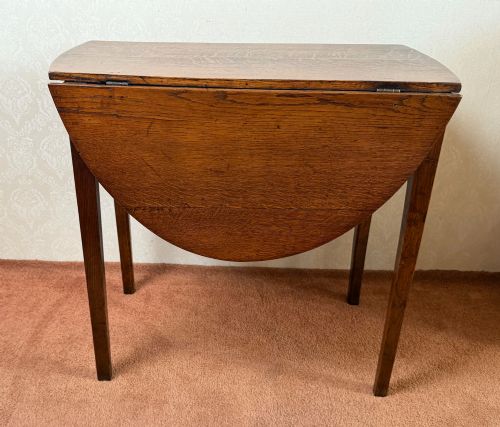
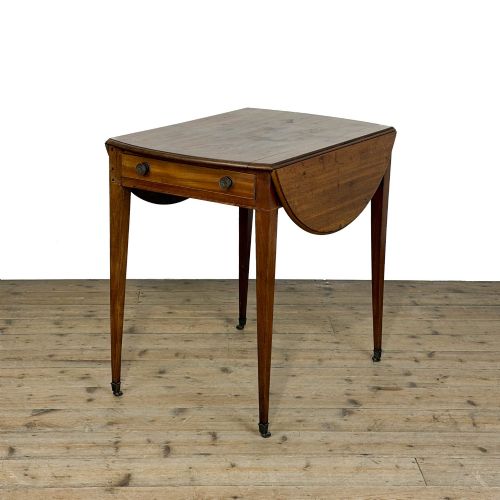
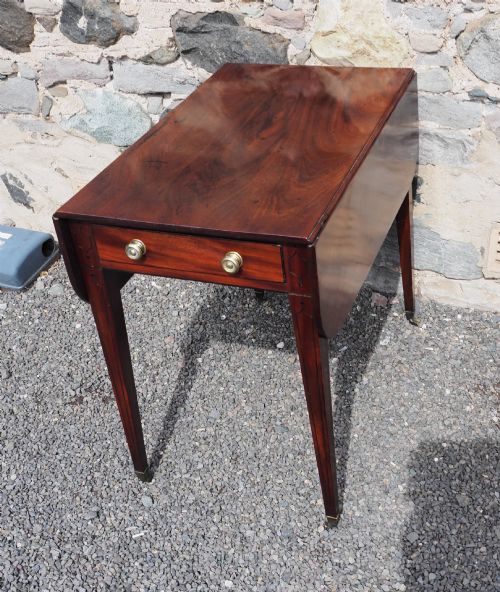
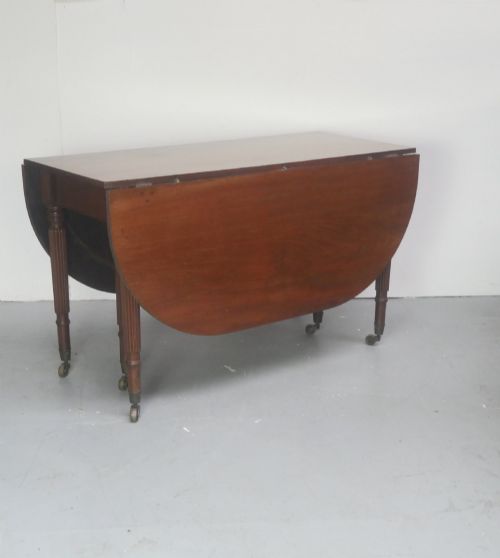
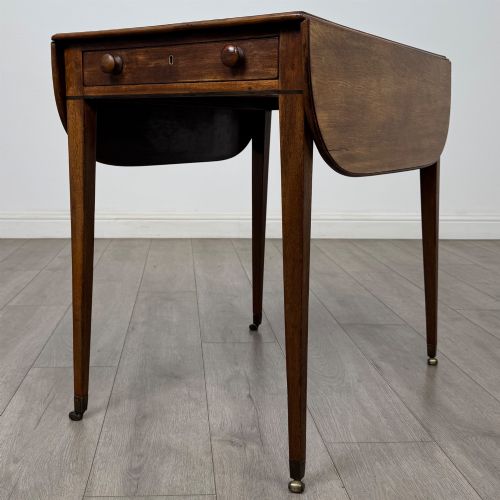
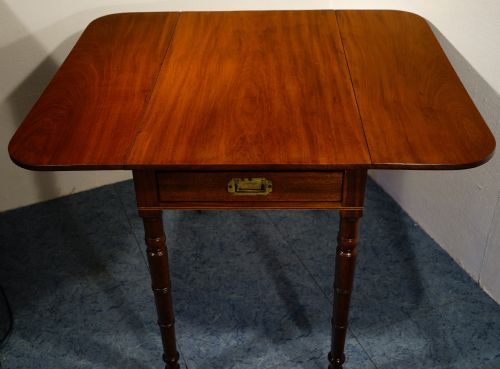
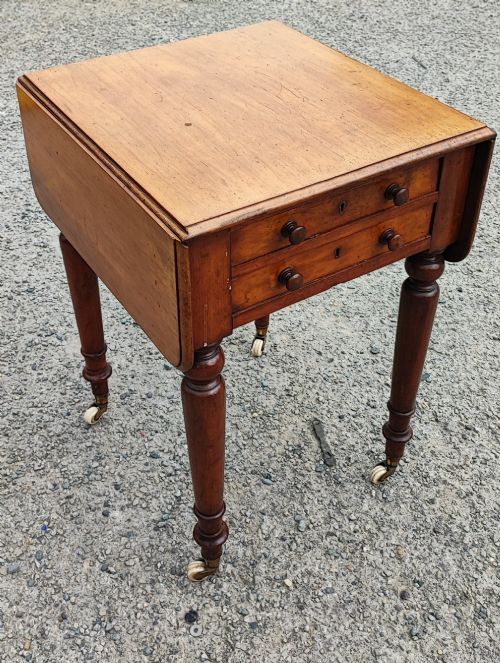
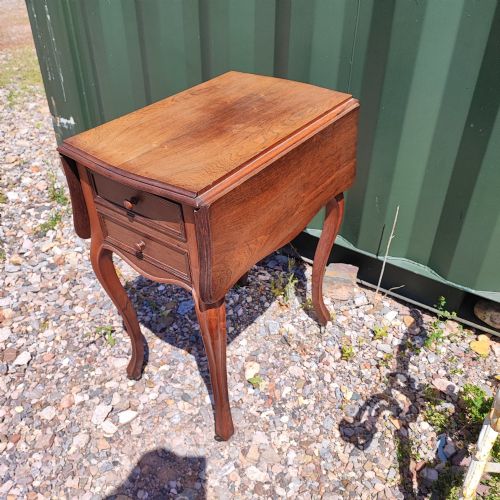
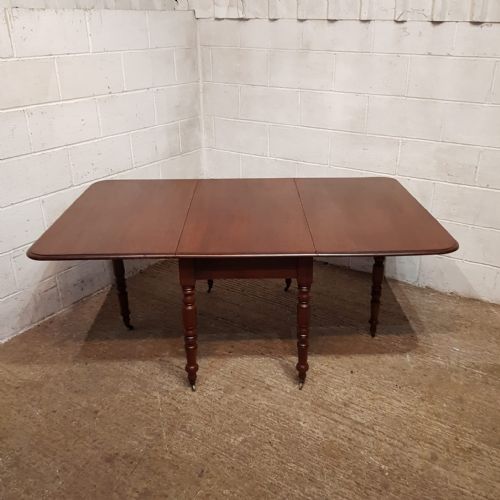
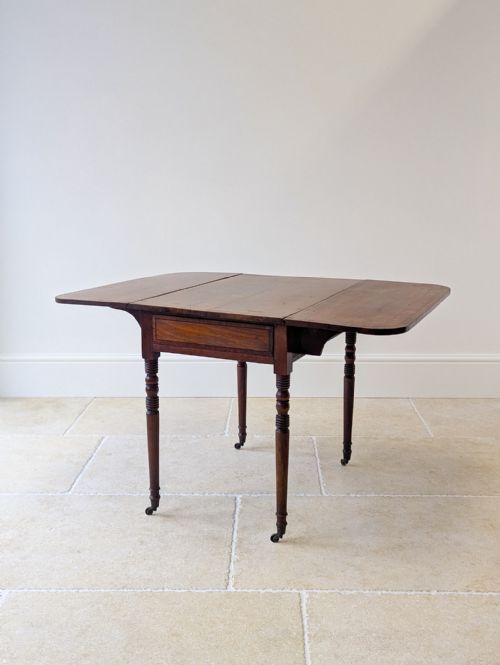
A brown wooden pembroke table offers a clever folding surface with drop leaves, designed to move easily about a room.

Brown Wooden Pembroke Table
When you search for a brown wooden pembroke table, you encounter versatile drop-leaf tables designed with hinged flaps on opposite sides to extend the top surface. These useful pieces date primarily from the Georgian, Regency, and Victorian periods, serving various roles from dining to bedside use.
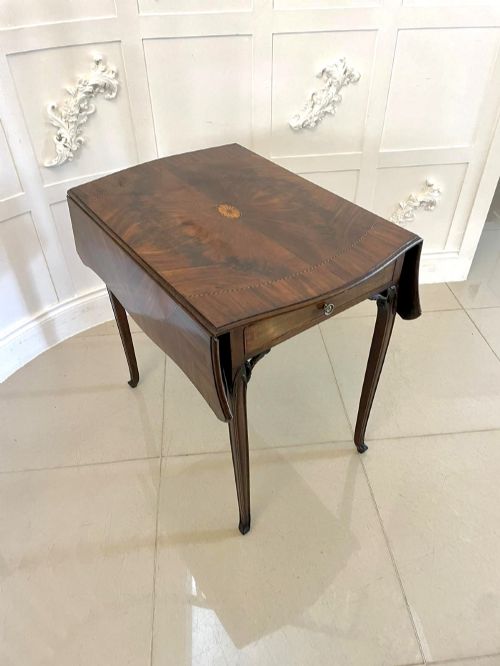
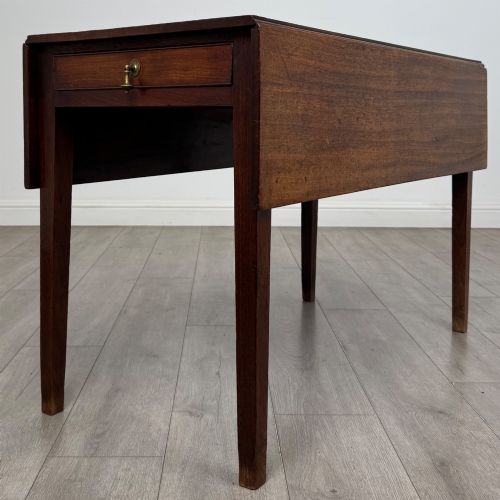
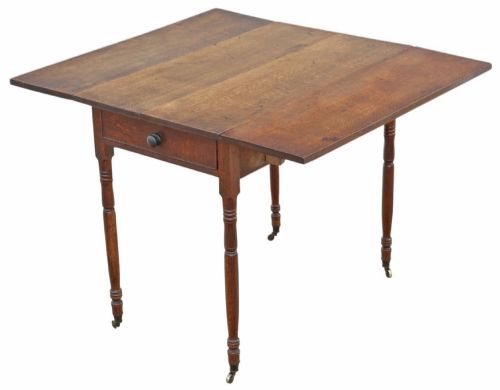
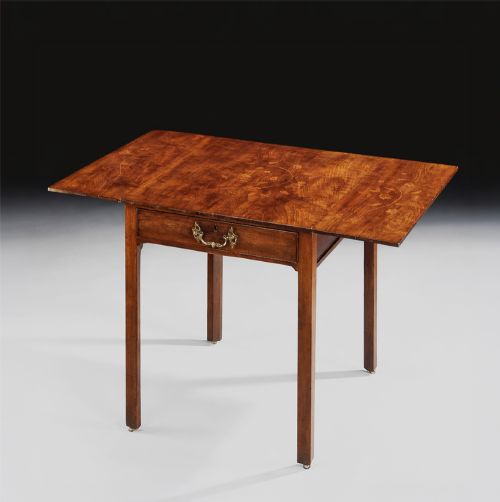
The specimens seen here appear in rich timbers like mahogany, oak, rosewood, and fruitwood, often featuring a single drawer at one or both ends. Many examples retain their original brass castors, highlighting their portability in historic homes where furniture shifted to suit the hour.
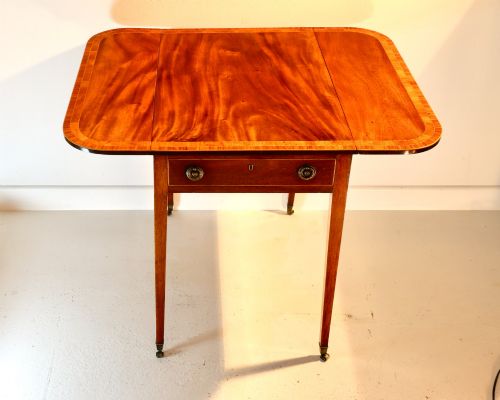
The form adapts readily to domestic spaces, appearing as side tables, occasional tables, or compact dining tables. You find straightforward country workshop pieces alongside refined urban examples banded in satinwood or decorated with marquetry.
Materials and Construction
Cabinetmakers built these tables using dense tropical hardwoods such as mahogany and rosewood, alongside domestic timbers like oak and fruitwood. Timber selection dictated the structural stability of the pivoting flap brackets, known as fly brackets, which support the drop leaves.
Fine examples incorporate decorative wood inlay, harewood, and satinwood banding to create geometric borders on the table top. Workshops utilised brass hinges, brass drop handles, and small brass castors to complete the movable furniture.
Joinery techniques combined sturdy mortise and tenon frames with dovetailed drawer construction to ensure durability under daily use. Carpenters shaped table legs to taper toward the floor or turned them into slender supports.
Factors That Separate the Best from the Rest
Quality rests heavily on the choice of timber figure, with highly figured mahogany and intricate marquetry separating exceptional pieces from plain utility tables. The crispness of the cabinetmaker's edge mouldings and the precision of the wood inlay reveal the maker's hand.
Proportion and scale dictate elegance, as narrower dimensions and balanced drawer depths distinguish sophisticated drawing-room pieces from heavier dining variants. The survival of original brass castors and working drawer locks with matching keys adds considerable merit.
The Brown Wooden Pembroke Table Glossary
- Drop leaf
- A table top with hinged side flaps that fold down to save space when not in use. These flaps lift up and rest on pivoting wooden supports.
- Fly bracket
- A hinged wooden arm that swings out from beneath the table frame to hold up a drop leaf. It provides the necessary mechanical support for the extended surface.
- Marquetry
- Decorative veneer work arranged in pictorial or geometric patterns using various coloured woods. Craftsmen cut thin slices of timber and fit them together precisely.
- Satinwood
- A lustrous, fine-grained yellow timber imported from tropical regions and used for contrasting borders. It provides a bright accent against darker mahogany surfaces.
- Castor
- A small wheel attached to the base of each table leg to ease movement across carpets and floorboards. Original brass mounts indicate untouched historic hardware.
Brown Wooden Pembroke Table: Frequently Asked Questions
What is a pembroke table used for?
These tables served flexible roles in historic households, functioning as breakfast tables, writing desks, or small card tables. Their folding leaves allowed owners to tuck them against a wall when floor space was needed.
Today, they work wonderfully as lamp tables or compact desks in modern rooms where space is at a premium. The built-in drawer provides convenient storage for small household items.
How do I date an antique pembroke table?
Dating relies on observing the leg shape, timber choice, and secondary woods used inside the drawer structure. Georgian and Regency examples often feature tapered legs and rich mahogany, while Victorian versions tend toward heavier proportions and darker finishes.
Hardware details like hand-cut dovetails, original brass castors, and lock mechanisms offer further clues to the decade of manufacture. Comparing the construction methods to documented furniture styles helps narrow the period.
Are pembroke tables sturdy enough for daily dining?
The drop leaves rely on pivoting wooden brackets rather than a fixed central frame, meaning heavy downward pressure on the edge requires care. They suit light meals, writing, or display purposes rather than heavy industrial use.
Well-constructed antique examples remain remarkably stable thanks to solid hardwood frames and pegged joinery. Treating the hinged leaves with sensible care ensures they function smoothly for decades.
How do I care for a wood surface?
Keep wooden furniture away from direct sunlight and strong heat sources to prevent the timber from drying out and splitting. Regular dusting with a soft cloth maintains the natural lustre without building up heavy wax residues.
Applying a traditional beeswax polish occasionally helps nourish historic finishes and protects the wood from minor moisture marks. Avoid placing hot cups or damp items directly on antique surfaces.