
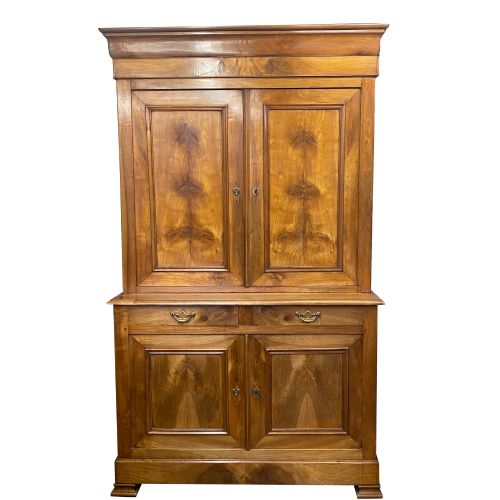
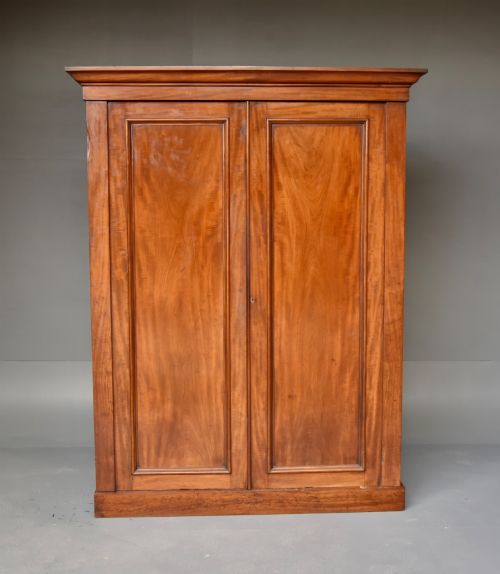
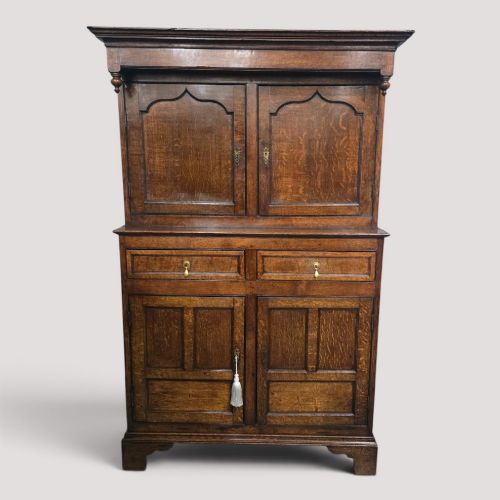
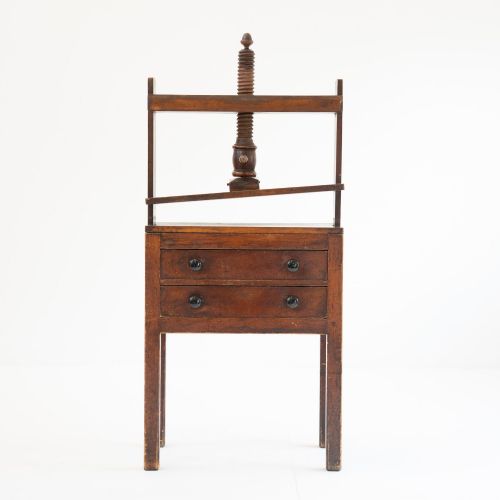
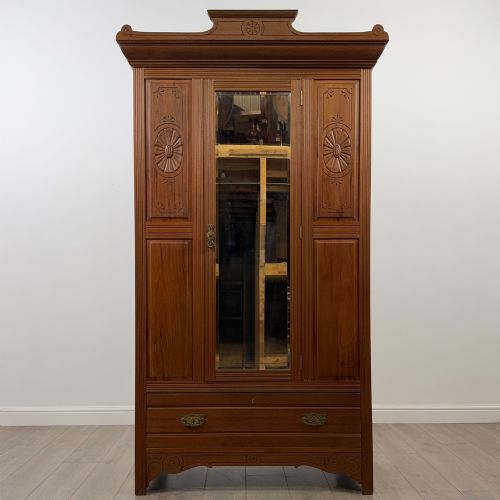
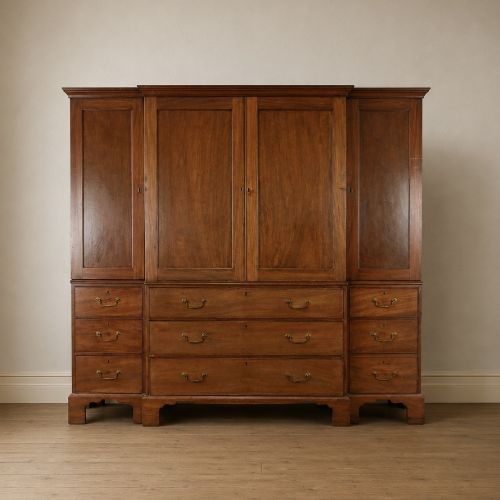
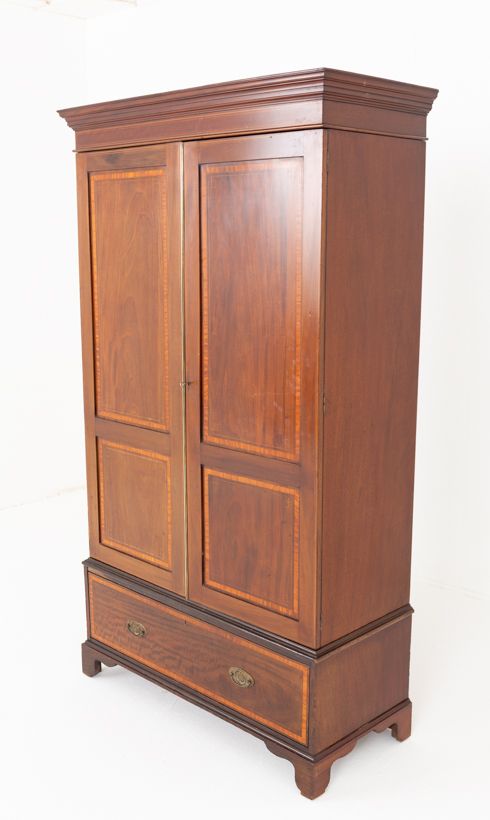
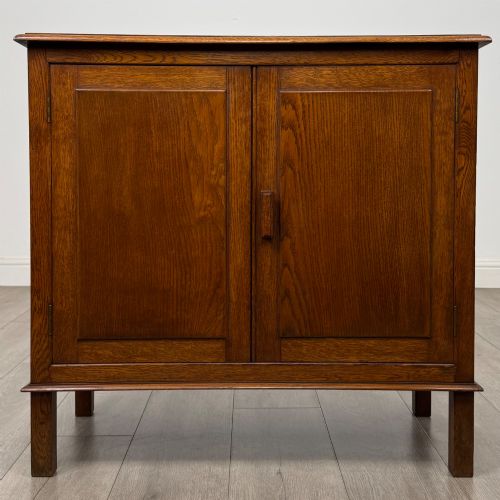
Brown Wooden Linen Press
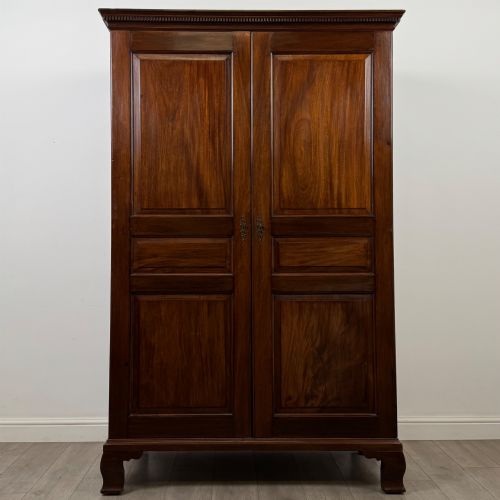
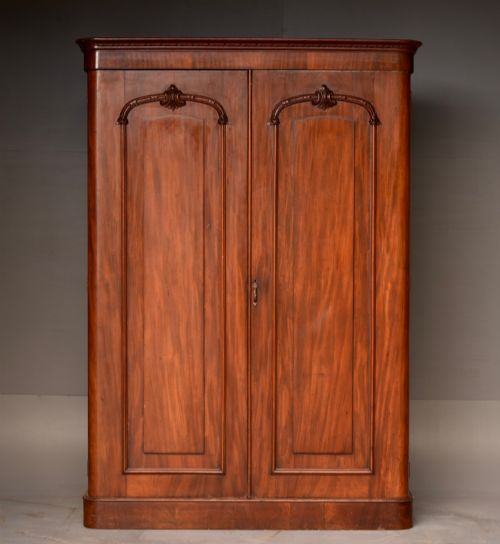
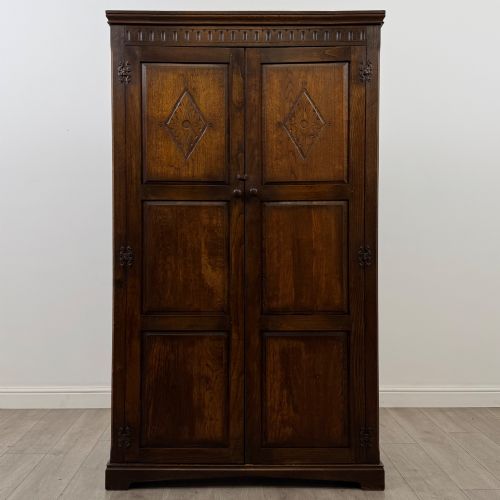
A brown wooden linen press offers substantial storage for textiles and garments, bringing period character and practical depth to a bedroom.
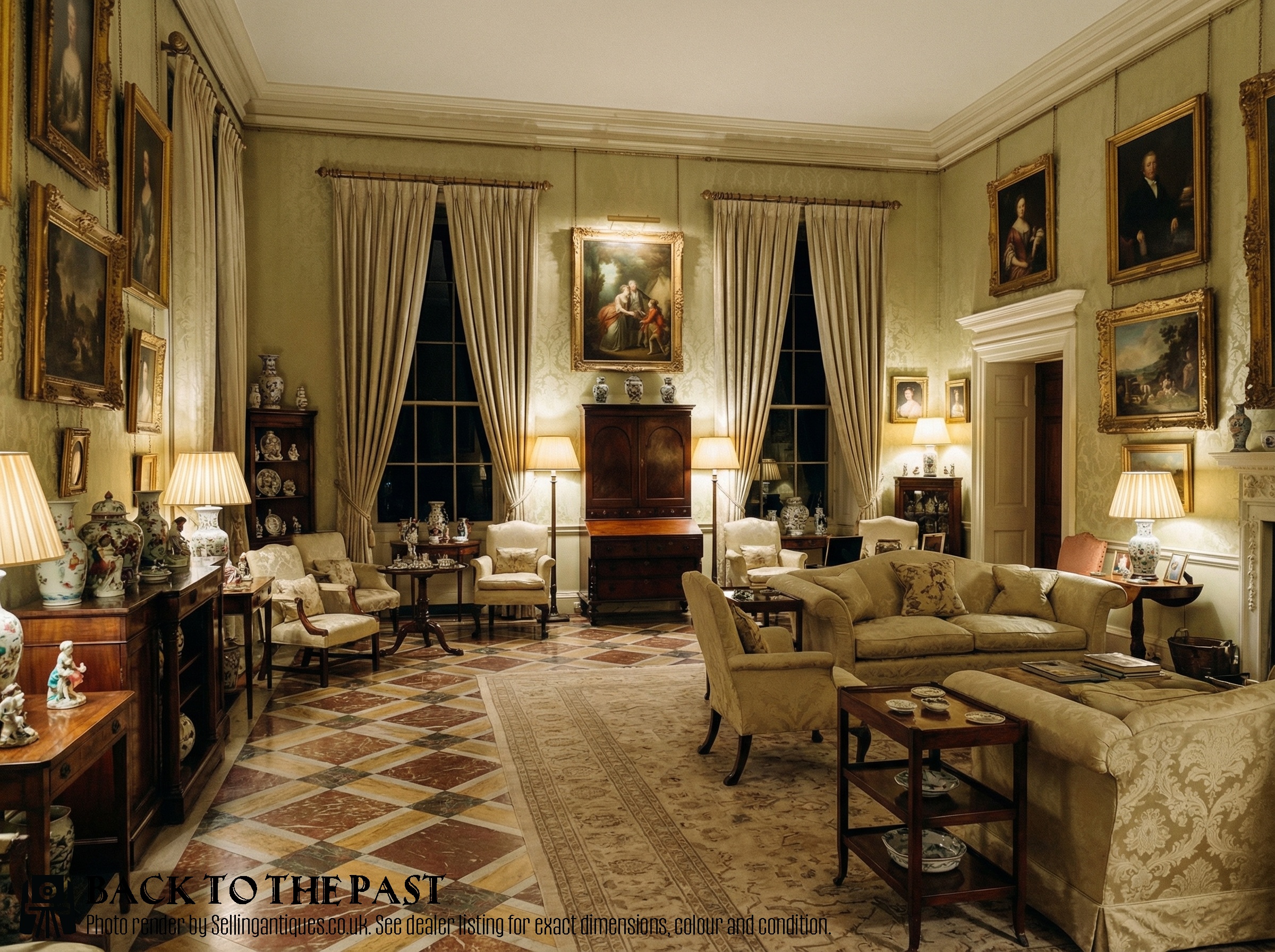
Brown Wooden Linen Press
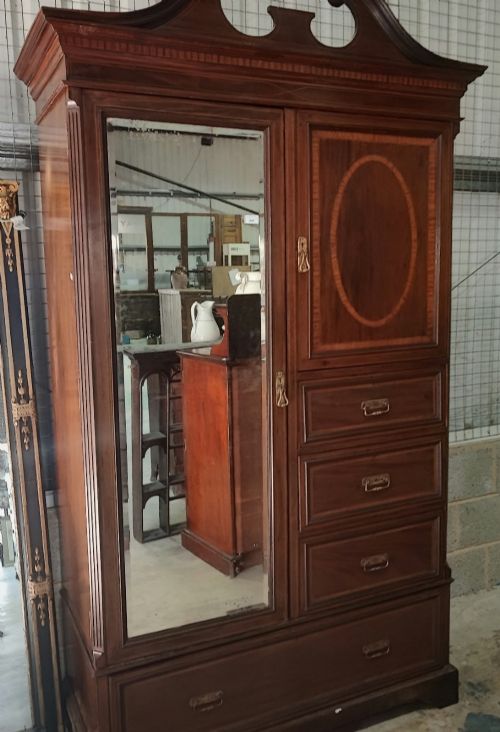
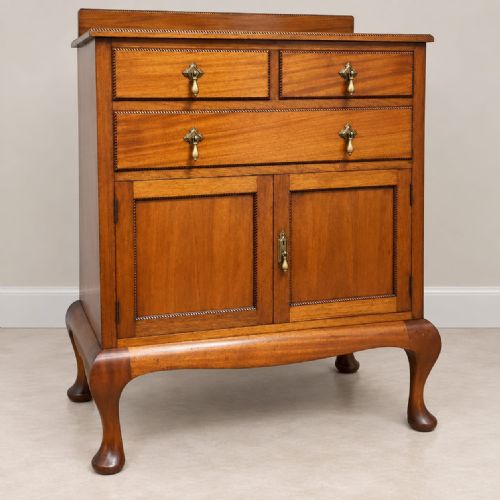
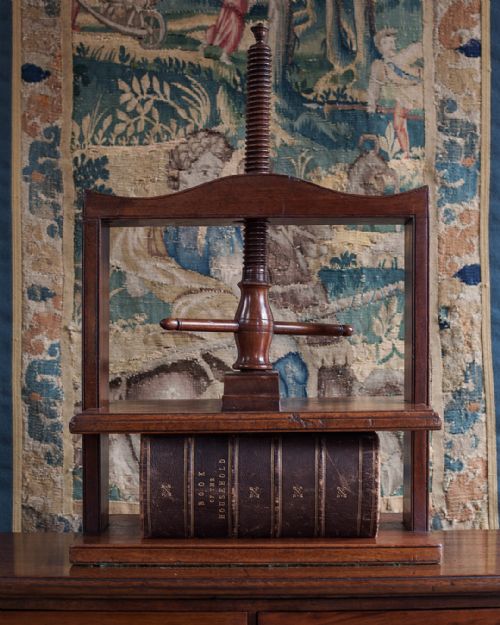
When you search for a brown wooden linen press, you encounter substantial storage furniture designed for clothes and household textiles, spanning the 18th century, Georgian, Victorian, and Edwardian periods. These pieces frequently take the form of linen presses, wardrobes, armoires, tallboys, and compactum wardrobes.
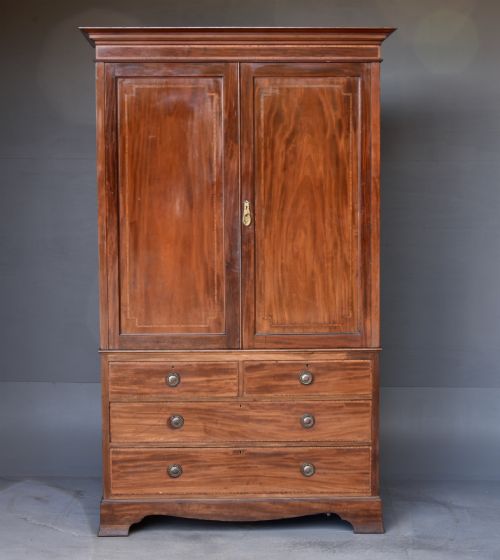
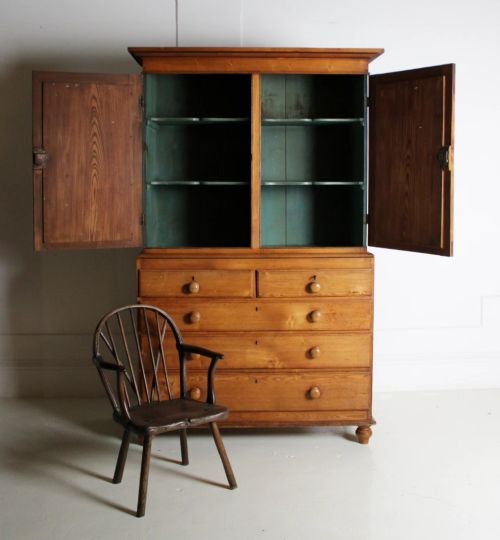
The versions most commonly met on this page combine upper storage cupboards with lower drawer configurations, executed in rich timber tones. They serve as commanding focal points in bedrooms or dressing rooms while concealing generous shelving and hanging space.
How they were made
Cabinet makers constructed these presses using solid timbers and decorative veneers over secondary woods like pine. Mahogany, oak, and walnut predominate, often enhanced by flame mahogany veneer, burr walnut, satinwood, and marquetry inlay.
Functional hardware includes brass handles, escutcheons, and hinges that secure heavy panelled doors. Interior sliding trays or shelves provide dedicated storage for folded linens before hanging sections became standard in later wardrobe designs.
Listings feature 19th-century, Georgian, Victorian, and Edwardian pieces constructed from mahogany, oak, walnut, and satinwood.
What varies in quality
The standard of a brown wooden linen press is determined by the selection of timber figures and the precision of the cabinet work. Finely figured flame mahogany or burr walnut veneers demonstrate superior material choice by the maker.
Structural integrity reveals itself in the flush fit of panelled doors, the smoothness of drawer runners, and the restraint or elegance of inlaid decoration. Pieces signed by known makers or retailers reflect higher standards of workshop execution.
maples & co·Edwards and Roberts·S & H Jewell·Heals
The Brown Wooden Linen Press Glossary
- Linen press
- A tall piece of furniture featuring upper cupboard doors enclosing sliding trays or shelves, positioned above a chest of base drawers. Originally intended for storing flat linens, they frequently adapt to modern clothing storage.
- Compactum
- A fitted wardrobe that divides its interior efficiently into hanging space, drawers, and shelving sections. These multi-purpose units maximise storage within a single cabinet footprint.
- Tallboy
- A tall chest of drawers stacked upon a further chest or base unit, creating an elevated storage format. This form maximises vertical capacity while maintaining a modest floor footprint.
- Marquetry
- Decorative patterns formed by fitting together thin veneers of various coloured woods. This technique adorns drawer fronts and door panels with geometric or floral motifs.
- Flame mahogany
- A veneer cut from the fork of a mahogany tree where the grain pattern resembles flickering flames. Cabinet makers used this striking figure on prominent door and drawer surfaces.
Brown Wooden Linen Press: Frequently Asked Questions
What is a brown wooden linen press used for?
A brown wooden linen press provides deep internal shelving and drawer space originally designed for flat household linens. Modern owners frequently utilise the upper sliding trays or shelves for folded garments and knitwear.
The lower drawer sections offer additional capacity for smaller items and accessories. Their robust proportions make them ideal for bedrooms requiring substantial enclosed storage.
How do I date a Georgian linen press?
Dating a Georgian piece relies on examining the timber selection, construction methods, and decorative vocabulary. Earlier examples from the 18th century often feature solid mahogany or figured veneers with hand-cut dovetails on the internal drawers.
Subsequent pieces incorporate stylistic details such as bracket feet, dental mouldings, or restrained string inlay. Regional variations also appear, particularly in country pieces utilising local woods like oak or ash.
Will a linen press fit in a modern bedroom?
These presses are substantial pieces of furniture that require careful measurement of both floor space and ceiling height before placement. Because many period examples separate into upper and lower sections for transport, moving them into a room is generally straightforward.
Their deep proportions mean they extend further into a room than standard contemporary wardrobes. Ensuring adequate clearance for opening doors and pulling out base drawers is essential.
How do I care for antique wood furniture?
Maintaining wood surfaces requires keeping pieces away from direct heat sources and strong sunlight, which can dry out timber and fade veneers. Regular dusting with a soft, dry cloth prevents particulate build-up on polished finishes.
Occasional application of appropriate wax feeds the wood and preserves its natural sheen without creating a sticky residue. Avoiding excessive moisture ensures the secondary structural timbers remain stable.