
Brown Wooden Hall Seat
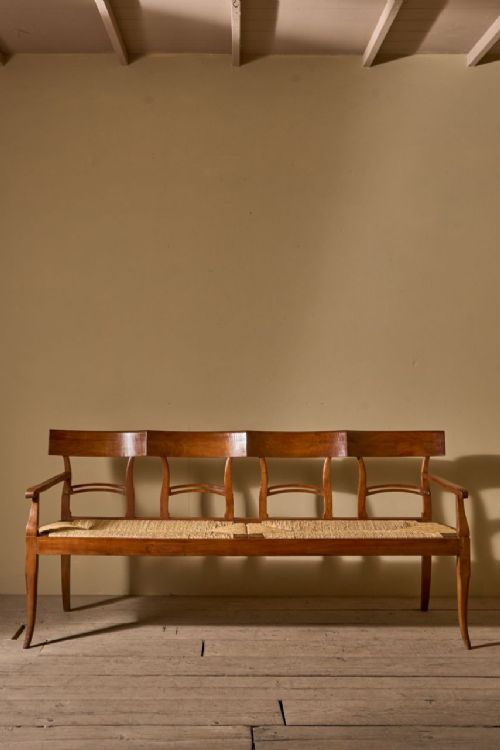
A brown wooden hall seat anchors an entranceway with sturdy timber and period character, offering a practical spot to pause as you step inside.
Brown Wooden Hall Seat
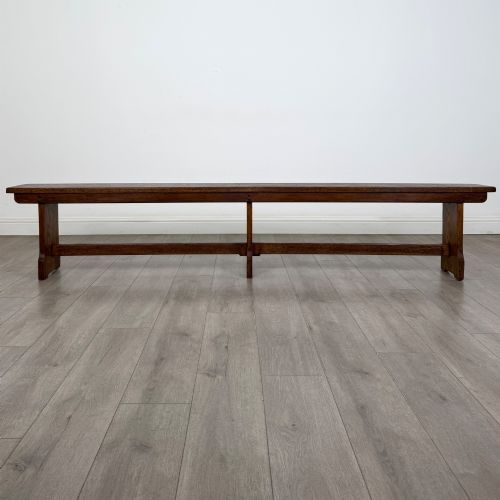
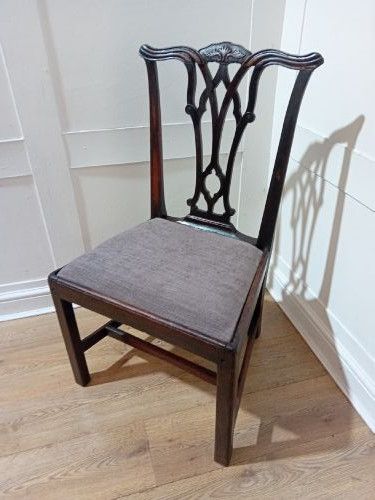
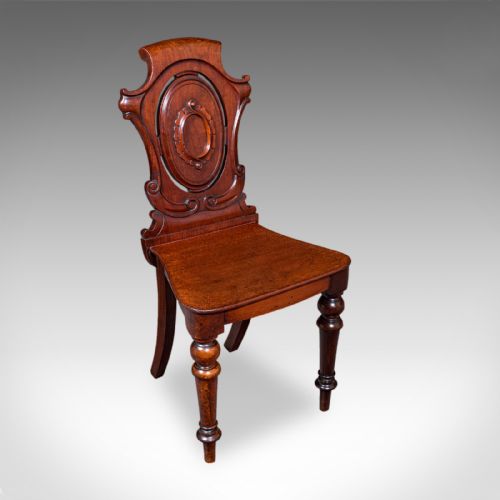
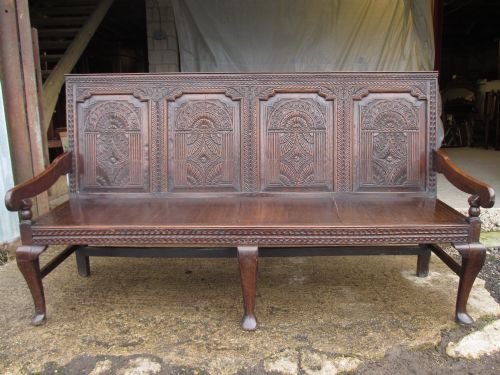
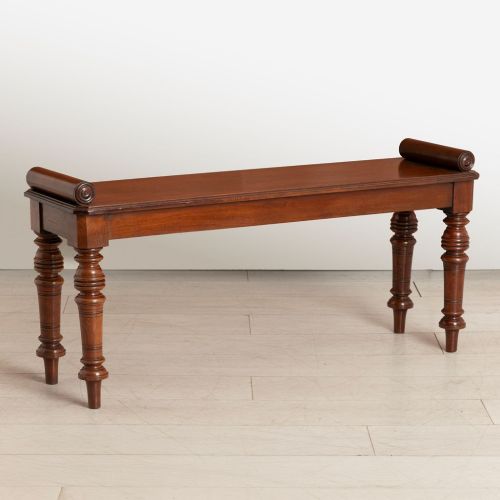
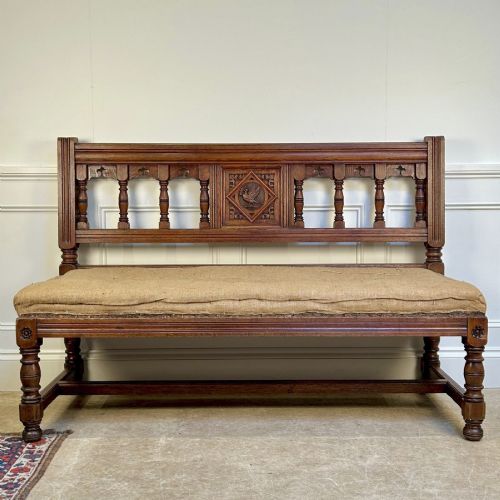
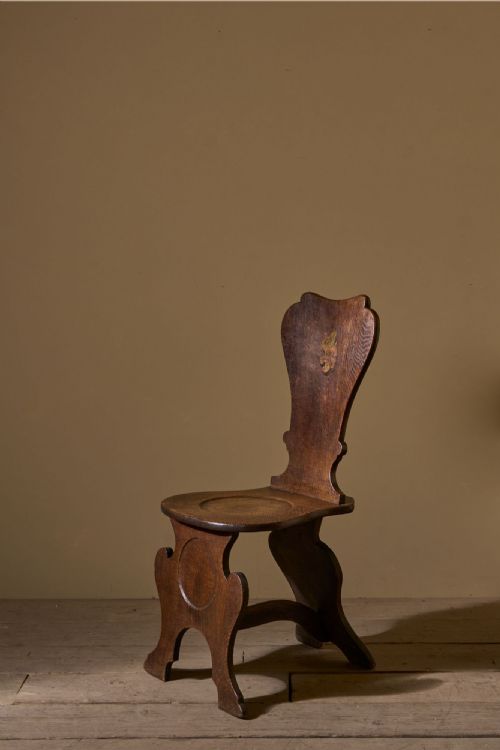
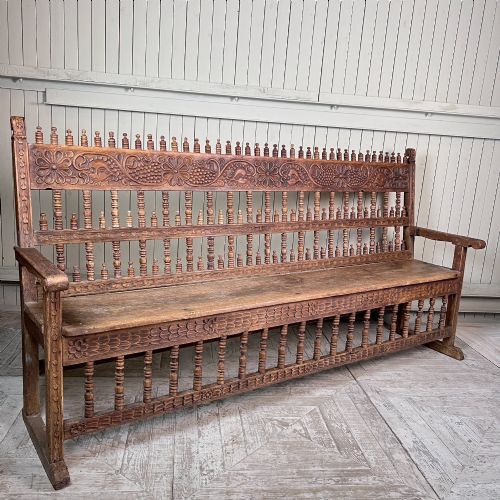
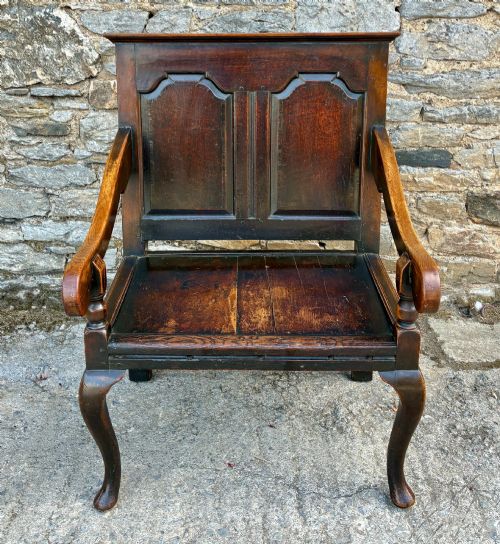
A brown wooden hall seat encompasses robust oak and mahogany benches, settles, and chairs designed for passages and reception spaces. These functional pieces range from narrow Georgian shield back hall chairs to substantial 18th century box settles and long tavern benches.
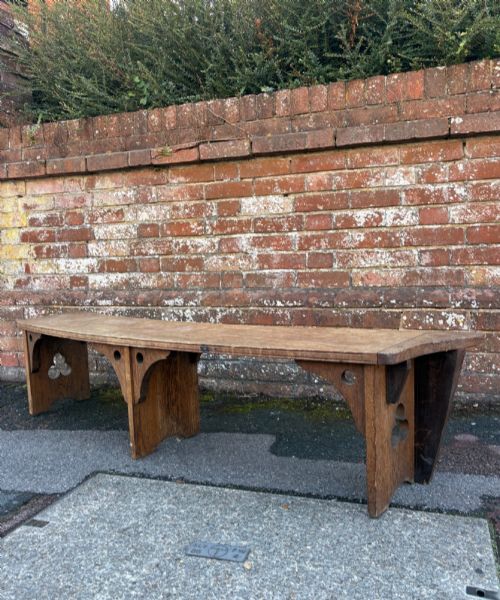
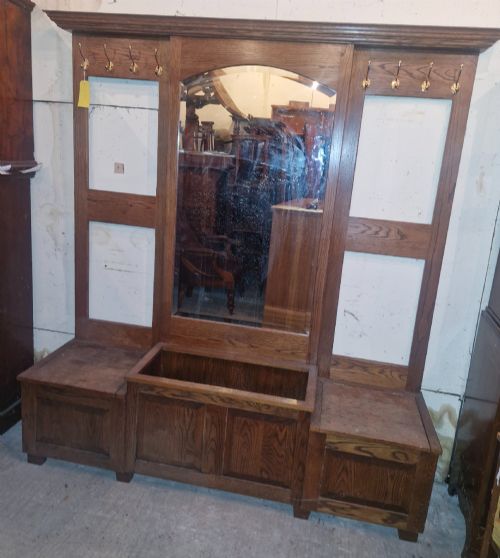
You are most likely to encounter 19th-century oak and mahogany examples on this page, alongside Victorian country pieces and Gothic revival designs. Forms stretch from simple single seats to large multi-functional hall seat stands and curved Pugin-style benches.
Origins span English, Scottish, and Irish country houses, alongside continental European workshops, utilising native hardwoods like oak, ash, elm, and pine. The selection prioritizes sturdy seating intended for heavy traffic areas rather than formal drawing rooms.
Materials and construction methods
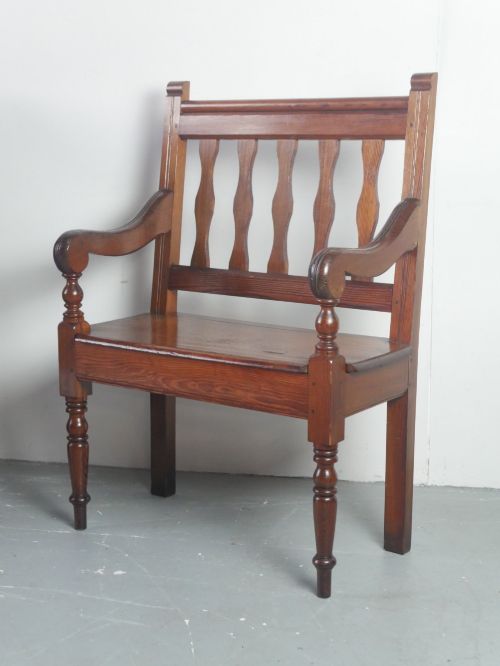
Makers relied heavily on solid oak, mahogany, and pitch pine, selecting timber for density and grain pattern to withstand daily hallway use. Joinery techniques involved traditional mortise and tenon joints, panel construction, and hand-carved supports.
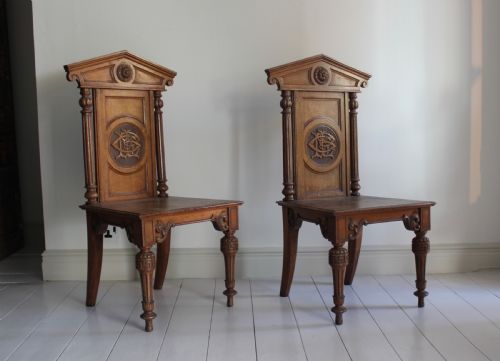
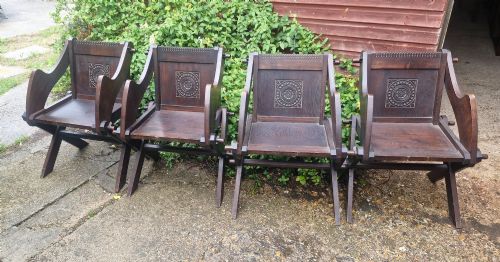
Detailing often included trefoil carved supports, tulip decoration, shield backs, and Gothic revival tracery executed directly into the hardwood frame. Secondary timbers like ash appeared in box settles, while brass or iron hardware occasionally reinforced structural points.
Listings feature woods spanning oak, mahogany, pine, pitch pine, and hardwood, alongside iron, brass, fabric, and leather elements.
Assessing quality and craftsmanship
Quality rests on the selection of timber and the crispness of hand-carving, distinguishing standard utility seating from commissioned pieces by notable makers. Heavy, well-seasoned oak and finely figured mahogany demonstrate superior material choice.
Gillows
The Brown Wooden Hall Seat Glossary
- Settle
- A wooden bench with a high back, solid armrests, and frequently a box compartment beneath the seat for storage. This form kept draughts away from people sitting near doorways in older homes.
- Shield back
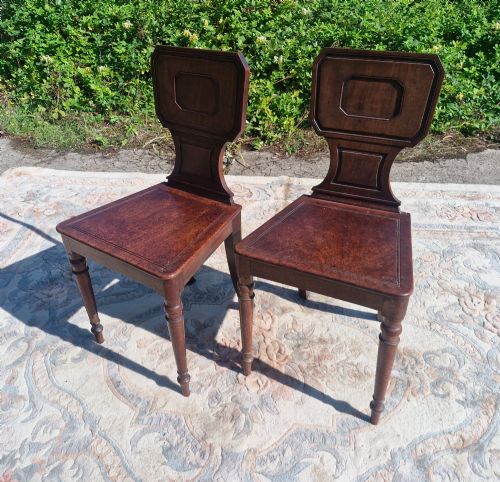
- A chair back shaped like a heraldic shield, popular during the Georgian period. This design often incorporates carved wooden details or pierced splats.
- Gothic Revival
- A style drawing inspiration from medieval architecture, featuring pointed arches, trefoil motifs, and heavy timber construction. It gained popularity during the 19th century.
- Box settle
- A heavy wooden bench featuring a hinged seat opening to a storage compartment. These pieces served dual purposes in hallways and common rooms.
- Hall chair
- A rigid wooden seat intended for occasional use in an entrance hall rather than long periods of sitting. They frequently display carved family crests or decorative wooden backs.
Brown Wooden Hall Seat: Frequently Asked Questions
Where should I place a brown wooden hall seat?
These pieces suit entrance halls, narrow corridors, and boot rooms where visitors remove outdoor wear. Their relatively shallow depth allows them to sit flat against walls without blocking movement.
They also function effectively in large landings or reception rooms as focal seating. Placing them away from direct heat sources helps protect the antique timber from drying out.
How do I maintain the wood on my seat?
Regular dusting with a dry, soft cloth prevents particle buildup on carved details and panel work. Applying a traditional beeswax occasionally nourishes dry hardwood and maintains a natural sheen.
Avoid placing wooden furniture in direct sunlight or beside radiators to prevent warping and splitting. Gentle care preserves the historical patination built up over centuries.
Did hall seats have storage?
Many traditional examples, particularly box settles, feature a hinged seat lid concealing an enclosed compartment below. This space originally stored blankets, boots, or household goods away from entrance drafts.
Simple hall chairs and open benches lack this feature, functioning purely as standalone seating. Examining the underside reveals whether a compartment was part of the original design.
How can I tell a Georgian seat from a Victorian one?
Georgian pieces from the 18th century generally display lighter proportions, cleaner lines, and simpler mahogany or oak framing. Details like shield backs and understated panel work characterise this era.
Victorian interpretations often embrace heavier dimensions, darker finishes, and elaborate Gothic revival ornamentation. Pitch pine and richer carving frequently signal 19th-century manufacture.