

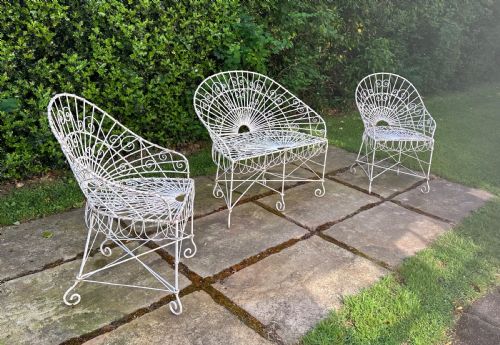


Edwardian Settee Bench
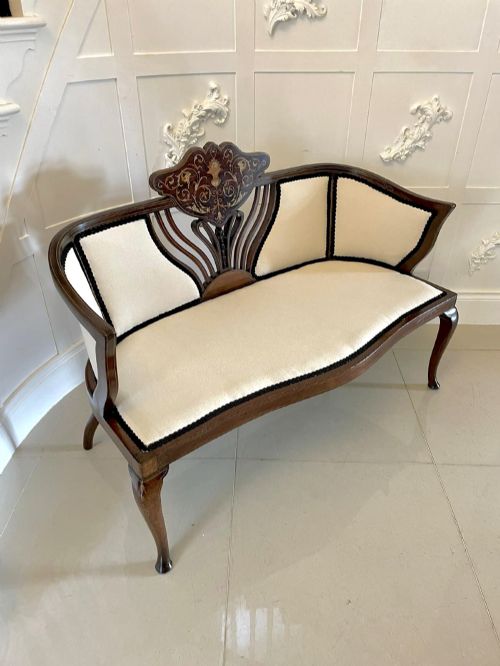
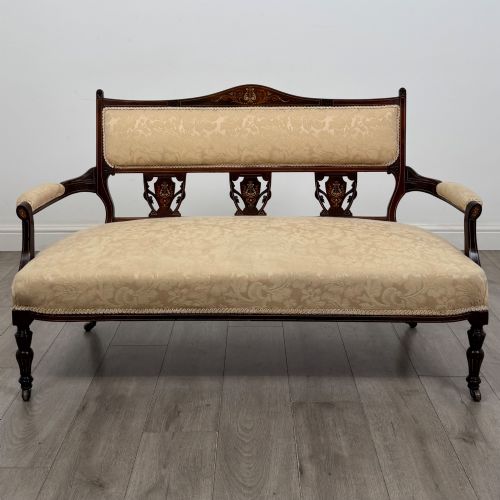
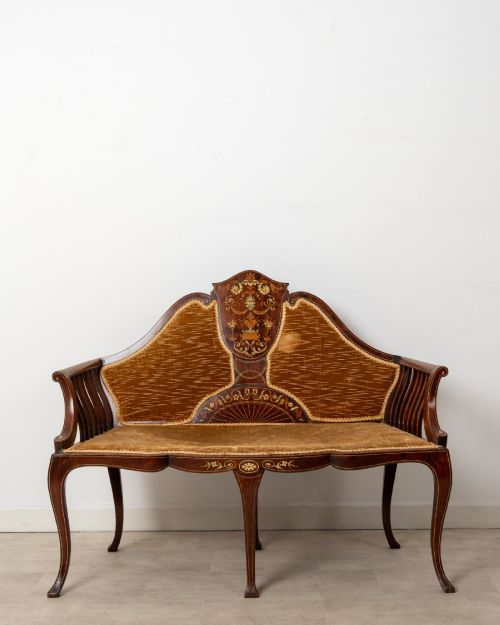
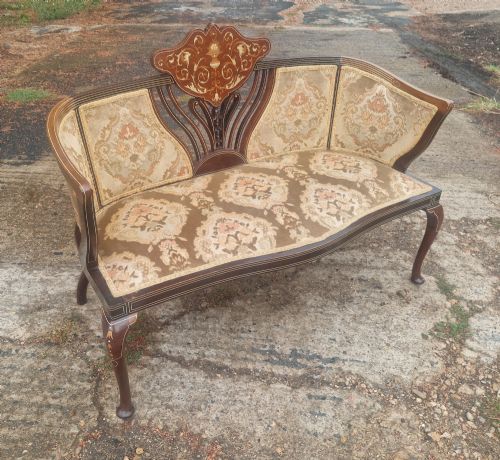
An edwardian settee bench brings refined seating to a room, combining period joinery with elegant decorative details.
Edwardian Settee Bench
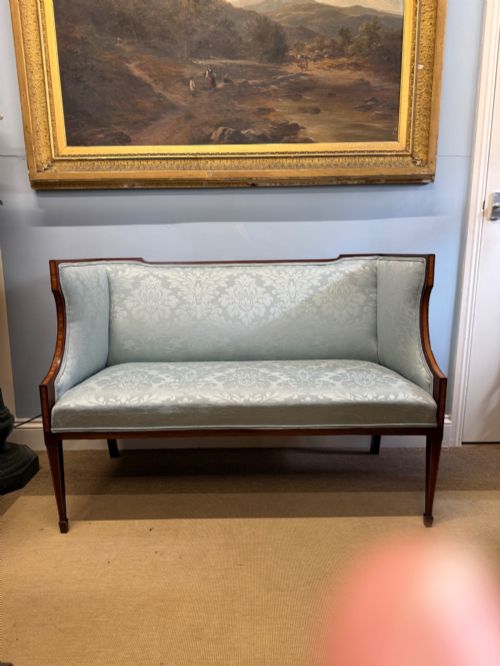
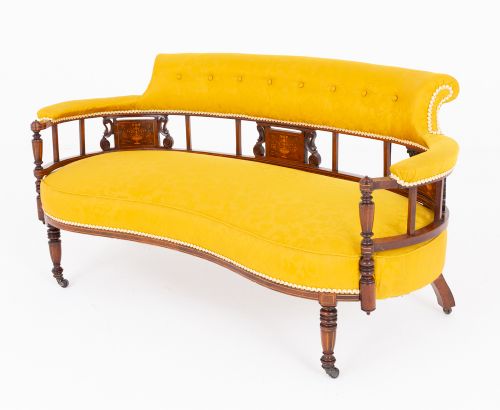
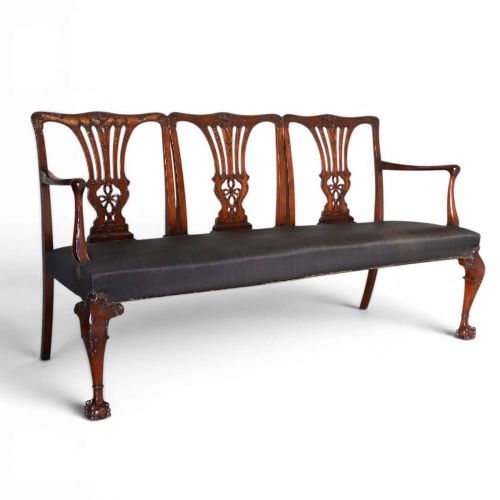
The selections on this page demonstrate the distinct influence of revival styles, drawing heavily upon Sheraton, Chippendale, and Queen Anne motifs alongside Art Nouveau flourishes. Mahogany forms the backbone of these offerings, frequently embellished with satinwood inlay and bone details.
Makers of this era also utilised walnut, beech, and painted finishes to achieve diverse decorative effects within formal and intimate interior settings alike.
Distinctions in quality
The caliber of an edwardian settee bench depends largely on the crispness of its carved ornamentation and the precision of its marquetry or inlay work. Superior examples display meticulously fitted veneers and harmonious proportions that reflect thoughtful design rather than hurried assembly.
Selection of primary timbers and secondary woods also dictates overall endurance, with dense mahogany and seasoned walnut providing greater structural integrity over decades of domestic use.
The listings span multiple periods including the Victorian and Edwardian eras, utilising primary materials such as mahogany, walnut, satinwood, and cane.
C. Hindley & Sons·Thonet
The Edwardian Settee Bench Glossary
- Satinwood inlay
- A decorative technique involving the insertion of contrasting blonde wood veneers into recesses cut into a darker primary timber. This method creates geometric borders or pictorial motifs.
- Canework
- A woven grid pattern constructed from peeled rattan or cane, frequently utilised for backrests and seat panels to impart visual lightness.
- Chippendale Revival
- A design movement drawing inspiration from eighteenth-century cabinet maker Thomas Chippendale, characterised by elaborately carved back splats and cabriole legs.
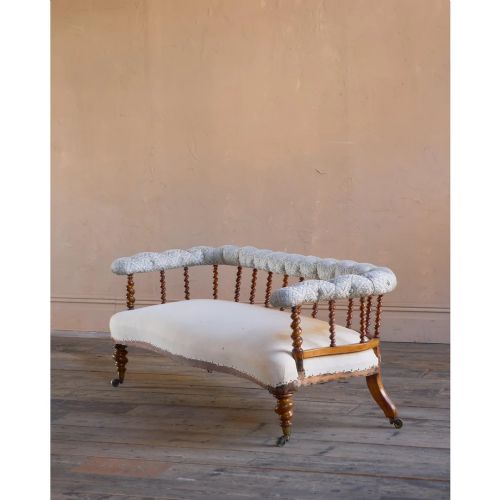
- Spindle back
- A chair or settee back constructed from a series of slender, turned wooden vertical rods that support the top rail.
- Bergere
- An enclosed armchair or sofa featuring upholstered armrests and woven cane sides or back panels.
Edwardian Settee Bench: Frequently Asked Questions
Where should I place an edwardian settee bench?
These pieces suit placement at the foot of a bed, beneath a large window, or arranged within a formal salon space.
Their compact proportions allow them to fit comfortably into hallways or smaller reception rooms without dominating the floor plan.
How do I care for inlaid wood surfaces?
Maintain satinwood and mahogany surfaces by applying quality beeswax polish sparingly and buffing with a soft cloth.
Keep wooden frames away from direct heat sources and strong sunlight to prevent timber shrinkage and veneer cracking.
What distinguishes Edwardian seating from Victorian pieces?
Edwardian furniture generally exhibits lighter proportions, brighter wood tones, and restrained ornamentation compared to darker, heavier Victorian predecessors.
Makers of the Edwardian period favoured Sheraton and neoclassical revival styles that emphasised airy elegance and delicate string inlay.
Can I use these benches for daily seating?
Original frames constructed from solid mahogany or walnut remain robust for regular domestic use when structurally sound.
Upholstered sections benefit from periodic assessment to ensure internal webbing and padding retain appropriate support.