



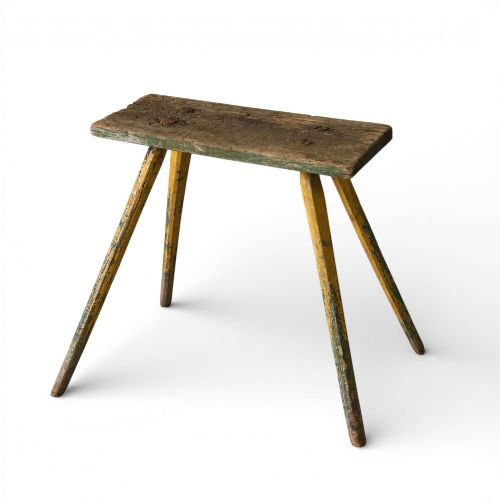
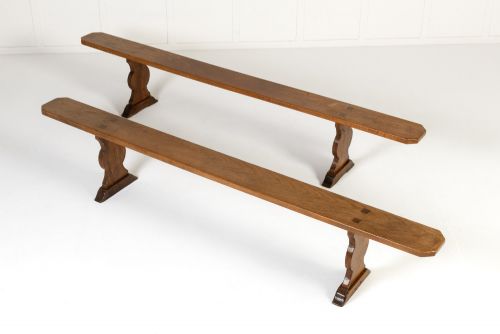
19th Century French Bench
When you search for a 19th century french bench, you uncover practical seating that brings authentic provincial character to domestic interiors.

19th Century French Bench
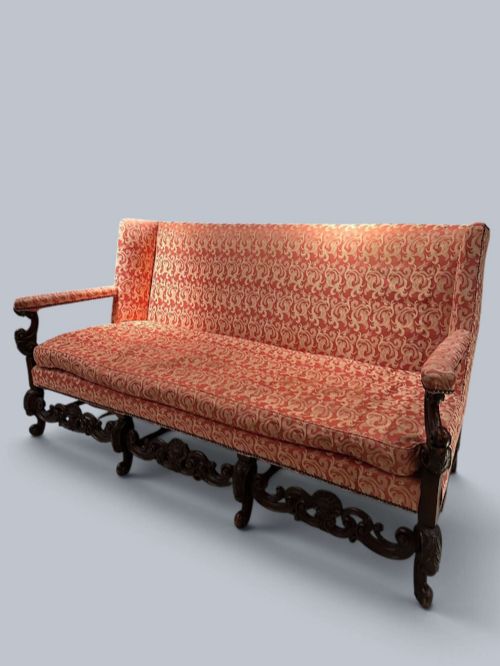
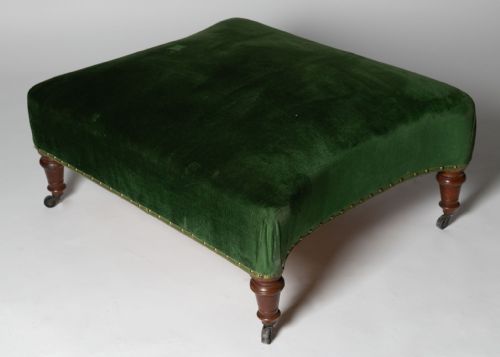
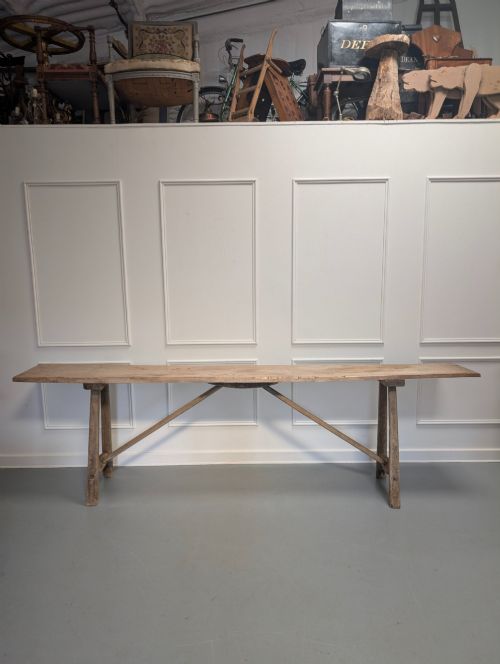
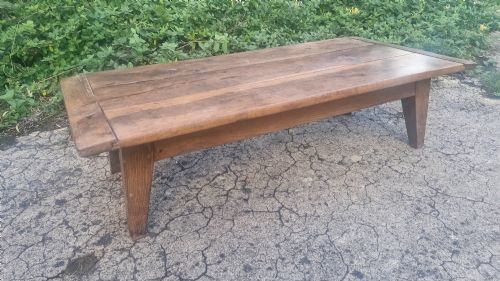
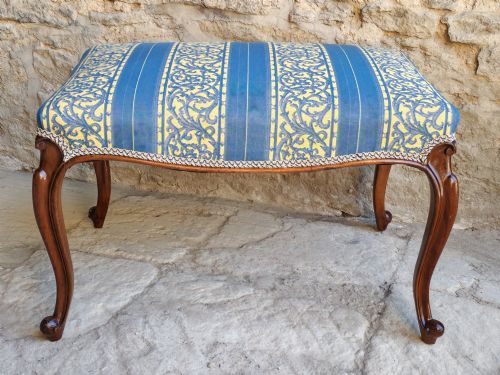
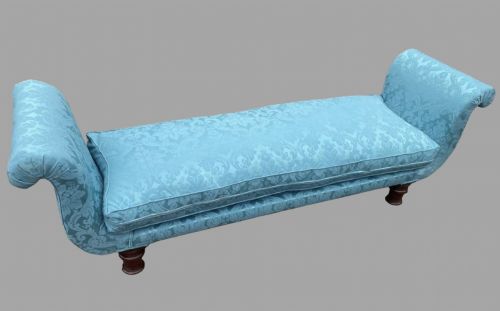
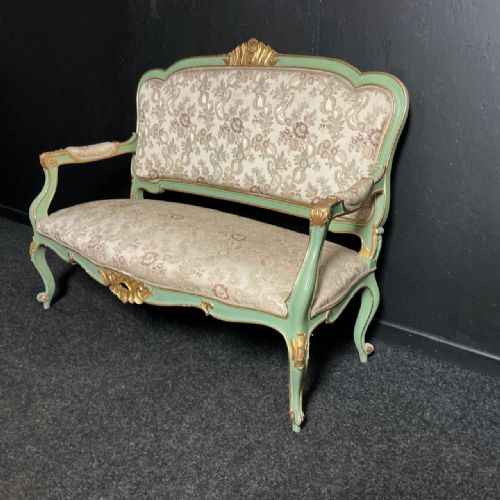
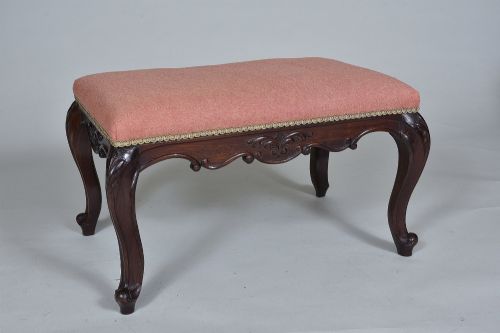
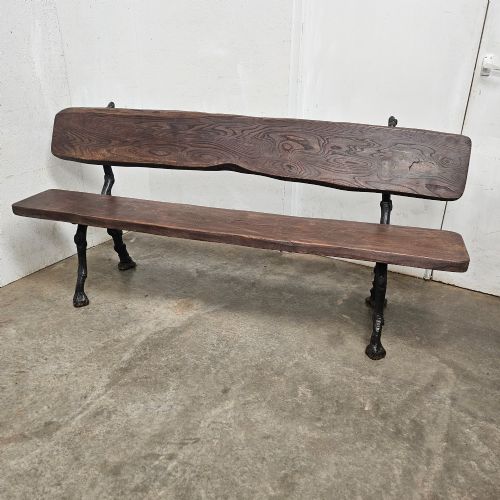
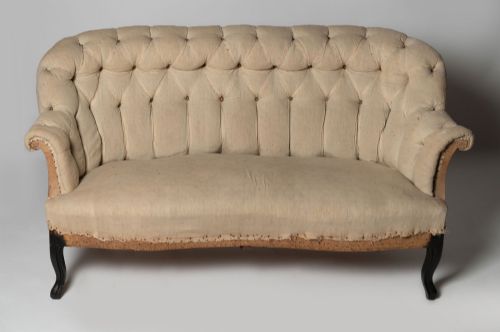
A 19th century french bench encompasses a wide variety of seating forms, ranging from simple rush-seated hall benches and rustic cherrywood country examples to grander walnut window seats and carved settees. Buyers selecting these pieces encounter both utilitarian fruitwood or elm workshop and dining designs alongside decorative salon seating influenced by revival styles.
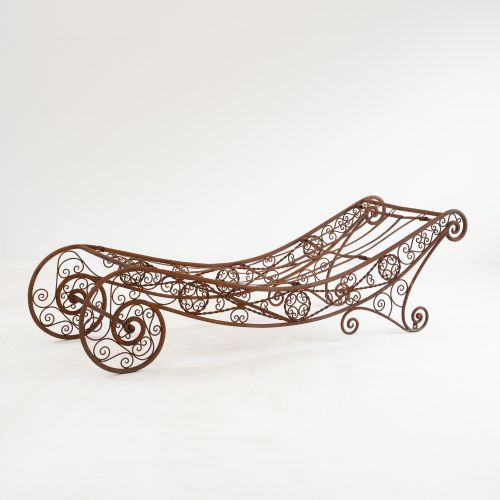
The inventory spans multiple distinct regional traditions, capturing everything from provincial Breton chestnut benches to garden seats constructed from faux bois, wrought iron, or Arras metalwork. Stools, daybeds, and banquettes frequently appear alongside traditional long benches, offering versatile seating options for hallways, bedrooms, and reception rooms.
Materials and Technique
Cabinetmakers and rural artisans utilised regional timbers such as walnut, cherrywood, chestnut, fruitwood, elm, and oak to construct these frames, frequently combining solid woods with woven rush seats or textile upholstery. Structural joinery relied on traditional pegging and mortise and tenon techniques, ensuring durability across daily domestic or workshop use.
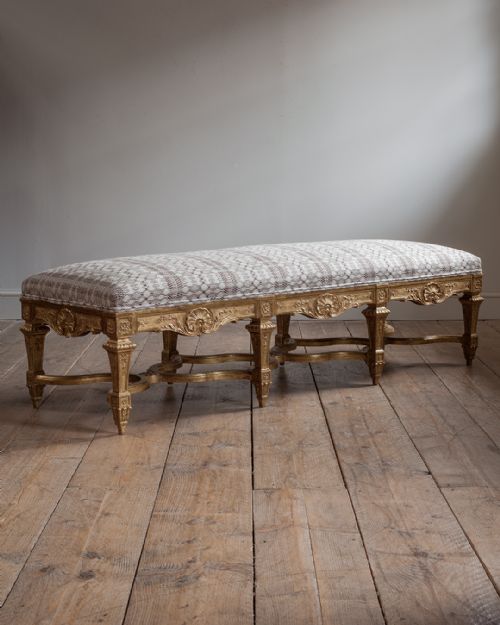
Decorative versions incorporate carved walnut, giltwood, parcel gilding, and painted finishes to emulate Louis XIV, Louis XVI, Rococo, and Empire aesthetics. Garden and outdoor variants demonstrate specialised metalworking and concrete moulding skills, producing durable strap iron, cast elements, and realistic faux bois concrete designs.
19th Century French Bench Retail Price Guide 2026
Typical asking prices for 19th century french bench among the pieces listed under this phrase on Sellingantiques today, from the lower quarter to the upper quarter. They describe what is for sale here now, not the wider market.
Listings feature durable outdoor designs alongside indoor seating, recording garden pieces made from wrought iron, strap iron, and faux bois.
Assessing Quality
Quality in these seating pieces rests upon the integrity of the timber selection, the crispness of hand-carved details, and the preservation of original surface treatments such as historic paint, gilding, or patinated polish. Superior examples display balanced proportions, robust structural framing, and honest wear that reflects genuine period use rather than later modification.
The refinement of joinery and the complexity of the design - ranging from vernacular country seating to sophisticated revival salon pieces - distinguish standard utilitarian items from exceptional decorative commissions. Consistency in matching pairs and the retention of original rush seating or period upholstery add notable distinction to the better examples.
The 19th Century French Bench Glossary
- Banquette
- An upholstered bench or long seat, often featuring padded arms or backrests suitable for formal reception spaces.
- Faux bois
- A technique where concrete, metal, or timber is painted and shaped to convincingly imitate natural wood grain or tree branches.
- Rush seat
- A traditional seating surface woven from dried marsh grasses, commonly found on provincial and country hall benches.
- Os De Mouton
- A distinctive curved, scroll-like furniture leg shape resembling sheep bone, seen on decorative seating from earlier revival periods.
- Lit Bateau
- A boat bed or daybed characterised by high, curving head and footboards of equal or near-equal height.
19th Century French Bench: Frequently Asked Questions
Where should I place a hall bench?
These narrow wooden seats suit entrance hallways, narrow corridors, and boot rooms where practical surface space and shoe-changing provisions are required.
Their shallow depth allows them to fit flush against walls without obstructing thoroughfares in domestic interiors.
How do I care for rush seating?
Rush seats benefit from gentle dry dusting and occasional protection from excessive moisture to prevent the natural fibres from becoming brittle.
Keeping them away from direct heat sources helps maintain the flexibility and strength of the woven marsh grass over time.
How do I identify provincial styles?
Provincial pieces display simpler turned or carved wooden frames, utilising regional timbers like chestnut, cherrywood, and elm rather than expensive imported mahogany.
They prioritise robust domestic utility and local craftsmanship over the elaborate court aesthetics seen in metropolitan revival furniture.