




Antique Banquette Bench
An antique banquette bench brings long, linear seating into a hallway or dining room, offering both practical utility and period character.

Antique Banquette Bench
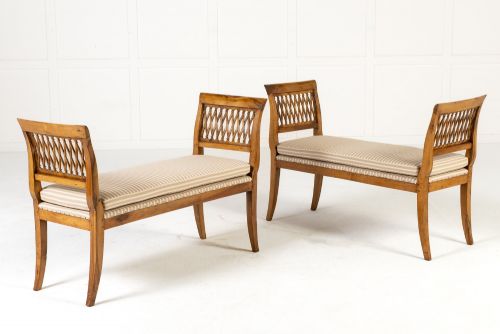
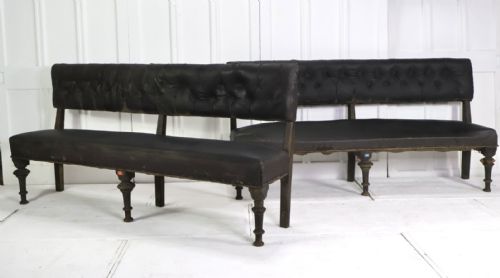
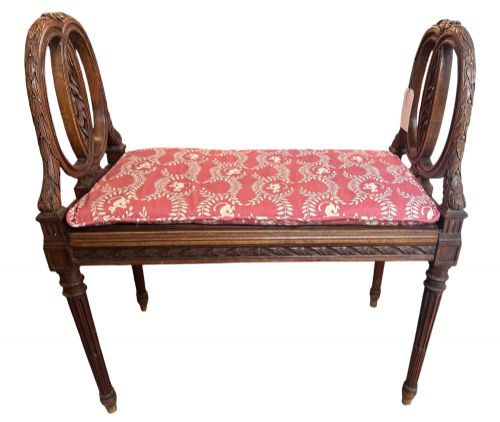
An antique banquette bench spans several centuries of seating forms, taking shapes such as window seats, hall benches, corner sofas, and long dining benches. These pieces originate from various regions including France, Spain, Ireland, Austria, and Sweden.
Dated examples stretch from the 18th century through the Victorian era into the early 20th century, including Belle Epoque pieces. Buyers encounter both wooden forms and upholstered variations designed for extended sitting.
How they were made
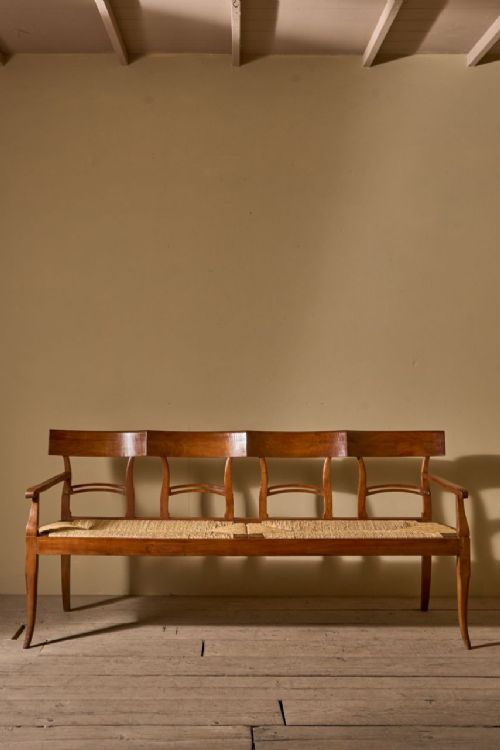
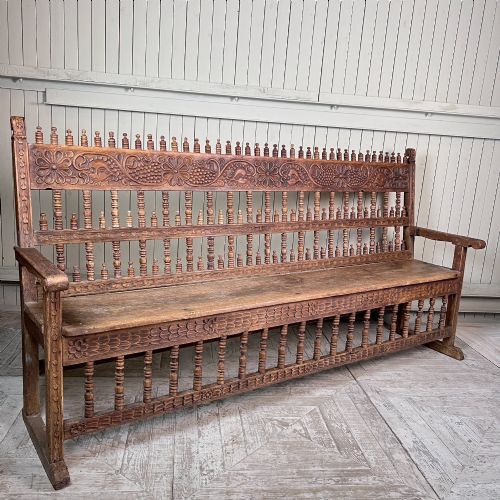
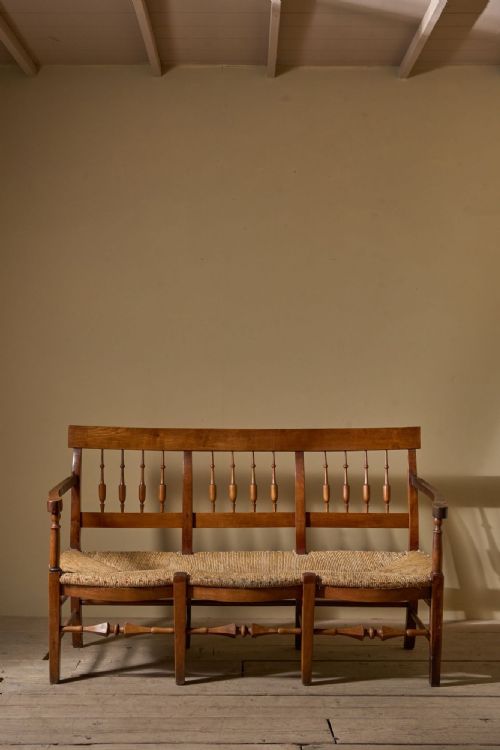
Makers utilised solid timbers including walnut, cherrywood, oak, beech, pine, and hardwood for the structural frames. Carved details and turned elements appear alongside plain painted surfaces.
Surfaces received various treatments, from hand-painted folk art finishes and giltwood to pale bleached oak. Seats incorporate woven rush, cane panels, or padded upholstery.
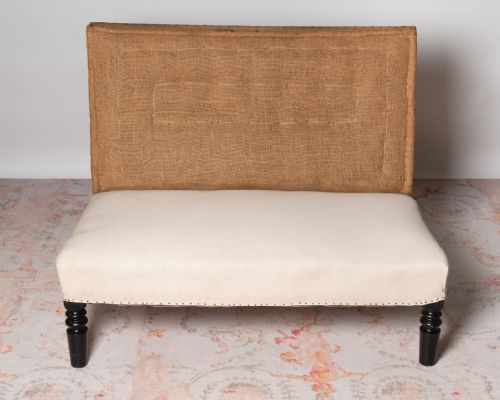
Upholstery materials include linen, leather, and velvet trim, sometimes paired with designer textiles such as fabric by Emma Grant. Frames range from simple joined pine to elaborate carved walnut and gilt frames.
Listings feature walnut, giltwood, cane, and paint across 18th-century, Victorian, and early 20th-century periods.
What varies in quality
The refinement of the carving and the integrity of the wooden frame distinguish different grades of these benches. Crisp hand-carving on walnut or beech sits above simpler joined construction in pine.
The condition of original surfaces, such as early paintwork, gilding, or patinated wood, dictates the character of the piece. Re-upholstery or retained original textiles also influence how closely a bench matches its period.
The Antique Banquette Bench Glossary
- Banquette
- A long upholstered seat or bench, frequently placed against a wall or used in dining spaces. It provides extended seating compared to a standard chair.
- Window seat
- A narrow bench designed to fit the width of a window recess. These typically feature low arms and upholstered or caned tops.
- Settle
- A wooden bench with a high back designed to block draughts, often incorporating enclosed storage beneath the seat. They are traditional pieces found in European hallways and kitchens.
- Rush
- Dried marsh grass woven tightly to create a durable, textured seat surface. It is commonly found on country hall benches and simpler regional seating.
- Giltwood
- Timber coated with a thin layer of gold leaf or gold paint. This technique appears on decorative salon furniture and Louis XVI style window seats.
Antique Banquette Bench: Frequently Asked Questions
Where should I put a banquette bench?
These benches fit well along a hallway wall, beneath a window, or paired with a dining table for long seating arrangements. Their narrow footprint allows them to occupy transitional spaces without blocking movement.
Larger corner sofas and long dining benches suit open-plan living areas or spacious kitchens. Window seats naturally complement living room bays or bedroom windows.
How do I identify a French banquette?
French examples often display regional styling such as Louis XVI carved details, painted finishes, or giltwood frames. Forms range from gilded window sofas to cane and beech settees.
Look for structural cues like walnut or cherrywood frames, combined with upholstery or rush seating typical of French provincial and Belle Epoque periods.
Can I use an antique bench for dining?
Long dining benches and painted farmhouse benches were historically used around dining tables. Their extended length accommodates multiple diners comfortably.
When selecting a bench for dining, check the seat height against your table clearance to ensure a comfortable dining posture.