


Brown Wooden Framed Prints
Brown wooden framed prints combine historic imagery and cartography within warm timber surrounds, bringing rich period character to any wall.
Brown Wooden Framed Prints
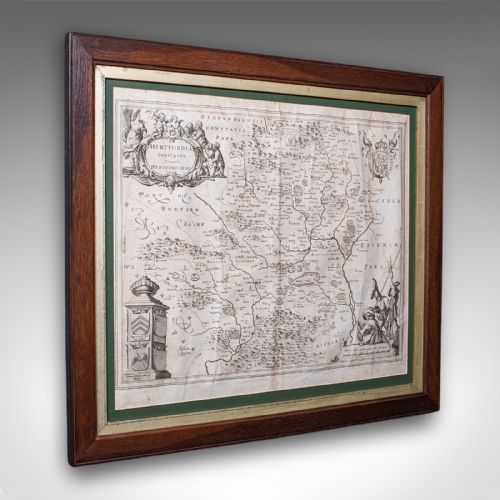
Brown wooden framed prints encompass a diverse selection of wall art, framed maps, drawings, and photographs enclosed within timber boundaries. When exploring brown wooden framed prints, buyers encounter works spanning the seventeenth century through to the mid-twentieth century.
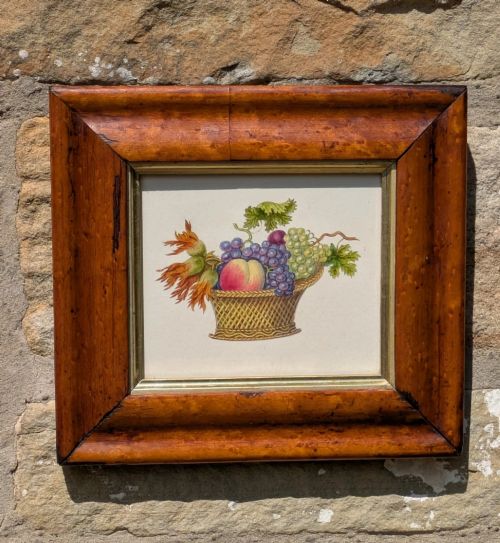
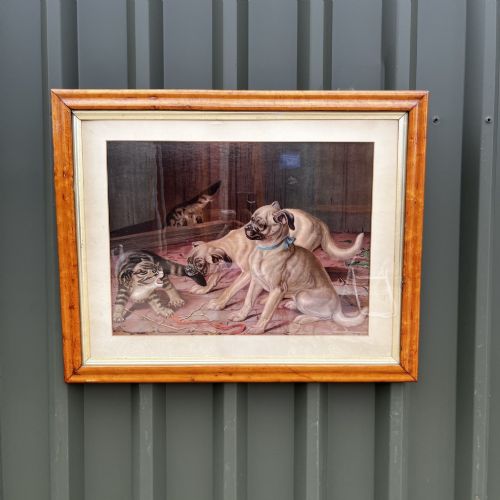
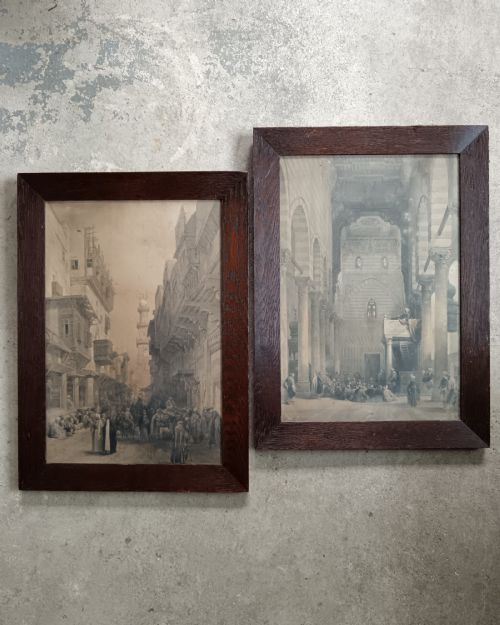
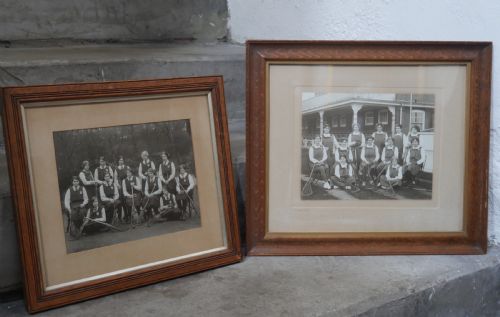
The offerings include nineteenth-century chromolithographs, Victorian prints, Edwardian selections, and Regency watercolours. These pieces showcase subjects ranging from botanical studies and county maps to sporting scenes and portraits.
Framed wall art in this category relies on the warmth of wood to anchor the paper works, watercolours, and engravings within a domestic interior. Oak, maple veneer, and gilt wood frequently form the structural housings for these historic paper goods.
Materials and construction methods
The construction of these pieces relies heavily on timber frames housing paper works behind glass. Oak and maple veneer provide the durable wooden structures that protect the delicate paper contents.
Works on paper utilise varied graphic techniques including lithography, chromolithography, engraving, mezzotint, watercolour, gouache, and pen ink wash. These mediums are sealed within glass and wood to preserve the paper from atmospheric damage.
Periods represented span from the seventeenth century to mid-century modern designs.
Distinctions in quality and execution
Quality separates standard mass-produced imagery from original hand-coloured engravings, detailed watercolours, and signed works by noted artists. The preservation of the paper beneath the glass heavily dictates the overall standard of the piece.
The sophistication of the timber moulding, whether simple oak or intricate carved gilt wood, influences the visual weight and finish of the object. Original period framing maintains greater integrity compared to later replacements.
Blaeu·Robert Morden·David Roberts·Louis Haghe·John Rattenbury Skeaping·Charles Burton Barber·Archibald Thorburn
The Brown Wooden Framed Prints Glossary
- Chromolithography
- A planographic printing process that uses multiple lithographic stones to produce coloured images. This technique allowed nineteenth-century publishers to replicate paintings and illustrations with rich hues.
- Engraving
- A printmaking method where an artist cuts lines directly into a metal plate with a burin. The resulting incisions hold ink to transfer fine, precise details onto paper.
- Mezzotint
- A tonal printmaking process on copper where the surface is roughened to achieve deep blacks and subtle gradations of light. This method creates soft transitions rather than hard lines.
- Cartography
- The practice and study of making maps. Antique examples often feature hand-coloured borders and topographical details of counties and regions.
Brown Wooden Framed Prints: Frequently Asked Questions
How do I care for antique framed paper?
Keep framed paper art away from direct sunlight to prevent the fading of watercolours, lithographs, and inks. Maintaining stable indoor humidity prevents the paper from buckling inside the wooden frame.
Ensure the glass is cleaned with gentle, non-ammonia solutions applied to a cloth rather than sprayed directly at the wooden edge. This protects both the historic timber and the paper within.
Are these frames original to the pieces?
Many items retain their period wooden surrounds, while others feature later or restored mountings. Examining the backboards, fixings, and timber ageing helps determine whether the frame dates to the same era as the artwork.
Original frames often show minor wear consistent with age, which adds to the historic authenticity of the overall piece. Replacement frames are chosen to complement the period style of the enclosed print.
What subjects are most common?
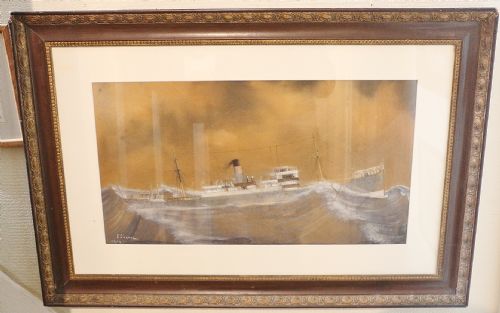
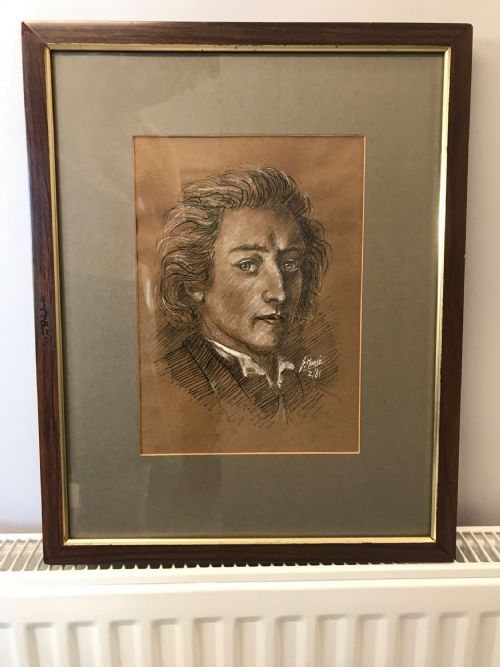
The selection encompasses botanical studies, sporting scenes, topographical county maps, and maritime subjects. Portraiture and military reviews also feature prominently across the Victorian and Edwardian eras.
Each subject reflects the prevailing visual interests of its specific period, from scientific recording to commemorative events. This variety allows collectors to focus on particular historical themes.
How do I date a framed print?
Dating relies on the printing technique, paper characteristics, and the style of the wooden frame. Evidence such as artist signatures, publication dates, and inscriptions often provides a clear timeframe.
Cartography pieces frequently carry cartouches with publication years, while nineteenth-century chromolithographs utilise specific chemical printing markers. Comparing these details against known historical timelines confirms the period.