
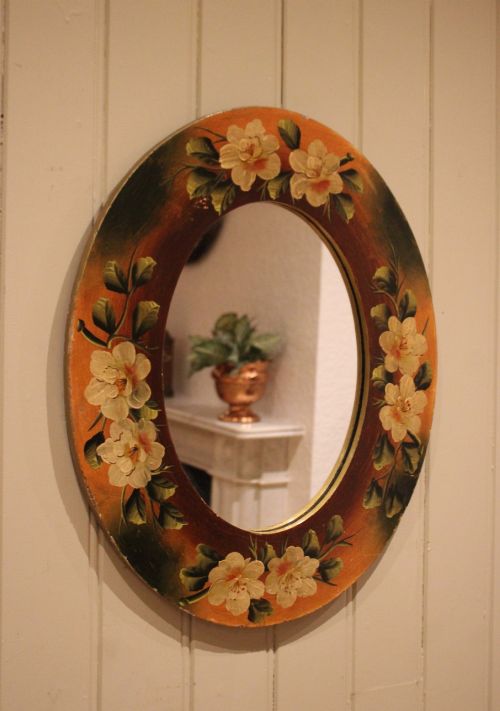
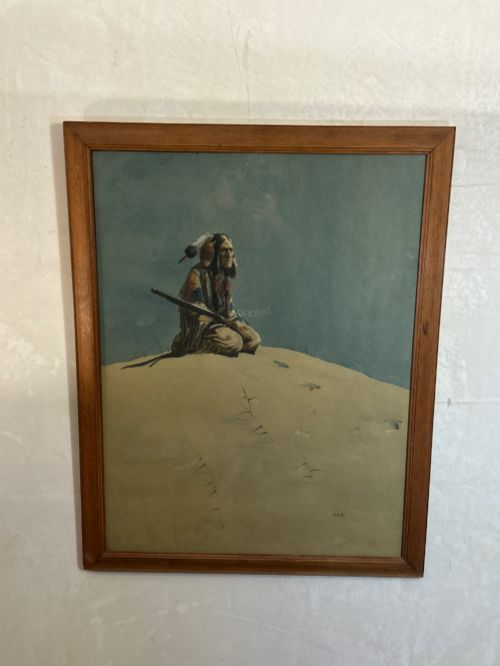
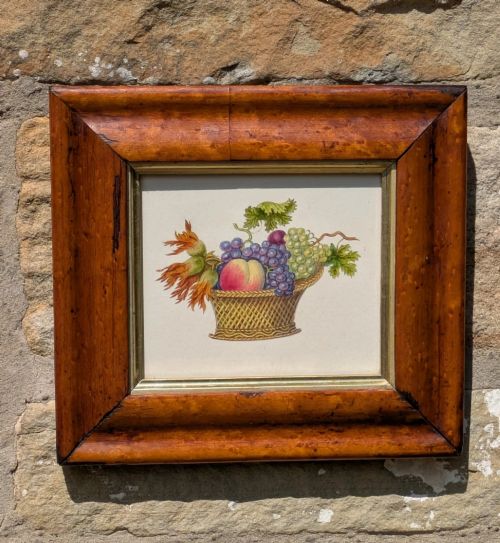
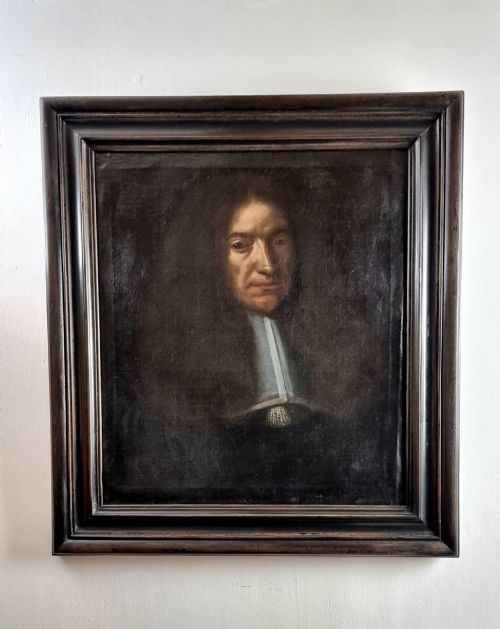
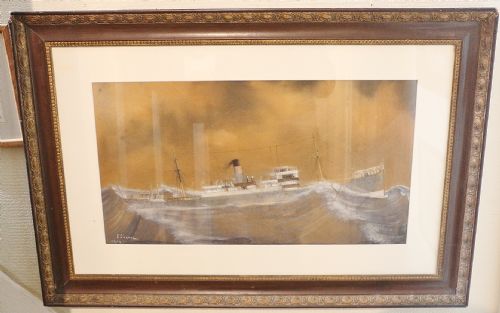
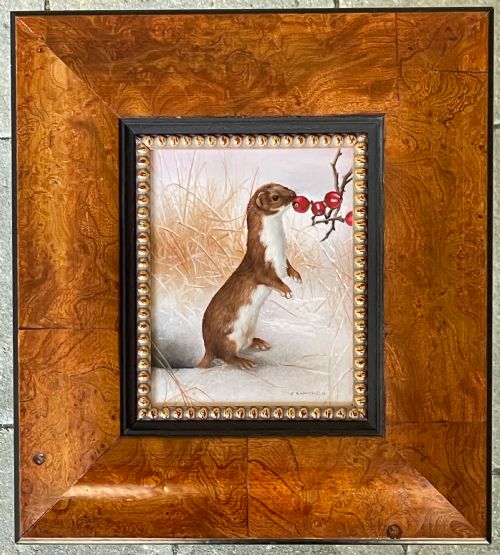
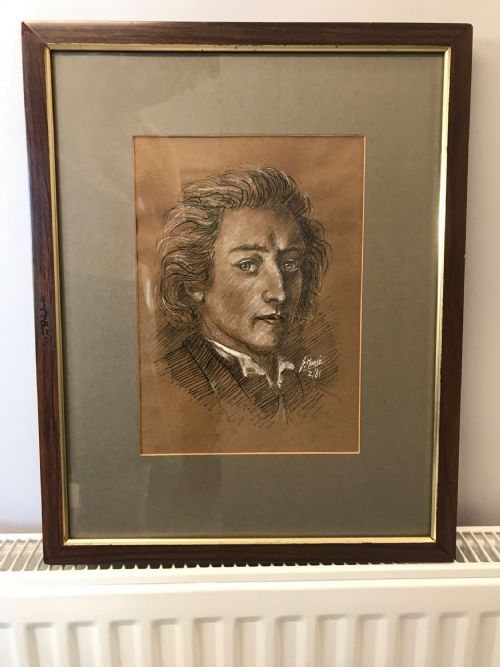
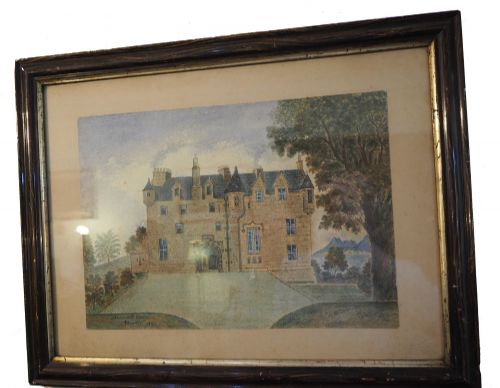
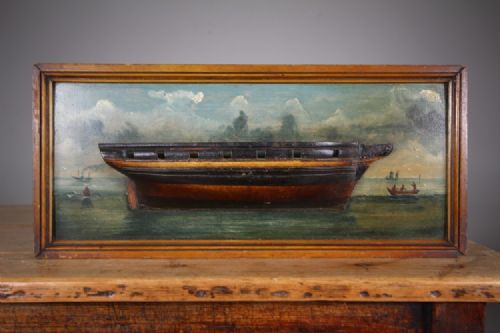
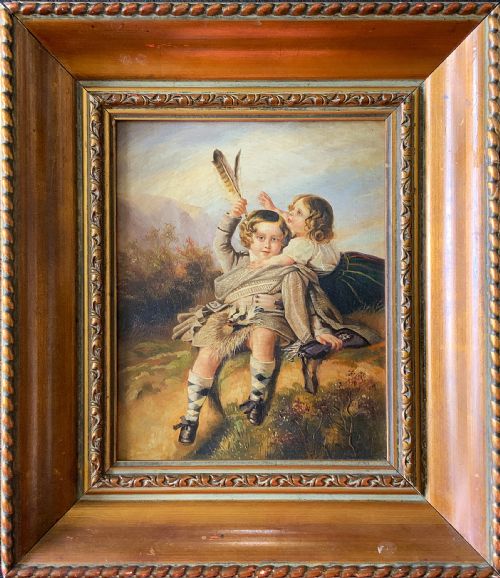


Brown Wooden Framed Painting
These brown wooden framed painting examples bring together centuries of oils, watercolours, and gouache held within timber surrounds.
Brown Wooden Framed Painting
A brown wooden framed painting centres on artworks executed in oil, watercolour, or gouache on canvas, paper, or panel, enclosed within timber borders. The selection spans the nineteenth century up to the mid twentieth century, encompassing portraits, landscapes, and maritime scenes.
The objects frequently encountered on this page include Victorian and Edwardian watercolours alongside nineteenth-century oil paintings, often secured behind protective glass within moulded wooden surrounds.
Materials and construction
Artworks utilise traditional media such as oil paint on canvas or panel, and watercolour or gouache applied to paper. Support structures incorporate wood for both the stretcher frames and the external timber mouldings, frequently paired with glass.
Makers constructed the external frames from various woods, sometimes applying gilt highlights, painted panels, or carved details to complement the visual tone of the artwork contained within.
Brown Wooden Framed Painting Retail Price Guide 2026
Typical asking prices for brown wooden framed painting among the pieces listed under this phrase on Sellingantiques today, from the lower quarter to the upper quarter. They describe what is for sale here now, not the wider market.
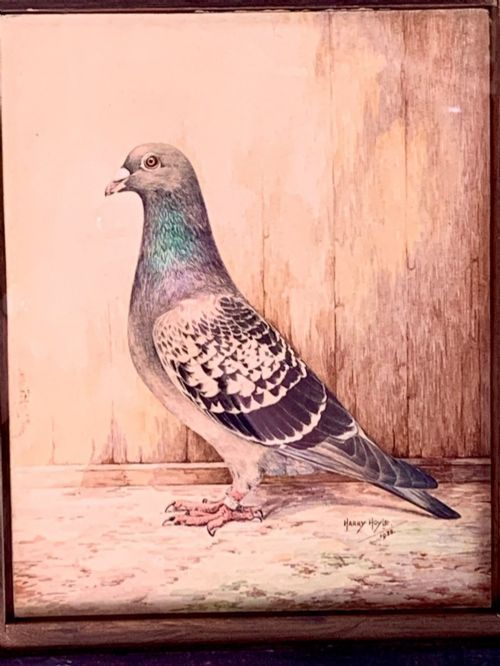
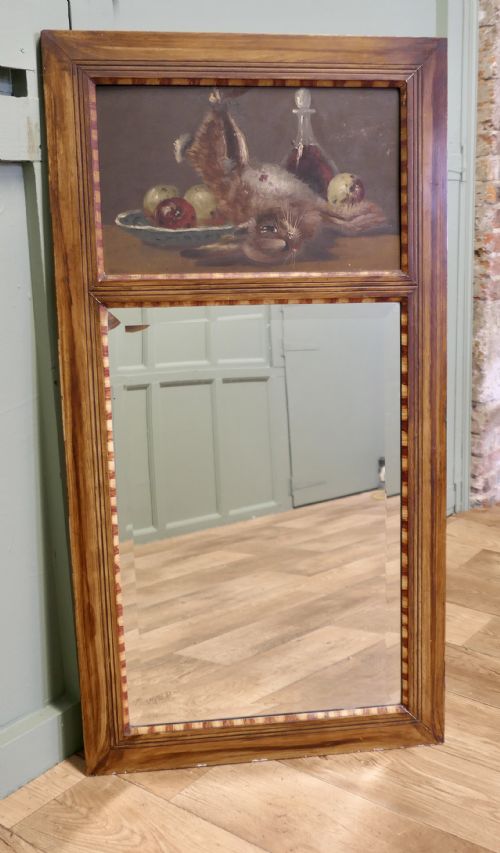
Pigeons, weasels, and bucking broncos all share wall space with French judges and royal princes.
Distinctions in quality
Quality rests upon the skill evident in the brushwork, the accuracy of proportion in figurative subjects, and the handling of light and perspective within landscapes or portraits. Stronger examples display confident draughtsmanship and compositional depth.
The condition and period integrity of the wooden frame contribute substantially to the piece, where original patination and craftsmanship match the age of the artwork it encloses.
John Hassall·Carl Whitfield·John Rattenbury Skeaping·Gustave De Bréanski·George E Sharpe·Henri Joseph Pauwels·Evaristo Cappelli·Edwin Hughes·George Weatherill
The Brown Wooden Framed Painting Glossary
- Oil paint
- A slow-drying medium consisting of pigments suspended in a drying oil, typically linseed. This allowed artists to achieve rich colour saturation and subtle tonal gradations.
- Watercolour
- A painting method in which the paints are made of pigments suspended in a water-soluble vehicle. Works on paper demand precise brush control due to the translucent nature of the wash.
- Gouache
- An opaque water-based paint that includes a binding agent, producing a denser finish than standard watercolour. It appears frequently in miniature portraits and Mughal school works.
- Canvas
- A heavy woven fabric used as a surface for oil painting, typically stretched across a wooden frame. It provides a flexible yet durable support for the pigment layers.
- Trumeau
- A decorative wall mirror or panel featuring painted or carved ornamentation, originating in French interiors. These architectural elements often incorporate wood and glass.
Brown Wooden Framed Painting: Frequently Asked Questions
How do I date a wooden frame?
Dating relies on observing timber types, corner joinery methods, and the style of any applied mouldings or gilding. Earlier frames often show hand-cut joinery and denser grain patterns.
Comparing the construction techniques of the frame with the period of the artwork helps determine whether they have remained together since their creation.
Are oil paintings on canvas or panel better?
Neither support is inherently superior, as both canvas and wood panels served distinct purposes across different artistic traditions. Panels offer a rigid surface that resists punctures, while canvas accommodates larger compositions.
Condition and stability matter more than the choice of support when assessing a historical painting.
How should I hang a framed painting safely?
Secure hanging requires appropriate picture wire or brass D-rings screwed firmly into the structural timber of the frame rather than the backing board. Wall fixings should match the weight of the piece and the wall type.
Positioning the artwork away from direct sunlight and damp environments preserves both the timber frame and the painted surface.
What is the difference between watercolour and oil?
Watercolour employs water-soluble pigments on paper under glass, resulting in a lighter, luminous appearance. Oil paint utilises oil binders on canvas or panel, yielding heavier textures and deeper tones.
Watercolours generally require glass protection, whereas oil paintings on canvas remain exposed to the air.