
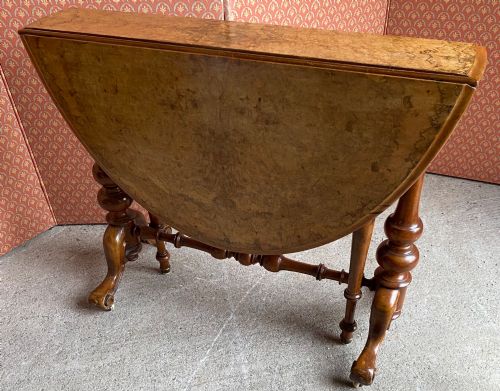
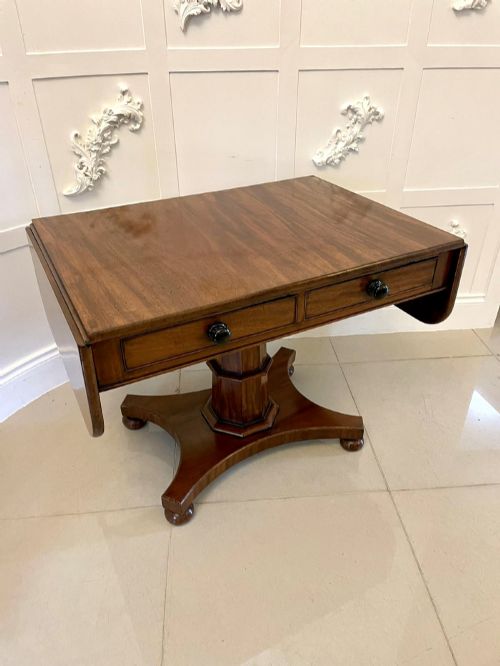
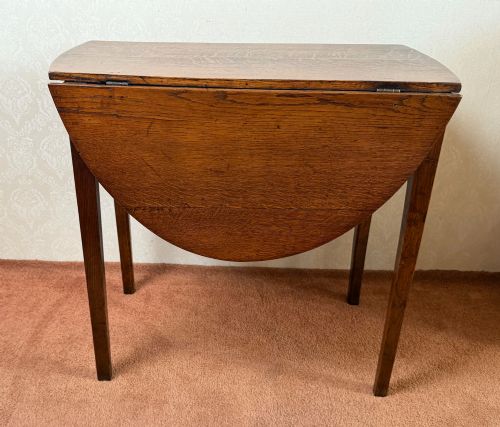
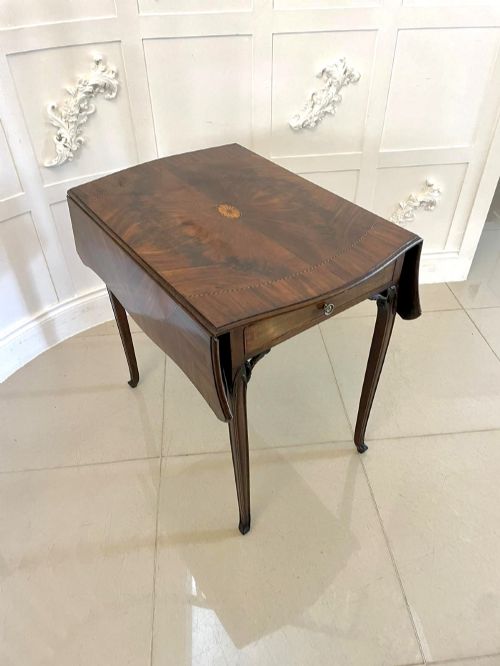


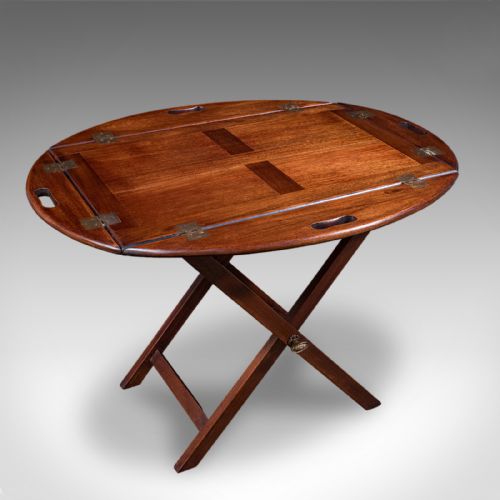
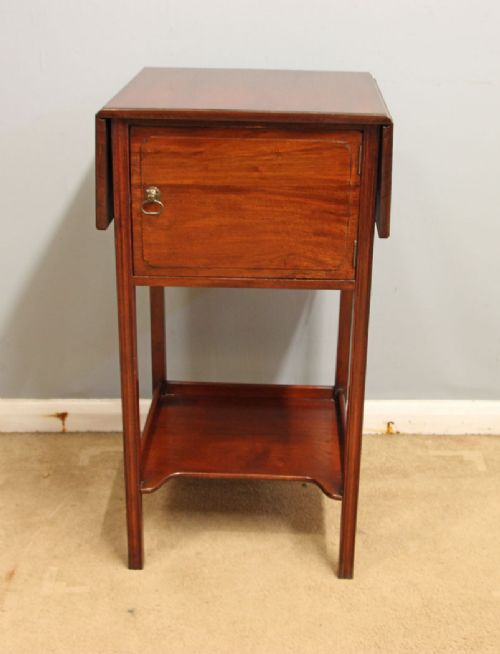
Brown Wooden Drop Table
These brown wooden drop table selections provide adaptable surfaces across Georgian, Victorian, and Edwardian periods.
Brown Wooden Drop Table
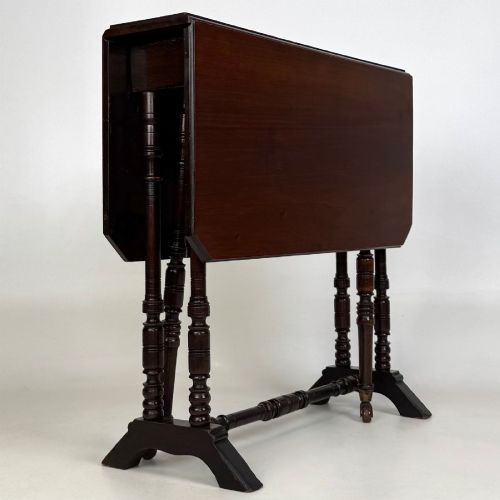
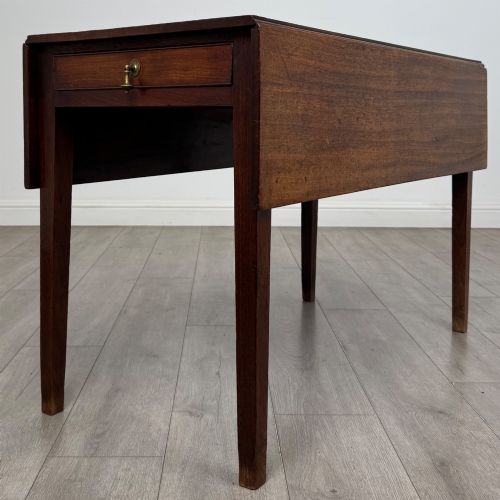
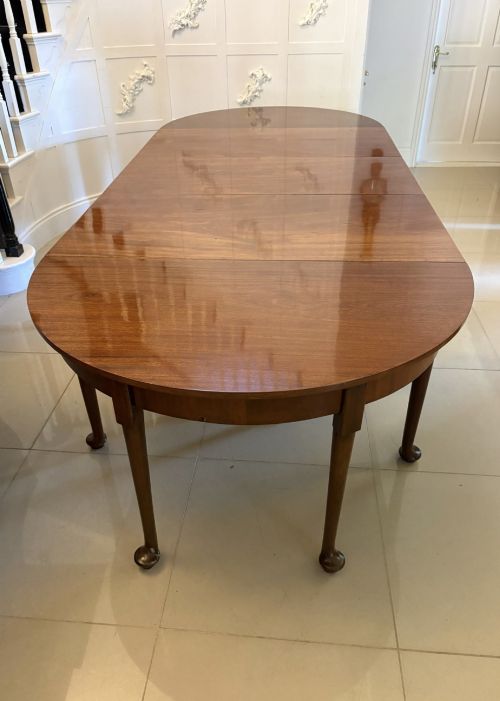
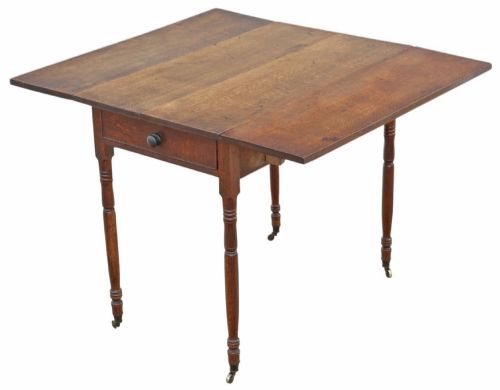
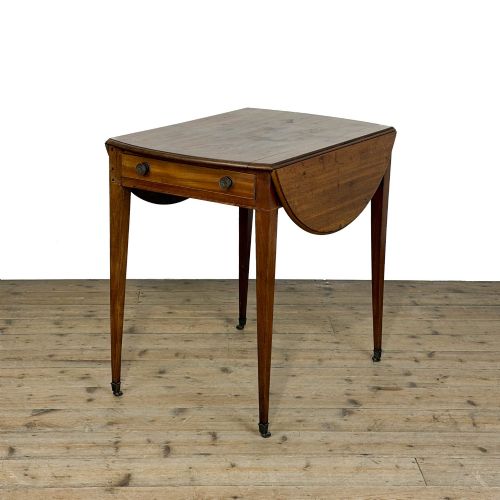
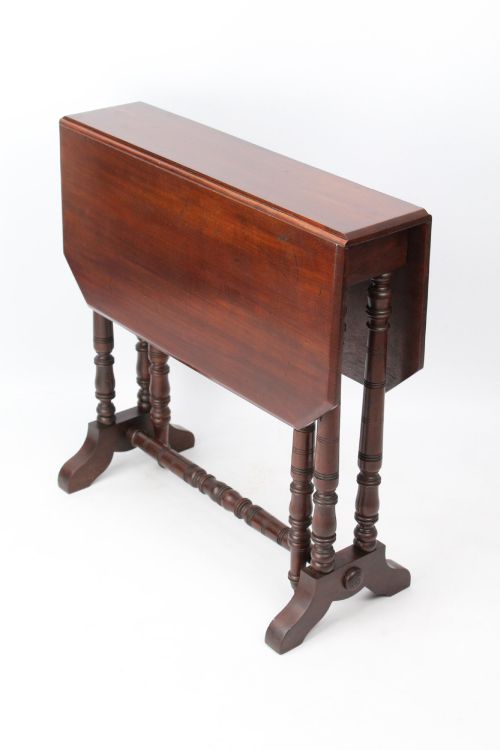
A brown wooden drop table offers folding leaves to save space when not in full use, appearing frequently as Pembroke, gateleg, and sofa variants across the listings.
The pieces span the 18th, 19th, and early 20th centuries, covering periods from George III and Regency through to Edwardian production.
Makers utilised various formats including dining, side, occasional, bedside, and lamp tables designed for domestic versatility.
How they were made
Cabinet makers built these pieces primarily using dense timbers such as mahogany, oak, walnut, rosewood, fruitwood, and satinwood.
Metal elements like brass hinges, handles, and castors support the folding flaps and movable sections of the tables.
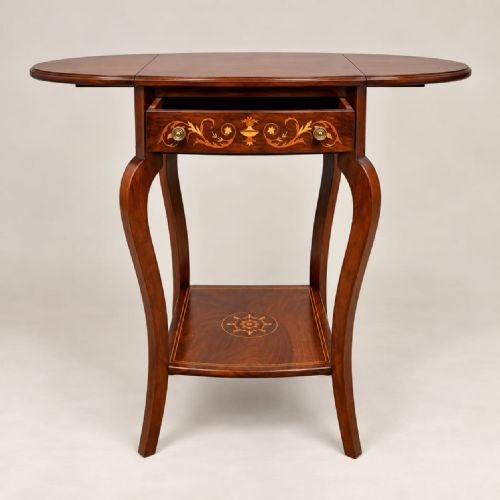
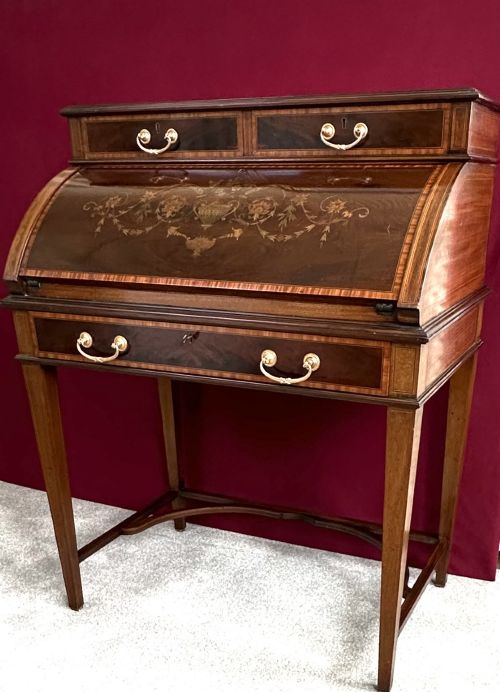
Inlay work and figured grain patterns add surface detail to many examples from the Georgian and Edwardian eras.
Listings span the 18th Century through to the 1920s, showcasing dining, side, Pembroke, and occasional formats in mahogany, oak, and walnut.
What varies in quality
Selection of timber grain, such as flame mahogany or burr walnut, separates standard examples from finely figured pieces.
The integrity of original hinges, drawer construction, and patination on older oak and walnut surfaces define the standard of execution.
The Brown Wooden Drop Table Glossary
- Pembroke table
- A small rectangular table with two hinged flaps dropping from the sides, often containing one or more drawers.
- Gateleg table
- A table with hinged leaves supported by legs that swing out like a gate.
- Sofa table
- A rectangular occasional table traditionally placed in front of a sofa, featuring drop leaves and often twin pedestal supports.
- Patina
- The surface sheen and mellowing developed by wood over long periods of use and care.
- Inlay
- Pieces of contrasting timber or decorative material fitted into the surface to form a design.
Brown Wooden Drop Table: Frequently Asked Questions
How do I use a drop leaf table daily?
Drop leaf tables adapt to small rooms by keeping the flaps down against the base until extra surface area is required for dining or writing.
Raising the leaves engages the wooden or metal supports beneath, creating a stable platform for everyday household tasks.
Which wood types appear most frequently?
Mahogany forms the majority of the examples, appearing across Georgian, Regency, and Victorian styles with rich reddish-brown tones.
Oak and walnut also feature prominently, particularly in earlier 18th-century gateleg designs and later Victorian occasional pieces.
How do I date an antique wooden table?
Dating relies on identifying stylistic markers, construction methods, and timber choices associated with specific periods like the Georgian or Edwardian eras.
Examining the drawer joints, hinges, and the natural ageing of the wood provides further clues to the manufacturing decade.