
Extendable Table
An extendable table provides the surface needed for large gatherings while remaining compact for daily use through clever mechanisms and extra leaves.
Extendable Table
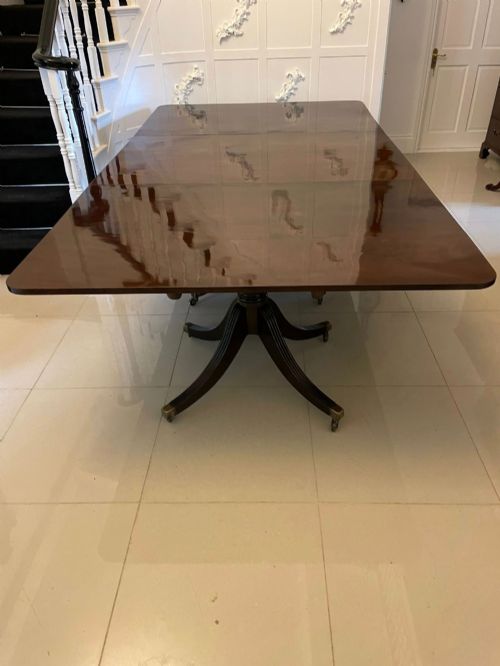
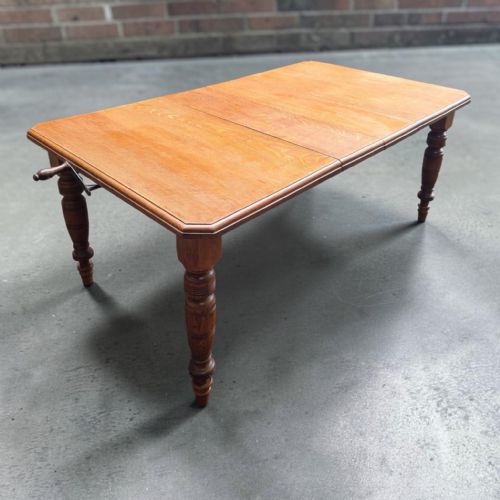
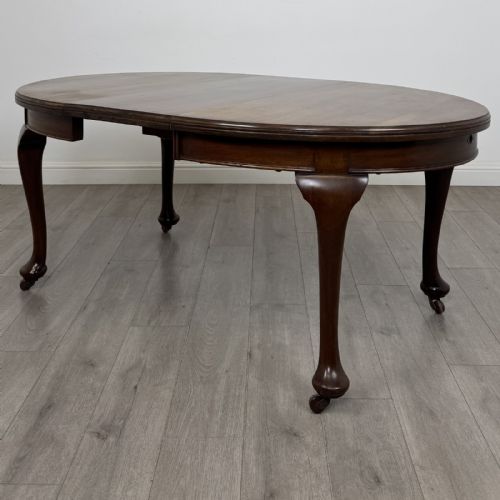
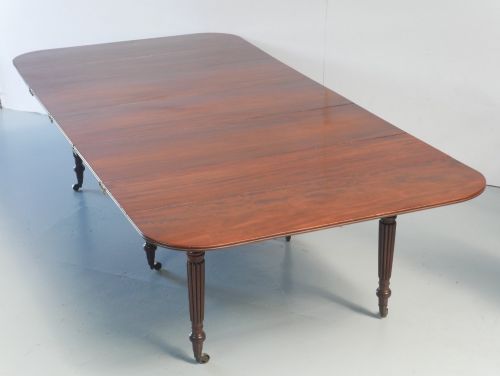
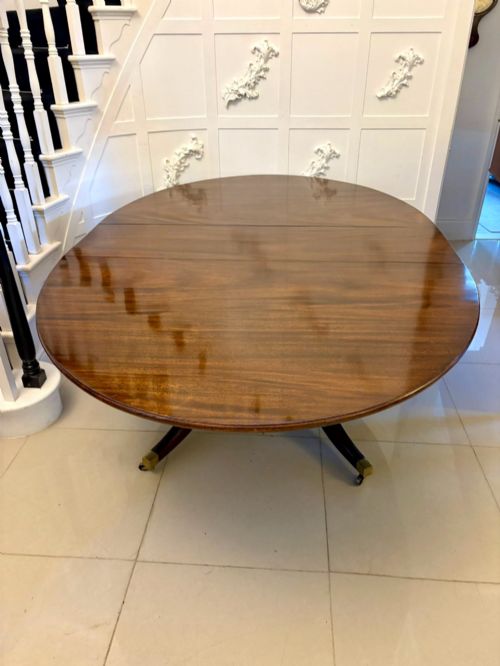
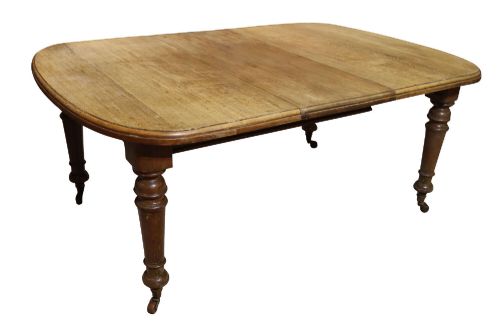
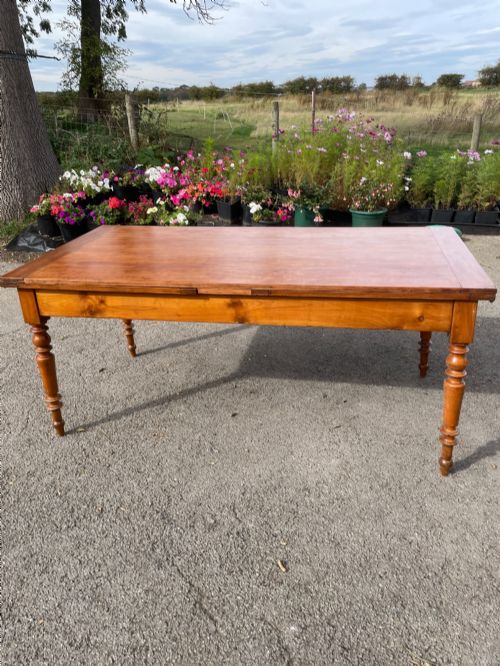
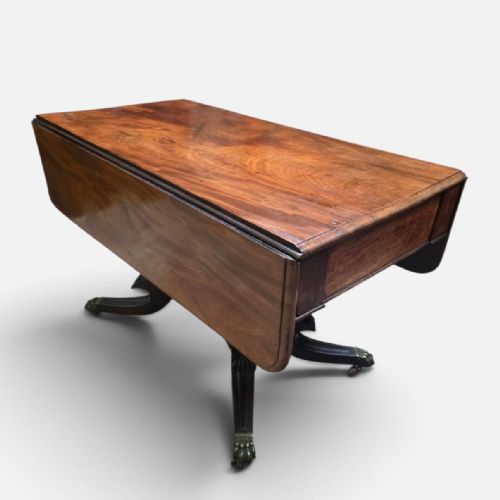
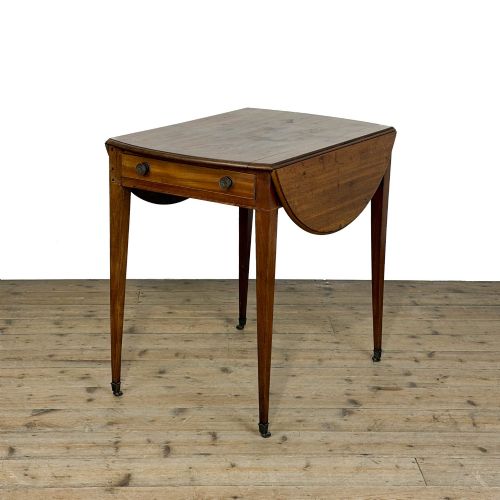
An extendable table handles family dinners and large banquets by pulling apart to accept additional leaves or employing drop leaves and draw leaves. When you search for an extendable table, you encounter pieces spanning the Georgian, Regency, Victorian and Edwardian periods, constructed in timber.
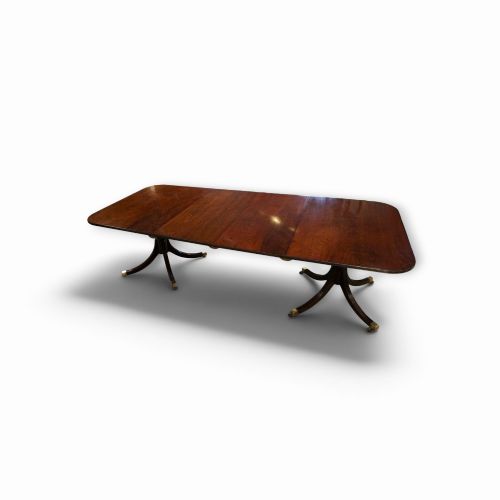
Mahogany predominates, often figured, flame or burr, alongside oak, walnut and cherrywood. Formats range from twin-pillar and multi-pedestal pedestal dining tables to D-end tables and refectory styles.
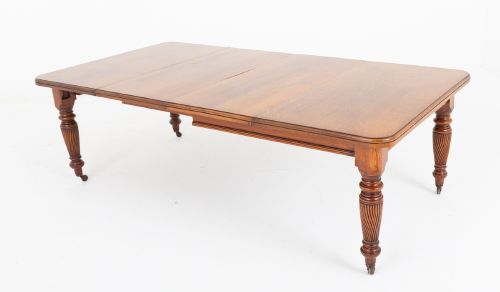
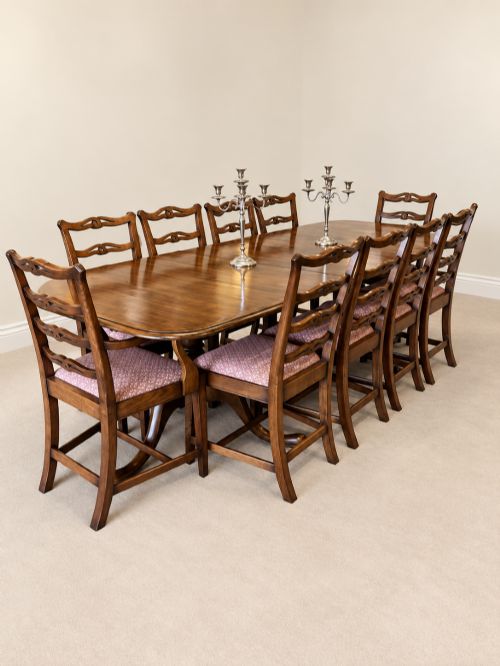
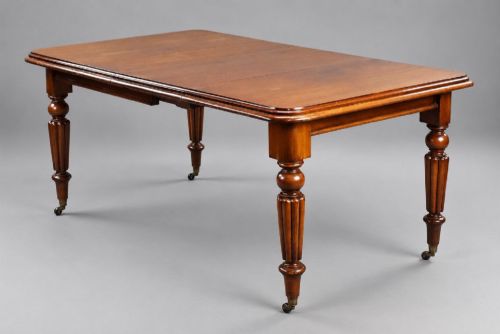
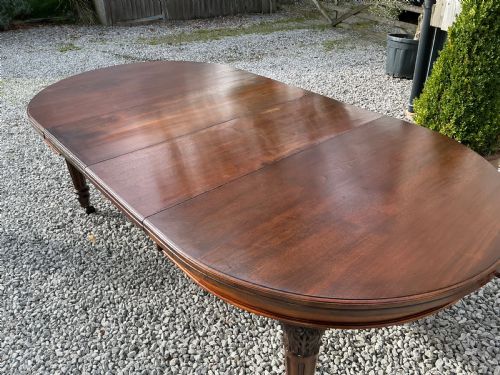
The version met most frequently on this page is the nineteenth-century mahogany dining table fitted with extension leaves, designed for seating ten to twelve people or more.
Craftsmanship and Proportion
Quality rests in the selection of timber, the matching of grain across added leaves and the structural integrity of the extending mechanism. Superior examples maintain smooth movement in the runners and precise alignment when fully extended.
Hand-finished details, solid brass hardware and robust pillar or leg construction separate standard production items from workshop pieces bearing refined carving and cabinet work.
Listings feature timbers including mahogany, burr walnut, oak and cherrywood across periods from the seventeenth century through to the Art Deco era.
Wylie and Lochead·Maple and Co·William and Gibton·Robert Adam
The Extendable Table Glossary
- Extension Leaf
- A removable board inserted into the centre of a table to increase its length. These are stored separately when not in use.
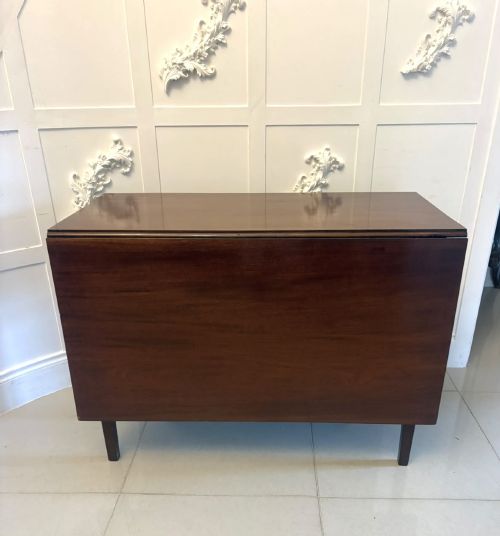
- Drop Leaf
- A table with a fixed centre section and hinged flaps on either side that drop down. These fold up and lock into place with swing legs.
- Draw Leaf
- A table design featuring leaves stored beneath the main top that pull out from the ends. This allows extension without removing separate boards.
- Pedestal
- A central support column, often single or multiple, holding up the table top. They frequently stand on tripod or quadruped legs fitted with castors.
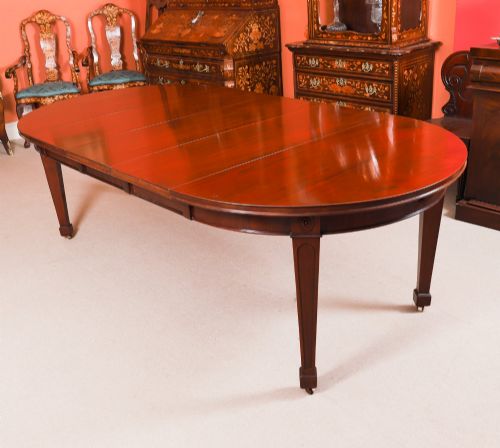
- D-End
- A table end shaped in a semicircle resembling the letter D. These often form the ends of modular dining tables that split apart.
Extendable Table: Frequently Asked Questions
How do I operate the extension mechanism?
Most nineteenth-century tables utilise wooden runners that pull apart from the centre to accept loose leaves. Brass pins or clips underneath secure the leaves in place.
Draw leaf tables operate by sliding internal leaves out from beneath the main surface, requiring no loose boards to store elsewhere.
Can I seat twelve people comfortably?
Many multi-pedestal and large dining tables accommodate ten to twelve diners when fully extended with multiple leaves. Banquet versions extend further for larger gatherings.
Check the length and leg placement to ensure chairs fit adequately around the perimeter without obstruction.
How do I care for a polished wood surface?
Protect the timber from direct heat and moisture by using placemats and coasters. Regular dusting with a soft cloth maintains the finish.
Apply beeswax periodically to nourish the wood and preserve the natural sheen of the grain without building up heavy residues.
How do I identify the period of the table?
Examine the timber selection, leg styling, and internal hardware clues such as brass castors and hand-cut screws. Georgian and Regency pieces often feature reeded legs and solid mahogany.
Victorian and Edwardian examples introduce heavy oak framing, draw leaf mechanisms, and distinct revival decorative motifs.