
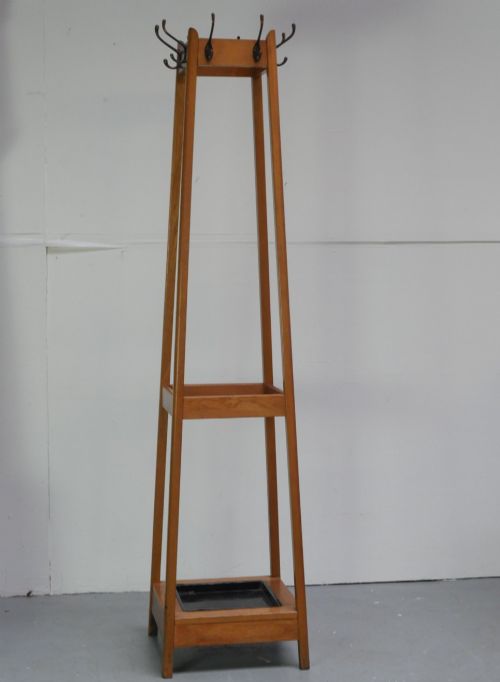
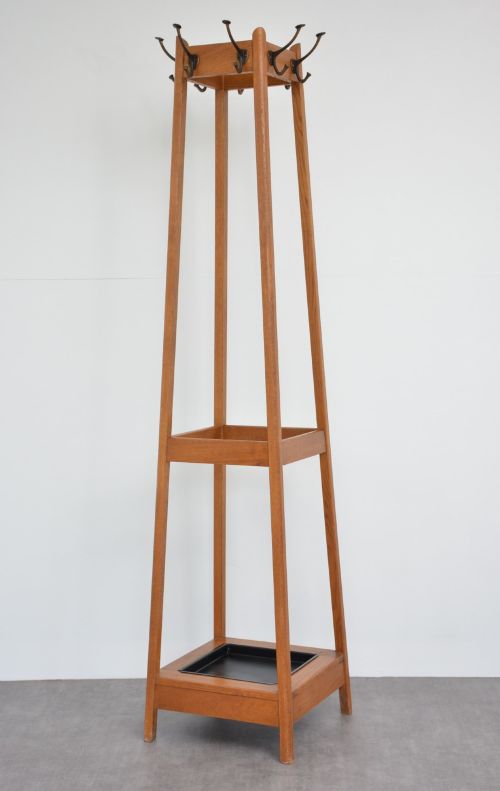
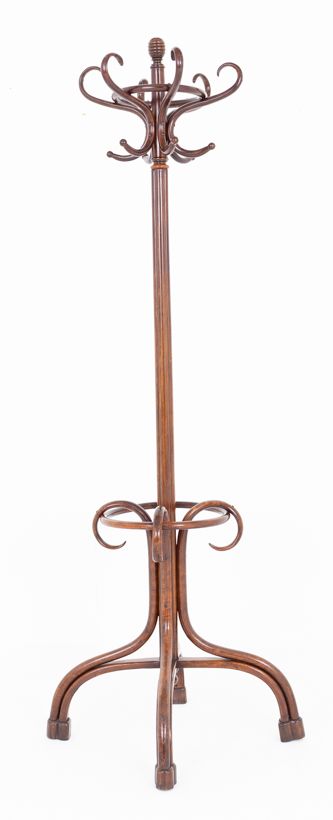
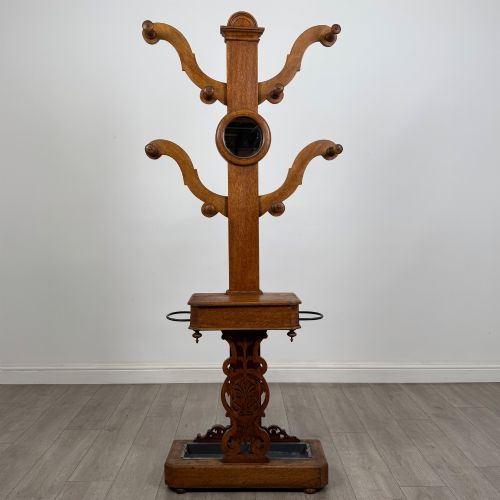
Brown Wooden Coat Stand
A brown wooden coat stand is a practical hallway centrepiece designed to hold outerwear and umbrellas while bringing period character to an entrance.
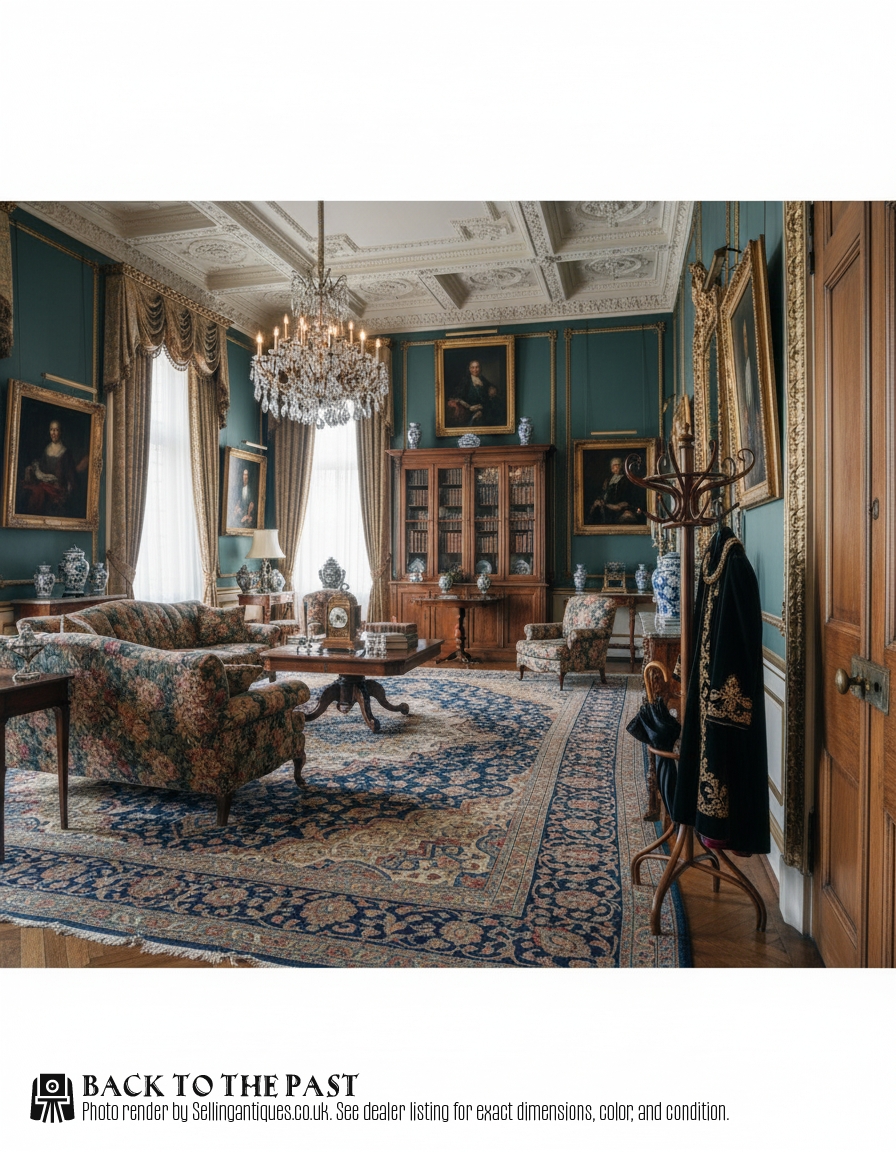
Brown Wooden Coat Stand
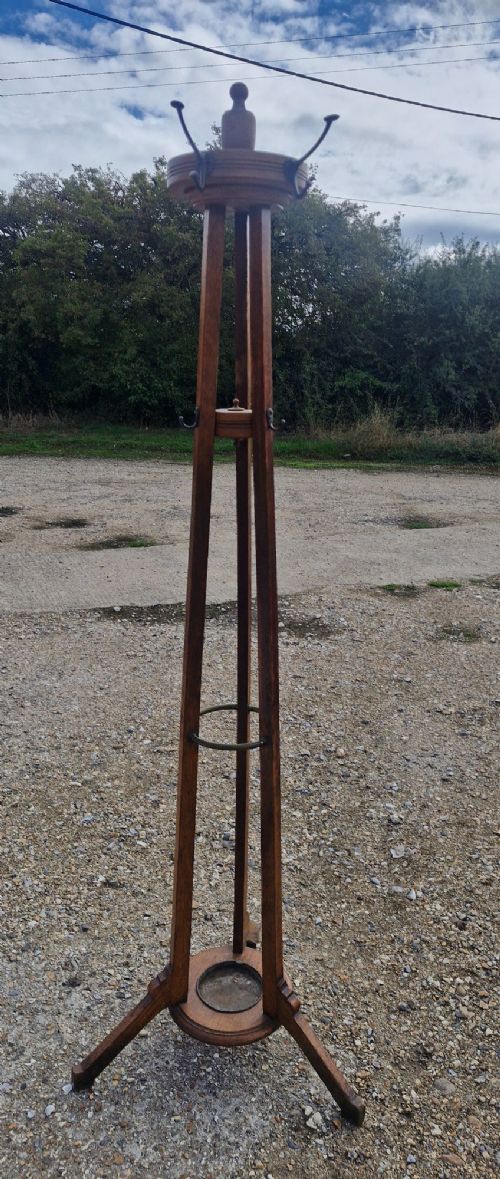
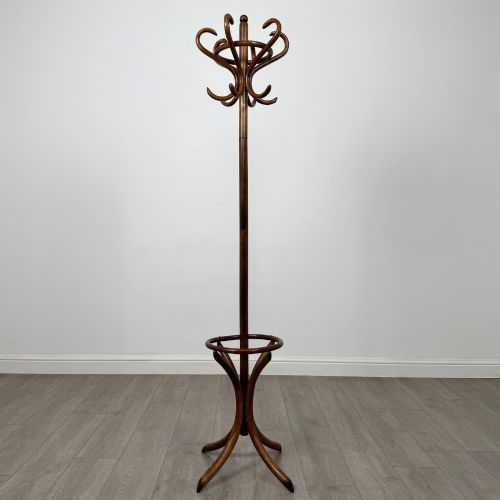
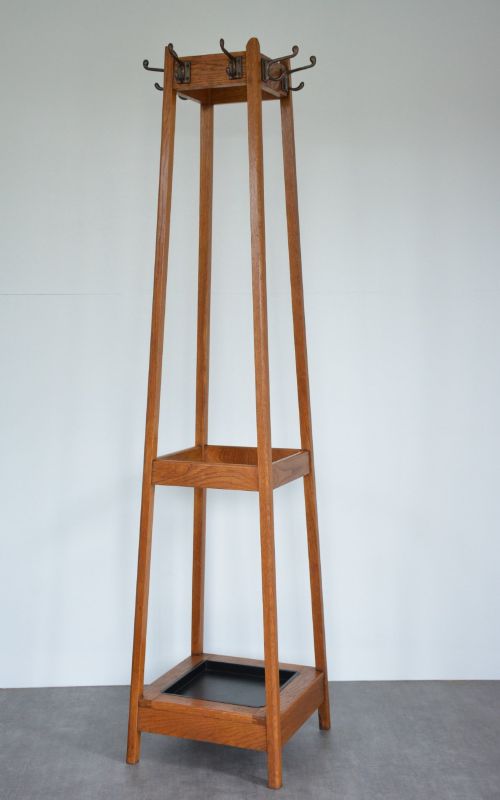
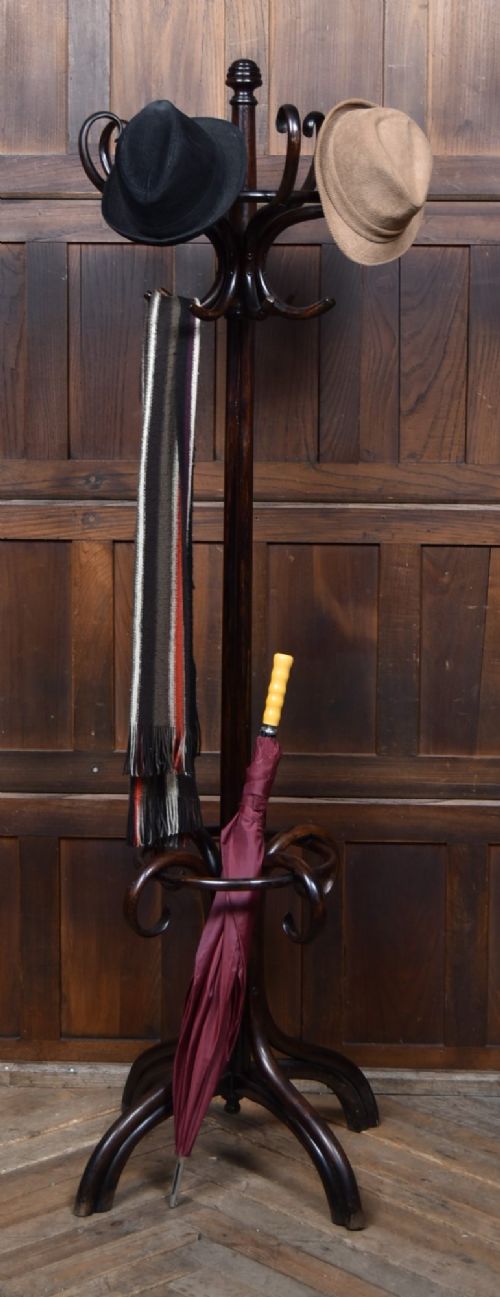
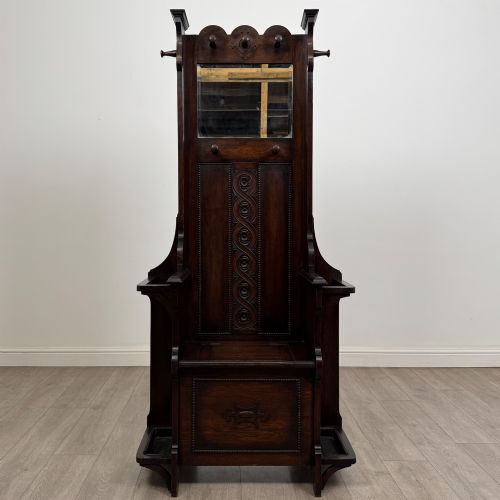
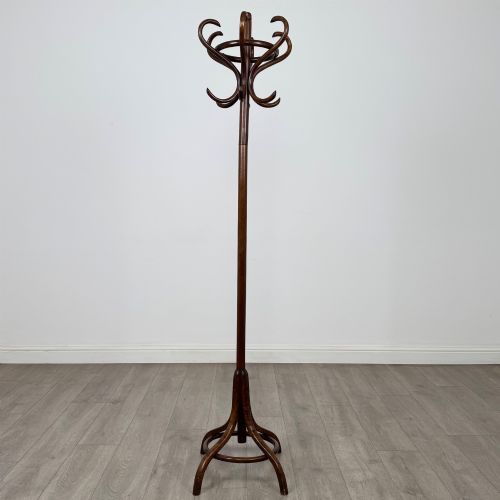
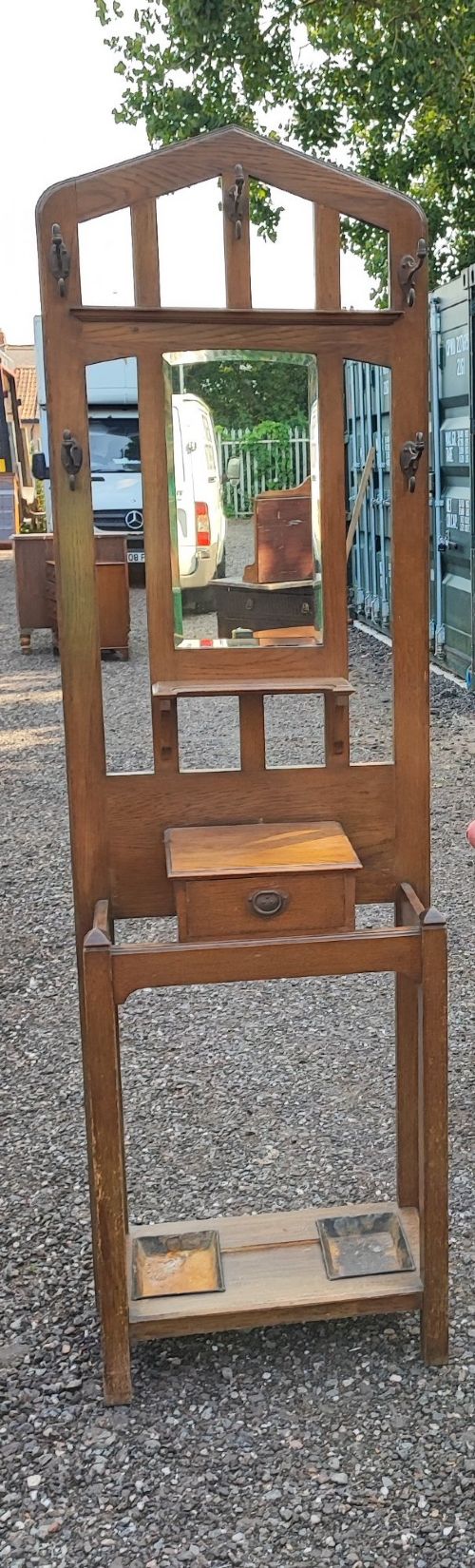
A brown wooden coat stand encompasses varied forms designed for entryways and cloakrooms, ranging from compact revolving designs to large multi-functional hall seat combinations. When searching for a brown wooden coat stand, buyers most frequently encounter pieces fashioned from oak and beech originating from the Victorian, Edwardian, and early twentieth-century periods.
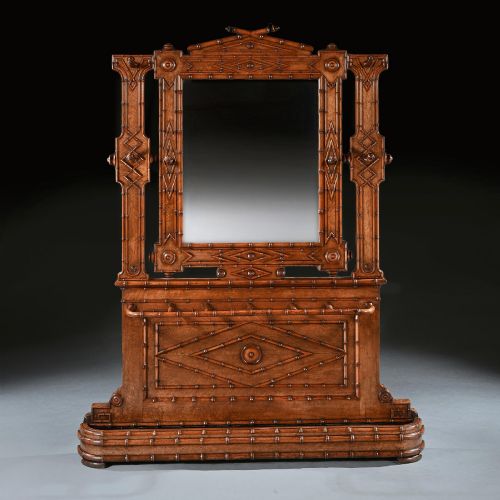
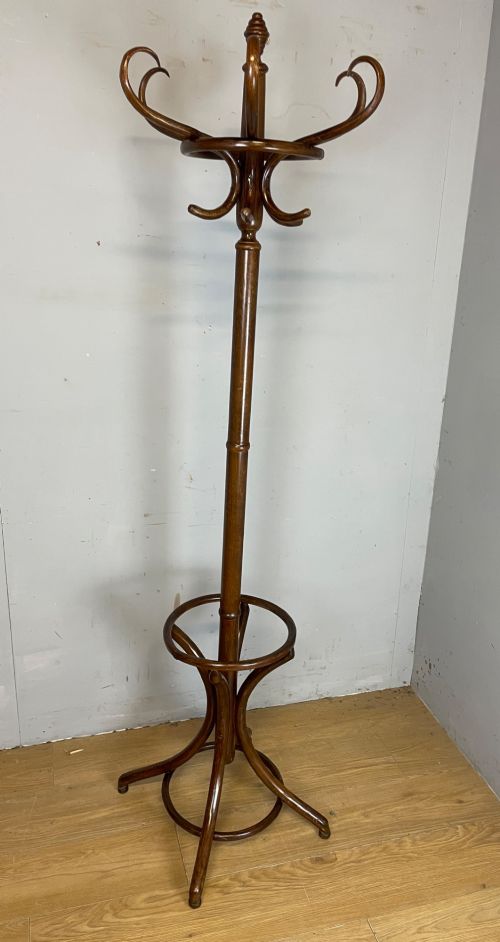
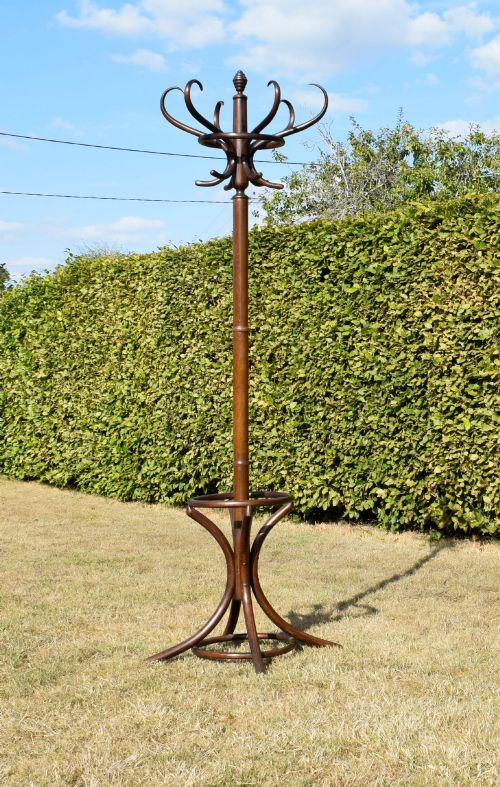
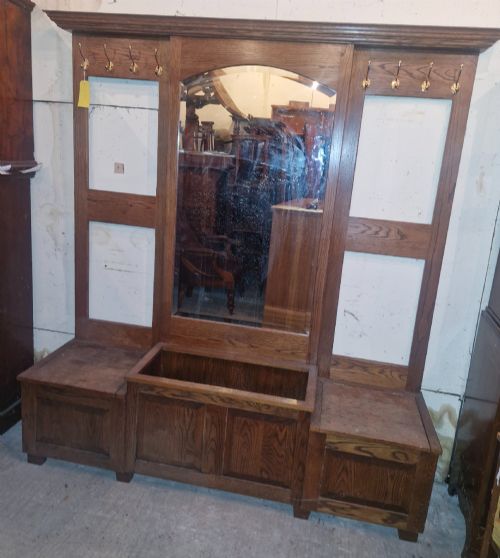
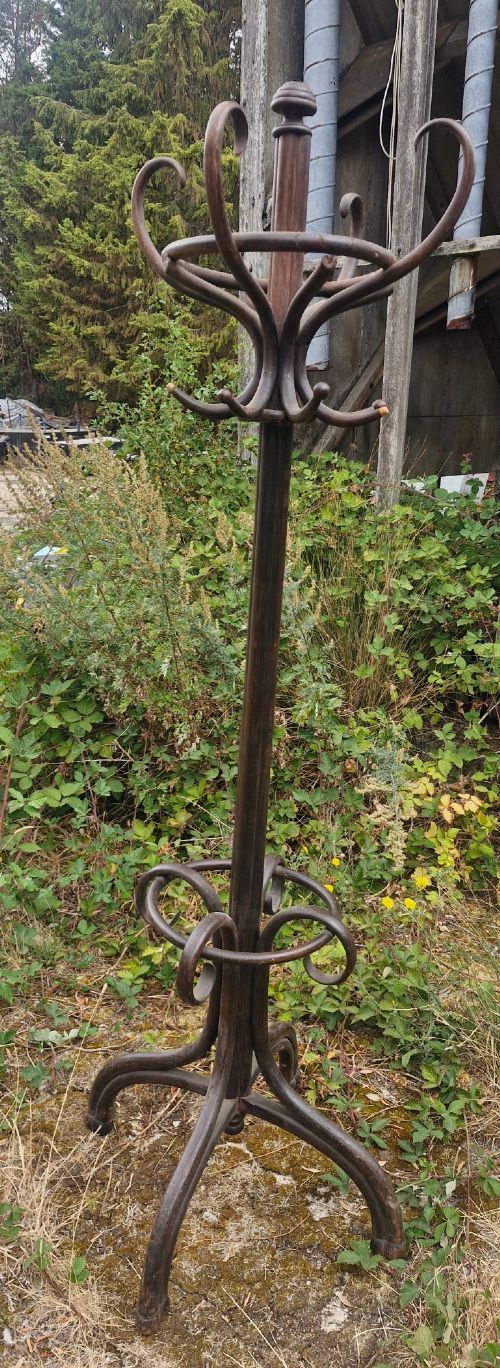
The selection includes vertical bentwood hatstands alongside substantial hall stands equipped with integrated umbrella holders, drip trays, and occasionally seating with cupboards or mirrors. These items served domestic needs in period halls, organising outerwear before guests entered the main reception rooms.
Dating ranges from the nineteenth century through to mid-century examples, with distinct regional expressions such as French faux bamboo pieces and Austrian bentwood items appearing alongside English oak furniture.
Materials and Construction Techniques
Makers utilised solid timbers including oak, beech, mahogany, and walnut, selecting woods for their strength and grain pattern when turned or carved. Bentwood examples rely on steam-bent beech or similar flexible woods to create curved profiles without weakening the structural integrity of the frame.
Metal and brass elements frequently complement the woodwork, appearing as coat hooks, umbrella rings, and removable drip trays that protect the wooden bases from moisture. Joinery methods varied from traditional mortise and tenon frames in heavy oak hall stands to steam-formed tension joints in lighter bentwood variations.
Listings feature oak, beech, and mahogany across Victorian, Edwardian, and mid-century periods, alongside bentwood and industrial styles.
Distinguishing Quality in Construction and Finish
Quality rests upon the integrity of the timber framing and the precision of the joinery, particularly where the uprights meet the base and crown. Pieces constructed with solid oak or richly figured walnut demonstrate superior durability compared to lighter utility versions.
The sophistication of the turning, the presence of original brass hardware, and the survival of fitted components such as metal drip trays and mirrors distinguish finer examples. In bentwood items, smoothness of the curved profiles and stability under weight mark the distinction between standard production and superior workmanship.
GW Evans·Astrola
The Brown Wooden Coat Stand Glossary
- Bentwood
- Furniture formed by steaming timber until pliable and bending it into curved shapes. This technique created lightweight yet sturdy coat stands popular in the late nineteenth and early twentieth centuries.
- Hall Stand
- A substantial hallway item combining coat hooks, umbrella storage, and often a mirror or seat. These pieces furnished grand entranceways in Victorian and Edwardian homes.
- Valet Stand
- A freestanding piece designed to hold a suit, tie, and accessories overnight. They typically appear in bedrooms or dressing areas rather than communal halls.
- Japonisme
- A late nineteenth-century artistic style influenced by Japanese art. It manifests in decorative details and faux bamboo turning on specific imported or continental hall furniture.
Brown Wooden Coat Stand: Frequently Asked Questions
How do I care for a wooden hall stand?
Maintain the timber by applying appropriate wax polish periodically to nourish the grain and protect the surface from atmospheric changes. Avoid placing wet items directly against unprotected wood to prevent water staining.
Ensure metal drip trays are regularly emptied and dried to stop moisture corrosion affecting the surrounding wooden base.
What is the difference between a hall stand and a coat stand?
A coat stand generally refers to a vertical, freestanding post with upper hooks for hats and coats, often incorporating bentwood or turned wooden pillars. They occupy minimal floor space.
Hall stands are larger, multi-functional furniture pieces that frequently integrate umbrella racks, mirrors, panels, and sometimes seating with storage compartments.
How can I date my antique coat stand?
Examine the timber, construction methods, and hardware to establish an approximate period. Oak hall stands with heavy carved decoration typically point toward Victorian or Edwardian eras.
Lighter bentwood designs with minimal decoration often indicate early twentieth-century production or specific continental workshop influences.
Will a revolving hat stand fit in a small hallway?
Revolving hat and coat stands offer a compact footprint while providing multiple hanging points accessible from all sides. Their vertical design suits narrow entranceways where wall space is limited.
Check the diameter of the rotating top and the stability of the weighted base to ensure safe daily usage in confined areas.