


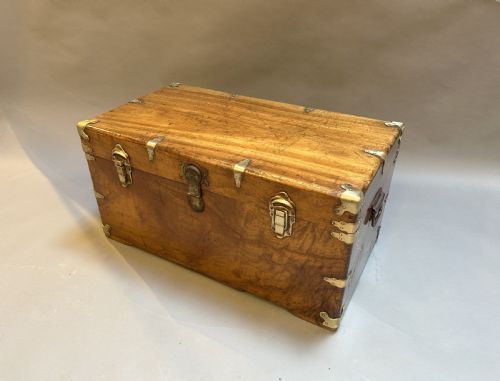
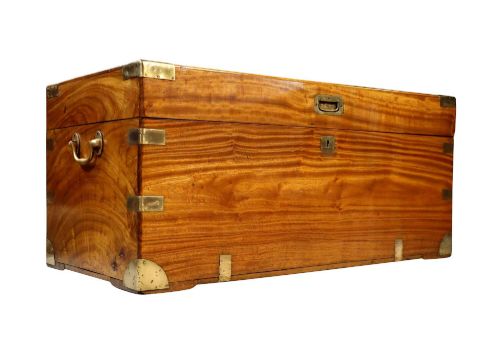
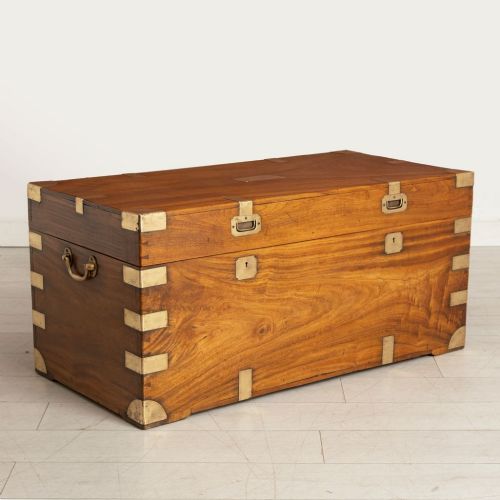
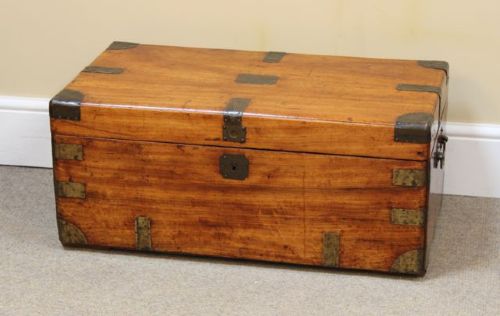
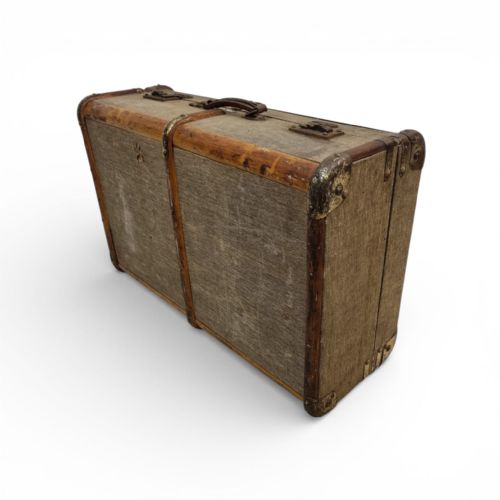
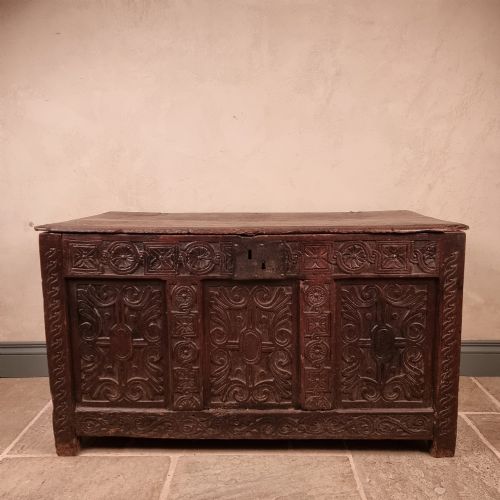
Brown Wood Trunk
A brown wood trunk offers robust storage rooted in centuries of utilitarian design, from campaign chests to carved blanket boxes.
Brown Wood Trunk
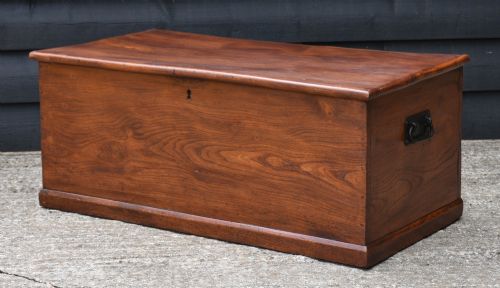
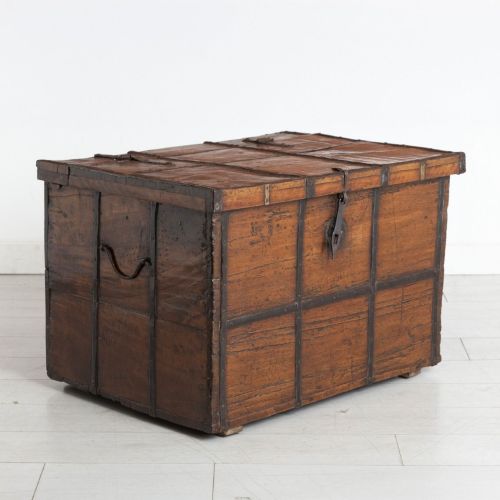
A brown wood trunk encompasses storage pieces constructed from timber such as oak, elm, mahogany, and camphor wood. These items function as blanket boxes, coffers, storage chests, and travel trunks designed for domestic storage or transit.
The selections span distinct periods including the seventeenth, eighteenth, and nineteenth centuries, alongside Edwardian, Victorian, and Art Deco eras. Pieces range from simple six-plank coffers to brass-bound military campaign chests.
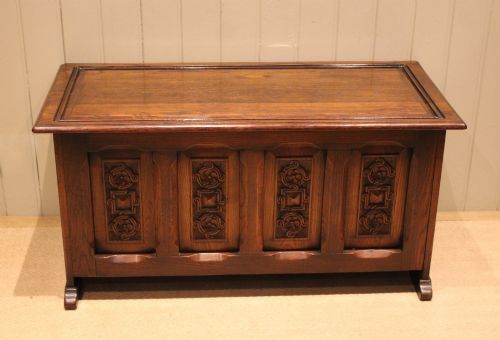
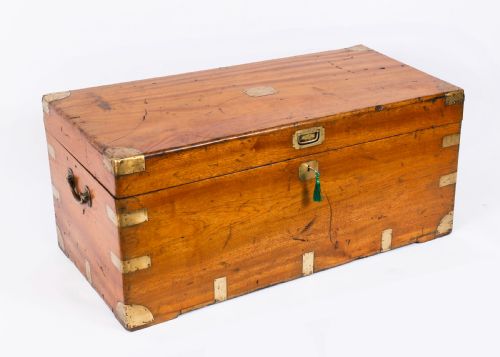
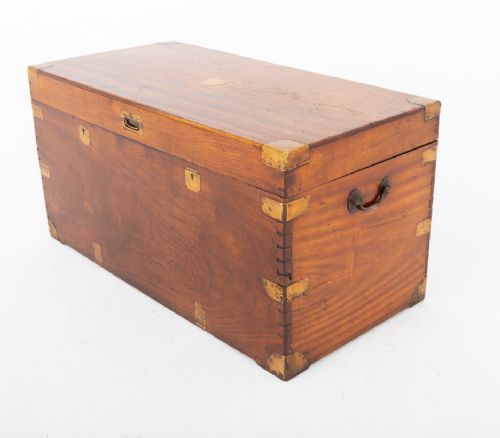
Camphor wood examples frequently feature brass corners and hardware, reflecting their colonial campaign origins. Oak and elm variations lean towards domestic interior storage, appearing as carved coffers, blanket boxes, and luggage stands.
Materials and construction methods
Construction relies heavily on solid hardwoods like oak, elm, and camphor wood, frequently paired with secondary timbers. These woods provide the structural integrity required for heavy use and long-distance travel.
Metal reinforcement defines many examples, utilising brass corners, straps, and mounts alongside iron bindings. These metallic elements protect the wooden edges and joints during transit while providing structural security.
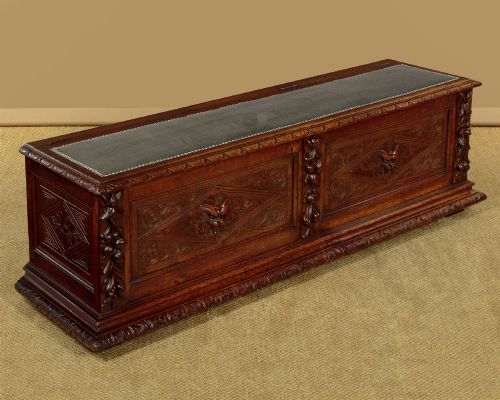
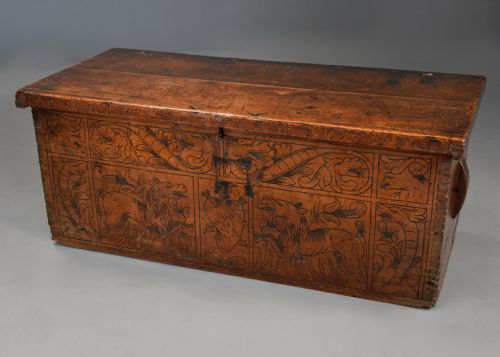
Surface treatments vary from natural waxed finishes highlighting the grain to carved decorative panels and original painted surfaces. Joinery techniques range from simple plank construction to pegged mortise and tenon joints.
Functional forms range from military campaign chests and sea chests to blanket boxes, luggage stands, and heavy storage coffers.
Distinctions in construction and material quality
The grade of timber and the preservation of original surfaces dictate the standing of a trunk. Richly figured grain, intact carving, and undisturbed patination elevate an example above standard utility pieces.
Hardware integrity plays a major role, distinguishing pieces with original brass mounts, straps, and working locks from those with later replacements. The quality of dovetail joinery and the snugness of lid closures further separate fine examples from ordinary boxes.
The Brown Wood Trunk Glossary
- Campaign trunk
- A portable chest made in sections with recessed brass handles and corner brackets, designed for military officers on the move. These pieces utilise durable timbers like camphor wood to withstand harsh climates.
- Coffer
- A heavy wooden chest traditionally used for storing valuables, documents, or textiles. Early examples feature robust plank construction and hand-carved ornamentation.
- Blanket box
- A domestic chest intended for storing linens, blankets, and garments. These storage items appear in woods such as oak, elm, and cedar.
- Luggage stand
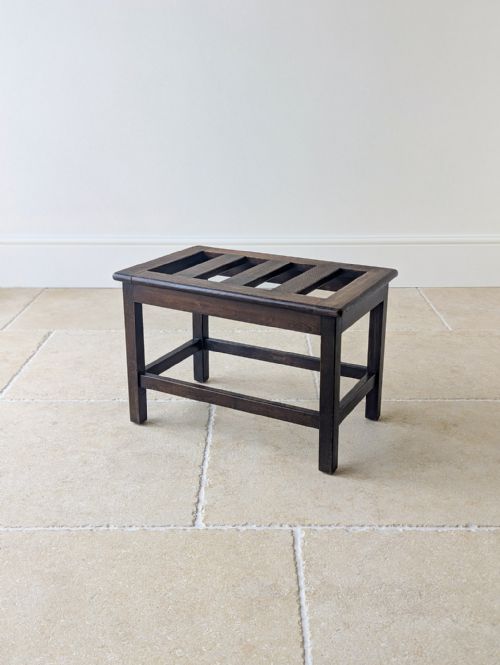
- A low wooden frame or rack designed to support a travel trunk at a convenient height. Edwardian examples often incorporate slatted tops and folding legs.
- Patina
- The surface sheen and coloration developed through age, handling, and waxing. Original patination indicates minimal disturbance to the wood over centuries.
Brown Wood Trunk: Frequently Asked Questions
What is a campaign trunk?
A campaign trunk is a specialised storage chest built for military officers during the eighteenth and nineteenth centuries. These pieces feature recessed brass hardware to prevent snagging during transport.
They are constructed from durable timbers, most notably camphor wood, which naturally repelled insects and dampness during long sea voyages and overseas postings.
How do I clean a wood trunk?
Cleaning requires a soft cloth and a quality microcrystalline wax to nourish the timber without stripping the historic finish. Avoid modern liquid polishes containing silicone, which can penetrate open grain and damage the surface.
Gentle dusting removes surface debris while preserving the accumulated patina developed over decades or centuries of use.
Are camphor wood trunks safe for clothes?
Camphor wood trunks provide excellent storage for textiles due to the natural aromatic oils within the timber. These oils act as a natural deterrent against moths and other fabric pests.
For delicate modern fabrics, placing a thin barrier sheet between the textile and the bare wood prevents direct oil transfer while maintaining the protective scent.
How do I date an antique trunk?
Dating relies on examining construction methods, hardware styles, and the type of timber utilised. Hand-cut dovetails, forged iron hinges, and recessed brass corners point toward specific manufacturing periods.
Stylistic indicators such as carved panels, bracket feet, and distinct Georgian or Victorian proportions help narrow down the decade of origin.