


Rustic Sea Chest
A rustic sea chest offers robust storage and maritime character, bringing practical history and weathered charm straight into a modern interior.
Rustic Sea Chest
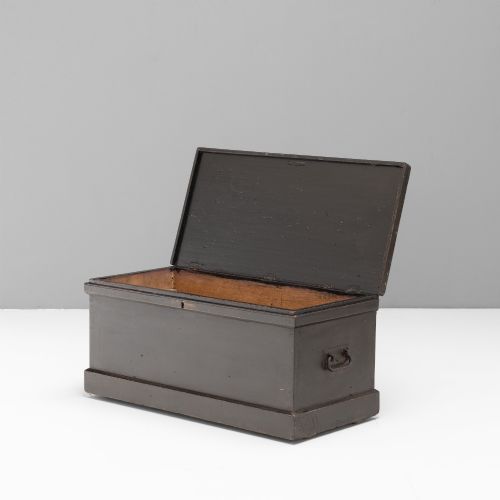
A rustic sea chest is a heavy-duty storage trunk designed for travel, storage, or military campaigns, appearing primarily from Victorian and 19th-century periods. These trunks function effectively as blanket boxes, coffee tables, or deep storage pieces in contemporary homes.
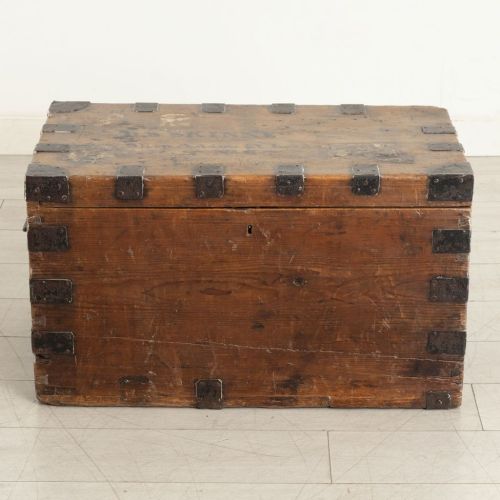
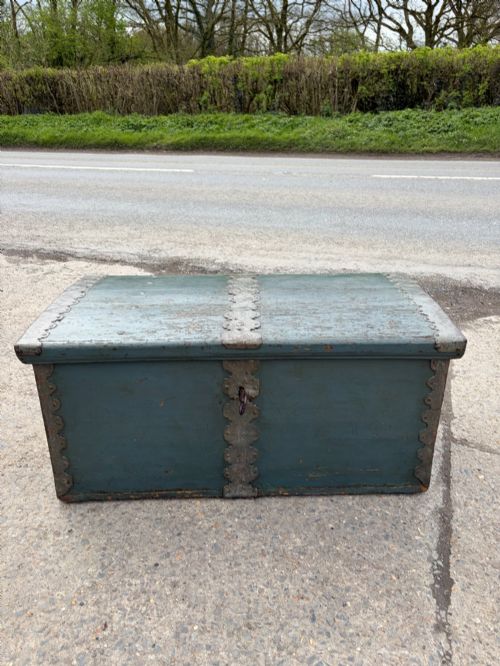
The most common examples on this page are constructed from pine, often retaining original paintwork, scumble finishes, or iron fittings. Pieces span Victorian, Edwardian, and Georgian eras, showcasing utilitarian forms built for endurance.
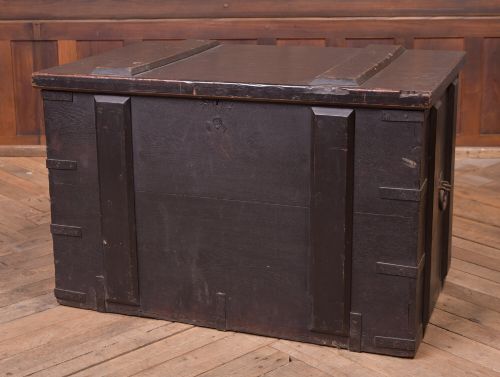
Makers utilised durable local timbers alongside imported hardwoods like teak to protect belongings during transit. The resulting objects range from simple dovetailed tool chests to iron-banded merchants chests with side lifting handles.
Materials and construction methods
Makers constructed these chests using solid pine, oak, teak, and various hardwoods joined by sturdy techniques capable of withstanding rough journeys. Iron banding, heavy brass hardware, and metal corner brackets reinforced the structural integrity of the timber bodies.
Surfaces were frequently finished with layers of paint, scumble glaze, or left as bare timber, depending on the intended maritime or domestic use. Internal compartments, working locks, and side lifting handles were integrated into the primary carpentry.
Listings feature pine, oak, teak, and hardwood chests spanning the Georgian, Victorian, and Edwardian periods.
Assessing quality in antique chests
Quality in a rustic sea chest rests on the integrity of the original materials, the preservation of early surface paint, and the survival of functioning hardware. Superior examples retain their untouched iron binding, working locks, and original side lifting handles without excessive structural replacement.
Finer chests display careful dovetail joinery and thoughtful internal fittings rather than crude assemblage. The presence of documented regimental history or untouched scumble paint elevates the historical interest of the piece significantly.
The Rustic Sea Chest Glossary
- Scumble pine
- Pine treated with a translucent glaze manipulated with combs or brushes to imitate the grain of more expensive timber. This decorative technique creates a mottled, textured surface finish.
- Campaign chest
- A portable trunk or chest made in sections for military officers on active service during the 19th century. These pieces usually feature recessed brass handles and reinforced corners.
- Dovetail joint
- A carpentry joint formed by interlocking wedge-shaped fingers, prized for high tensile strength. It holds the corners of storage trunks securely together without relying solely on nails.
- Iron banded
- A method of reinforcing wooden chests by wrapping straps of iron around the exterior. This protected the timber from splitting during heavy lifting and rough transit.
Rustic Sea Chest: Frequently Asked Questions
How do I use a sea chest at home?
These chests work exceptionally well as coffee tables in a living room, providing hidden storage for blankets and books. They also sit neatly at the foot of a bed or serve as deep storage in a hallway.
Ensure the interior is clean and dry before storing textiles or paper goods inside. Lifting handles make repositioning the trunk straightforward when rearranging a room.
Are these chests genuinely from the sea?
Many of these pieces served aboard ships, during military campaigns, or as merchants' luggage for long-distance travel. Others functioned as domestic tool chests or blanket boxes in rural homes.
Iron bands, heavy side handles, and robust pine construction point directly to a utilitarian life on the move. Each mark and scuff reflects that practical history.
How do I care for original paint?
Keep painted and scumble-finished pine away from direct sunlight and damp environments to prevent flaking and warping. Dust gently with a dry, soft cloth rather than using liquid polish.
Preserving the dry, untouched surface maintains the historical integrity of the piece. Avoid aggressive cleaning agents that might strip the historic finish.
How can I tell the Victorian pieces apart?
Victorian chests often feature machine-sawn timber, robust iron hardware, and distinct scumble paint finishes typical of the late 19th century. Earlier Georgian examples tend to show hand-bewn joinery and heavier oak construction.
Look closely at the hinges, locks, and nail types to help determine the manufacturing era. Edwardian pieces often display slightly lighter proportions.