
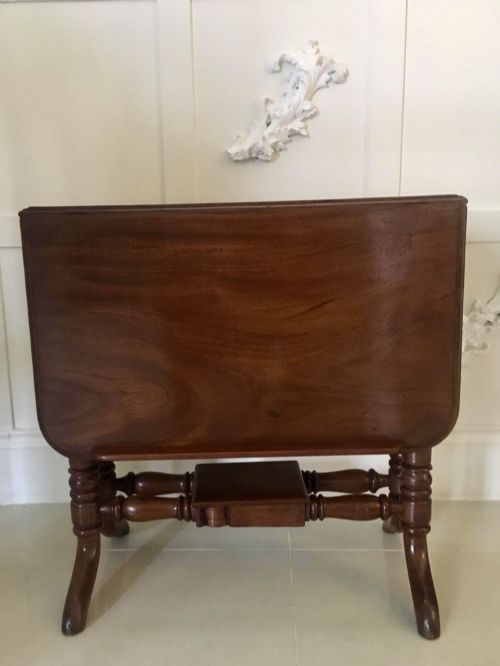
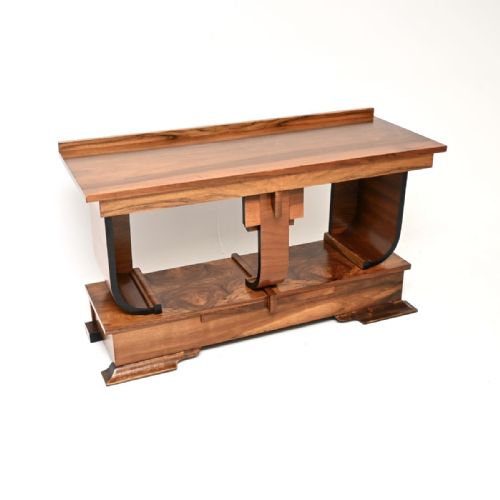
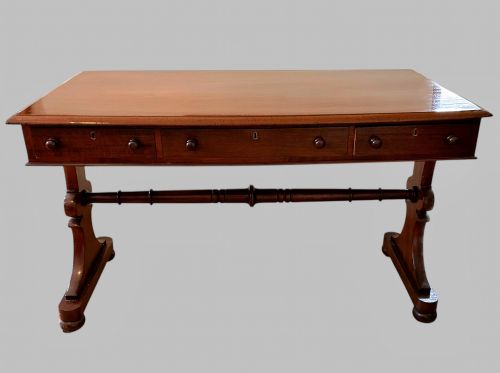
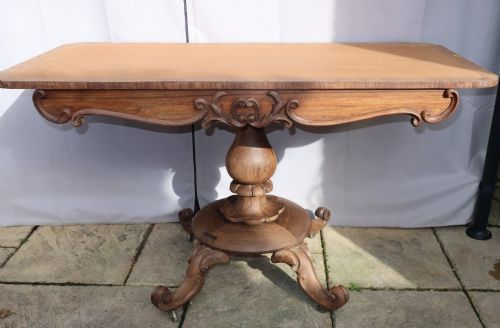
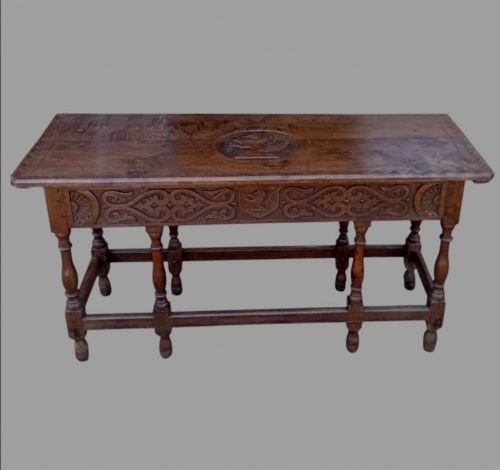
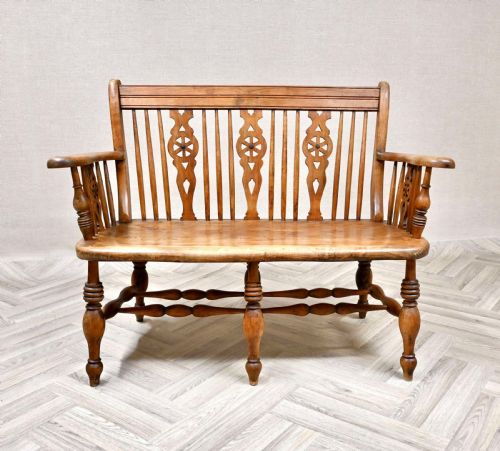
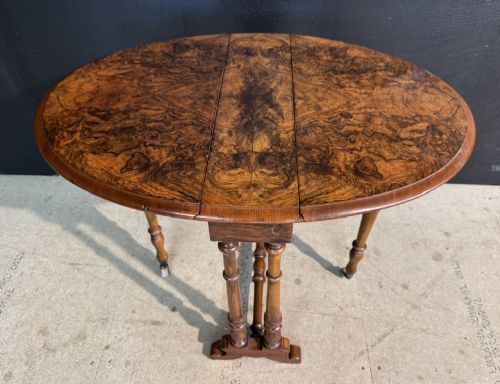
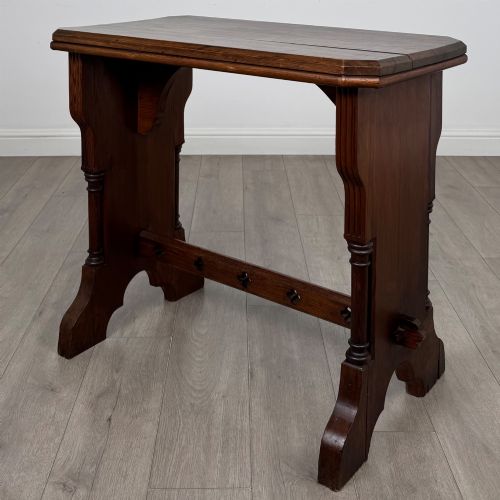
Brown Wood Sofa
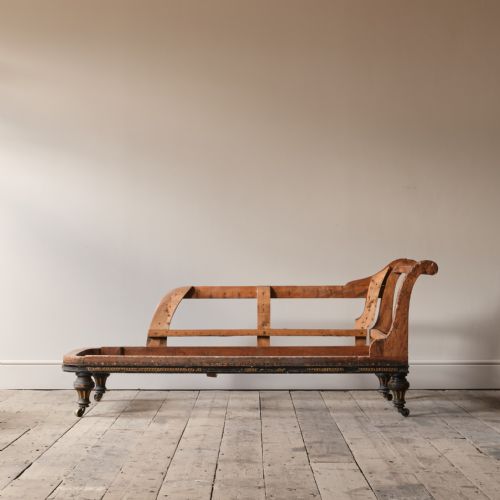
A brown wood sofa combines solid timber frames with upholstered seating, offering both functional support and period character to a room.
Materials and construction methods
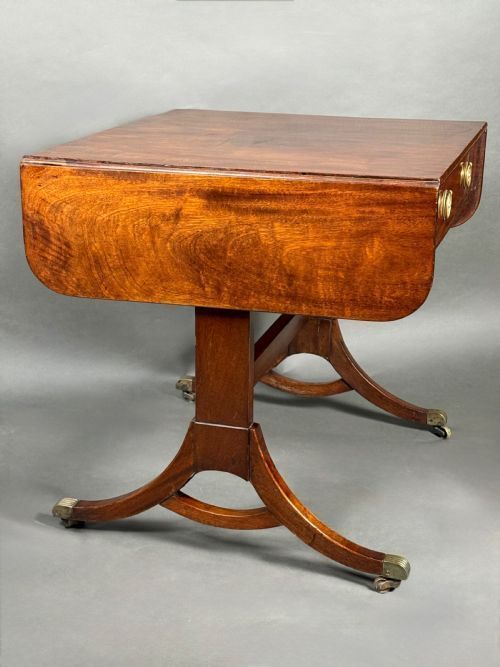
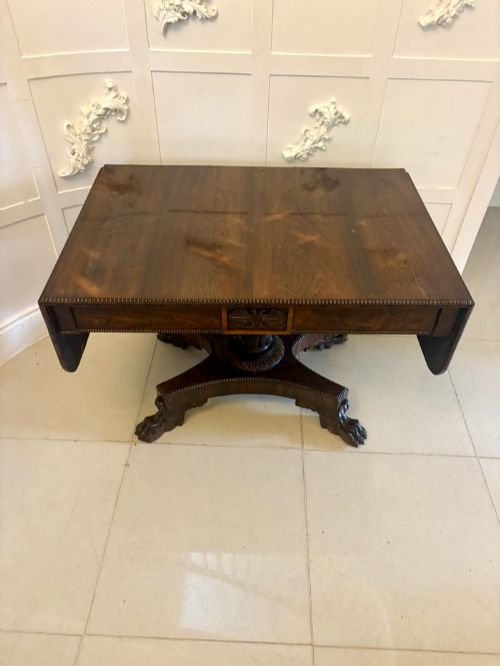
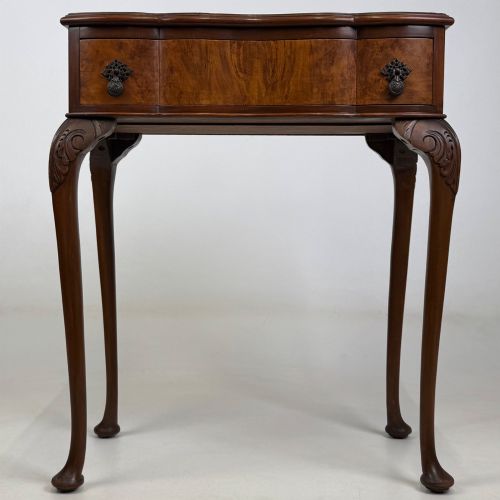
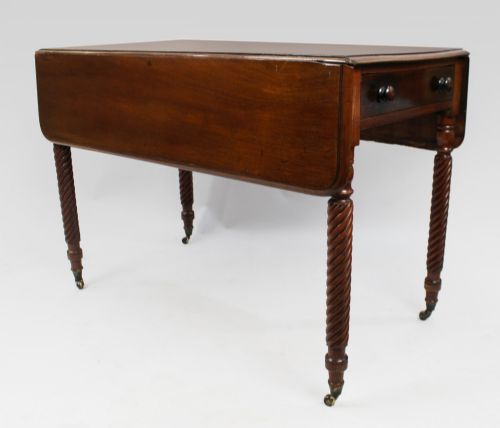
Cabinetmakers utilised dense hardwoods like mahogany, walnut, and rosewood for structural stability and fine carving capabilities. Burr walnut and flame mahogany veneers provided decorative surface patterns on key panels, while secondary timbers formed internal frames.
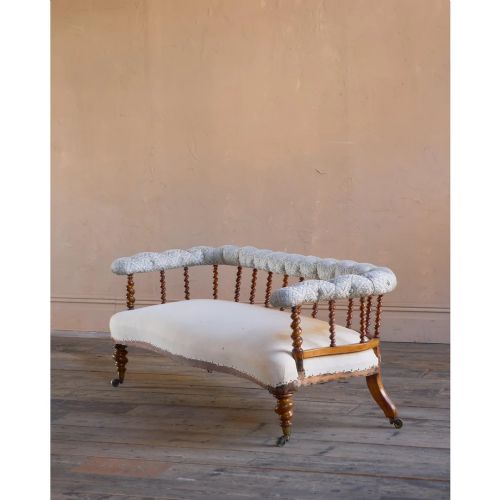
Joinery techniques relied on traditional mortise and tenon joints to secure the wooden elements. Upholstered sections utilised fabric or leather over supportive foundations, complemented in some periods by turned wooden supports, cabriole legs, or wood inlay.
Assessing quality in timber seating
Quality depends upon the selection of the timber and the precision of the joinery. Figures in walnut and flame mahogany demonstrate the maker's care in matching grain patterns across visible surfaces.
Carved details, turning work, and the structural integrity of the wooden frame distinguish standard production from superior workshop output. The retention of original timber patination and honest surface wear further indicate historical authenticity.
Listings feature nineteenth-century and twentieth-century forms constructed from mahogany, walnut, rosewood, oak, and fabric.
Holland & Sons·C. Hindley & Sons·Hampton & Sons·Thonet
The Brown Wood Sofa Glossary
- Burr walnut
- A figured veneer obtained from the burl growths of walnut trees, prized for its swirling grain patterns. It frequently decorates the surfaces of Victorian and Edwardian tables and seating frames.
- Flame mahogany
- A veneer cut from the fork of a mahogany tree where the branches meet the trunk, producing a distinctive flame-like pattern. Cabinetmakers used this to create decorative panels on nineteenth-century furniture.
- Cabriole leg
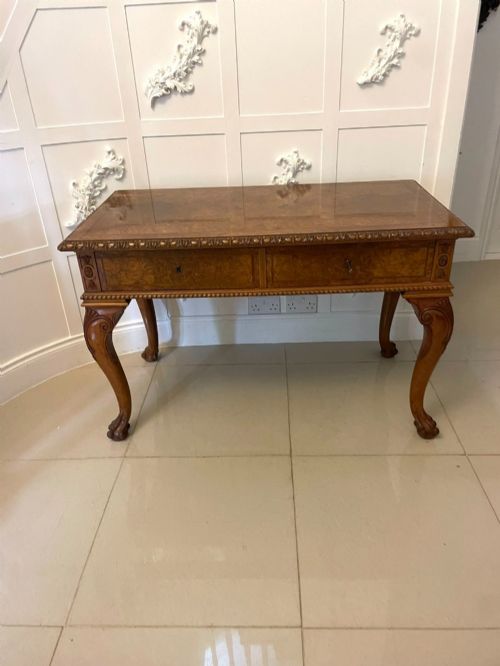
- A furniture leg that curves outward at the knee and tapers inward at the ankle, often ending in a pad or claw foot. This form appeared widely across various revival styles and earlier periods.
- Marquetry
- The art of applying pieces of veneer to a structure to form decorative patterns or pictures. Craftsmen utilised various coloured woods to create detailed floral or geometric motifs on tabletops and furniture panels.
- Bobbin turned
- A style of turning wood on a lathe to resemble a string of beads or bobbins. This decorative technique appears on nineteenth-century frames and supports.
Brown Wood Sofa: Frequently Asked Questions
How do I identify the period of a wooden sofa?
Period identification relies upon examining the timber selection, decorative techniques, and structural forms. Nineteenth-century examples often display rich mahogany or walnut veneers, while earlier pieces exhibit different proportions and carving styles.
Comparing the specific turning work, upholstery styles, and known maker signatures helps narrow down the date of manufacture.
Where were these sofas placed historically?
Historically, these seating pieces served in formal reception rooms, drawing rooms, and parlours. Freestanding designs allowed them to sit centrally within large spaces or against panelled walls.
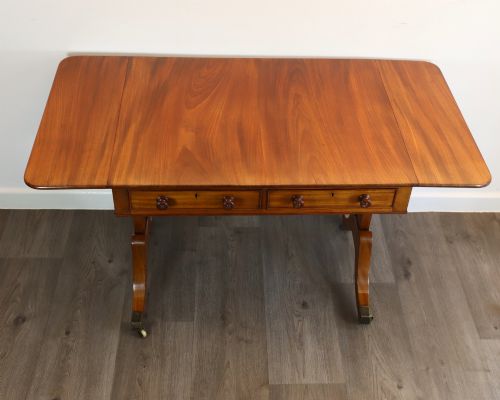
Matching tables, such as console tables and side tables, often accompanied them in interior decorative schemes.
How should I care for antique wood and upholstery?
Maintaining antique wooden furniture involves keeping pieces away from direct heat sources and sudden humidity changes to prevent timber splitting. Regular dusting with a soft, dry cloth preserves the original polish.
Upholstered sections require gentle vacuuming and professional cleaning when necessary to protect both the fabric and the internal stuffing.