

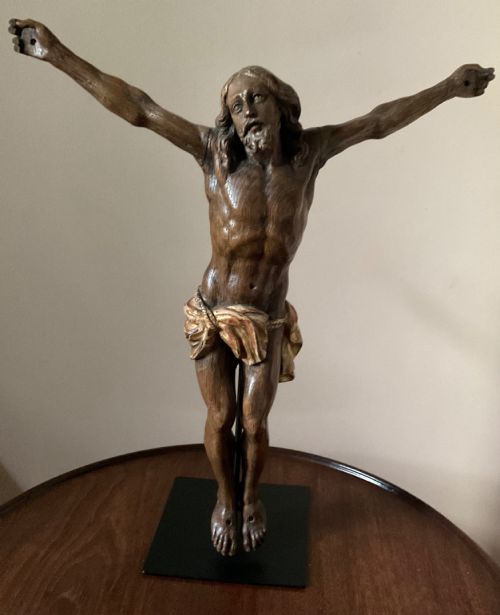


Brown Wood Religious Sculpture
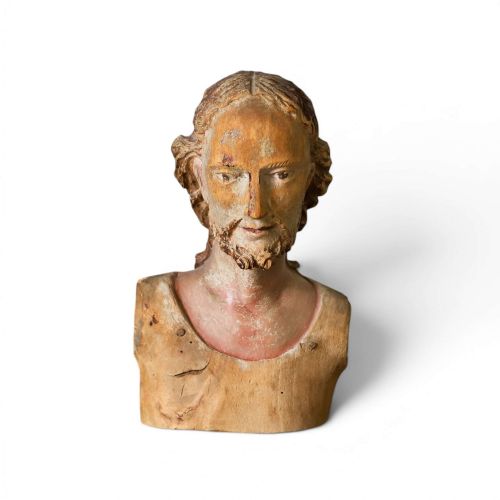
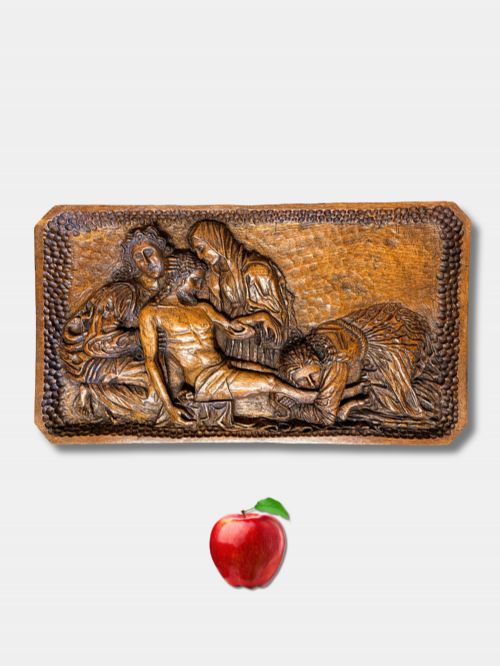
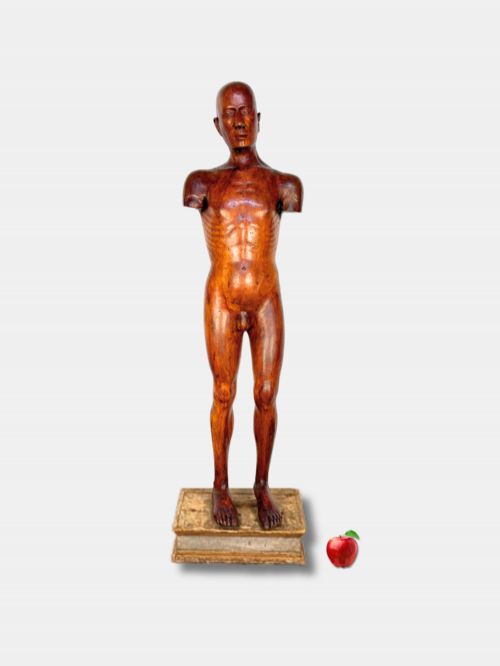
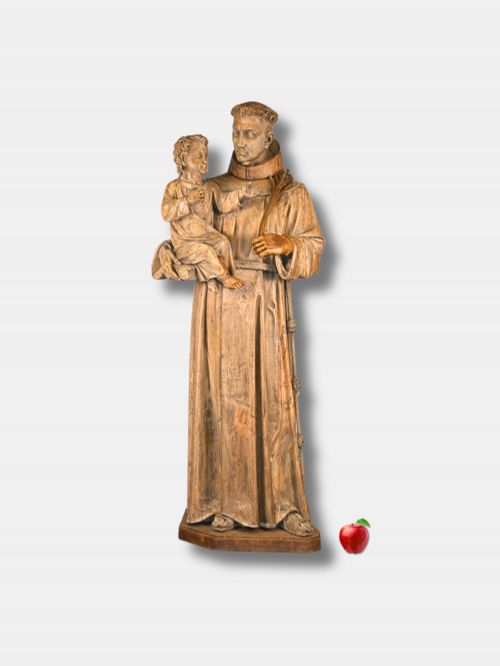
Brown wood religious sculpture unites centuries of devotion and craftsmanship, offering collectors tactile figures of saints, Madonnas, and biblical scenes carved from enduring timber.
Brown Wood Religious Sculpture
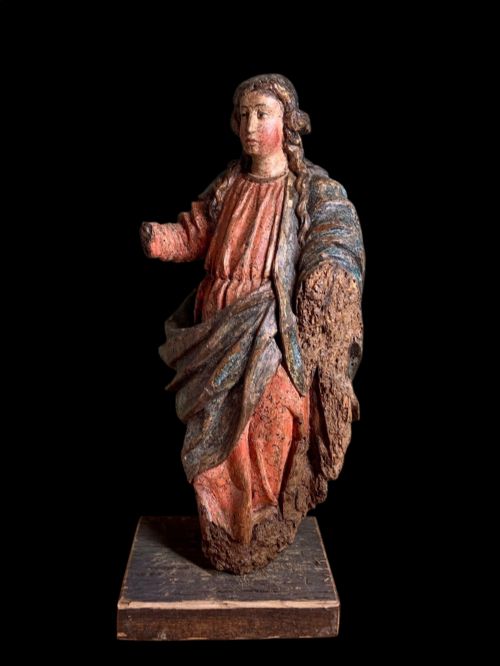
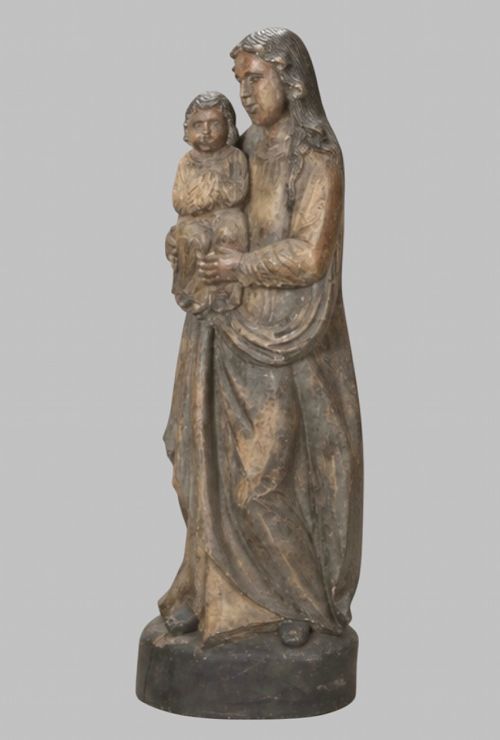
A brown wood religious sculpture encompasses carved figures, panels, and crucifixes created for personal devotion or church interiors across European workshops. When exploring brown wood religious sculpture on this page, buyers encounter forms ranging from medieval church figures and Baroque saints to 19th-century folk art studies.
Pieces emerge from periods spanning the pre-16th century through to the late 19th century, reflecting shifts in ecclesiastical taste and sculptural style. Collectors primarily find standing saints, narrative panels, and devotional busts shaped by hands dedicated to sacred art.
Factors That Determine Quality
The distinction between standard works and master-carved examples rests in the anatomical precision of the hands, feet, and facial expressions. Superior pieces demonstrate a fluid understanding of human posture and drapery fall that lesser workshop output misses.
The depth of the carving and the preservation of original polychrome or gesso surfaces strongly influence a piece's standing. Sculptures carved fully in the round from heavy hardwoods command greater appreciation than flat-backed panel reliefs.
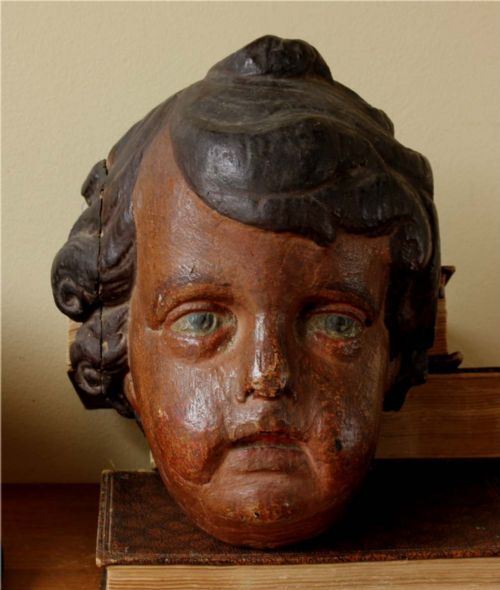
A cheerful carved cherub head peers out from the 18th-century entries, proving that even solemn church art needed a cheeky face.
Franz Keller
The Brown Wood Religious Sculpture Glossary
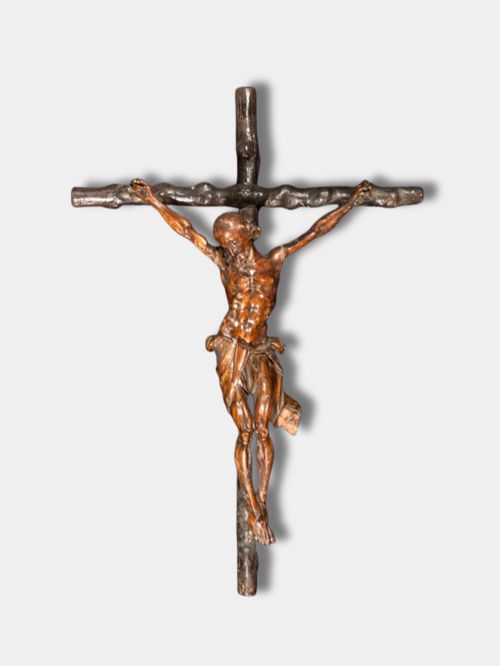
- Corpus Christi
- The body of Jesus Christ depicted on a cross. This Latin term specifically isolates the sculptural figure of Christ rather than the cross itself.
- Polychrome
- Decorated in multiple colours. In ecclesiastical sculpture, this refers to the painted surface layers applied over wood or gesso.
- Gesso
- A plaster-like mixture applied to wood as a smooth base for paint or gilding. It provides the foundational white ground seen beneath historic pigments.
- Santos
- A carved wooden religious figure used in folk or traditional worship. These statues often form the centrepiece of domestic shrines or processions.
- Putti
- Depictions of chubby male infants, frequently winged, common in Baroque art. They appear as cherub heads or full figures supporting sacred scenes.
Brown Wood Religious Sculpture: Frequently Asked Questions
How do I date a wooden religious sculpture?
Dating relies upon analysing the tool marks, timber species, stylistic conventions of the drapery, and regional carving traits. Comparing the piece to documented church inventories helps narrow the century.
Changes in aesthetic ideals from Gothic stiffness to Baroque dynamism provide clear chronological markers. Wear patterns and wood oxidation further confirm the age of the material.
Were these sculptures originally painted?
Many figures originally featured gesso and polychrome paint layers designed to bring a lifelike presence to the devotional space. Over centuries, cleaning, changing fashions, or natural flaking often reduced these colours to bare wood.
Traces of pigment hiding in recesses usually indicate the original finish. Collectors frequently appreciate both the remaining polychrome surfaces and the warm patina of stripped timber.
How should I care for historic carved wood?
Keep wooden sculptures away from direct heat sources, strong sunlight, and rapid humidity fluctuations to prevent cracking or warping. Gentle dusting with a dry, soft brush is sufficient for maintenance.
Avoid applying modern waxes or polishes unless advised by a specialist conservator. Allowing the wood to breathe preserves its historic surface texture and natural finish.
What is the difference between a corpus and a crucifix?
A crucifix comprises both the cross and the sculptural figure of Christ attached to it. A corpus refers exclusively to the carved body of Christ separated from the cross structure.
Many antique figures survive independently after their original crosses perished or suffered damage over time. Collectors often mount a loose corpus on a custom stand or display it flat.