
Brown Wood Panel Carving
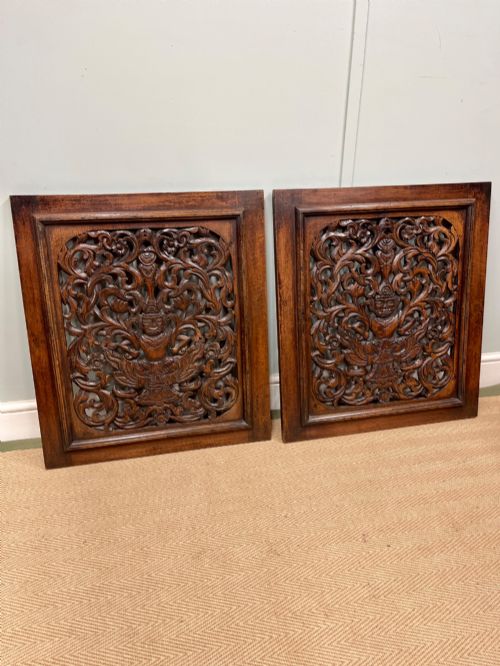
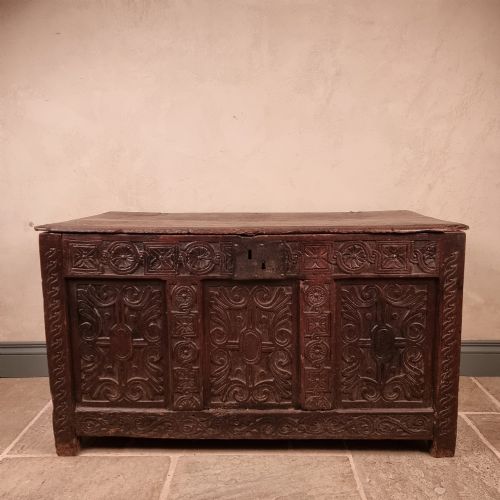
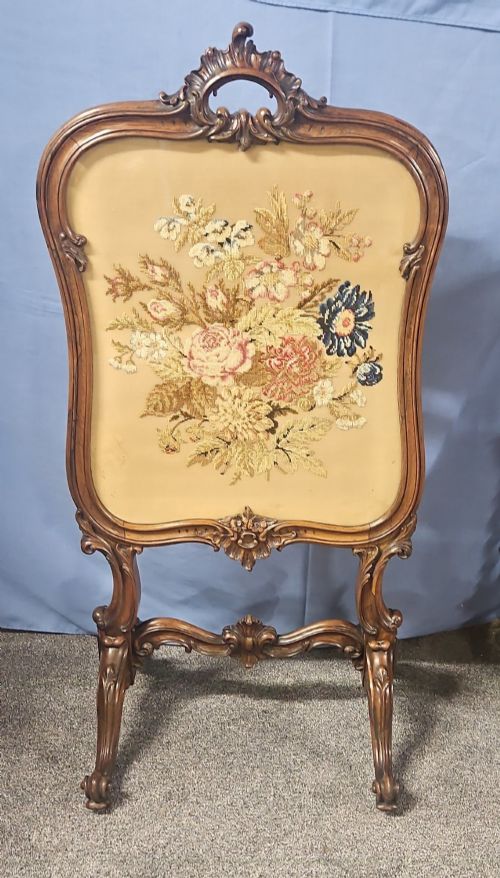
These brown wood panel carving items offer rich texture and historical depth, perfect for anchoring a period interior.
Brown Wood Panel Carving
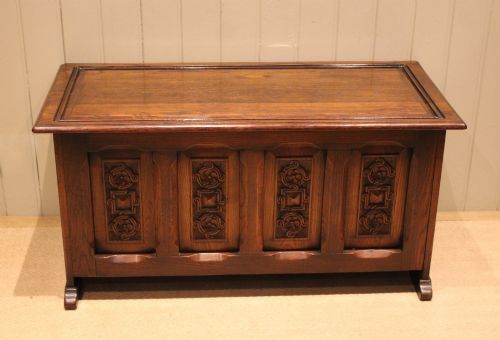
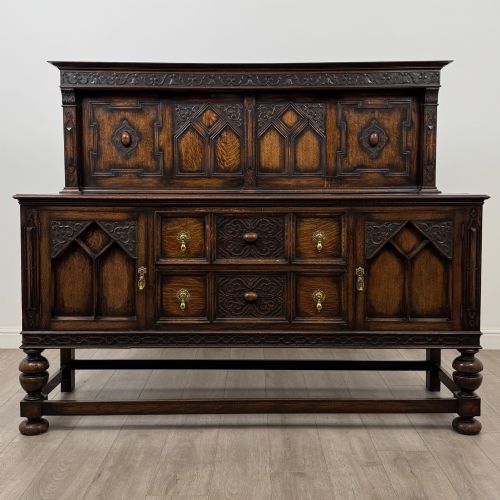
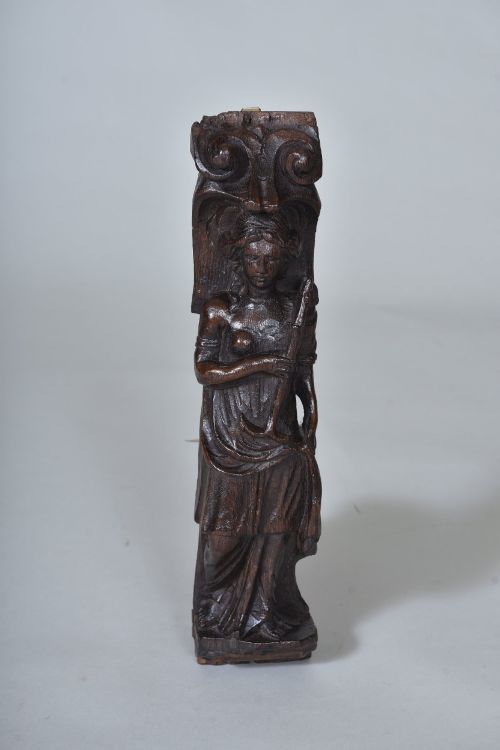
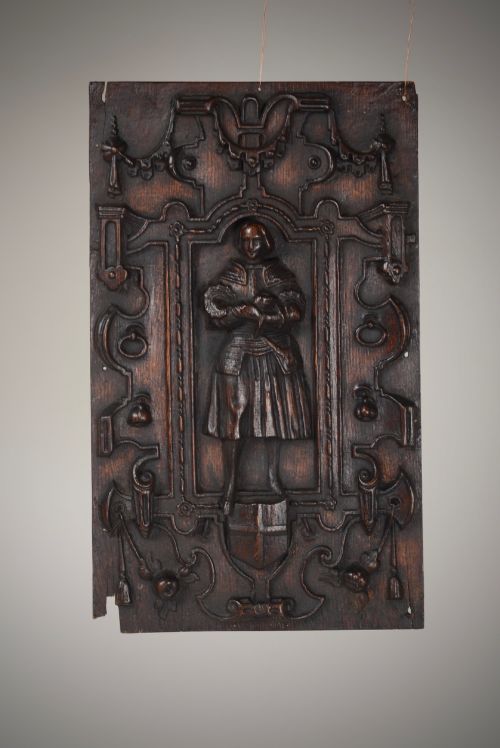
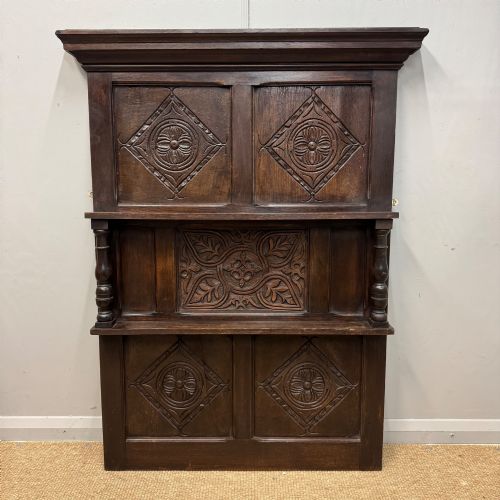
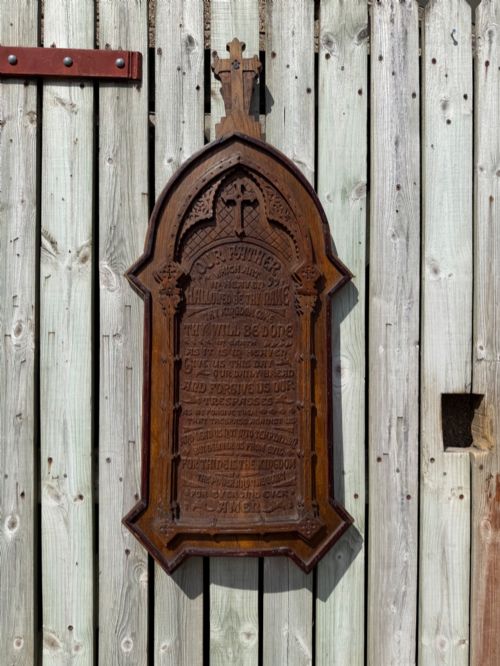
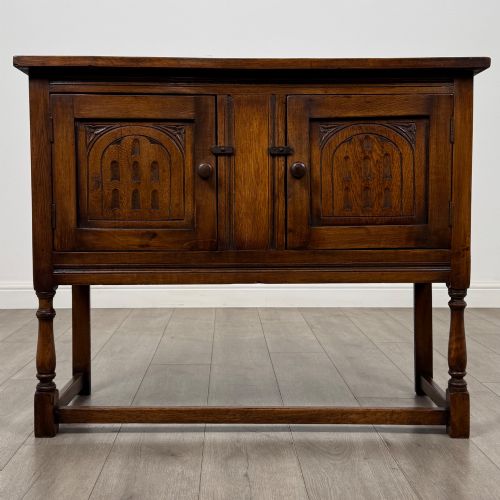
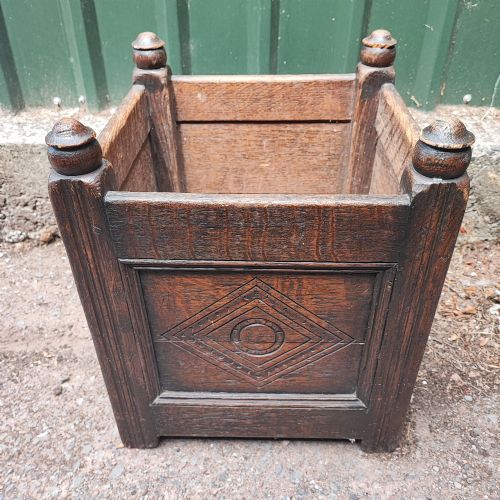
You meet architectural fragments originally part of larger joinery schemes, such as overmantels, coffer fronts, and room dividers. Many pieces derive from specific historical revivals, including Jacobean and Gothic styles, alongside imported Asian screens and panels. Their forms reflect domestic storage, wall decoration, and spatial division in historic buildings.
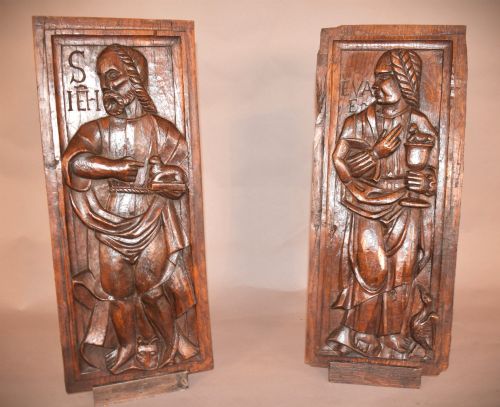
The objects present various scales, from single devotional plaques to large four-panel room dividers and fitted cupboards. The grouping includes distinct regional types, such as English country oak alongside Burmese, Indian, and Chinese items. These elements combine to give buyers tangible links to historic woodworking traditions.
What varies in quality
Originality of the timber and surface patination determine the integrity of each piece. Surviving historic fixings, minimal timber replacement, and consistent colour across the wood surface elevate the standing of an item within its period.
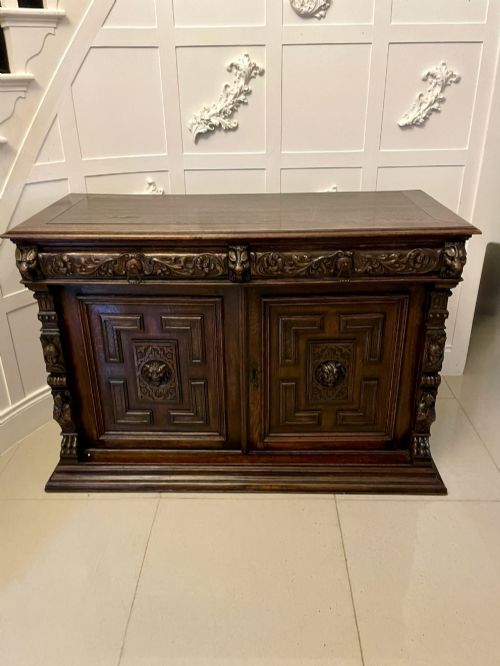
Look closely for the hidden foliage of Green Man carvings peering out from centuries-old oak.
The Brown Wood Panel Carving Glossary
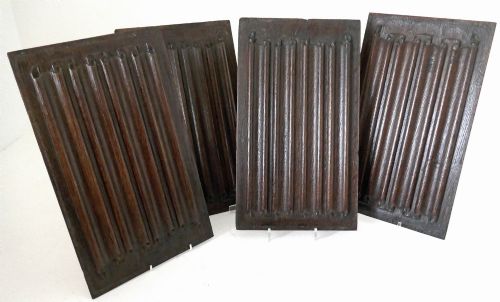
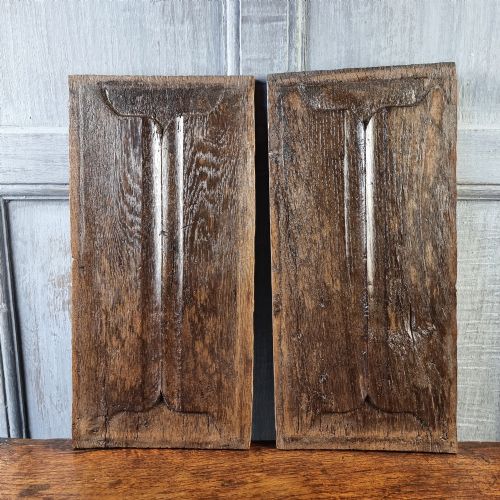
- Linenfold
- A style of wood moulding imitating folded linen cloth, common on 16th century panels. It is executed with specialised gouges to create realistic textile folds.
- Wainscot
- A type of oak panelling used on walls, or applied to chairs and settles constructed with framed panels. The term denotes heavy timber framing typical of the 17th century.
- Overmantel
- A decorative panel or mirror frame positioned above a fireplace opening. These architectural elements frequently display elaborate carvings or coats of arms.
- Coffer
- A large wooden chest used for storage, constructed with heavy plank or framed sides. Early examples feature carved front panels set into sturdy stiles and rails.
- Mashrabiya
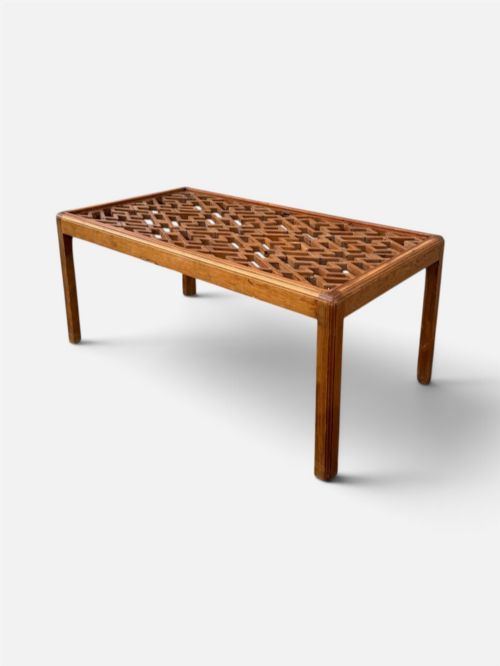
- An architectural element consisting of an ornate wooden screen or room divider. These items utilise turned wood and pierced panels to filter light and air.
- Green Man
- A sculptural motif consisting of a face carved with leaves, twigs, or vines sprouting from the mouth. This pagan symbol appears frequently in medieval and revival architectural woodwork.
Brown Wood Panel Carving: Frequently Asked Questions
How were historic panels used?
Historic panels served as structural wall linings, decorative overmantels, and components of large furniture items like coffers and cupboards. They provided insulation against damp stone walls and displayed social status through intricate carving.
Over centuries, many panels were removed from their original architectural settings and mounted as standalone wall art or incorporated into later furniture adaptations.
How do I date a carved panel?
Dating relies on examining the joinery methods, tool marks left by hand chisels, and the specific style of the carving. Early 16th century pieces often feature linenfold motifs, while 17th century items display geometric strapwork or figural relief.
Timber species also offer clues, as English oak predominates in early domestic items, while walnut and exotic hardwoods appear in later centuries and imported pieces.
How do I hang a heavy wood panel?
Heavy panels require secure fixings into structural wall studs or masonry using appropriate steel brackets and heavy-duty screws. The weight of solid oak requires load-bearing support beneath the panel rather than relying solely on top hangers.
Professional installers should assess the wall construction to ensure the fixings can safely bear the substantial weight of dense historic hardwoods.
Can these panels be cleaned?
Maintenance involves gentle dusting with a dry, soft cloth to prevent the accumulation of grit in carved recesses. Avoid using modern polishes, water, or chemical cleaners that can damage the historic wax finish and dry out the timber.
Applying a traditional microcrystalline wax occasionally helps protect the surface and preserve the natural patination built up over centuries.