





Antique Carved Oak Artwork
These antique carved oak artwork pieces bring centuries of texture and timber character into modern rooms.
Antique Carved Oak Artwork
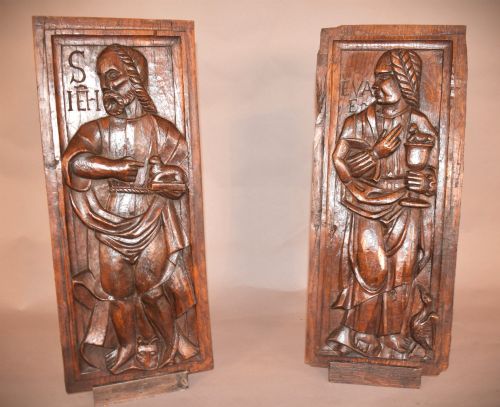
When you search for antique carved oak artwork, you encounter a varied assortment of wall pieces mounted or framed in oak. The selections span centuries, incorporating carved panels, oil paintings on oak panels, and tapestries housed within heavy timber frames.
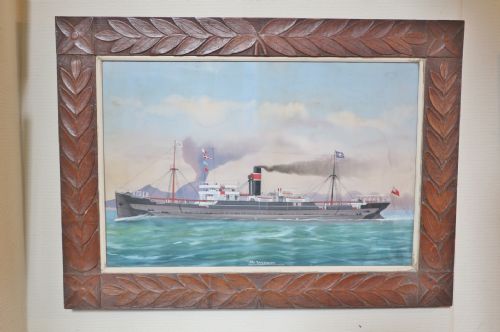
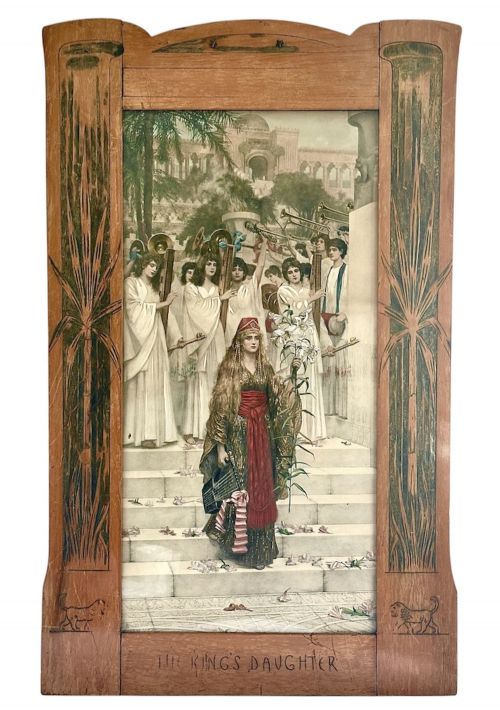
The objects on this page range from seventeenth century fragments to Edwardian prints and twentieth century framed works. You will frequently find pieces that repurpose older carved architectural elements alongside traditional framed paintings.
Origin and period dictate the character of each piece, linking domestic British and European interiors of the past directly to contemporary walls. These items function primarily as wall art, bringing deep grain and relief work into living spaces.
Materials and construction methods
Makers utilised solid oak for framing and panels, applying hand-carving techniques to shape deep relief patterns and architectural motifs. This dense timber provides both structural heft and a rich surface texture that deepens with age.
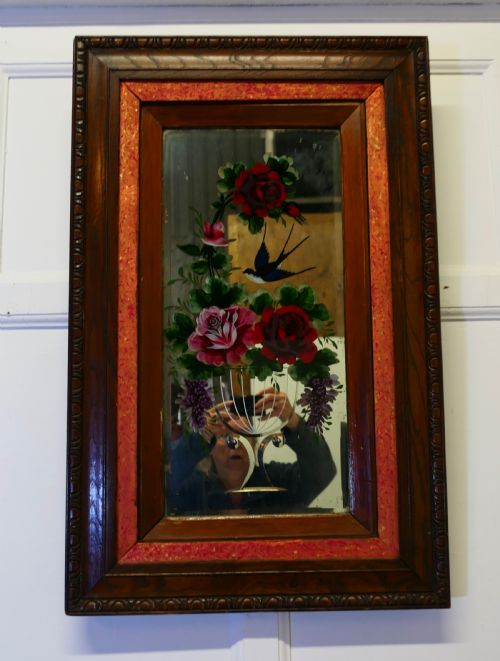
Surface finishes include oil paint applied directly to wood panels, as well as canvas and paper secured within heavy timber mouldings. Giltwood accents and reverse painted glass occasionally complement the primary oak structures.
Antique Carved Oak Artwork Retail Price Guide 2026
Typical asking prices for carved oak artwork among the pieces listed under this phrase on Sellingantiques today, from the lower quarter to the upper quarter. They describe what is for sale here now, not the wider market.
Listings feature items spanning from the seventeenth century through to the 1930s, utilising oak, glass, canvas, and oil paint.
Assessing quality in carved oak pieces
Quality rests in the crispness of the hand-carving and the integration between the artwork and its oak housing. Finer pieces display deep, confident chisel work with well-defined edges on panels and frames.
The relationship between the age of the timber and the artwork dictates the coherence of the piece. Superior examples maintain balanced proportions where the weight of the oak enhances rather than overpowers the visual subject.
The Antique Carved Oak Artwork Glossary
- Carved oak
- Timber shaped with chisels and gouges to create raised ornamental patterns. This material forms the primary structural and decorative base for many historical wall pieces.
- Oil on panel
- Pigment applied directly to a rigid wooden support, frequently oak in European traditions. This technique provides a stable surface that outlasts traditional canvas.
- Photogravure
- A printmaking process that produces photographic images with continuous tones. These works often appear framed in period timber mouldings.
- Reverse painted
- Glass decorated from the back so the design shows correctly through the front. This technique creates a glossy, reflective surface finish.
- Tapestry
- A form of textile art woven by hand on a loom. Historical examples are frequently mounted behind glass within heavy wooden frames.
Antique Carved Oak Artwork: Frequently Asked Questions
Where should I place oak artwork at home?
Position these pieces away from direct sunlight and abrupt temperature changes to protect both the wood and any accompanying paint or canvas. Stable indoor conditions prevent the oak from drying out or splitting.
They work well on neutral walls where the dark grain and relief carving provide strong visual contrast. Hallways, living rooms, and studies suit the historical weight of these items.
How do I clean antique oak frames?
Dust the timber gently with a dry, soft cloth to remove surface particles without disturbing the grain or finish. Avoid using wet cloths, liquid polish, or chemical sprays on aged wood.
If the carving requires deeper cleaning, consult a specialist conservator rather than attempting home remedies. Maintaining a dry environment is the best routine care for historical oak.
Are these oak panels original architectural fragments?
Many carved panels originate from dismantled furniture, wall panelling, or ecclesiastical buildings rather than purpose-built artworks. Makers frequently mounted these surviving elements into frames to preserve them as wall pieces.
Examining the reverse side often reveals peg holes, joint marks, or tool signatures that hint at the original function. This secondary use has a long history among collectors and dealers.