



Brown Wood Marquetry Chest
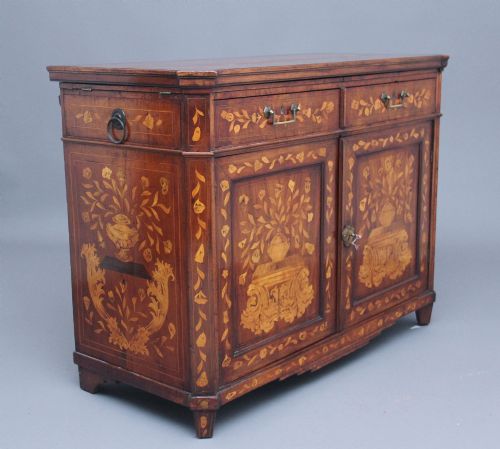
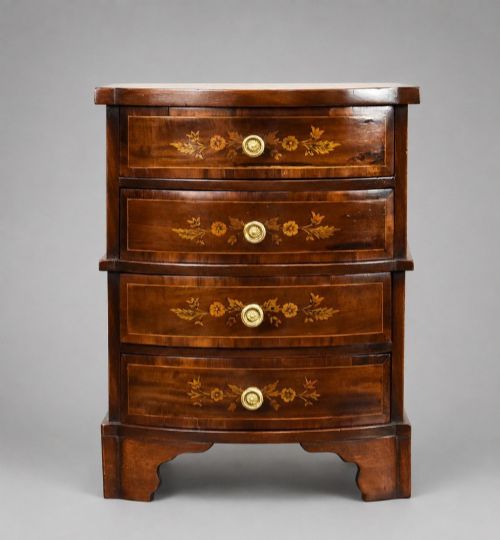
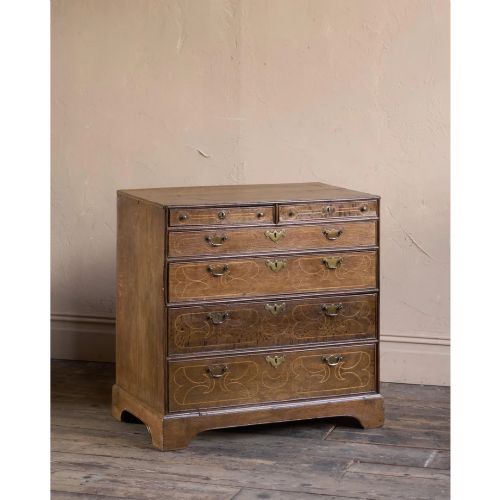
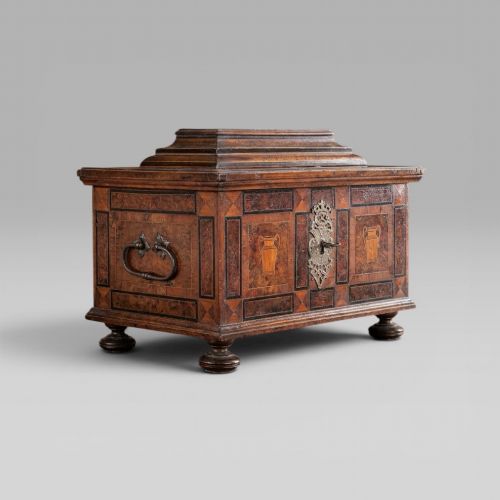
A brown wood marquetry chest brings centuries of intricate floral and geometric patterns into a room through masterful woodworking.
Brown Wood Marquetry Chest
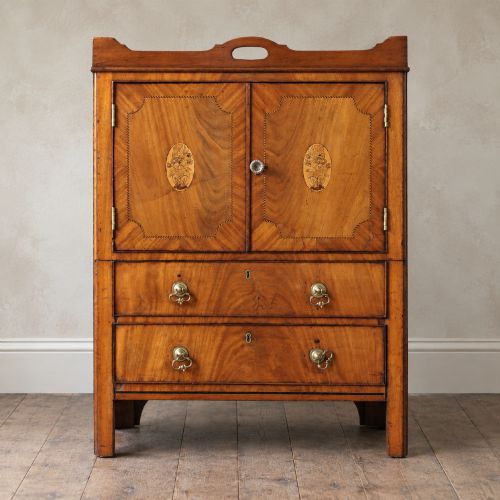
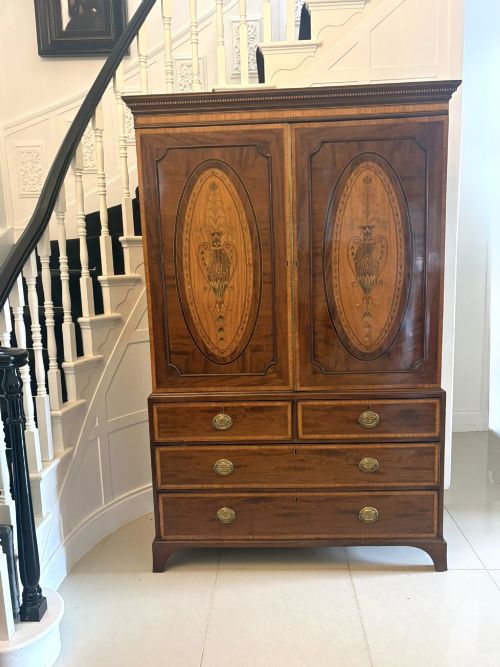
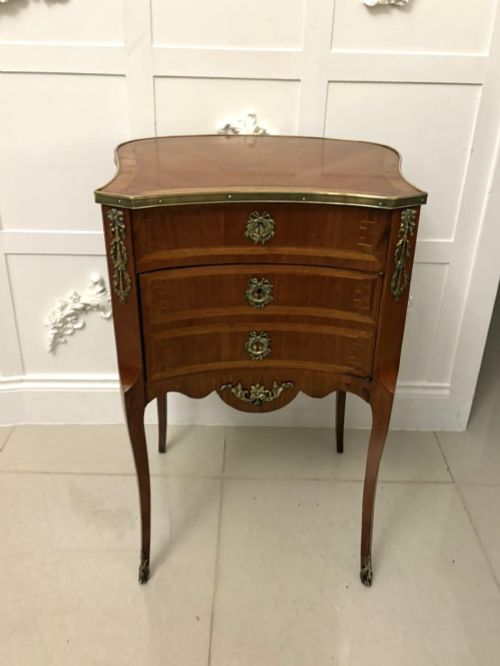
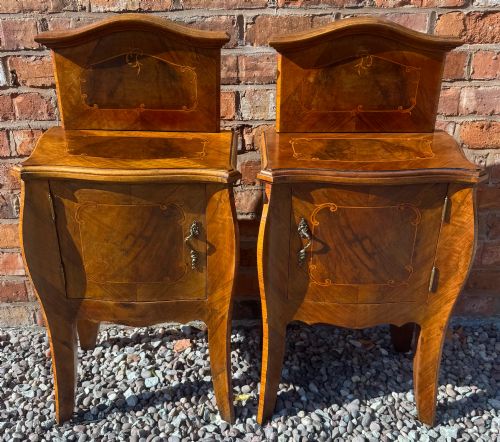
A brown wood marquetry chest encompasses various storage forms ranging from grand seventeenth-century drawer units to compact nineteenth-century bedside cabinets and decorative boxes. These pieces bring detailed inlaid decoration to functional furniture, utilising diverse timbers to create pictorial surfaces.
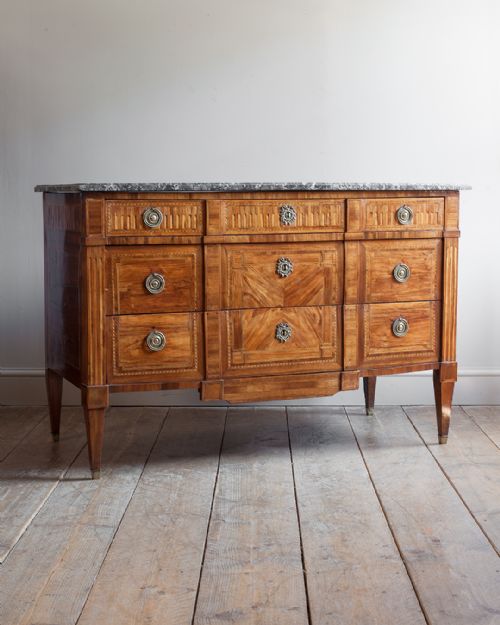
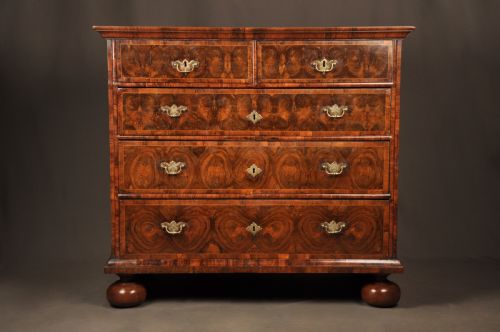
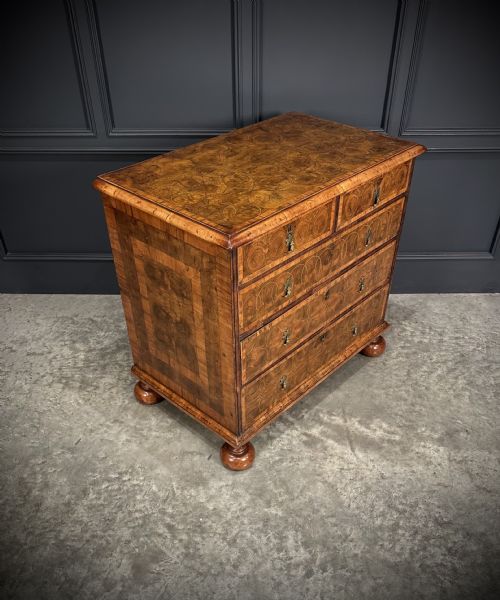
The pieces on this page stem predominantly from seventeenth, eighteenth, and nineteenth-century traditions, alongside specific revivals like the Louis styles. Buyers regularly encounter seventeenth-century oyster veneered or floral inlaid drawer units alongside Georgian mahogany and French commodes.
Materials and construction
Cabinetmakers utilised structural woods such as oak, walnut, and mahogany as foundations for decorative veneers and elaborate inlays. Walnut and mahogany provide sturdy carcases that resist warping while supporting complex surface decoration.
Artisans applied fruitwood, boxwood, harewood, and kingwood in precise wood inlay and parquetry patterns to create contrasting tones across the facade. Specialised cutting techniques allowed makers to fit delicate botanical and geometric motifs flush into the primary timber.
Listings feature eighteenth-century Dutch bombé commodes alongside seventeenth-century oyster veneered cabinets on stand.
Evaluating craftsmanship
The refinement of the marquetry design and the variety of contrasting woods dictate the visual impact of each piece. Superior examples display meticulous hand-cutting where individual floral petals or geometric tiles fit tightly without visible filler.
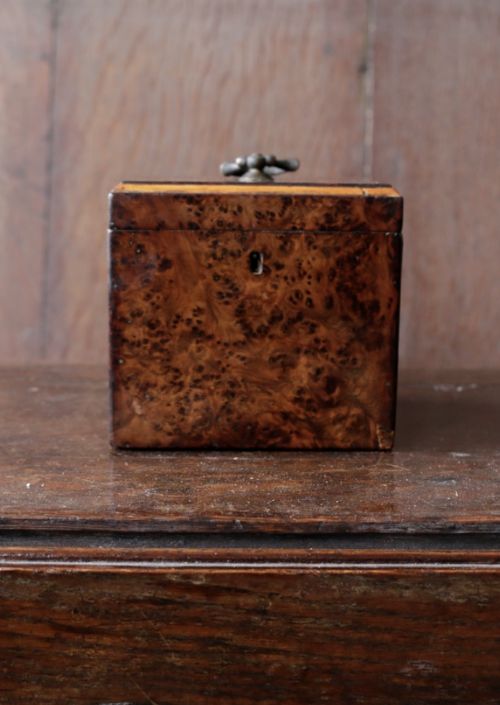
The choice of primary and secondary timbers also separates standard production from exceptional cabinetwork. Oyster veneering, burr wood selections, and the incorporation of brass or marble tops elevate the sophistication of the construction.
Edwards & Roberts·Keeble London
The Brown Wood Marquetry Chest Glossary
- Marquetry
- The art of applying pieces of veneer to a structure to form decorative patterns and pictorial designs. This technique relies on contrasting wood colours to build depth.
- Oyster veneering
- A method of cutting small branches obliquely to create circular or oval patterns resembling oyster shells. Cabinetmakers utilised this intricate grain display extensively in the seventeenth century.
- Parquetry
- Geometric mosaic woodwork arranged in repeating patterns such as cubes or triangles. It differs from floral marquetry through its strict reliance on angled lines.
- Commode
- A low chest of drawers developed in France and adopted across Europe during the eighteenth century. These decorative storage units often feature marble tops and shaped fronts.
- Tea caddy
- A small box designed to store loose tea leaves securely. Makers applied fine wood inlay and brass fittings to protect valuable imported tea.
Brown Wood Marquetry Chest: Frequently Asked Questions
How do I date a marquetry chest?
Dating relies on examining the construction methods of the drawers, the underlying timber species, and the specific style of the inlay work. Seventeenth-century examples often feature oyster veneers on oak carcases, whereas eighteenth-century pieces commonly utilise mahogany or walnut with floral motifs.
Secondary woods inside the drawers also provide chronological clues. Hand-cut dovetails and regional cabinetmaking traits help narrow down the decade of production.
Where should I place a brown wood chest?
These decorative storage pieces suit living rooms, hallways, or bedrooms where their intricate wood patterns remain visible. Placing them away from direct sunlight and heat sources protects the delicate veneers from drying out.
Many collectors use smaller boxes and caddies on side tables, while larger chests serve as anchor furniture against plain walls.
How do I care for antique wood inlay?
Maintenance involves dusting with a soft, dry cloth and applying high-quality wax sparingly to nourish the timber. Avoid liquid polishes and silicone sprays, which can seep beneath lifted veneer edges and damage the glue.
Maintaining stable room humidity prevents the different woods used in the marquetry from expanding and contracting at uneven rates.
What is the difference between marquetry and parquetry?
Marquetry focuses on pictorial and organic designs such as flowers, foliage, and figures composed of various tinted woods. Artisans cut these complex shapes freehand to form lifelike scenes across the furniture surface.
Parquetry uses geometric shapes like squares, triangles, and diamonds to create repeating abstract patterns. Both techniques enhance brown wood furniture but serve different aesthetic goals.