



Inlaid Floral Sideboard
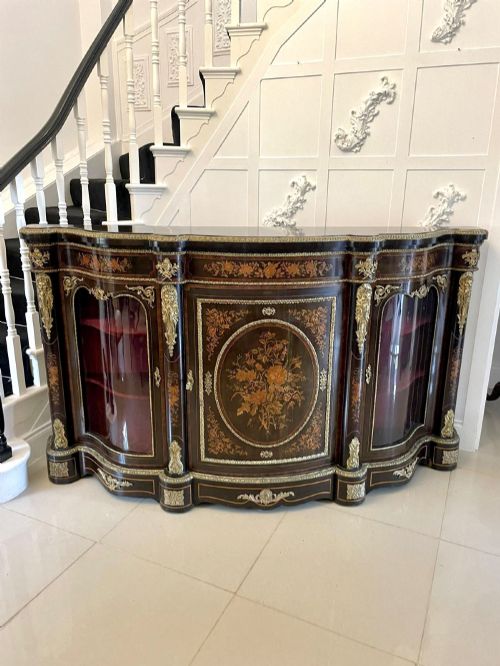
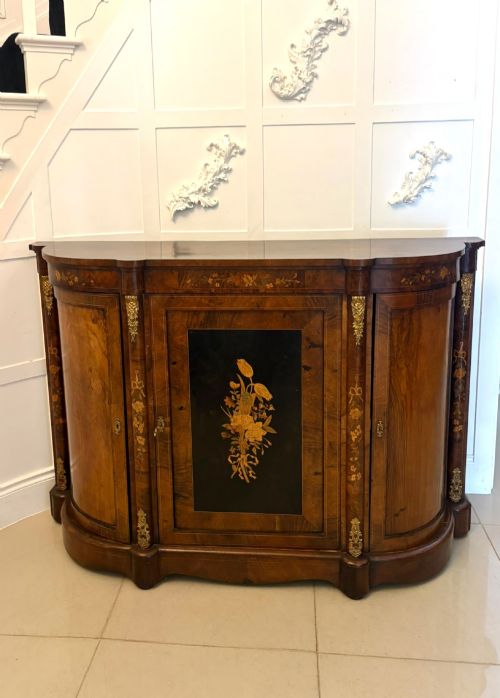
An inlaid floral sideboard brings botanical marquetry and figured timber into the dining room or parlour.
Inlaid Floral Sideboard
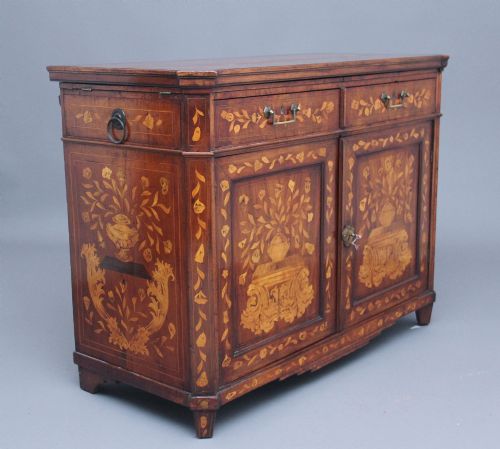
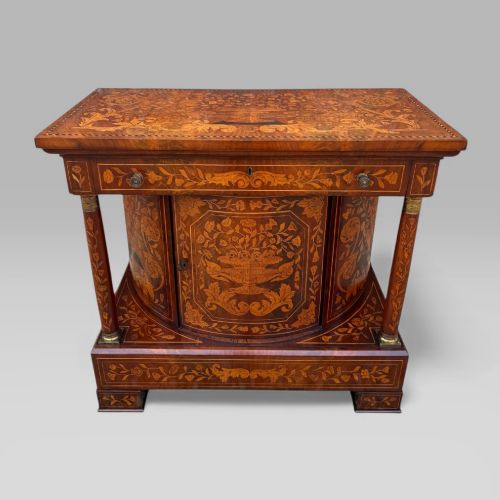
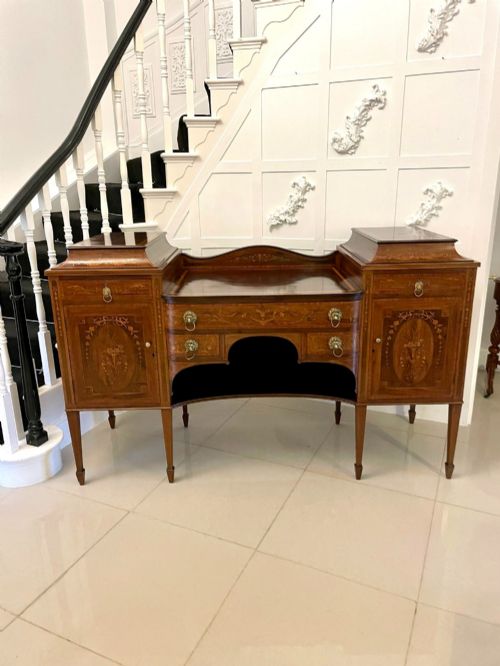
An inlaid floral sideboard combines cabinet-making with botanical ornamentation, utilising contrasting timbers and veneers to depict leaves and blossoms across the front. The search phrase covers a range of large dining room servers, smaller credenzas, and side cabinets produced across the nineteenth century.
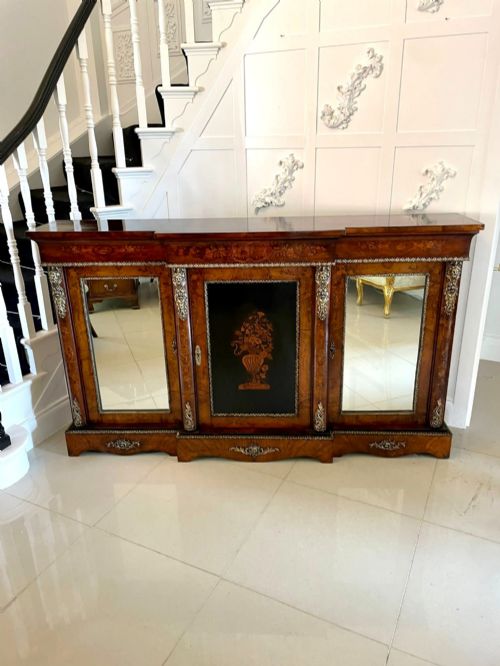
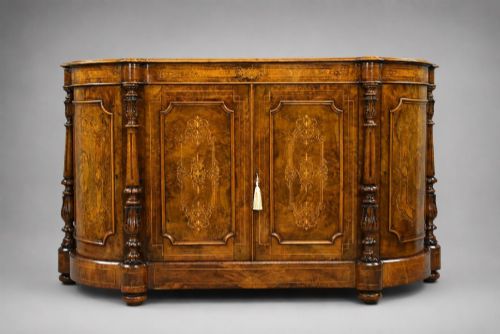
Victorian examples dominate the selection, frequently formed with burr walnut and serpentine fronts. These pieces served to display porcelain and store dining linen while anchoring the reception room with rich floral motifs.
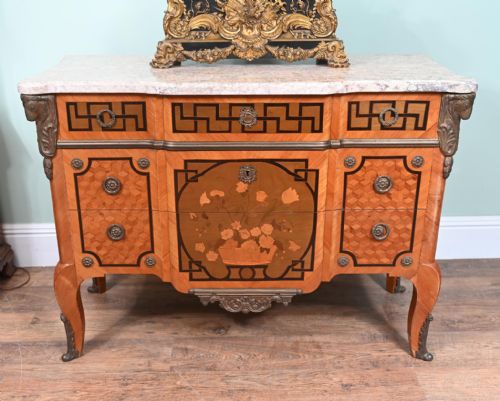
Alongside British Victorian pieces, French Louis-style cabinets and Dutch marquetry items appear, offering different interpretations of floral inlay on walnut, mahogany, and ebonised surfaces.
Materials and construction methods
Cabinet-makers built the carcase using solid timbers such as mahogany or walnut, applying fine veneers across the exterior surfaces. Burr walnut supplied complex, swirling grain patterns that contrasted against lighter inlay woods.
Floral motifs were created through marquetry, cutting delicate patterns from various stained and natural wood veneers before fitting them into a ground veneer. Ormolu mounts, brass stringing, and marble tops frequently completed the construction on finer examples.
Amid the stately walnut and mahogany, a cheerful black Chinoiserie cupboard introduces hand-painted birds and flowers into the mix.
Factors influencing quality
The precision of the marquetry cutting dictates the clarity and sharpness of the floral stems and petals. Finer work integrates varied wood shades and grains to create naturalistic depth without relying heavily on ink-burning or drawn-on details.
The selection of the primary timber grounds the piece, with figured burr walnut and figured mahogany elevating the visual weight. Additional use of gilt bronze ormolu mounts and shaped marble tops marks out ambitious cabinet-making.
Hewetsons London
The Inlaid Floral Sideboard Glossary
- Marquetry
- A technique where pieces of veneer are fitted together to form decorative pictures and patterns on a wooden carcase. This differs from inlay, which involves sinking designs into a solid surface.
- Credenza
- A low cabinet, often fitted with glass doors or curved side cupboards, developed in the nineteenth century for reception rooms. These items frequently share characteristics with sideboards.
- Ormolu
- Gilded bronze used for decorative mounts, feet, and border trimmings on nineteenth-century furniture. The metalwork is cast and chased before receiving its gold finish.
- Burr walnut
- Timber taken from the abnormal growth of a walnut tree, yielding highly figured swirling grain patterns. It provides a rich background for floral marquetry.
Inlaid Floral Sideboard: Frequently Asked Questions
Where should an inlaid floral sideboard be placed?
These cabinets suit dining rooms, grand hallways, or drawing rooms where their decorative fronts remain visible. They function effectively as display surfaces for lamps or ceramics while offering enclosed storage.
Position the piece away from direct sunlight and heat sources to protect the delicate wood veneers and marquetry details from drying out and cracking over time.
How do I care for antique veneer and marquetry?
Dust the surfaces regularly with a soft, dry cloth and apply a quality beeswax sparingly to nourish the timber. Avoid modern silicone sprays, which can penetrate porous old finishes and damage the wood.
Maintain a stable room temperature and humidity level to prevent the thin veneers from lifting or warping away from the solid carcase.
How do I identify Victorian floral marquetry?
Victorian examples frequently utilise burr walnut grounds paired with contrasting fruitwoods to depict naturalistic flowers and leaves. Ormolu mounts and serpentine front profiles often accompany these floral panels.
Earlier eighteenth-century pieces display Dutch influences with denser, more colourful floral compositions, whereas Victorian items lean toward rhythmic scrolling stems and botanical realism.