
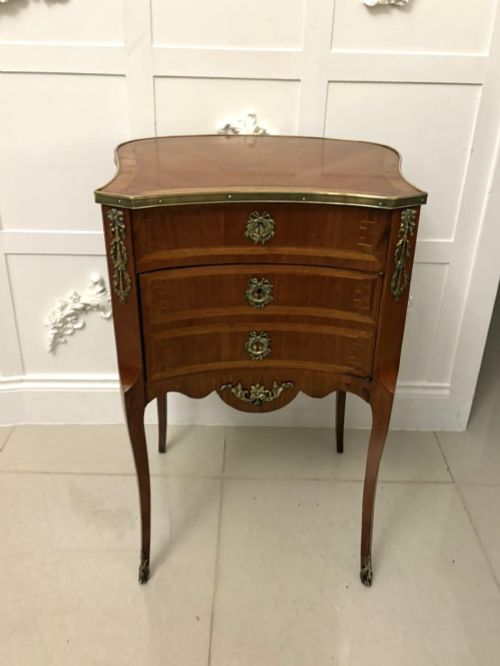
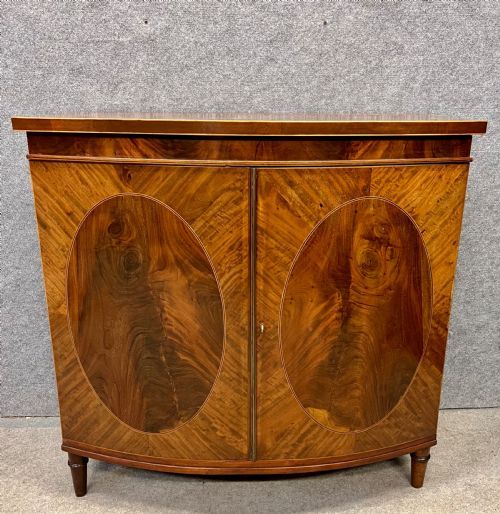
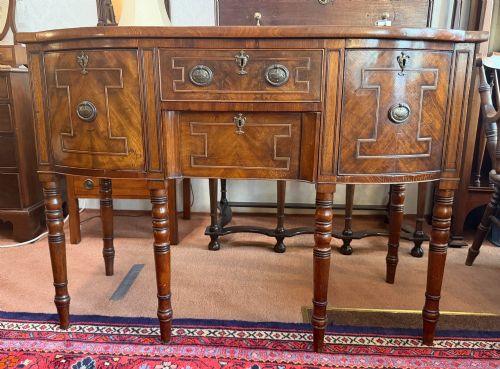
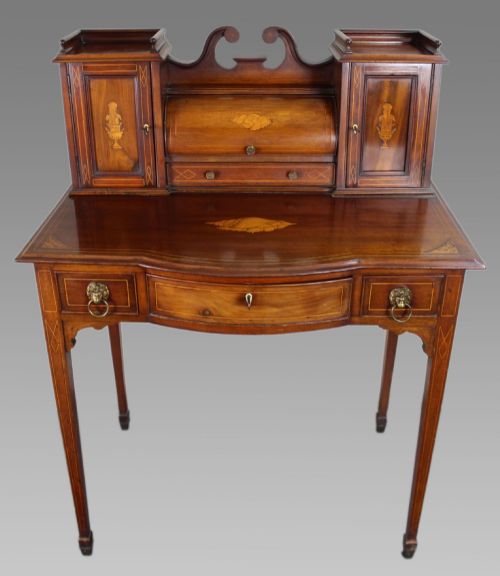
Brown Wood Inlay Table
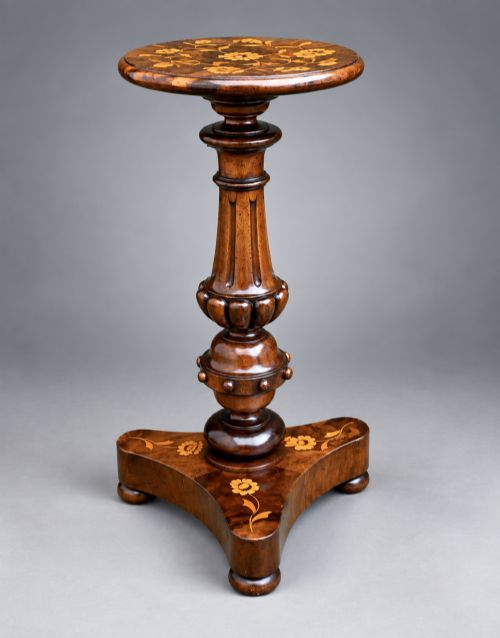
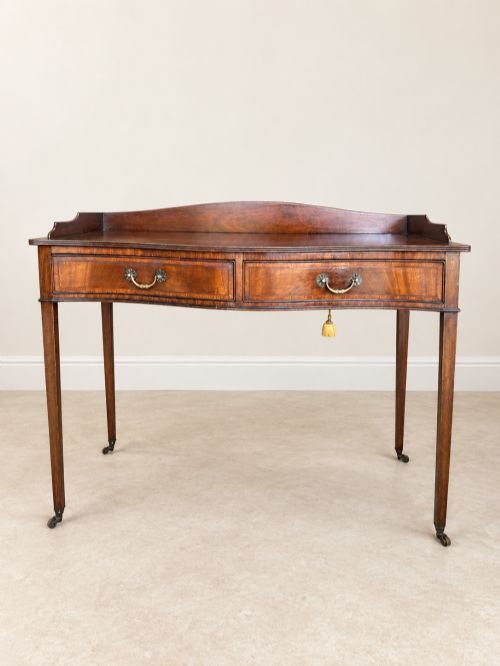
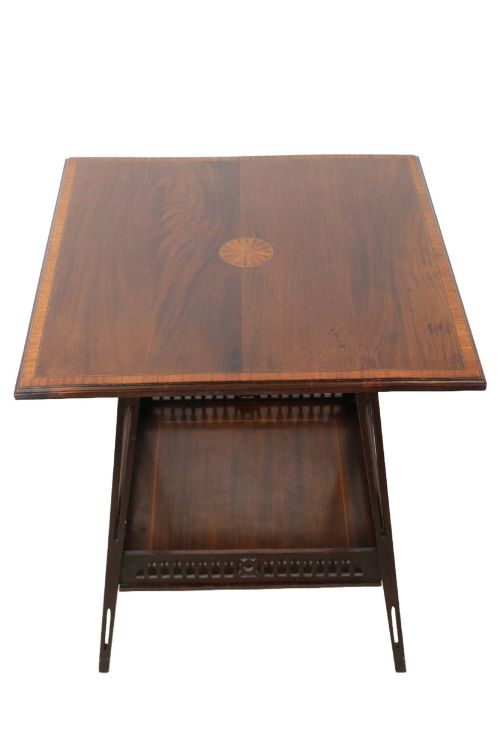
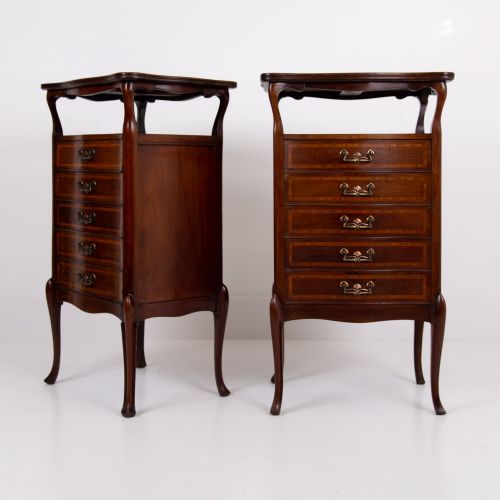
A brown wood inlay table brings warmth and intricate pattern into a room, offering both a sturdy surface and delicate decorative contrast.
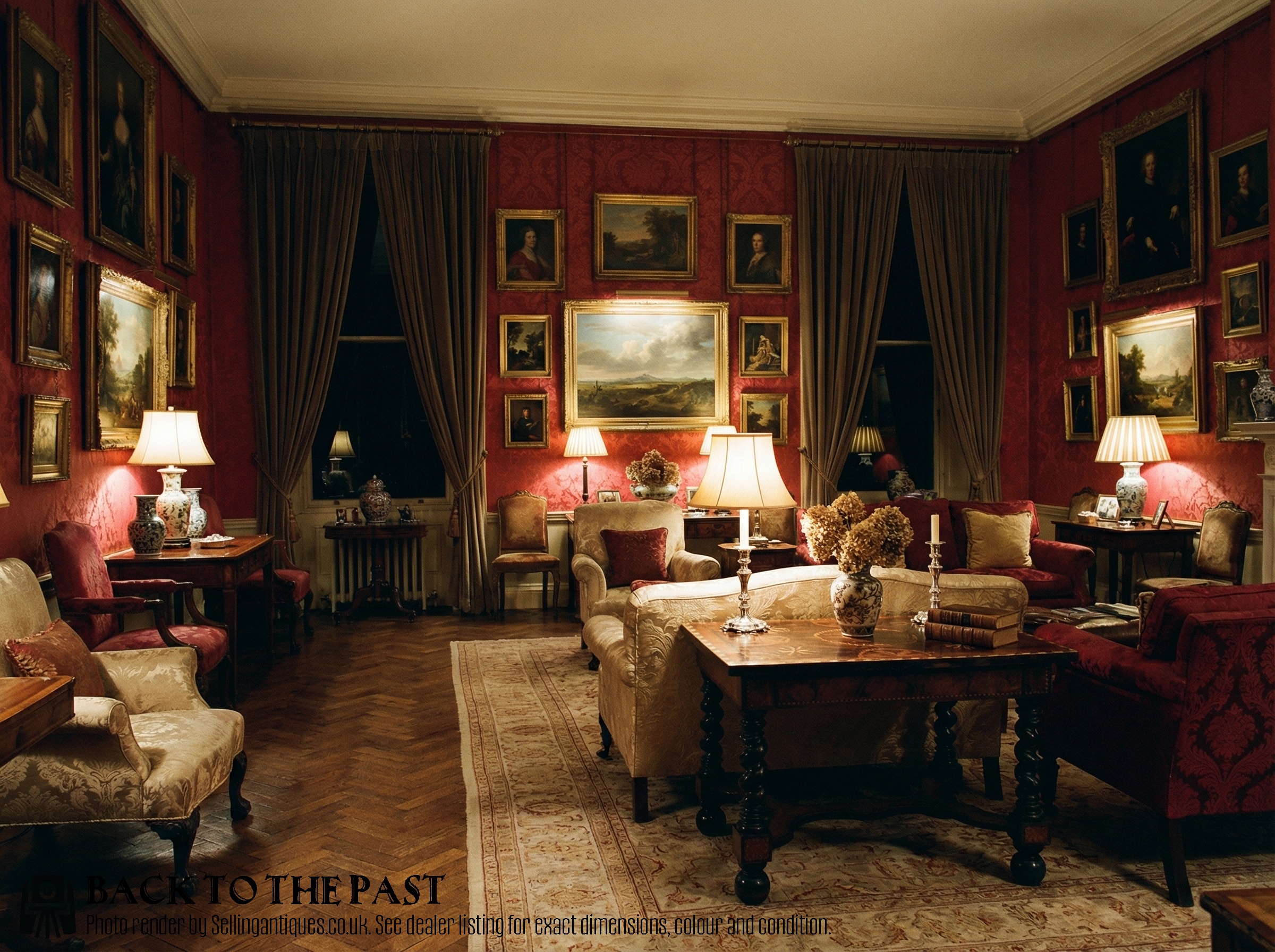
Brown Wood Inlay Table
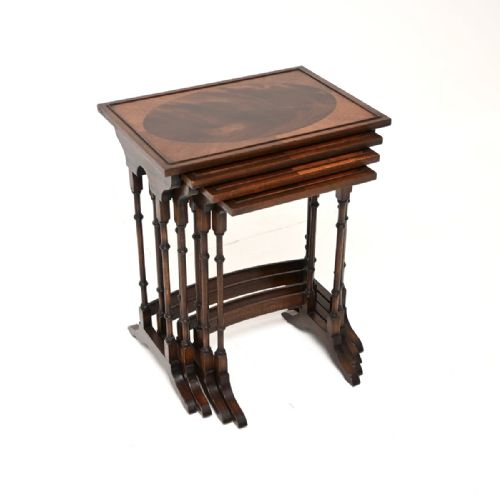
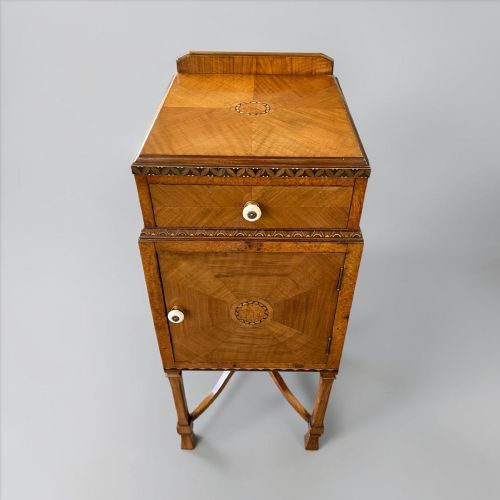
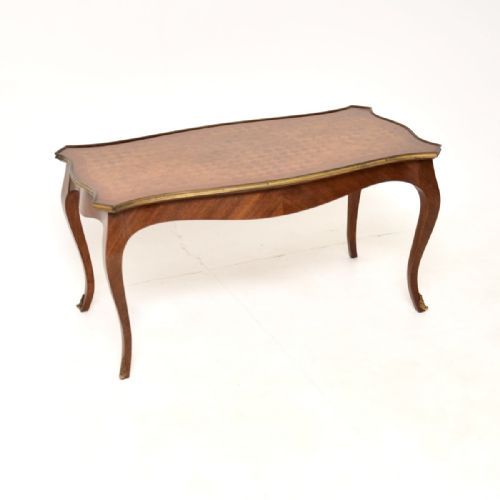
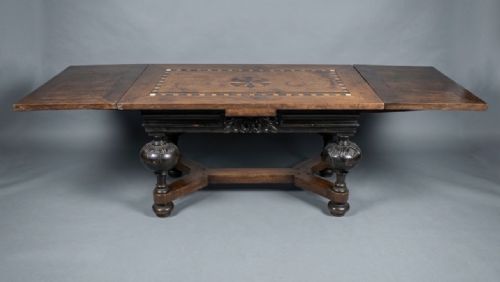
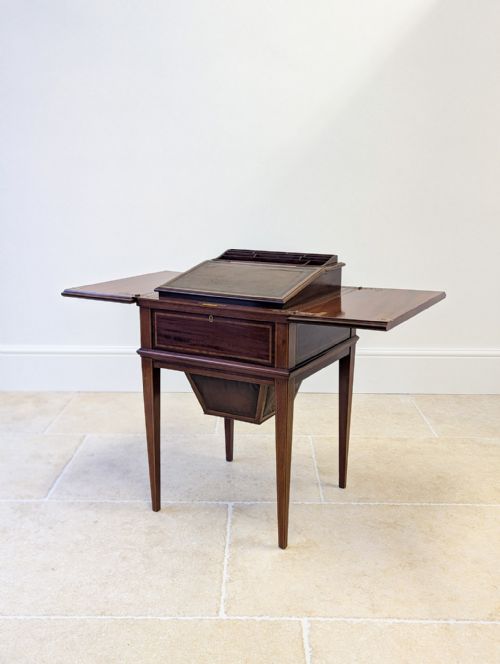
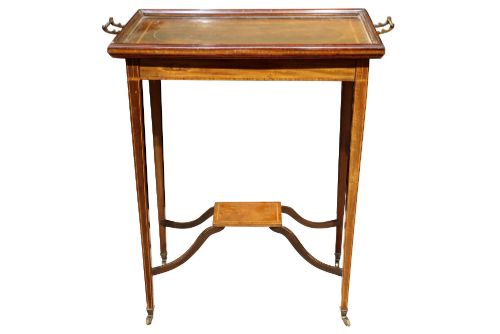
A brown wood inlay table combines a dark timber base with lighter contrasting woods fitted directly into the surface to form decorative motifs. When searching for a brown wood inlay table, buyers encounter a wide array of forms spanning several centuries, from Georgian Pembroke tables to Edwardian occasional pieces.
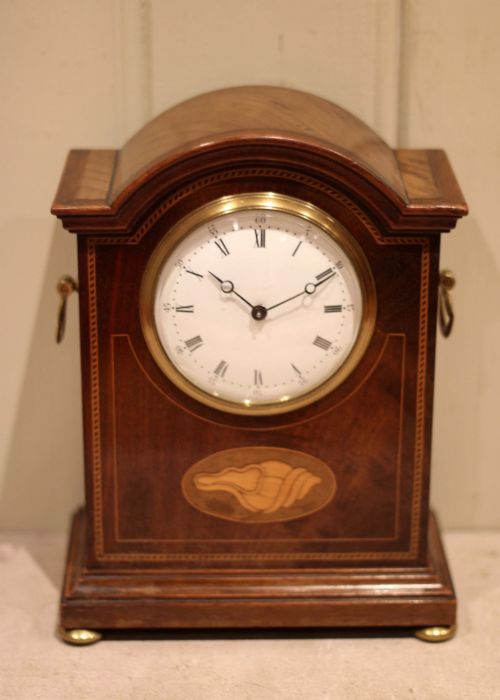
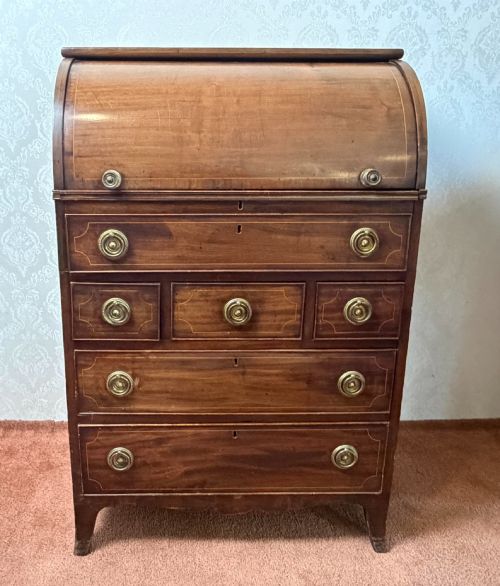
The Edwardian period supplies many of the examples seen here, often taking the form of mahogany occasional tables, small cabinets, and writing desks embellished with satinwood or boxwood. These pieces served practical domestic functions in period homes while displaying refined surface ornament.
Beyond Edwardian occasional furniture, the selection encompasses eighteenth-century card tables, nineteenth-century coffee tables, and side pieces drawing on Regency or French revival styles. Each type utilises the contrast of timber grain and lighter inlay to catch the eye without overwhelming a room's proportions.
Variations in quality
Quality rests heavily on the precision of the inlay work and the selection of the underlying timber. Finer examples display tight, seamless joints where the contrasting woods meet, with no visible gaps or coarse filler.
The choice of secondary woods and the crispness of carved details further separate standard production from superior craftsmanship. Well-executed pieces maintain balanced proportions and harmonious grain patterns across the entire top surface.
One exceptional nineteenth-century piece combines thuya wood, ebonised framing, ivory inlay, and Wedgwood ceramic plaques in a single pedestal desk.
Trevor Page & Co·Jackson & Graham
The Brown Wood Inlay Table Glossary
- Inlay
- A technique where pieces of contrasting material are embedded into a recessed surface to form a pattern or picture. This method creates a smooth, flush finish across the decorated area.
- Mahogany
- A durable, reddish-brown tropical hardwood favoured by cabinet makers for its stability and rich grain. It formed the primary structure for many fine tables and case pieces.
- Satinwood
- A pale, lustrous timber used extensively for contrasting stringing and decorative panels. Its golden sheen provides a sharp visual counterbalance to darker woods.
- Pembroke table
- A small, versatile table featuring two hinged drop leaves on opposing sides. It often includes a single drawer and slender legs suited for mobility around a drawing room.
- Marquetry
- An elaborate form of inlay assembling various wood veneers into pictorial or decorative designs. Artisans cut intricate patterns to cover the entire top surface of a table or cabinet.
Brown Wood Inlay Table: Frequently Asked Questions
What is a brown wood inlay table?
A brown wood inlay table is a piece of furniture built from timbers such as mahogany or walnut and decorated with contrasting wood veneers fitted into the surface.
These pieces range from small Edwardian occasional tables to eighteenth-century Pembroke and card tables designed for daily use and display.
How do I identify an Edwardian inlay table?
Edwardian inlay tables typically feature light satinwood or boxwood stringing set into a mahogany frame, often with tapered legs and subtle crossbanding.
They reflect the lighter decorative tastes popular around nineteen hundred, differing from the heavier carved forms of the mid-nineteenth century.
Where were these tables used originally?
These tables served various domestic roles in drawing rooms, parlours, and bedrooms as surfaces for writing, sewing, or displaying ornaments.
Many designs, such as Pembroke or games tables, featured folding leaves or drawers to adapt to different household activities throughout the day.
How do I care for inlaid wooden surfaces?
Inlaid tables require gentle cleaning with a soft cloth and protection from direct sunlight and extreme humidity changes to prevent veneer lifting.
Applying a traditional wax polish occasionally helps nourish the timber and maintain the natural lustre of both the base wood and the delicate inlay.