

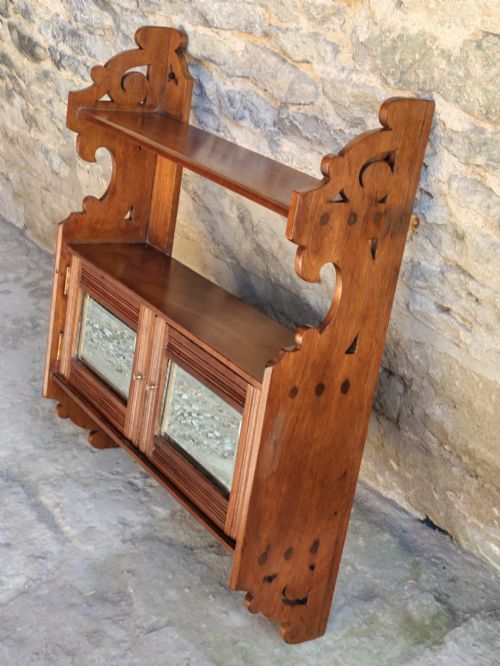
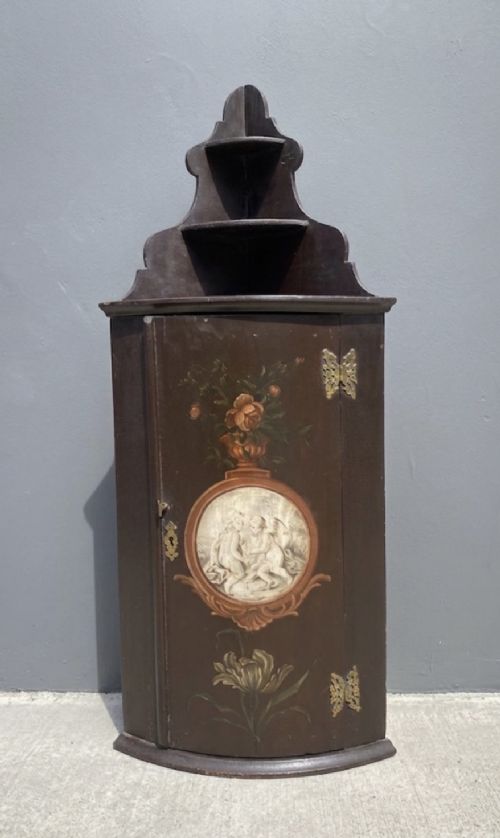

Brown Wood Hanging Cupboard
A brown wood hanging cupboard brings warmth and wall storage to a room, ranging from compact corner designs to stately Georgian cabinets.
Brown Wood Hanging Cupboard
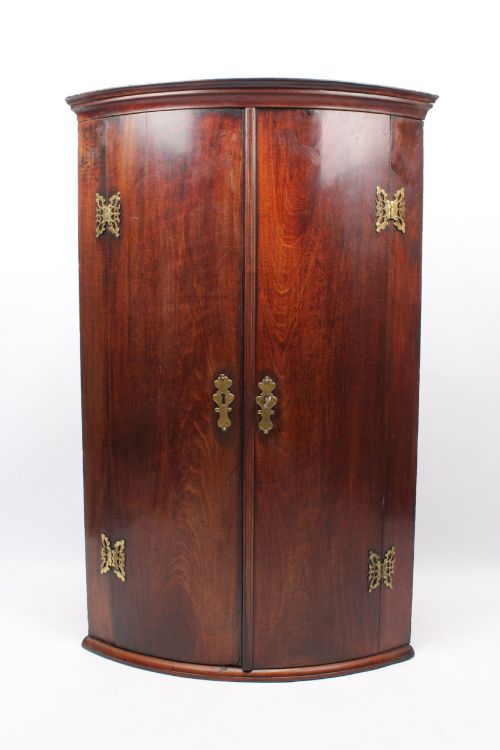
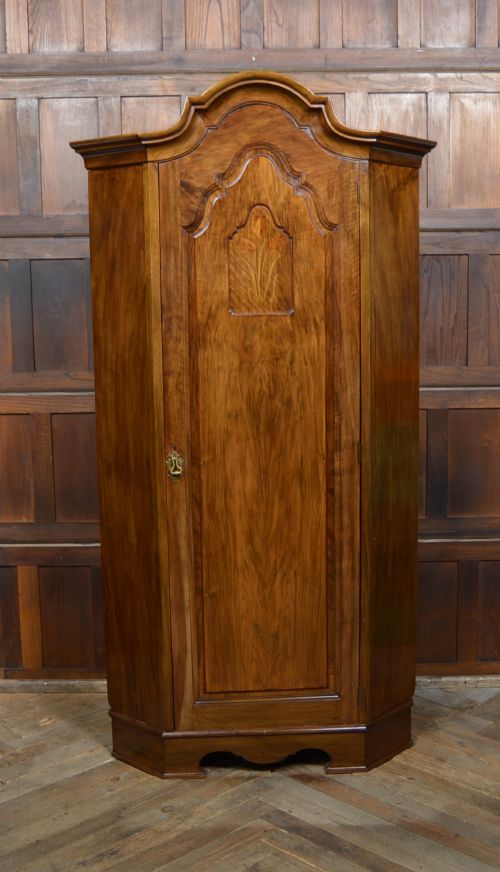
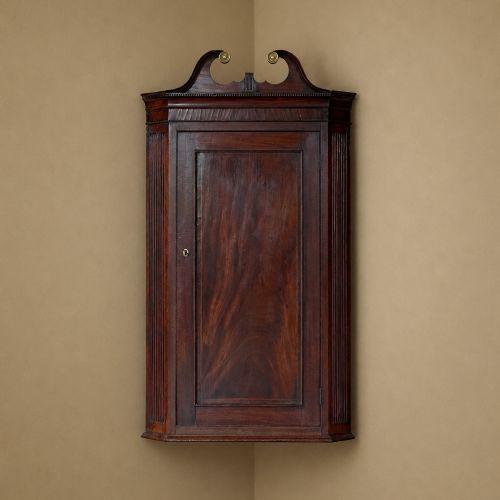
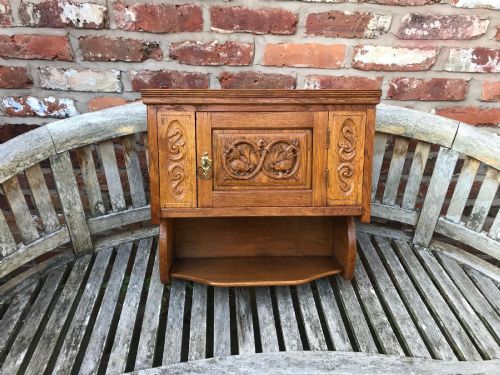
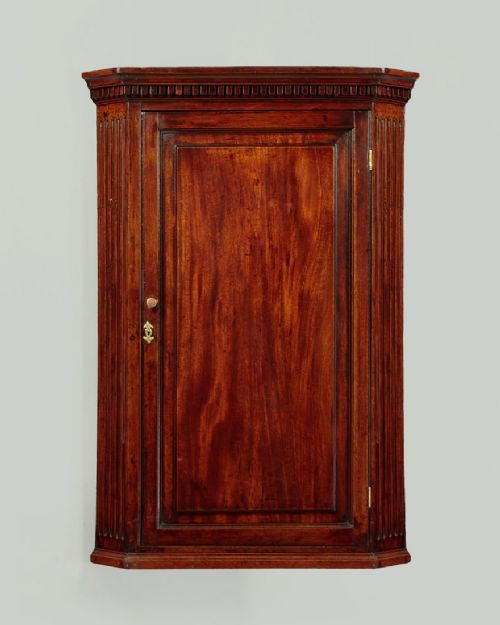
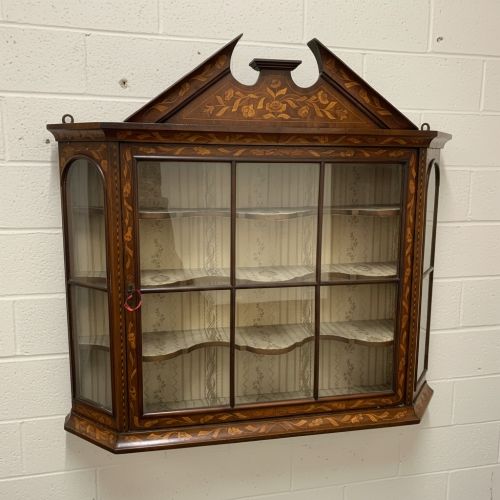
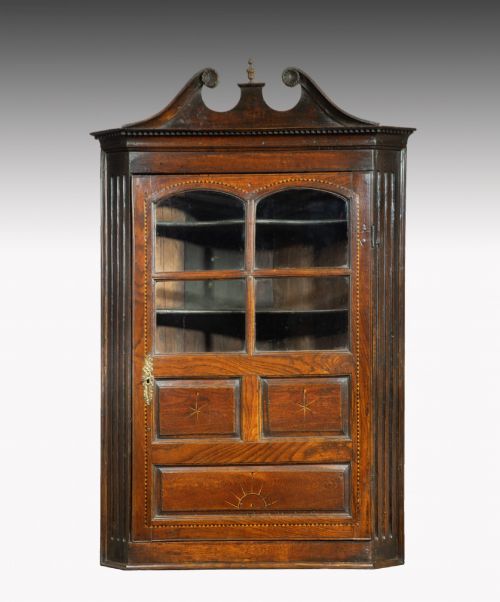
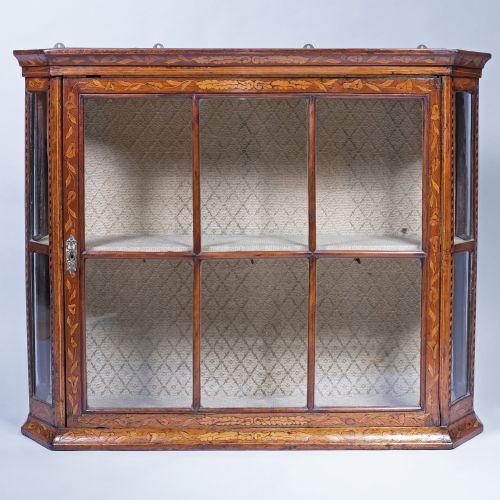
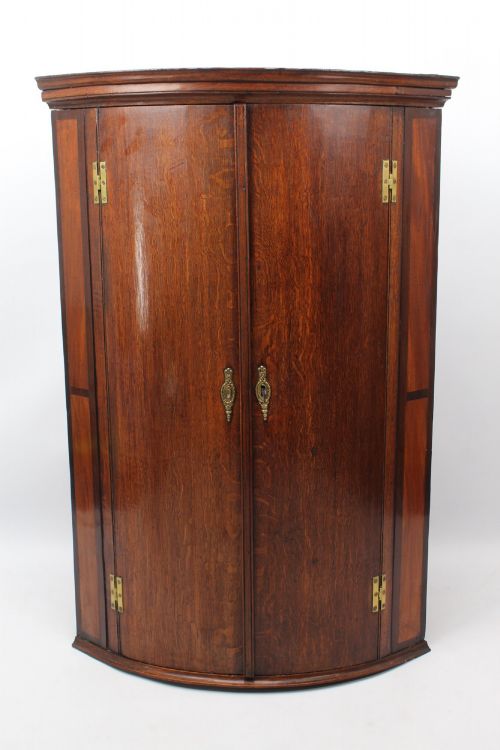
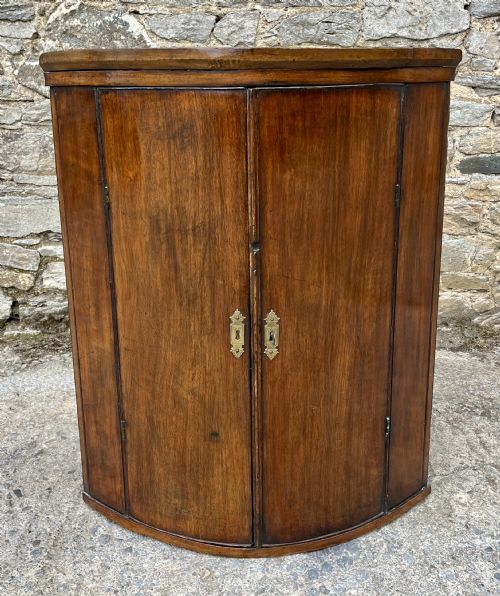
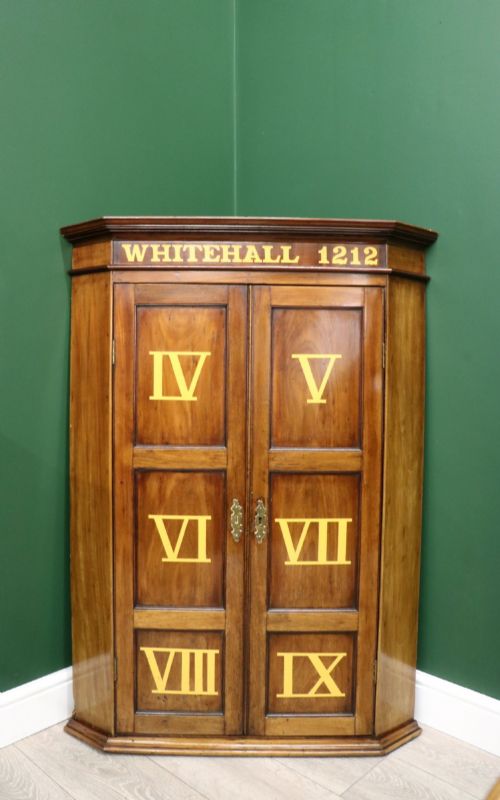
A brown wood hanging cupboard provides elevated storage while freeing up valuable floor space in traditional interiors. These pieces take various forms, appearing most frequently as corner cabinets, wall cupboards, and hanging wardrobes.
The selection encompasses centuries of domestic storage solutions, dominated by Georgian and Victorian examples. Many pieces utilise domestic and exotic timbers to form compact wall-mounted units or larger display cabinets.
Buyers will encounter items ranging from simple oak food cupboards to refined mahogany corner cabinets with glazed doors. Each piece reflects the storage needs of its period, from modest country houses to grand town residences.
How they were made
Cabinet makers utilised a range of solid woods and veneers, including oak, mahogany, walnut, satinwood, and fruitwood. Timber selection dictated whether the piece received a carved finish or a smooth polished surface.
Construction techniques relied on traditional joinery, often enhanced with crossbanding, decorative inlays, and marquetry details. Brass hardware such as hinges and escutcheons secured doors and added functional metalwork accents.
Surfaces were finished with natural polish or paint, occasionally featuring glazed panels to display contents within. Interior arrangements frequently incorporated wooden shelving or specialised compartments suited to the intended use.
Listings feature pieces spanning from the 18th century through the Victorian era to the 1960s, constructed in oak, mahogany, walnut, and satinwood.
What varies in quality
The standard of timber selection and veneer work distinguishes finer examples from simpler utilitarian pieces. Dense grains and carefully matched wood panels elevate the visual depth of the cabinet.
Joinery execution and the crispness of carved details or inlaid motifs reveal the maker's skill. Well-fitted doors and original brass hardware contribute to the integrity and coherence of the piece.
The Brown Wood Hanging Cupboard Glossary
- Bow front
- A convex curved cabinet front that projects outward. This shape became popular during the Georgian period to soften room angles.
- Crossbanding
- A decorative border of veneer laid around the perimeter of a panel with the grain running perpendicular to the centre. It frames the primary wood.
- Marquetry
- Elaborate patterns formed by fitting together contrasting pieces of veneer. Artisans utilised this technique on high-status cabinet doors.
- Panetiere
- A traditional French food cupboard designed to store bread. These ventilated cabinets often featured turned spindles.
- Corner cupboard
- A triangular cabinet specifically constructed to fit into the corner of a room. This form maximised space utilisation in older homes.
Brown Wood Hanging Cupboard: Frequently Asked Questions
Where should I hang a corner cupboard?
These cabinets suit unused room junctions, bringing dead space into practical service. They anchor visually empty corners above desks or seating.
Ensure the wall construction supports the weight of solid timber cabinets loaded with contents. Secure fixings directly into studs or masonry for safety.
How do I clean wooden cabinets?
Dust surfaces regularly with a soft, dry cloth to prevent grime accumulation. Avoid silicone sprays that build up residue over time.
Feed dry timber occasionally with appropriate wax to maintain the finish. Keep pieces away from direct heat sources and strong sunlight to prevent warping.
What is a smoker's cupboard?
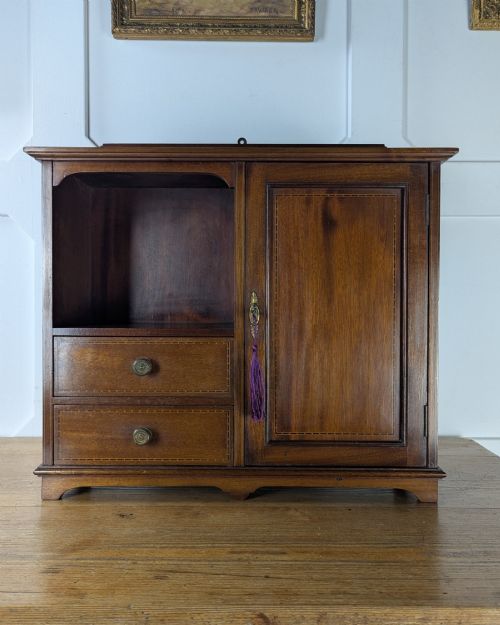
A small wall cabinet traditionally used to store tobacco, pipes, and smoking accessories. These compact units often feature internal shelving or small drawers.
They represent specialised domestic storage from the Victorian and Edwardian eras. Their diminutive scale makes them accessible for modern wall mounting.
How do I date a wooden cupboard?
Examine the timber species, construction joints, and hardware styles for period indicators. Georgian pieces frequently display mahogany or oak with hand-cut dovetails.
Compare decorative motifs like stringing, inlay, and carved detailing against known design eras. Secondary woods inside drawers can also help confirm regional origins.