



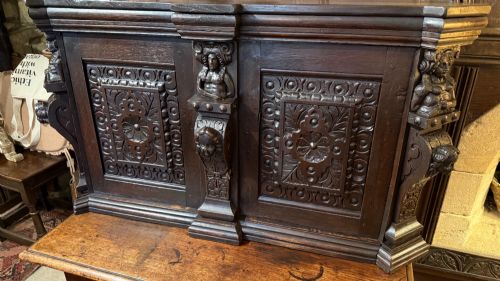
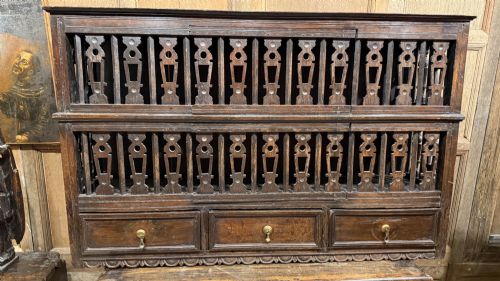


Carved Wooden Wall Cabinet
A carved wooden wall cabinet is a compact storage piece designed to mount directly to plaster or wood, bringing depth and period texture to a plain room.

Carved Wooden Wall Cabinet
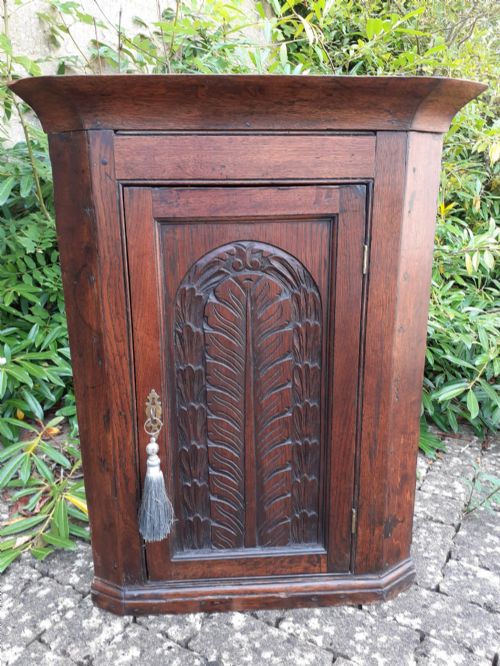
A carved wooden wall cabinet takes several distinct architectural forms, from hanging corner cupboards to flat-backed panelled compartments intended to conserve floor space in smaller rooms. You will frequently encounter sturdy oak and walnut examples originating from British and continental workshops spanning the eighteenth and nineteenth centuries.
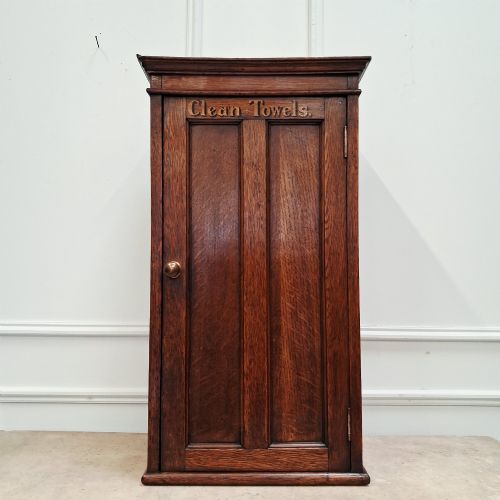
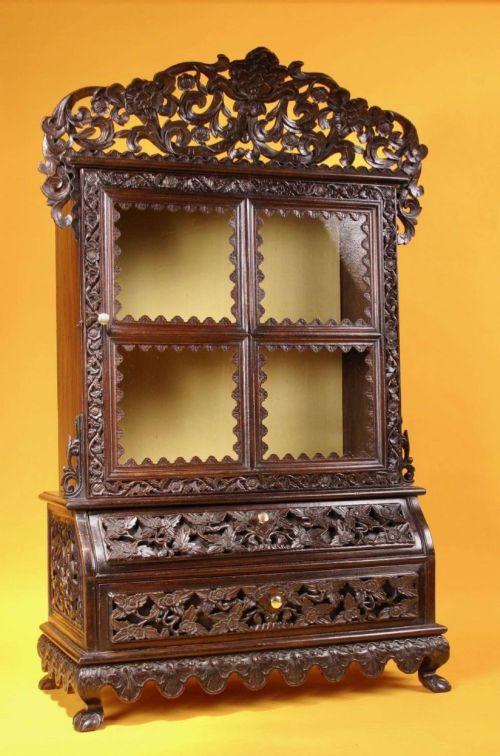
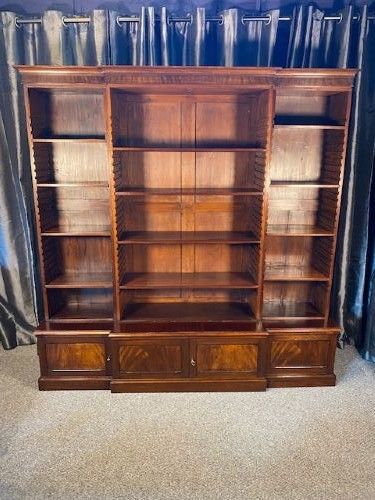
The selection also encompasses related wall-mounted furniture such as glazed display shelves, hanging bookcases, and specialised cabinets designed for keys, bathrooms, or snooker scoreboards. These pieces combine utilitarian storage with decorative carving, reflecting the domestic habits of Victorian, Edwardian, and earlier periods.
Materials and Construction
Cabinetmakers relied heavily on dense hardwoods like oak, walnut, and mahogany, utilising sturdy dovetail joints and pegged mortise-and-tenon construction to ensure wall-mounted pieces could bear weight safely over time. Secondary elements such as brass hinges, iron latches, and glass panes were integrated to secure doors and protect contents.
Surface decoration ranges from deep hand-carved floral motifs and geometric panels to pokerwork and inlaid rosewood veneers, demonstrating the specific stylistic preferences of periods like the Arts and Crafts movement and the Georgian era.
Carved Wooden Wall Cabinet Retail Price Guide 2026
Typical asking prices for carved wooden wall cabinet among the pieces listed under this phrase on Sellingantiques today, from the lower quarter to the upper quarter. They describe what is for sale here now, not the wider market.
Materials appearing in these listings include structural brass, iron hardware, glass panels, slate, and bone alongside traditional hardwoods.
Evaluating the Pieces
Quality rests in the crispness and depth of the hand carving, where sharp, deliberate chisel work distinguishes superior workshops from more rudimentary or later decorative additions. The integrity of the timber, the symmetry of the panel alignment, and the original pairing of brass hardware also dictate the standing of a piece.
Proportion and structural soundness matter deeply in wall-mounted furniture, since hinges and hanging points must remain secure without sagging or putting undue stress on the historic joints.
The Carved Wooden Wall Cabinet Glossary
- Pokerwork
- A method of decorating wood by burning designs into the surface with a heated metal tool. This technique appears on Arts and Crafts pieces.
- Overmantel
- A decorative mirror or cabinet frame designed to be hung specifically above a fireplace mantelpiece. These often incorporate shelves and elaborate mouldings.
- Corner Cupboard
- A storage unit constructed with an angled back to fit neatly into the corner of a room. Many examples are designed for wall hanging.
- Breakfront
- A piece of furniture featuring a central section that projects forward from the flanking sides. This adds architectural depth to large bookcases and cabinets.
Carved Wooden Wall Cabinet: Frequently Asked Questions
What rooms suit a wall cabinet best?
These compact pieces work well in kitchens for displaying ceramics, in hallways for keys and small items, or in studies to hold books without taking up floor space.
Their shallow depth allows them to fit comfortably in narrow circulation areas where a traditional floor-standing bookcase would obstruct movement.
How do I clean carved wooden surfaces?
Dust the carvings gently using a soft, dry natural bristle brush to reach into the recesses without abrading the aged patina of the wood. Avoid modern liquid polishes containing silicone, which build up a hazy film over decades of dry finish.
Applying a traditional microcrystalline wax occasionally helps nourish dry oak or walnut without harming the original surface.
Can I store heavy books in a hanging bookcase?
Hanging bookcases and wall shelves are generally designed for lighter volumes and decorative objects rather than heavy reference sets. The depth of the shelves and the strength of the wall fixings dictate the weight capacity.
Inspect the shelf supports and backboard fixings carefully to ensure they can bear the downward pressure of stacked items.