
Brown Wood Figurine
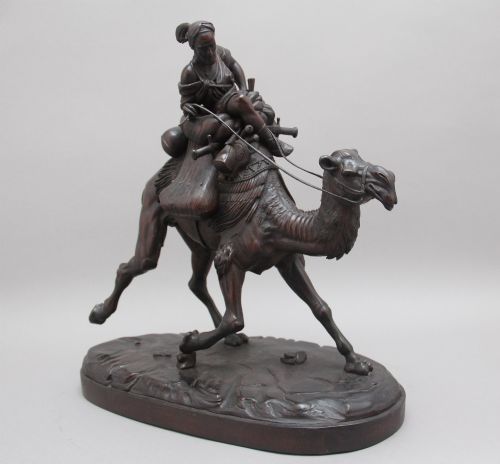
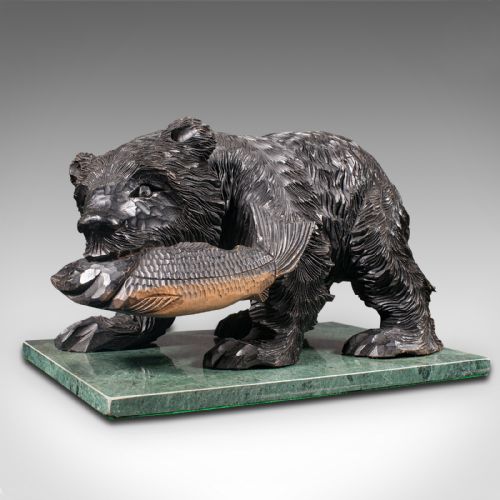
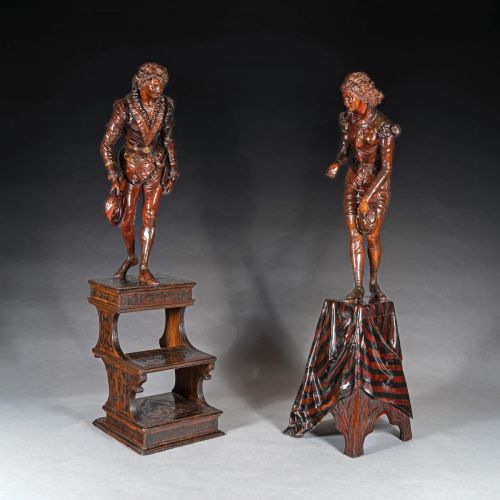
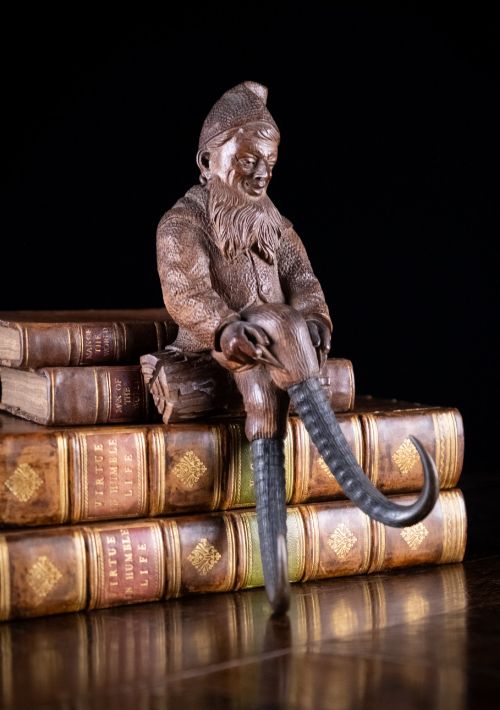
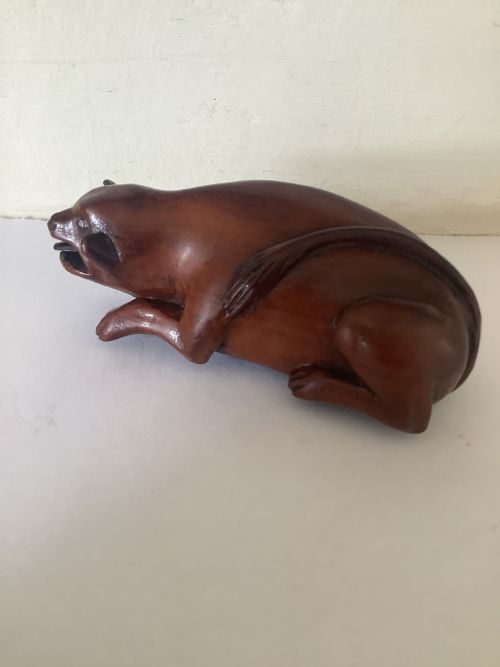
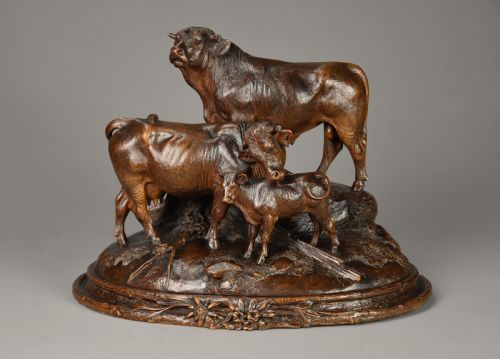
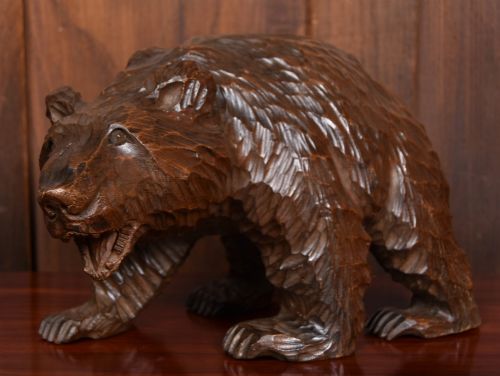
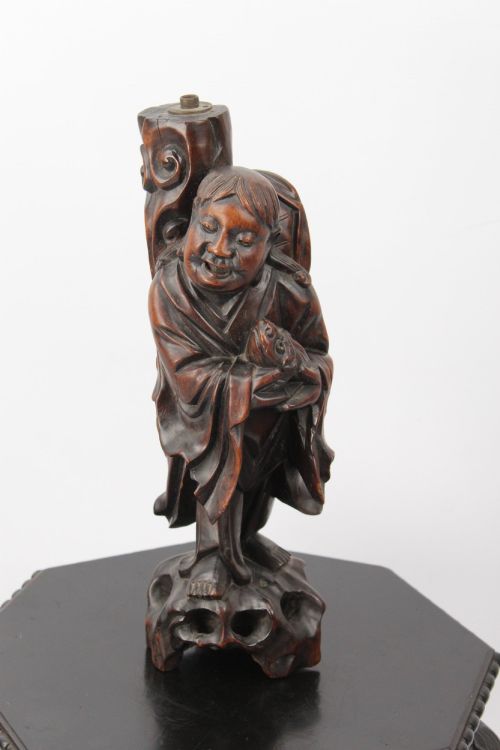
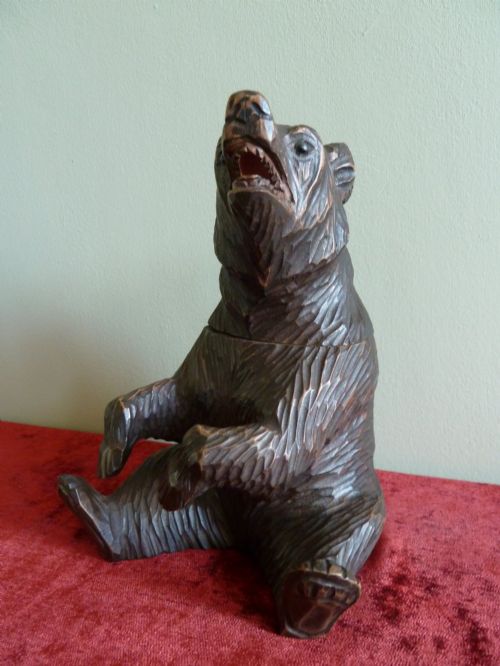
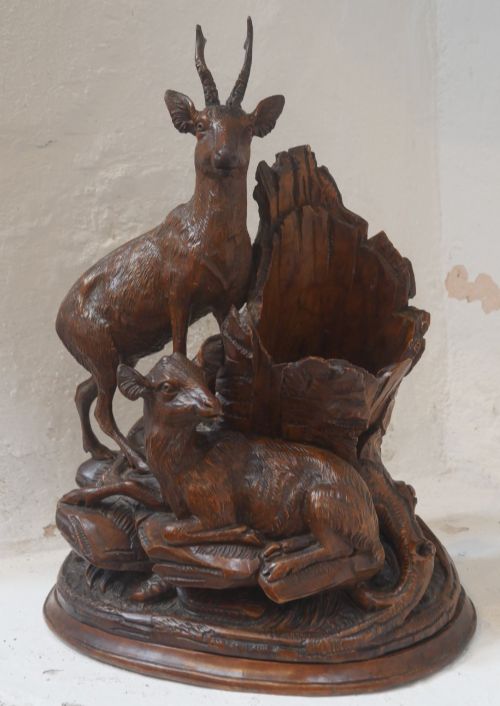
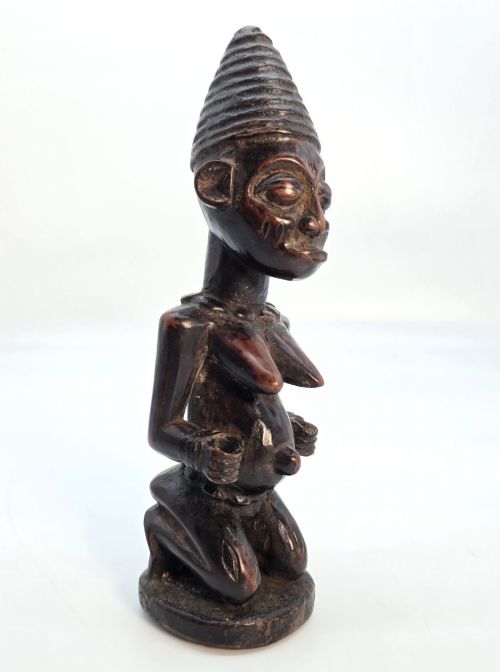
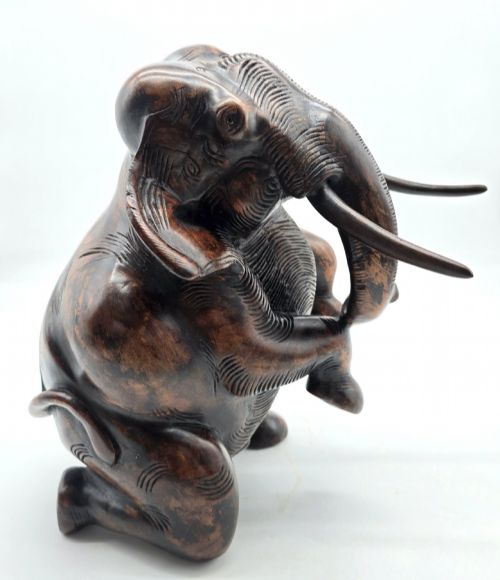
A brown wood figurine carries the distinct weight of hand-carved history, bringing carved bears, figures, and animals into a room.
Brown Wood Figurine
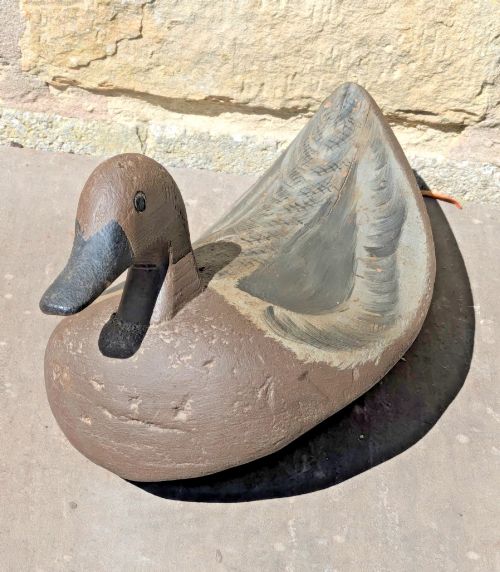
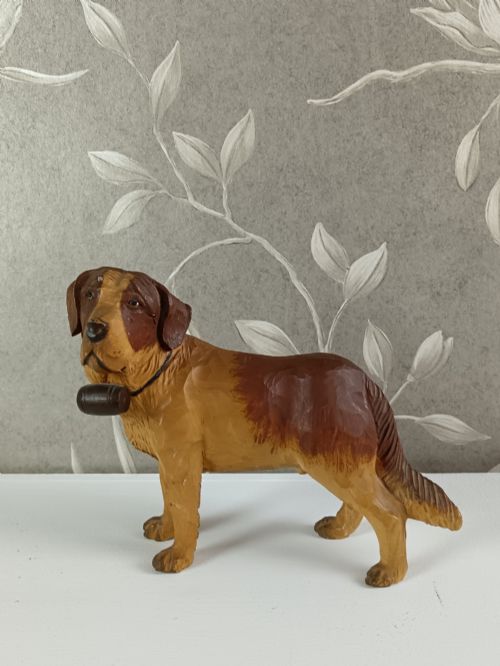
A brown wood figurine encompasses hand-carved sculptures, animal studies, and human figures sourced from diverse global traditions across the nineteenth and twentieth centuries. These objects range from European Black Forest bears and Swiss figures to Japanese folk art, African tribal carvings, and Indian Raj period elephants.
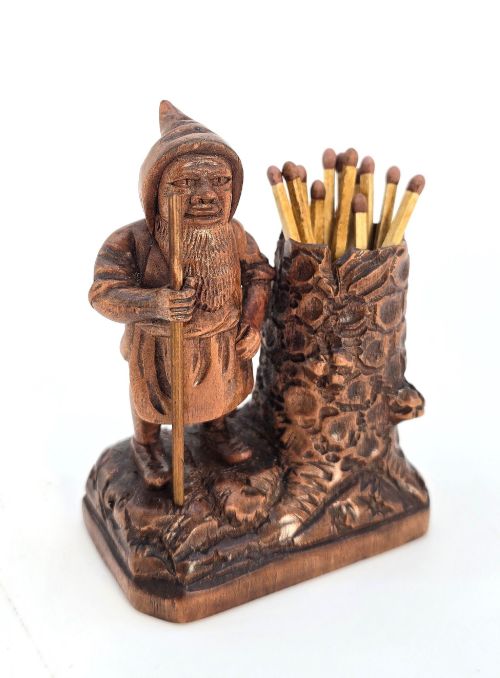
Buyers will encounter subjects as varied as saints, gnomes, deities, and wildlife, carved in materials spanning limewood, walnut, boxwood, and assorted hardwoods. The selection reflects both domestic folk traditions and formal sculptural workshops from multiple historical periods.
How they were made
Carvers shaped these figures using traditional hand tools such as gouges and chisels on regional timbers like linden wood, walnut, cedar, and boxwood. Some pieces utilise paint or mixed metal mounts to add surface detail and contrast to the grain.
Makers applied specific regional techniques, from the chip-carving styles of Black Forest workshops to the detailed grain work found in Japanese cedar and boxwood carvings. The natural warmth of the timber remained central to the finished appearance of each sculpture.
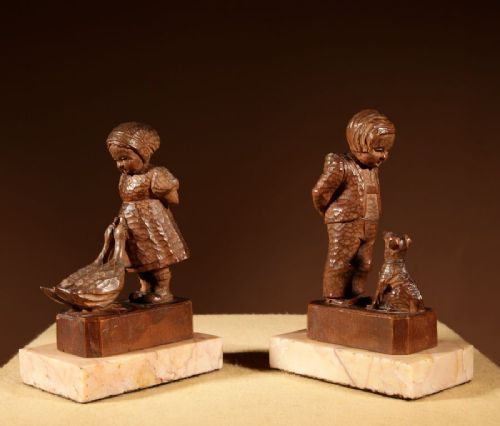
The selection spans functional items like match holders and bookends alongside purely decorative animal and human sculptures.
What varies in quality
The degree of anatomical precision and depth of undercut define the upper tier of sculptural work, separating lively, expressive forms from rigid or plain carvings. Master carvers achieved subtle textures in fur, fabric, and flesh that lesser workshops left flat or undefined.
Condition and original surface patination significantly influence the standing of an individual piece, particularly where original paint or wax finishes remain intact. Signatures, stamps, or documented attribution to known workshops elevate the historical interest of the work.
Valentino Besarel·J Huggler·Tomochika·Simon Troger
The Brown Wood Figurine Glossary
- Black Forest
- A style of wood carving originating from Brienz in Switzerland and the Black Forest region of Germany, known for realistic animal studies, particularly bears. These pieces typically date from the nineteenth and early twentieth centuries.
- Kibori Kuma
- A style of wooden carved bear produced as folk art in Hokkaido, Japan. Makers often utilised cedar or local woods to render the animals in lifelike poses.
- Boxwood
- A dense, pale hardwood prized by carvers for its fine grain and ability to hold intricate detail without splintering. It was frequently used for miniature figures, netsuke, and devotional items.
- Limewood
- A soft, pale timber favoured by European carvers for deep relief work and sculptural figures due to its uniform grain. It takes intricate tool marks cleanly and resists splitting.
- Raj Period
- The period of British rule in the Indian subcontinent, which influenced the design of decorative objects and carved hardwood figures produced for export. Works from this era often depict elephants and local figures in dense woods.
Brown Wood Figurine: Frequently Asked Questions
What periods do these wooden figures come from?
The listings feature pieces spanning the nineteenth and twentieth centuries, including Victorian, Edwardian, and Art Deco eras. Styles range from regional European folk art to Meiji period Japanese works.
Specific dates are often recorded through signatures, stamps, or stylistic markers typical of particular decades and workshops.
How were these carved figures used originally?
Many served as purely decorative sculptures and mantelpiece ornaments, while others incorporated practical functions such as bookends, match strikers, or tobacco holders. Religious figures were utilised in domestic shrines or personal devotion.
Folk art carvings and animal studies were primarily created to adorn Victorian and Edwardian interiors.
How do I identify Black Forest carvings?
Black Forest carvings are typically rendered in limewood, walnut, or other pale timbers, frequently depicting bears, owls, or alpine scenes with deep undercutting. They often possess a rich brown patina developed through age and handling.
Certain pieces carry maker stamps or signatures from known Swiss and German workshops.
How should I care for antique wood figurines?
Keep wooden sculptures away from direct heat sources and strong sunlight to prevent the timber from drying out or splitting. Gentle dusting with a dry, soft cloth is usually sufficient for maintenance.
Avoid using modern liquid polishes, which can build up on the surface and dull the original patina.