




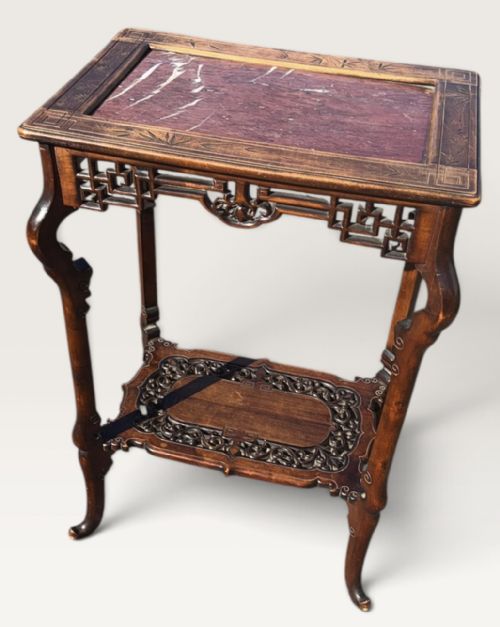
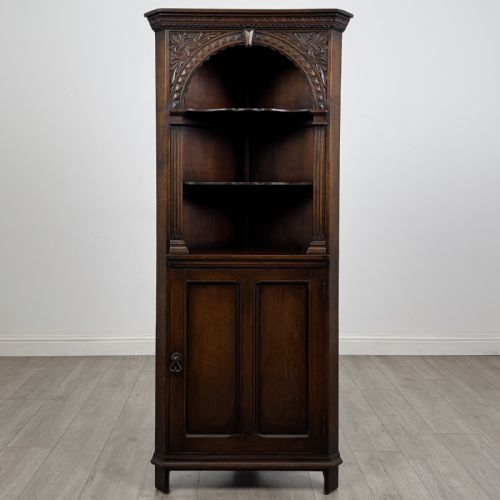
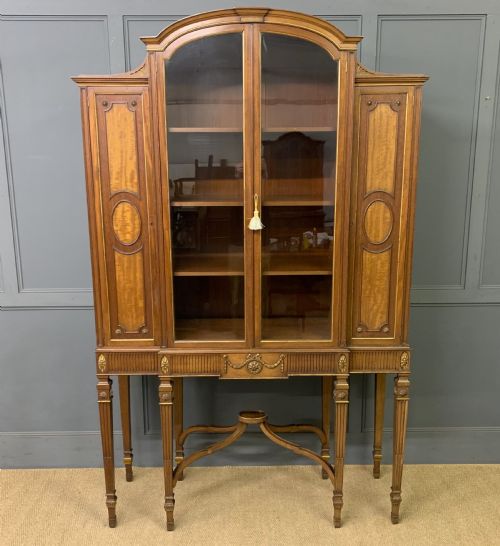
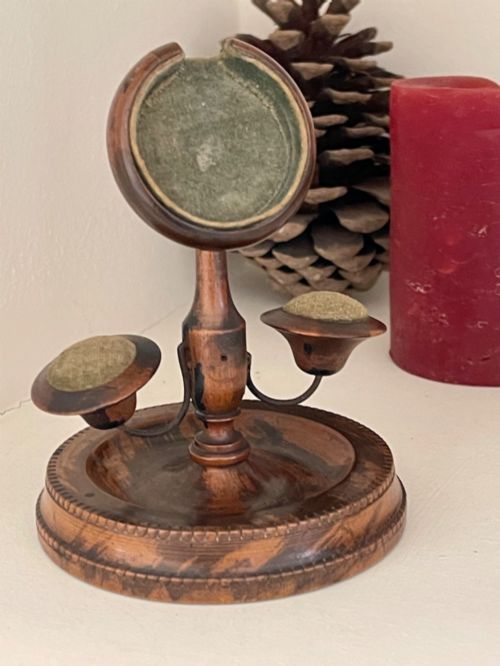
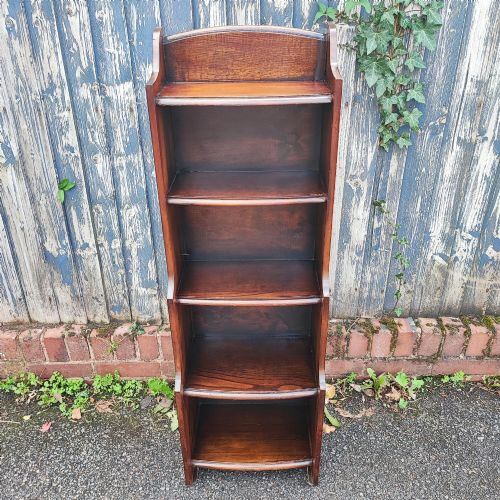
Brown Wood Display Stand
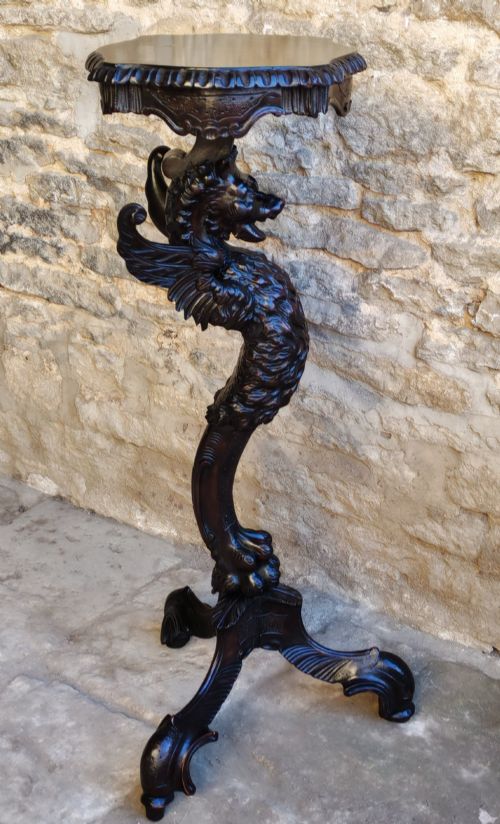
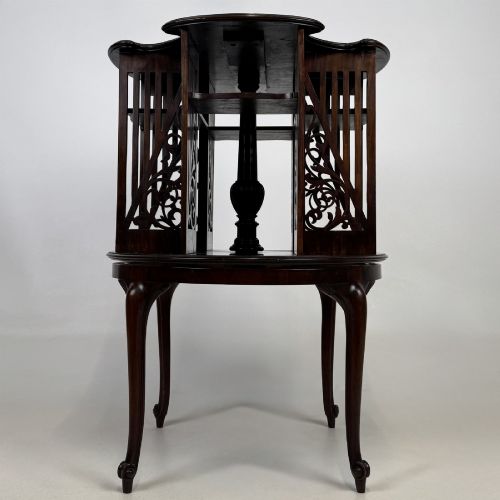
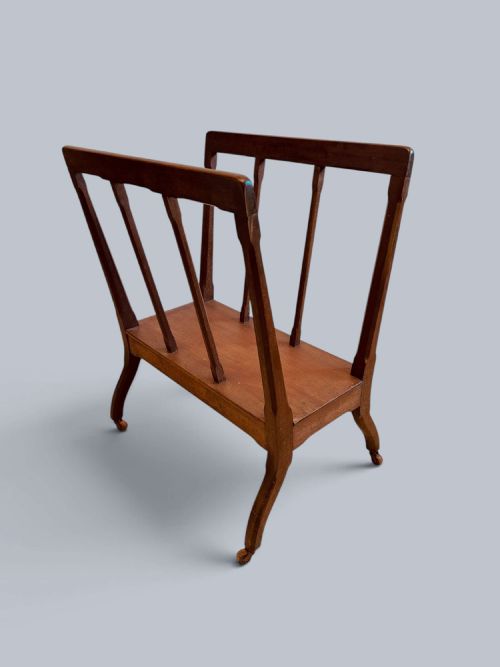
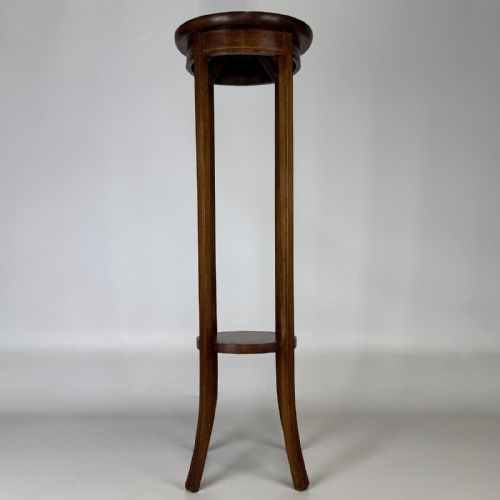
These brown wood display stand selections gather cabinets, pedestals, and tables spanning Georgian to 1930s periods.
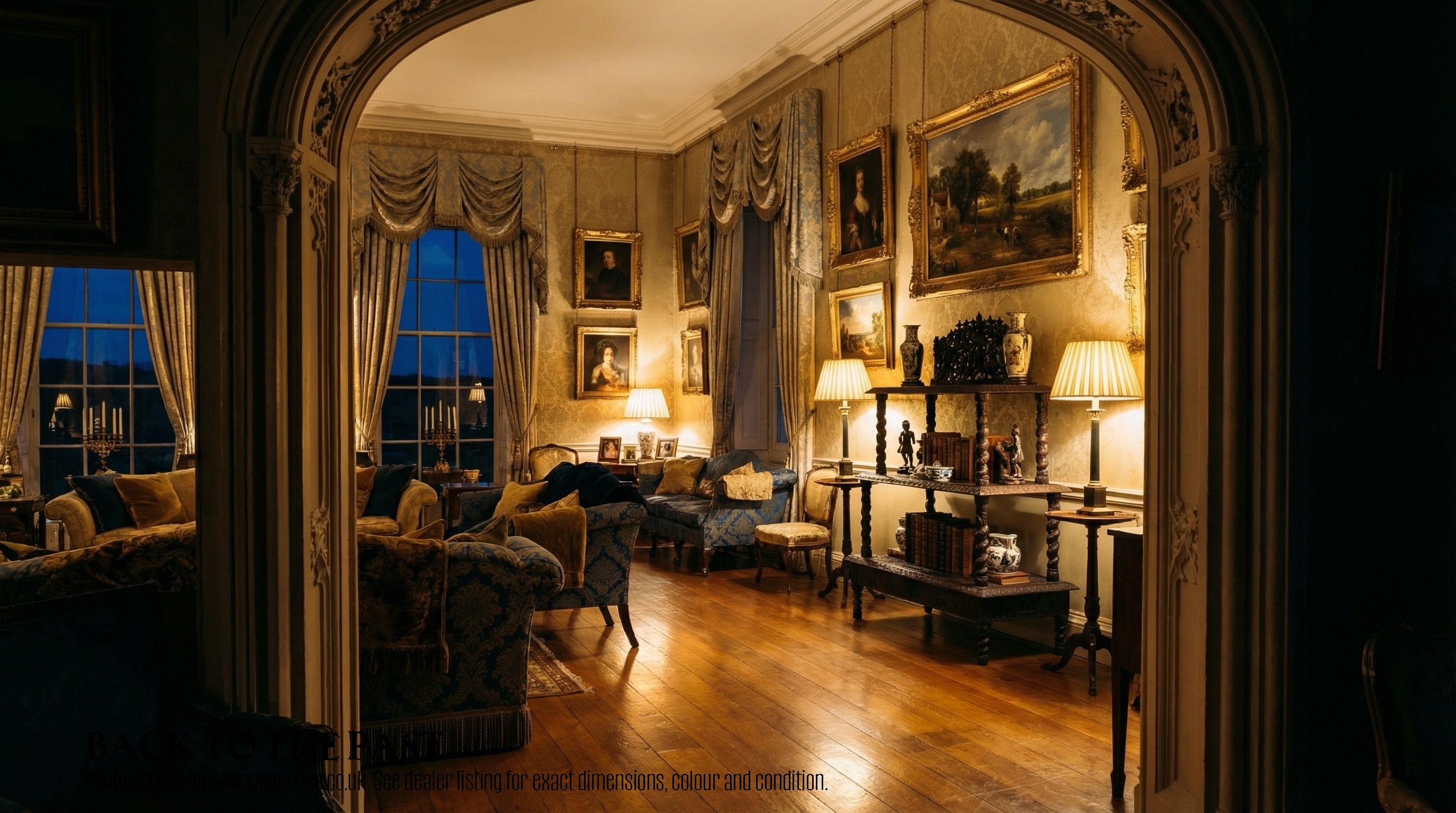
Brown Wood Display Stand
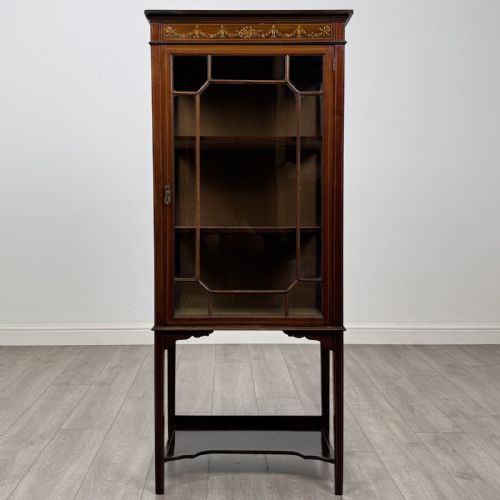
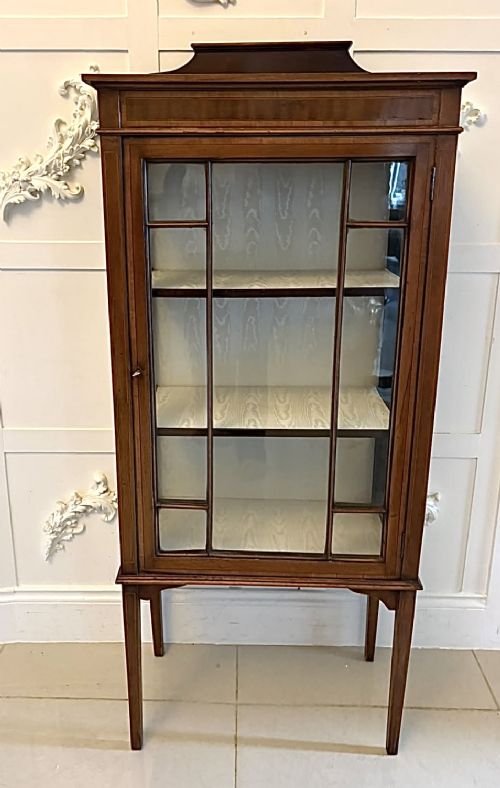
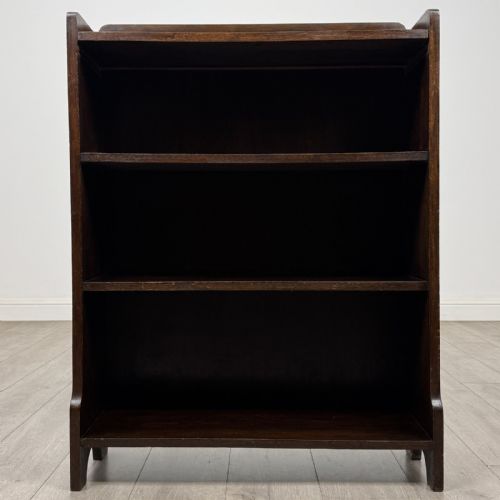
A brown wood display stand encompasses various timber items designed to elevate or exhibit objects, from Georgian whatnots to Edwardian cabinets. The selection includes corner cupboards, open bookcases, etageres, and plant stands created across the nineteenth and early twentieth centuries.
Floor-standing pieces, table models, and columns provide multiple ways to support decorative items or books within a room. Origins range from English workshops to French and Italian makers.
Gradations in Execution
The degree of refinement in carving, inlay precision, and timber selection determines the distinction between standard items and exceptional examples. Superior pieces display harmonious proportions and careful timber matching.
Original hardware, intact glass panels, and well-preserved surface finishes contribute to the desirability of a brown wood display stand. Artisanal execution in secondary woods and joinery marks the upper tier of the range.
Brown Wood Display Stand Retail Price Guide 2026
Typical asking prices for brown wood display stand among the pieces listed under this phrase on Sellingantiques today, from the lower quarter to the upper quarter. They describe what is for sale here now, not the wider market.
Even tiny wig stands made from yew wood in 1730 share ancestry with grand Victorian display cabinets.
Trevor Page & Co·Collinson & Lock
The Brown Wood Display Stand Glossary
- Whatnot
- A piece of furniture with multiple open shelves for displaying small objects or books. These tiered structures date predominantly from the Victorian period.
- Vitrine
- A glass-fronted cabinet designed specifically for displaying fine porcelain or curiosities. Such brown wood display stand items protect contents while offering maximum visibility.
- Etagere
- A set of open shelves used for ornament, distinct from a standard bookcase by its lighter framework. French examples often adopt neoclassical revival styling.
- Pedestal
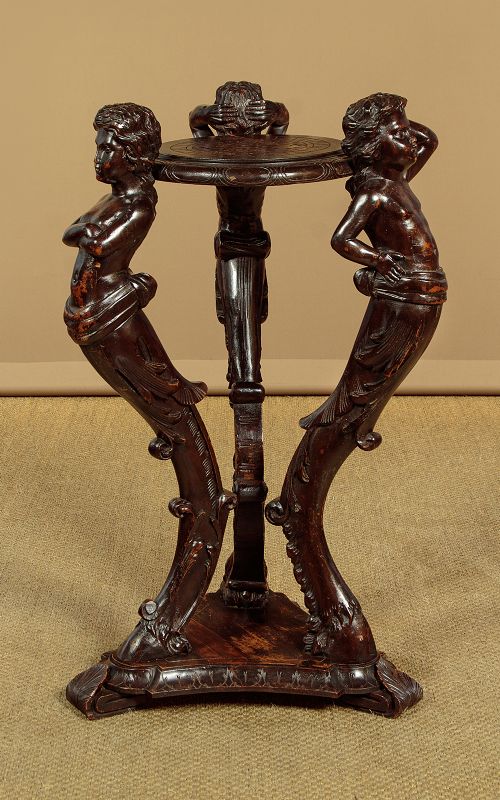
- A standalone column or pillar used to elevate a bust, vase, or sculpture. They appear in carved timber or stone throughout the nineteenth century.
- Inlay
- A technique where pieces of contrasting wood or shell are fitted into depressions within a solid timber surface. Sheraton Revival pieces frequently employ this decorative method.
Brown Wood Display Stand: Frequently Asked Questions
What is a brown wood display stand used for?
These items serve to elevate, organise, and exhibit decorative objects, books, or plants within domestic interiors. Different configurations offer either enclosed glass protection or open shelving.
Cabinets and vitrines keep delicate items dust-free, while plant stands and pedestals focus attention on a single sculptural piece or vase.
How do I identify a Victorian brown wood display stand?
Victorian pieces often feature darker timbers like walnut and mahogany, frequently enhanced by rich carving or burr veneer panels. Proportions tend to be robust, reflecting the manufacturing capabilities of the era.
Look for stylistic clues such as barley twist supports or deep mouldings that typify nineteenth-century cabinetmaking traditions.
Are Edwardian stands different from earlier styles?
Edwardian items generally exhibit lighter forms and brighter mahogany finishes compared to heavier Victorian counterparts. Sheraton Revival influences brought delicate inlay work and refined tapering legs into fashion.
These later pieces often embrace simpler lines while maintaining traditional timber construction techniques.
How do I care for antique timber furniture?
Maintain stable humidity levels and keep wooden items away from direct heat sources to prevent timber splitting or veneer lifting. Regular dusting with a soft, dry cloth preserves the finish.
Avoid silicone-based polishes, opting instead for traditional quality wax applied sparingly when the timber appears dry.