



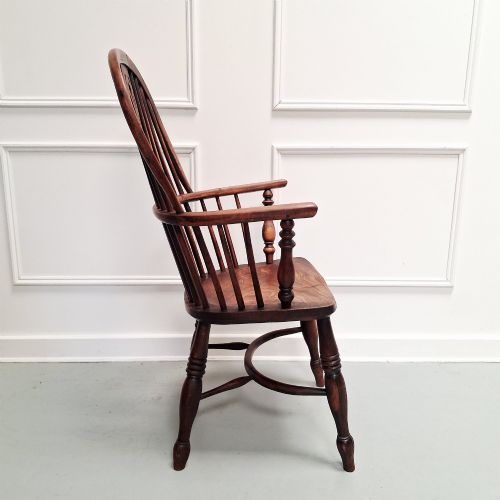
Brown Wood Desk Armchair
A brown wood desk armchair brings solid joinery and rich timber grain to a study, drawing on centuries of vernacular and formal seating design.
Brown Wood Desk Armchair
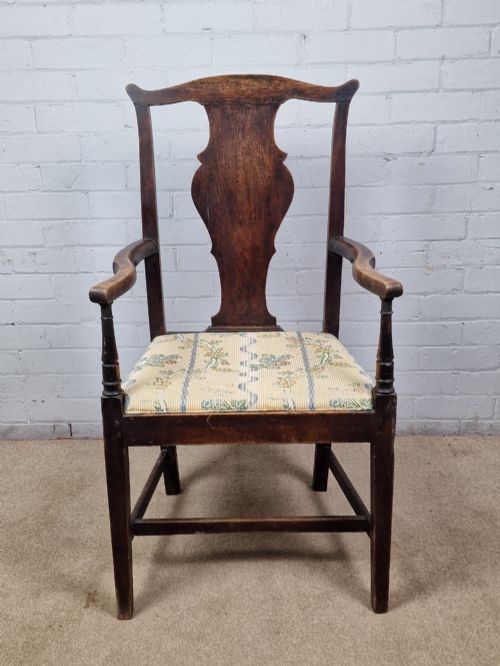
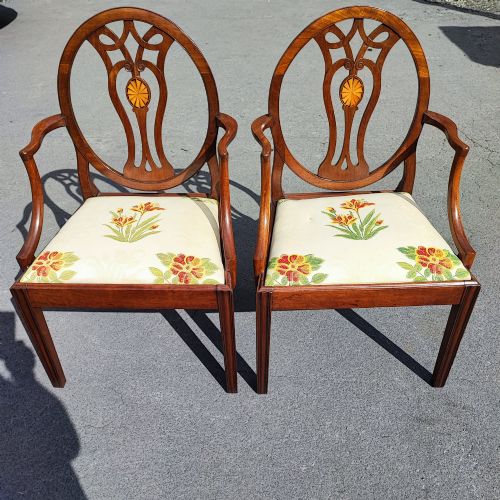
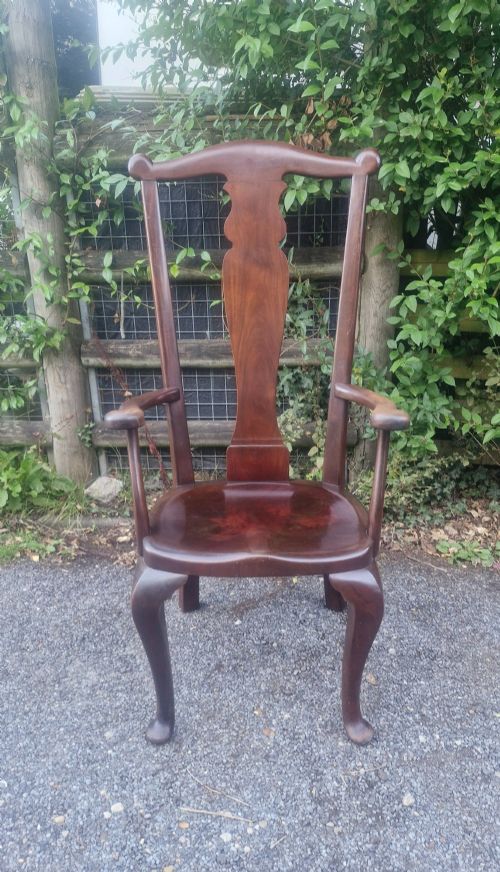
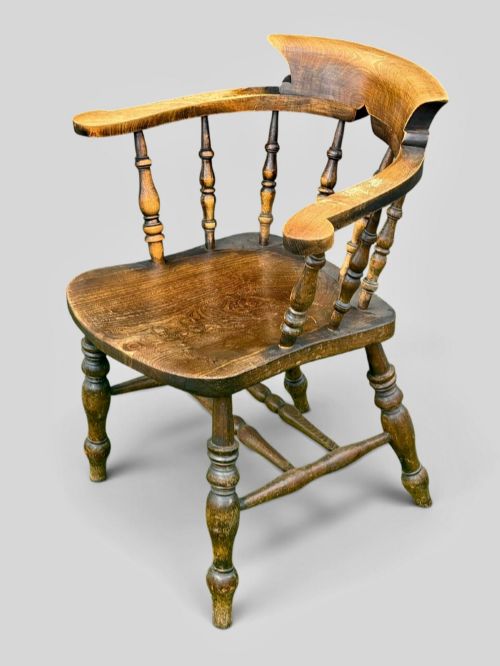
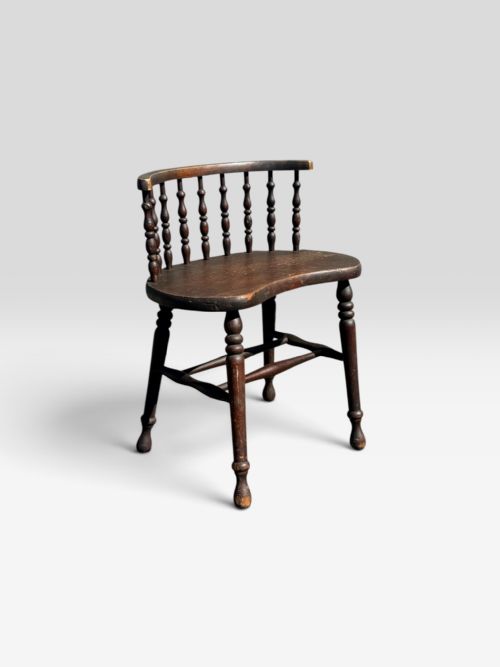
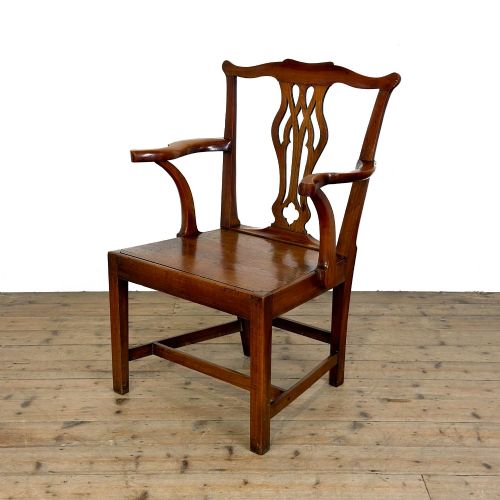
When searching for a brown wood desk armchair, buyers encounter a robust mix of formal mahogany library seats and vernacular country timber chairs. These pieces span from the eighteenth century through the Edwardian period, uniting sturdy workspace utility with traditional woodworking forms.
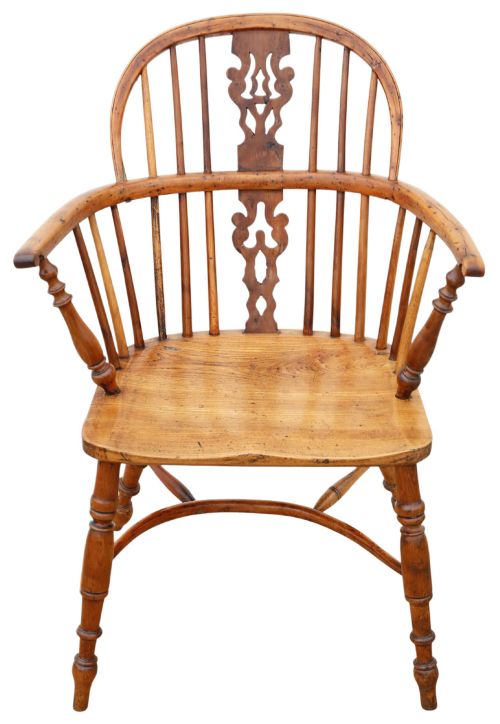
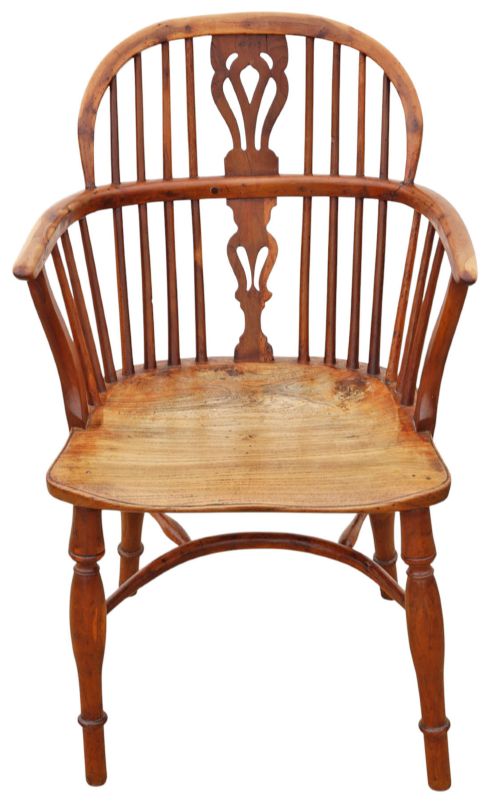
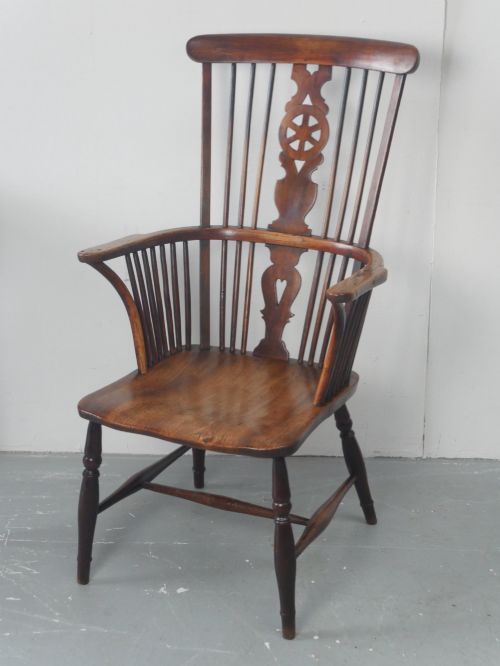
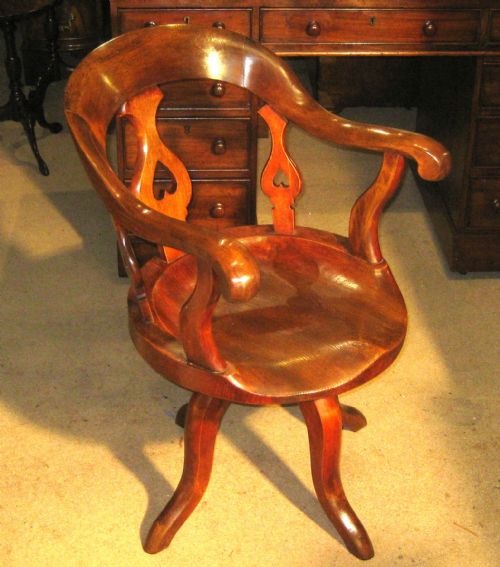
The most frequent finds on this page are Windsor armchairs and nineteenth-century mahogany office chairs. Windsor variations display distinctive combinations of yew, elm, and ash, whilst mahogany models often incorporate revolving swivel mechanisms or upholstered seats suited to prolonged writing tasks.
Materials and construction methods
Craftsmen built these chairs utilising contrasting native timbers, frequently pairing resilient elm seats with yew, ash, or beech for spindles and bentwood hoops. This multi-wood construction provided structural flexibility where it was needed most whilst maintaining a firm base.
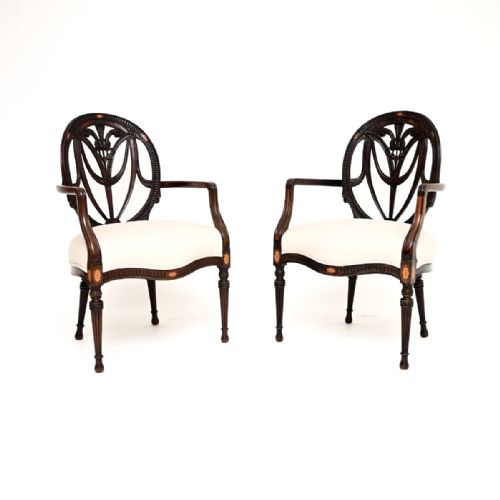
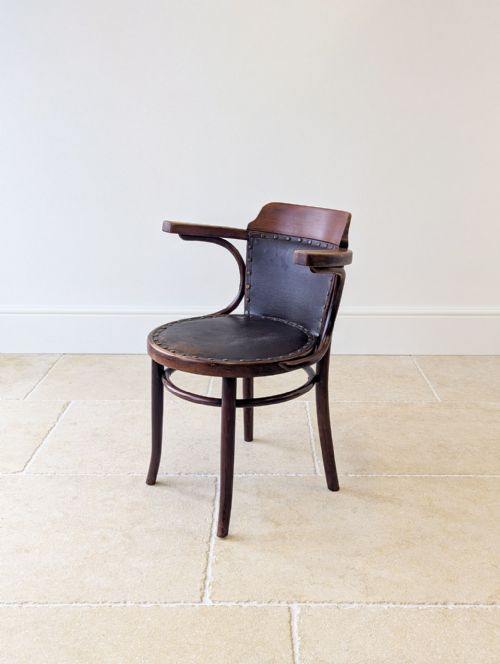
Formal mahogany and fruitwood examples relied on precise joinery, mortise and tenon frames, and occasionally delicate inlay or carved splats in the Chippendale and Sheraton styles. Industrial steam-bending techniques emerged later, shaping beech and bentwood frames for lighter office and bistro seating.
Materials recorded across the inventory span native hardwoods including elm, mahogany, beech, ash, yew, and fruitwood.
Distinctions in craftsmanship and survival
Quality rests primarily in the integrity of the original timber and the subtlety of the turning on spindles and legs. Well-executed comb backs and carved arm terminals demonstrate superior hand-tool work by regional makers.
Original surface patination and minimal structural replacement separate exceptional survivals from heavily restored examples. Retaining the original swivel mechanisms in revolving desk chairs or maintaining the unpainted grain of country elm elevates the standing of a piece.
J Spencer
The Brown Wood Desk Armchair Glossary
- Windsor chair
- A wooden chair constructed with a solid sculpted seat into which the legs and back spindles are separately bored and wedged. These vernacular seating forms often combine elm seats with yew or ash superstructures.
- Carver arm chair
- An eighteenth or nineteenth century term for an armchair used at a dining table or desk. They typically feature open arms integrated into the structural uprights of the frame.
- Smokers bow
- A low-backed Windsor armchair featuring a continuous curved arm rail supported by turned spindles. Originating in nineteenth-century provincial settings, they offer compact proportions suited to a desk.
- Comb back
- A Windsor chair design where the central vertical spindles extend upward to support a small horizontal headrest resembling a comb. This variation provides additional back support for prolonged sitting.
- Revolving desk chair
- An office chair mounted on a central pivot mechanism allowing rotation, frequently constructed in solid mahogany during the Victorian era. They combine mobility with heavy structural framing.
Brown Wood Desk Armchair: Frequently Asked Questions
What defines a Windsor desk armchair?
A Windsor version relies on a thick plank seat where the legs and back components fit directly into drilled holes rather than depending on a standard framed skeleton.
This method creates a resilient structure that accommodates native timbers like elm and ash while offering distinctive turned spindle arrangements.
How do I date a wooden desk chair?
Dating relies on observing tool marks, timber combinations, and structural wear patterns combined with stylistic cues from Georgian, Regency, or Victorian periods.
Changes in turning styles and the introduction of mechanical swivel elements in the later nineteenth century help narrow down the decade of production.
Were these chairs originally meant for writing?
Many pieces served multiple domestic and professional roles, functioning equally well in morning rooms, country kitchens, or home studies before specific office furniture evolved.
Sturdier vernacular examples and revolving mahogany seats were readily adapted for paperwork and administrative duties.
How should I care for antique timber?
Protect the surface by avoiding direct heat sources and sudden humidity shifts that can dry out eighteenth and nineteenth-century woods.
Applying occasional appropriate wax preserves the historic patination without stripping away decades of accumulated character.