

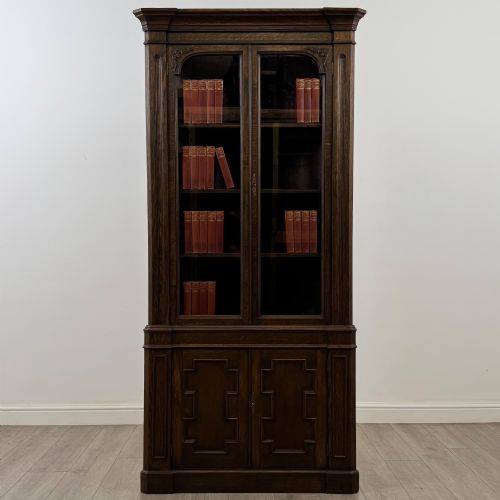
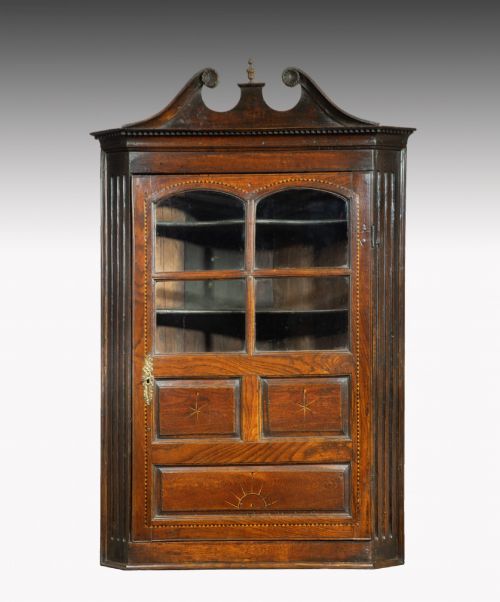
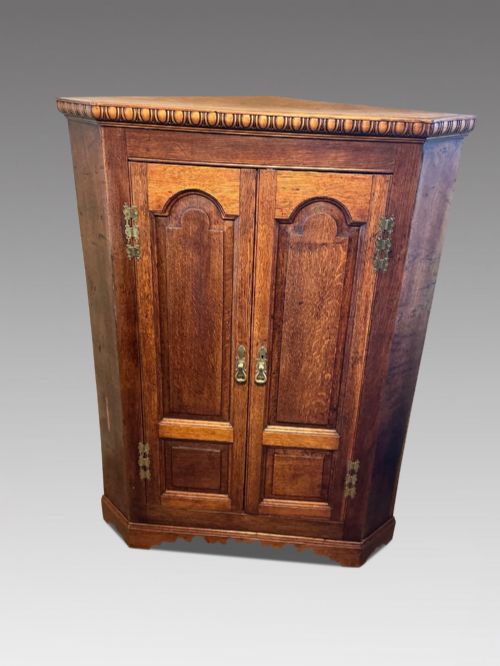
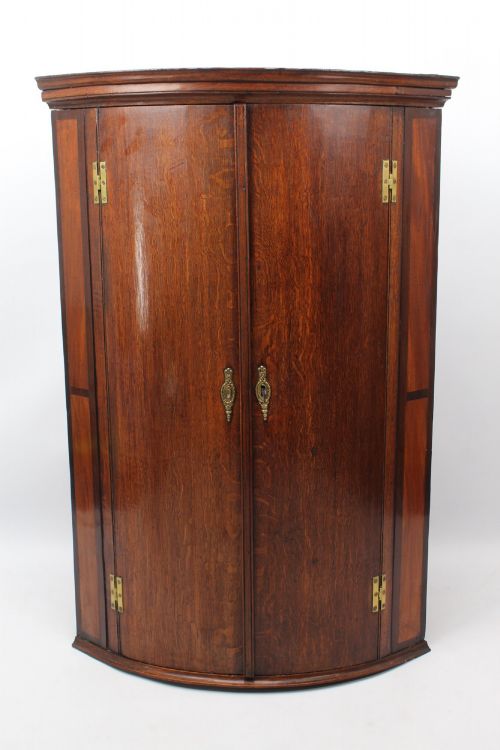
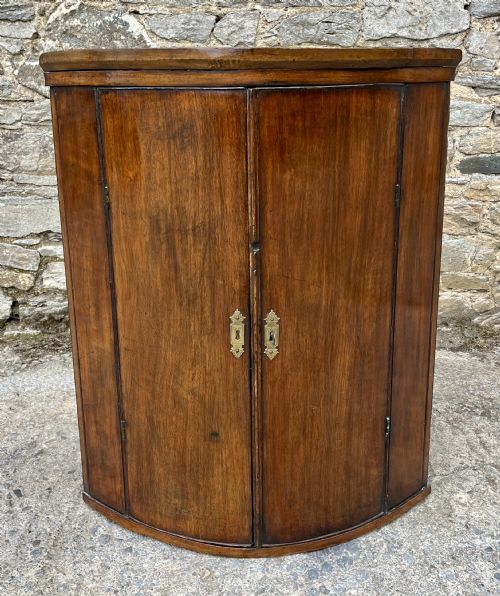
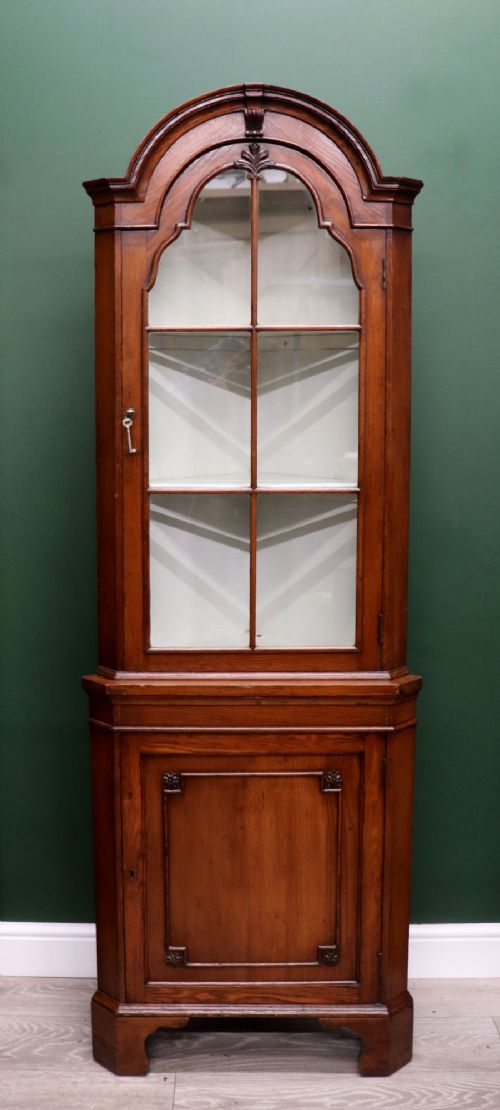
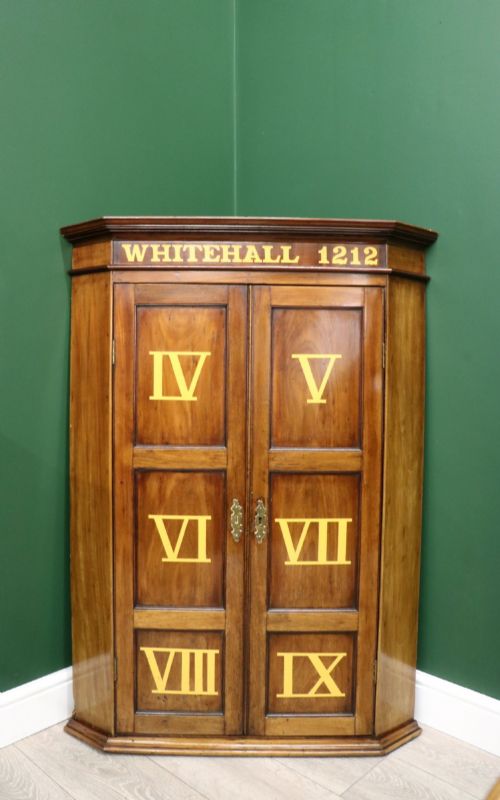
Brown Wood Corner Cabinet
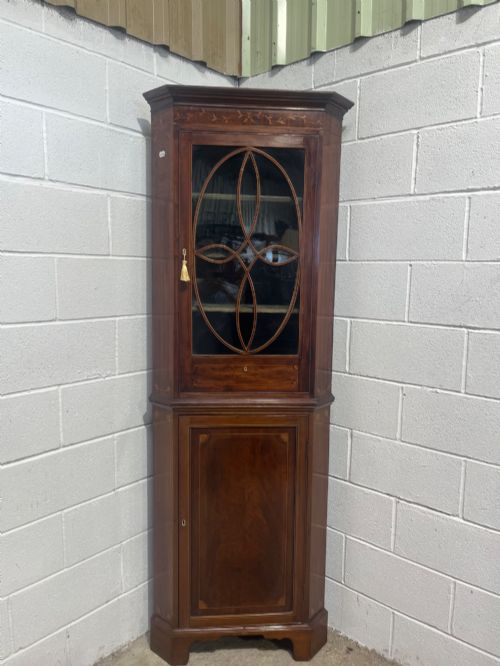
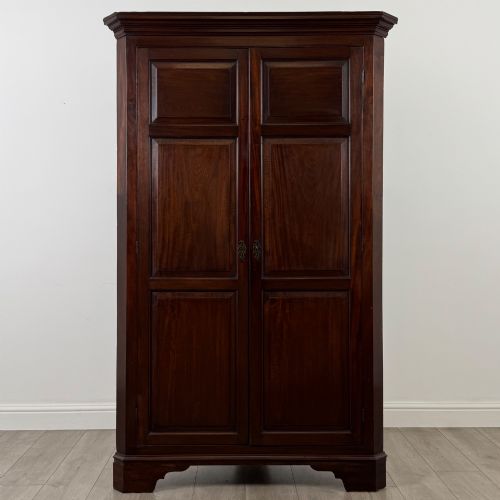
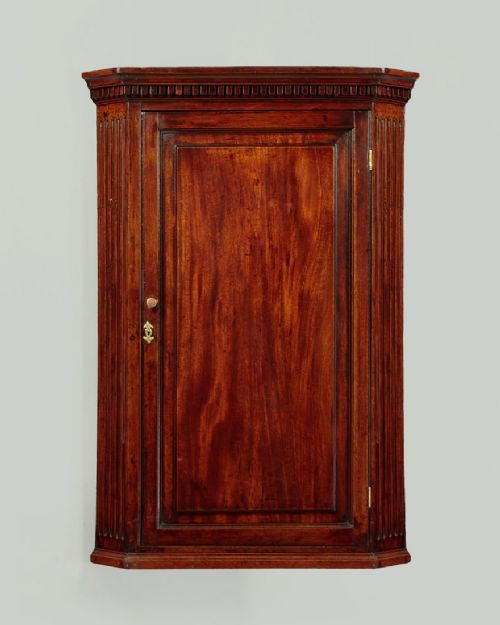
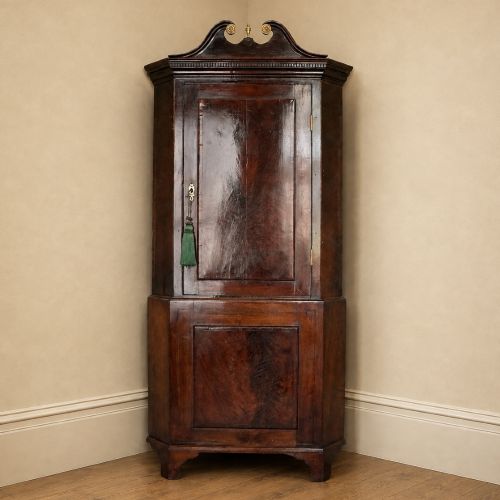
These brown wood corner cabinet examples turn neglected room angles into functional display space.
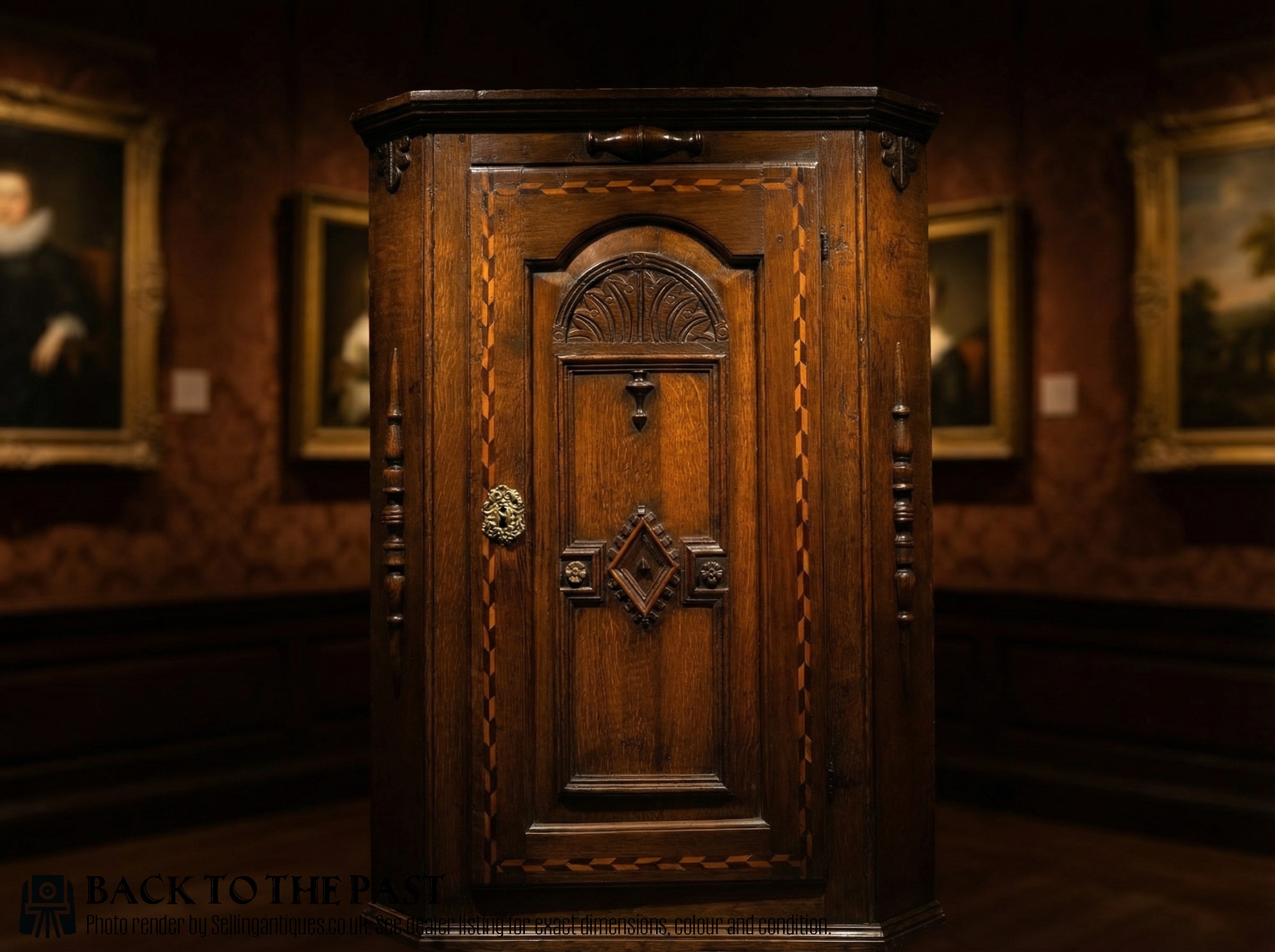
Brown Wood Corner Cabinet
A brown wood corner cabinet solves the spatial puzzle of awkward angles while providing enclosed storage for tableware or curiosities. These functional pieces occupy domestic corners efficiently without dominating the floor plan.
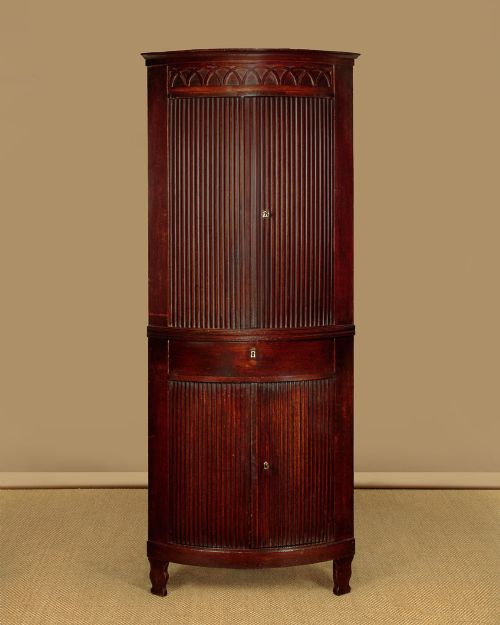
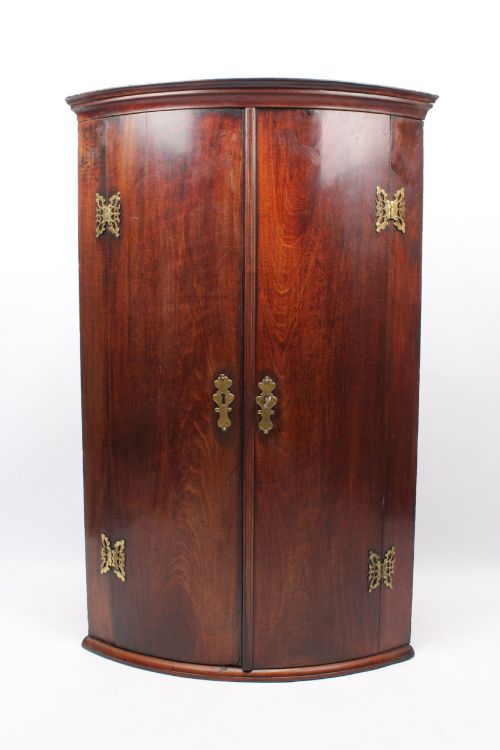
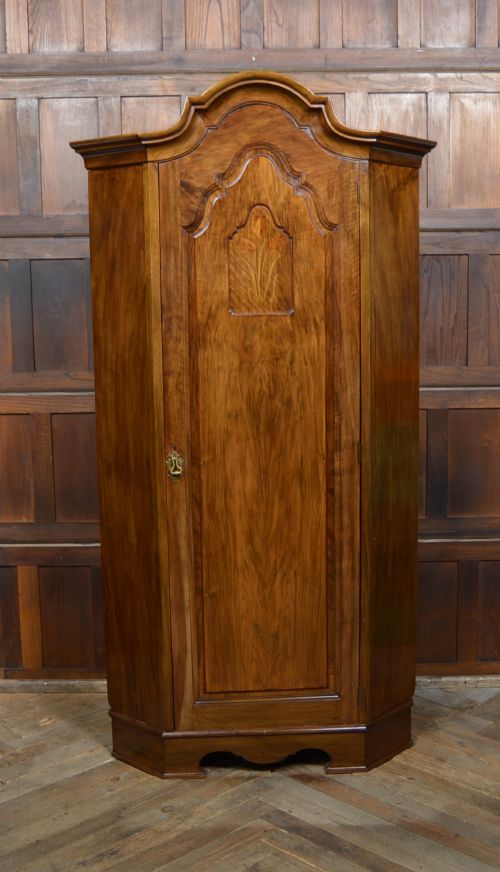
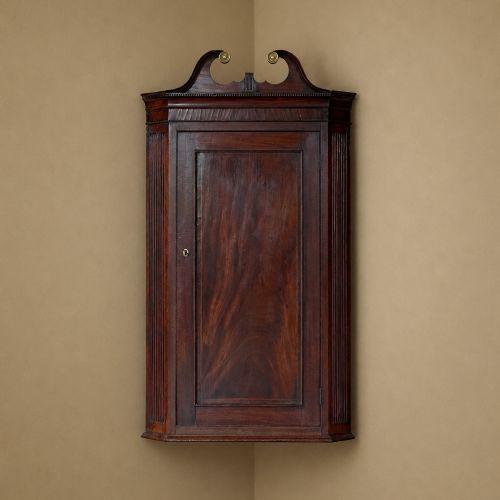
The most common formats met here are hanging wall-mounted cupboards and substantial floor-standing designs. Many feature glazed upper doors for display or solid panelled doors to keep contents concealed.
Originating predominantly from the Georgian and Victorian eras, these storage items utilise traditional cabinet-making forms. Pieces range from simple oak country cupboards to refined Sheraton Revival inlaid mahogany variations.
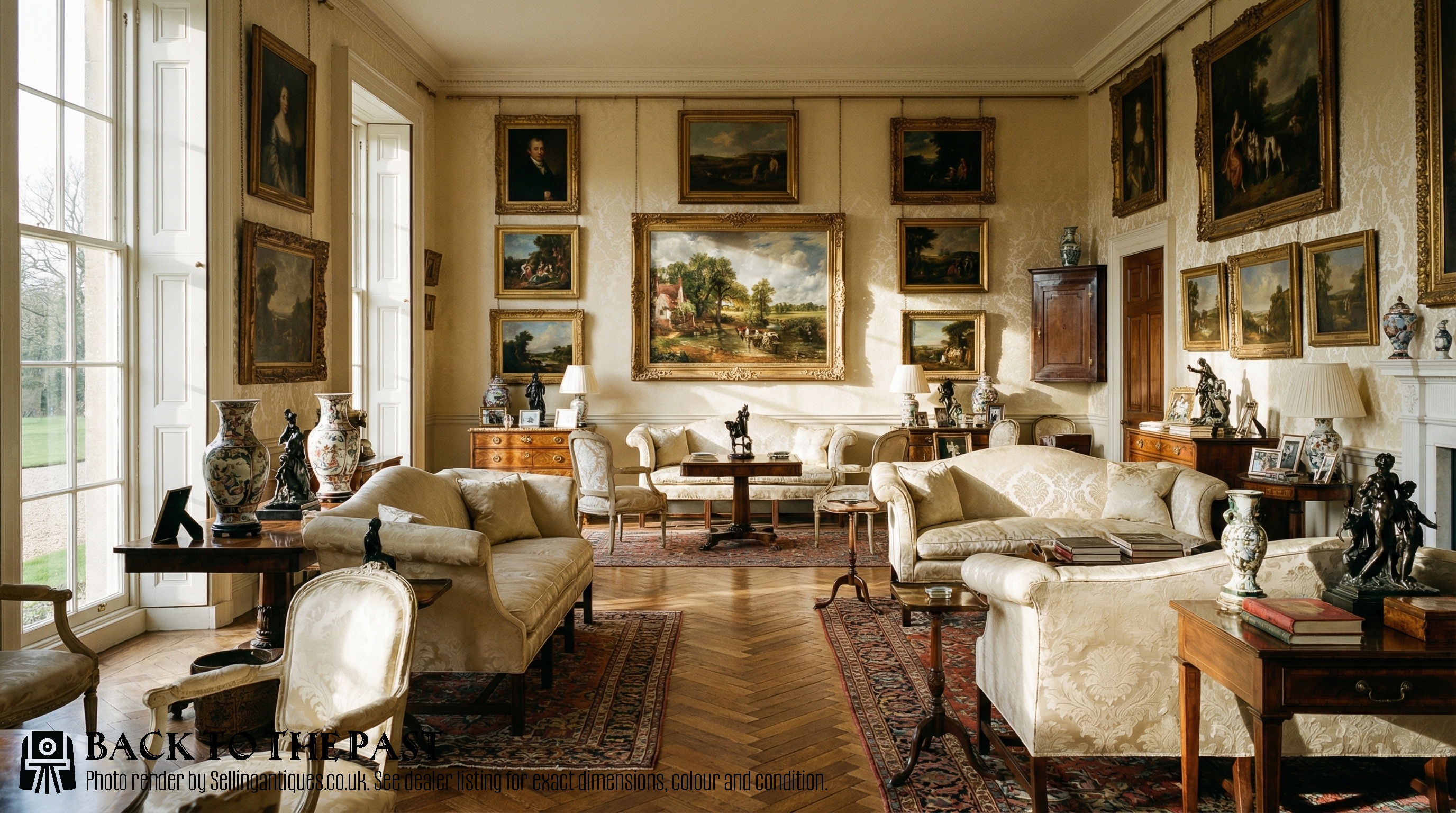
Materials and construction
Makers built these cabinets primarily using mahogany, oak, and walnut, often applying decorative veneers and contrasting crossbanding. Satinwood and marquetry inlay provide ornamental detail on finer Edwardian and Georgian examples.
Brass hardware such as H-hinges, escutcheons, and working locks secure the doors while adding metallic contrast to the timber. Glass panelling appears frequently in the upper sections for displaying porcelain and glassware.
Brown Wood Corner Cabinet Retail Price Guide 2026
Typical asking prices for brown wood corner cabinet among the pieces listed under this phrase on Sellingantiques today, from the lower quarter to the upper quarter. They describe what is for sale here now, not the wider market.
Certain antique specimens served specifically for storing gin on tropical verandas.
Factors of distinction
Superior examples demonstrate careful timber selection, where wood grain matches symmetrically across door panels and drawer fronts. Hand-cut dovetailing on internal shelving drawers and crispness in inlaid stringing distinguish finer workshops.
Proportion and architectural detailing set apart exceptional pieces from standard utility furniture. Cornice mouldings, panel depth, and original brass fittings contribute heavily to the overall presence of the cabinet.

The Brown Wood Corner Cabinet Glossary
- Bow front
- A convex curved cabinet front that projects outward. This curved profile requires skilled timber bending or shaping from solid wood.
- Crossbanding
- A narrow strip of veneer laid perpendicular to the surrounding grain. This technique frames panels and adds decorative contrast.
- Marquetry
- Elaborate patterns created using fitted pieces of different coloured wood veneers. It appears on decorative surfaces of later periods.
- Hanging cupboard
- A wall-mounted storage unit fitted with fixing brackets. These elevated versions save floor space in smaller rooms.
Brown Wood Corner Cabinet: Frequently Asked Questions
How were corner cupboards used?
These cabinets stored precious porcelain, glassware, and tea services safely away from dust. Their triangular footprint utilised unspent room angles efficiently.
Dining rooms and parlours typically housed them for easy access during meals and social gatherings. Many featured upper display shelves paired with lower enclosed storage.
Are these cabinets difficult to install?
Wall-hanging versions require secure fixing into solid masonry or studwork to support their timber weight safely. Professional installation ensures the cabinet hangs level and stable.
Floor-standing models simply require placement in a ninety-degree angle against flat walls. Some taller double-height designs benefit from wall attachment for extra stability.
How do I identify a Georgian piece?
Georgian cabinets often display rich mahogany or oak timbers with traditional hand-cut joinery. Look for pegged joints and period brass hardware such as H-hinges.
Stylistic cues include classical cornice mouldings and subtle string inlay rather than heavy ornamentation. Proportions tend to remain practical and balanced.
Can I fit these in modern rooms?
Their compact triangular design makes them well-suited for utilising empty corners in contemporary hallways or dining spaces. They provide character and practical vertical storage without protruding heavily into walkways.
Mixed wood tones pair easily with various interior styles, from traditional period settings to minimalist modern rooms.