

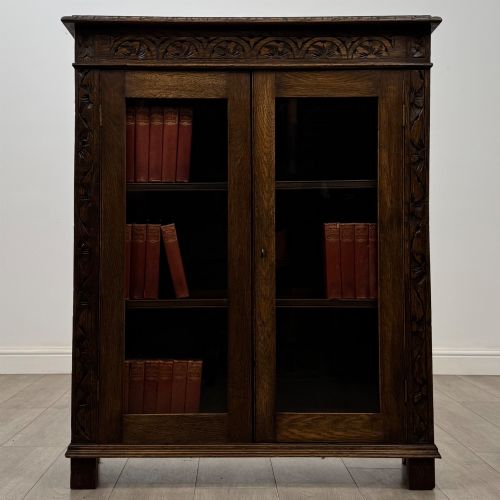
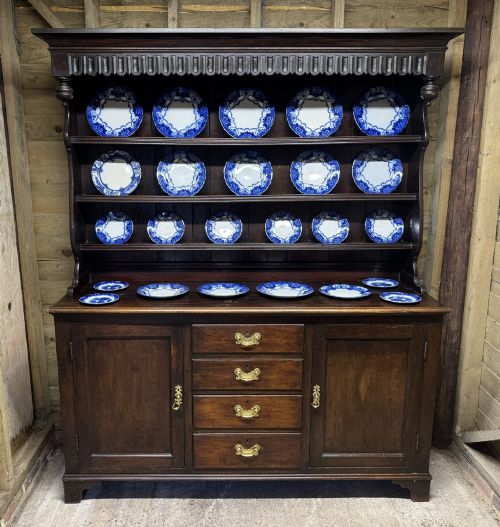
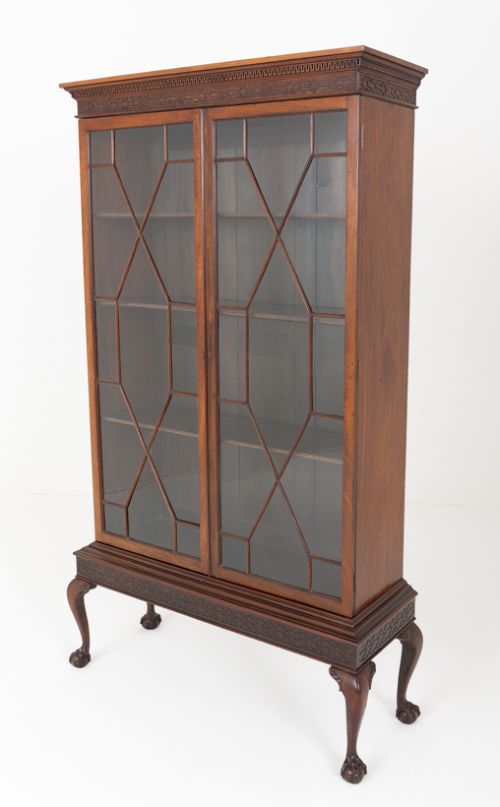
Brown Wood China Cabinet
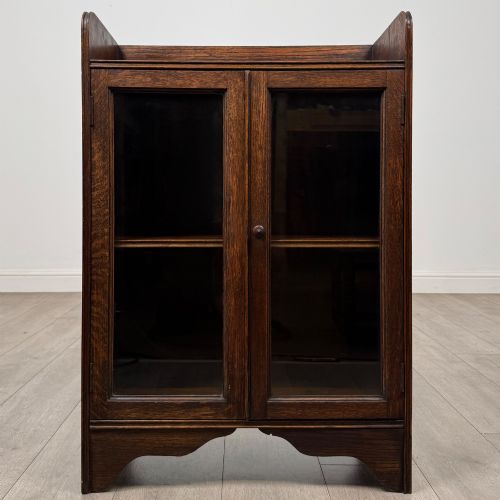
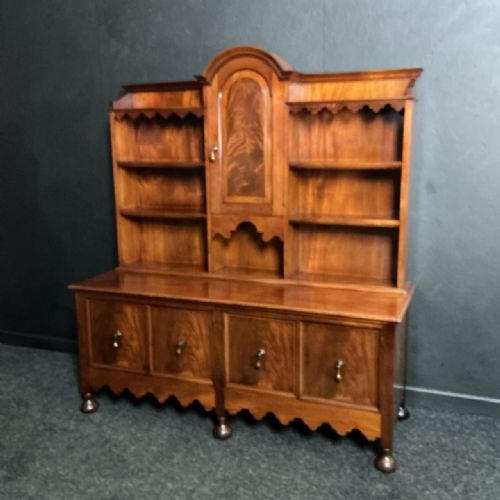
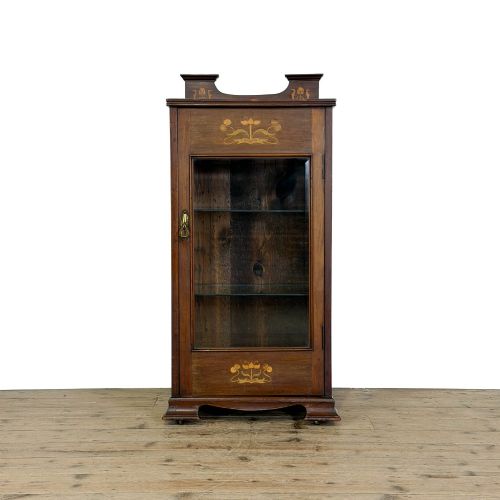
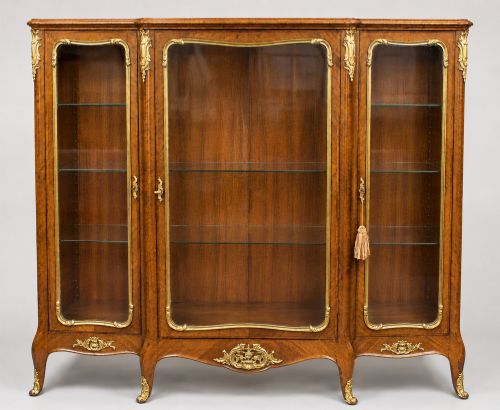
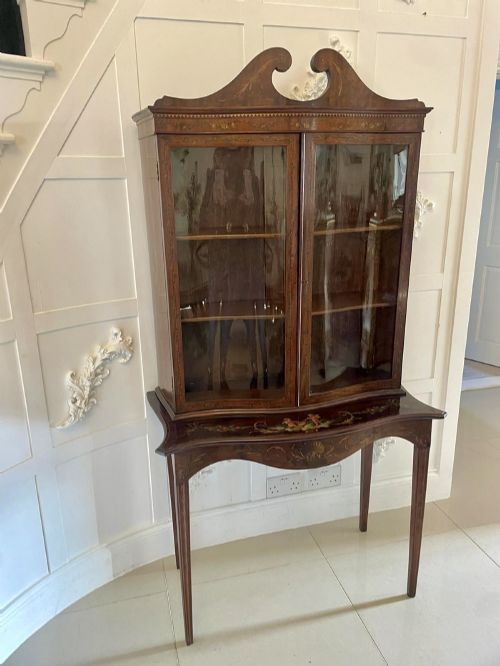
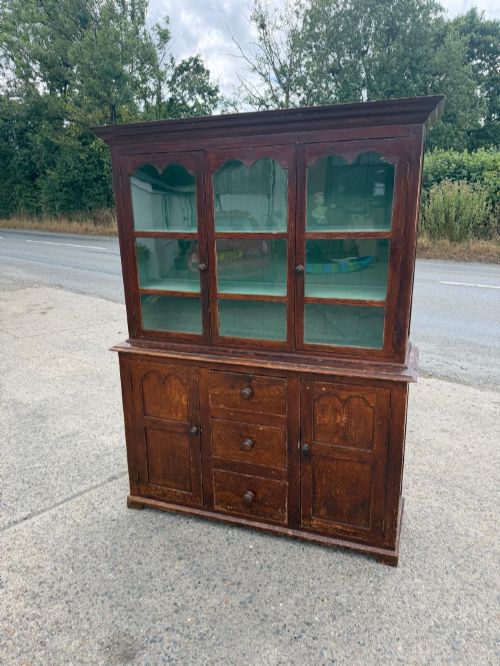
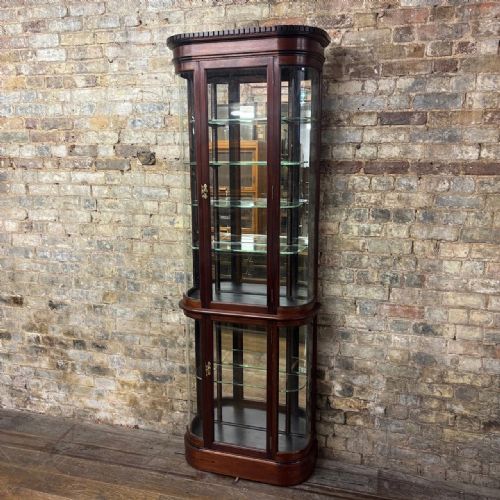
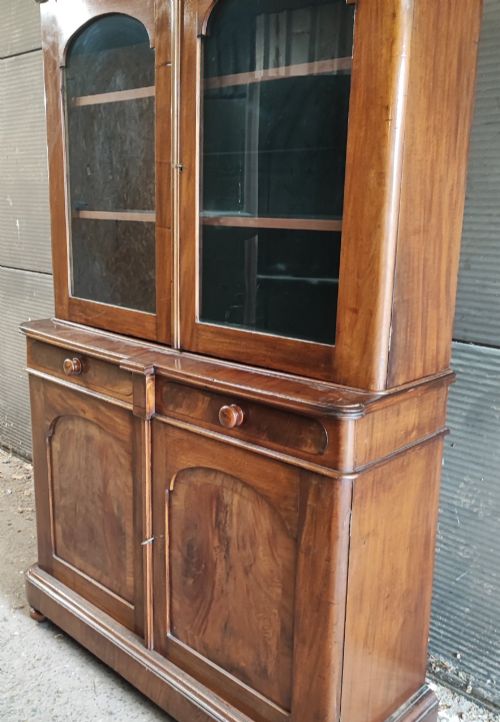
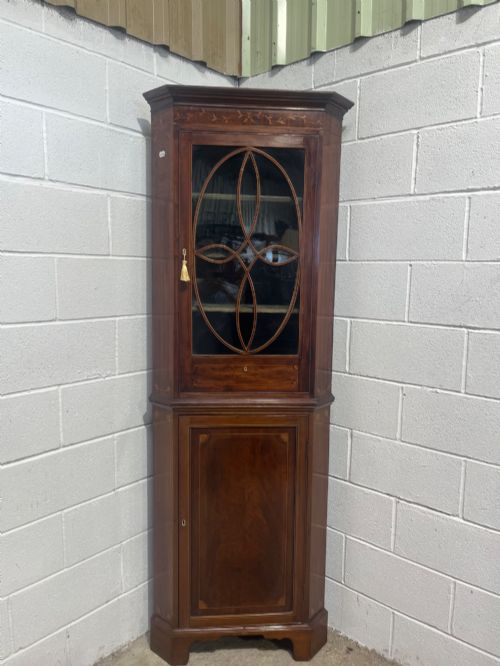
These brown wood china cabinets are display cabinets designed to showcase porcelain and glassware behind glass doors.
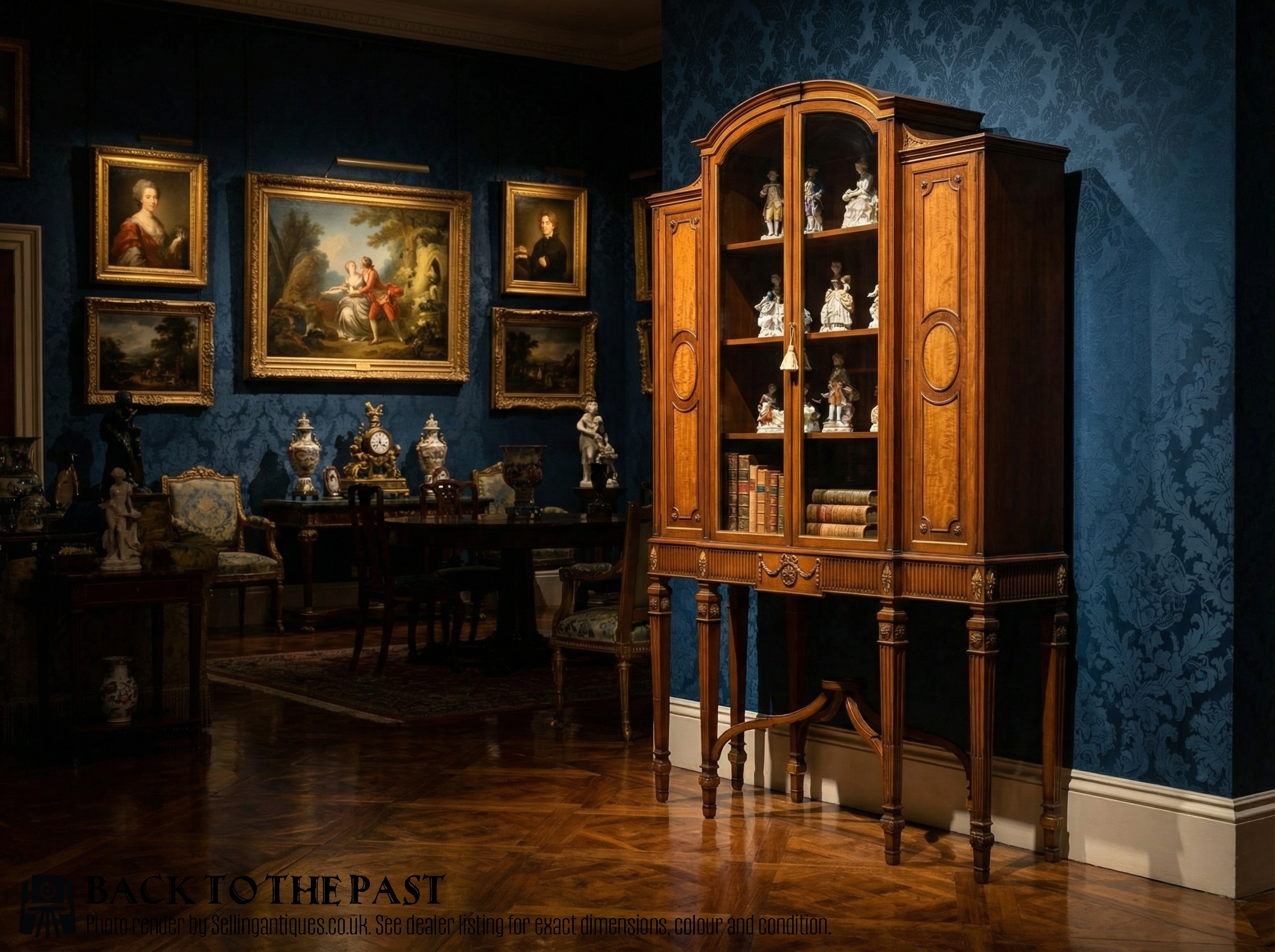
What a brown wood china cabinet is
A brown wood china cabinet is a storage and display piece designed primarily for ceramics and glassware. The examples found here span several distinct periods including the 18th Century and the Edwardian era, alongside the year 1900 and 1910.
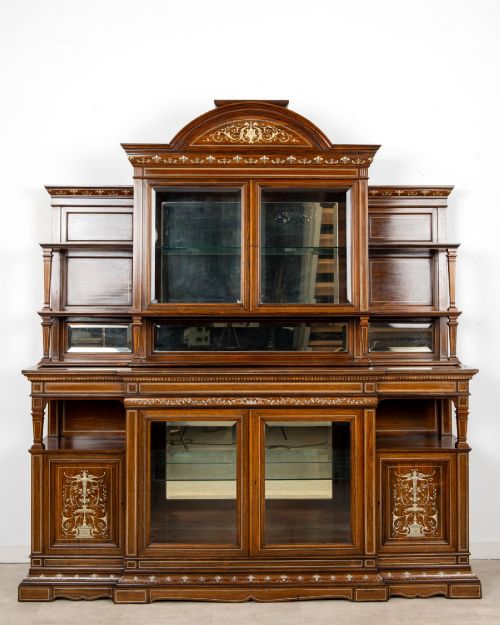
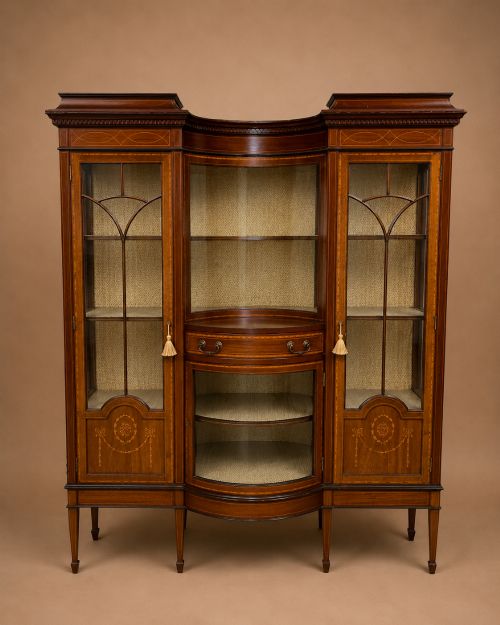
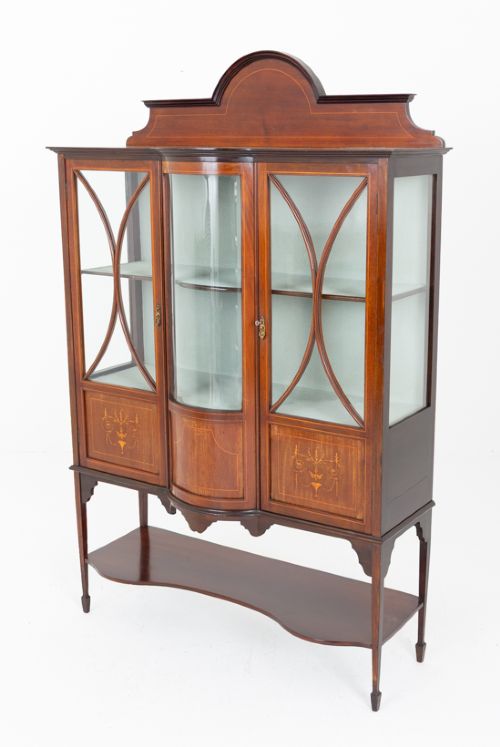
Most specimens on this page are Edwardian in origin, alongside Sheraton Revival, Neoclassical, and Dutch Baroque styles. Forms include two-part glazed display cabinets, bow front display cabinets, mirror back display cabinets, and vitrines.
Makers and workshops represented in the evidence include Waring & Gillow. These items serve the practical function of keeping dust away from delicate ceramics while allowing them to be viewed from the room.
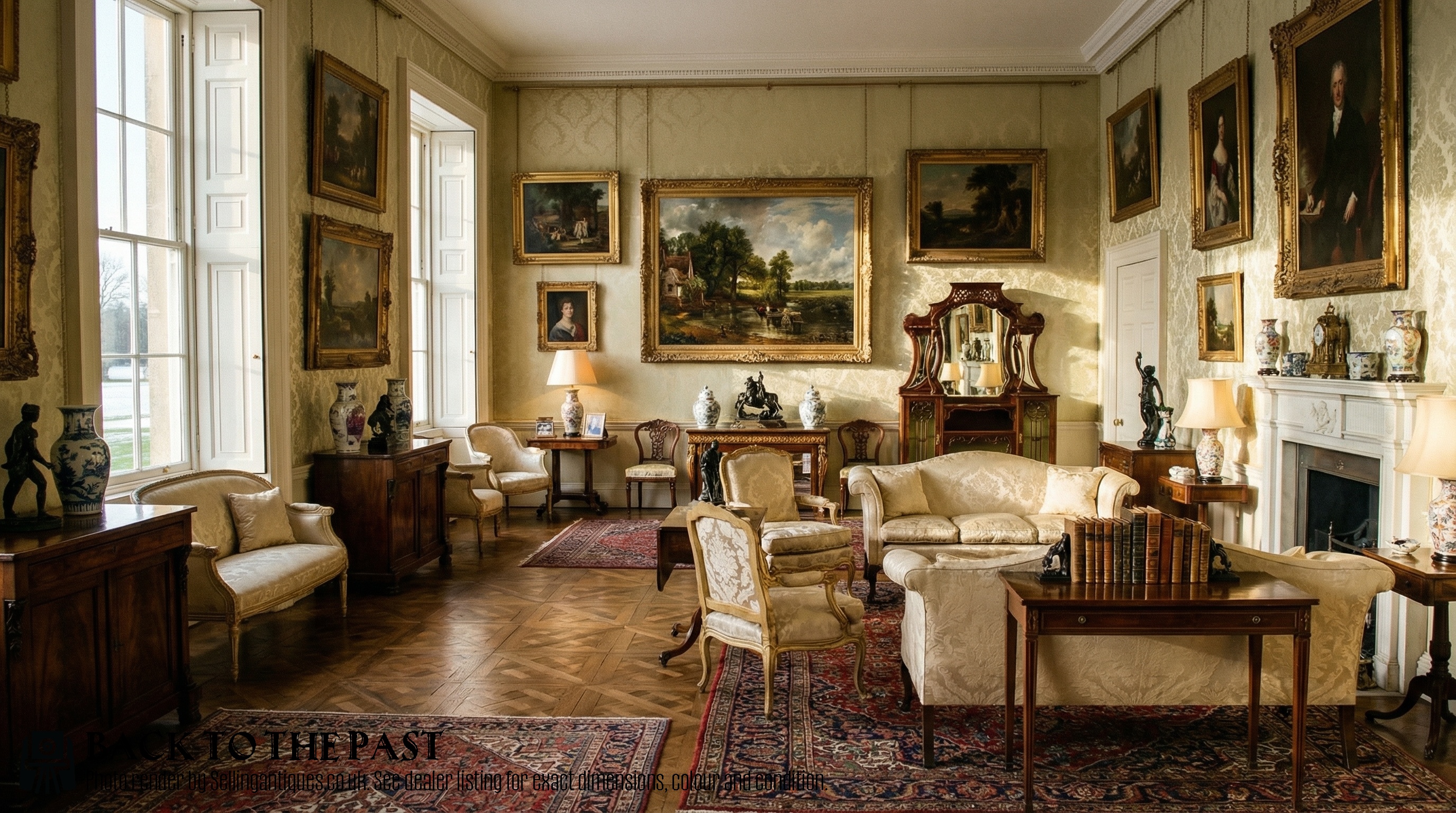
How they were made
The construction of these pieces relies heavily on mahogany, satinwood, and walnut timbers selected for their grain and warmth. Craftsmen incorporated glass panes into doors and sides to ensure the interior contents remain fully visible.
Decorative techniques recorded in the evidence include inlay and marquetry, particularly within Sheraton Revival and Dutch Baroque examples. Additional components such as brass hardware and mirror glass are integrated into the designs to enhance the visual depth of the interior.
Retail Price Guide 2026
Typical UK retail prices for brown wood china cabinet, calculated from the Sellingantiques database of over a million retail prices indexed since 2003. This retail price guide relies exclusively on Sellingantiques data; no external sources or auction records are used, so the figures do not describe the wider market.
Listings span four distinct periods: the 18th Century, Edwardian era, 1900, and 1910.
What varies in quality
Quality differences lie in the selection of timbers and the precision of decorative inlays and marquetry work. Finer cabinets demonstrate superior joinery in the framing of glass doors and the integration of mirror backs.
The sophistication of the stylistic revival work, such as Neoclassical or Sheraton Revival details, separates standard production from exceptional cabinetmaking. The integration of specialised brass fittings and undamaged original glass plates further distinguishes the higher tiers.
Waring & Gillow
The Brown Wood China Cabinet Glossary
- Vitrine
- A glass-fronted cabinet designed for the display of fine objects or china. This term frequently appears in descriptions of 18th Century Dutch pieces.
- Bow front
- A cabinet front that curves outward in a convex shape. This configuration adds visual softness and dynamic movement to the timber facade.
- Marquetry
- The art of applying pieces of veneer to a structure to form decorative patterns. Dutch Baroque examples utilise this technique extensively.
- Mirror back
- An interior backing lined with reflective glass. This feature bounces light through the displayed china and illuminates darker corners.
Frequently Asked Questions
What is a brown wood china cabinet used for?
These cabinets serve as secure enclosures for displaying ceramic collections, glassware, and decorative objects. The glazed doors protect delicate pieces from dust while keeping them in plain view.
Historically, they occupied prominent spaces in dining rooms and parlours to showcase household status and fine tableware.
How do I identify an Edwardian cabinet?
Edwardian pieces often feature lightweight mahogany frames, delicate inlay work, and refined proportions inspired by earlier 18th-century designs. They frequently incorporate mirror backs or bow front shapes.
Examining the internal construction and secondary timbers helps confirm the early twentieth-century manufacturing date.
What is Sheraton Revival style?
Sheraton Revival furniture draws inspiration from the late 18th-century neoclassical designs of Thomas Sheraton. These pieces typically exhibit symmetrical layouts, satinwood highlights, and precise stringing.
Makers working around 1900 adopted these motifs to create lighter, elegant display furniture.
Are these cabinets difficult to maintain?
Maintenance involves standard care for polished wood surfaces and glass cleaning. Avoiding direct sunlight prevents the mahogany and walnut timbers from fading over time.
Checking the stability of hinges and brass hardware ensures the glazed doors continue to hang and close properly.