

Brown Watercolour Picture
When you search for a brown watercolour picture, you are looking at original paintings executed on paper in monochrome or earthy palettes.
Brown Watercolour Picture
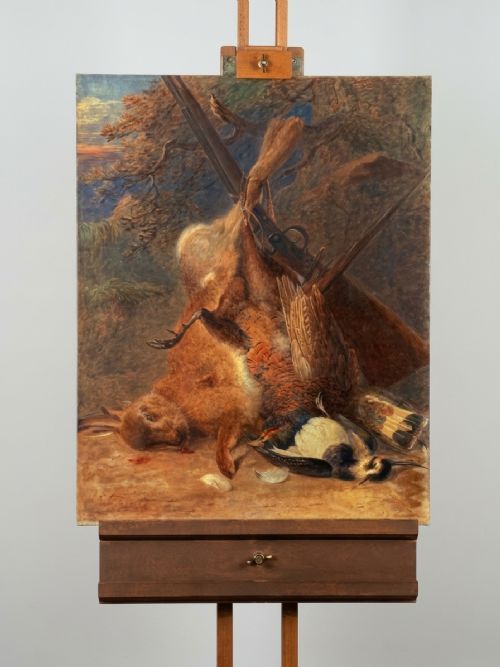
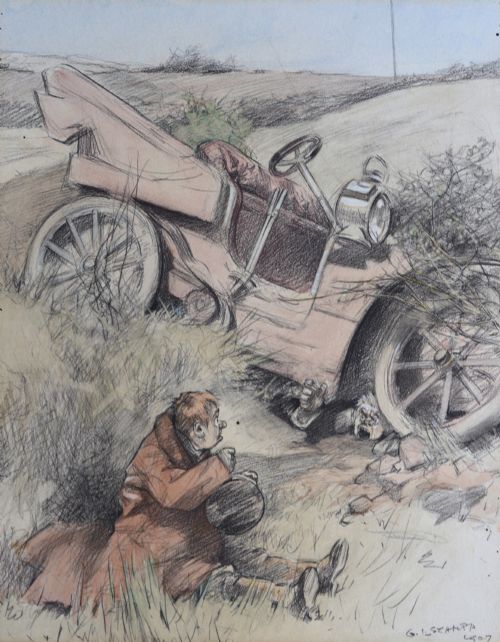
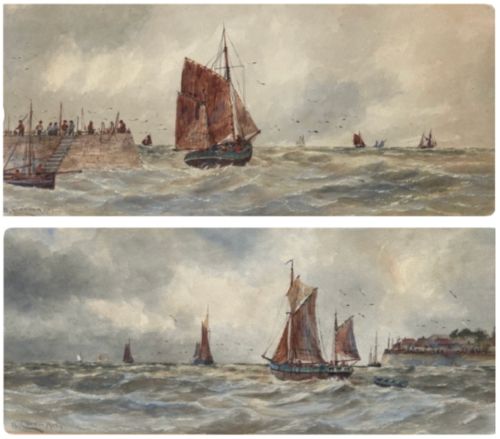
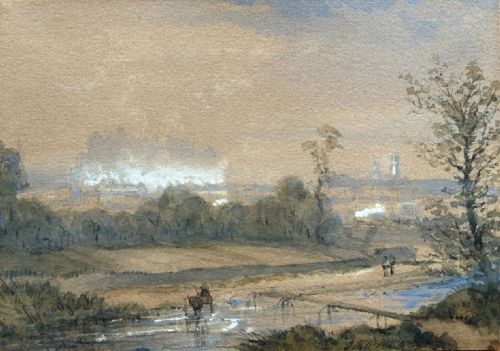
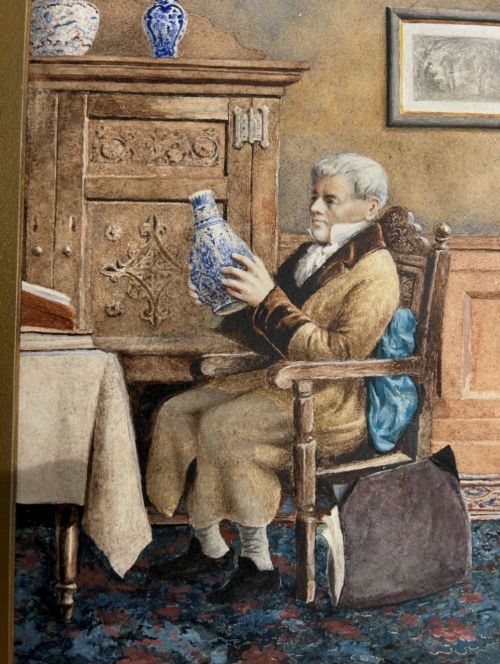
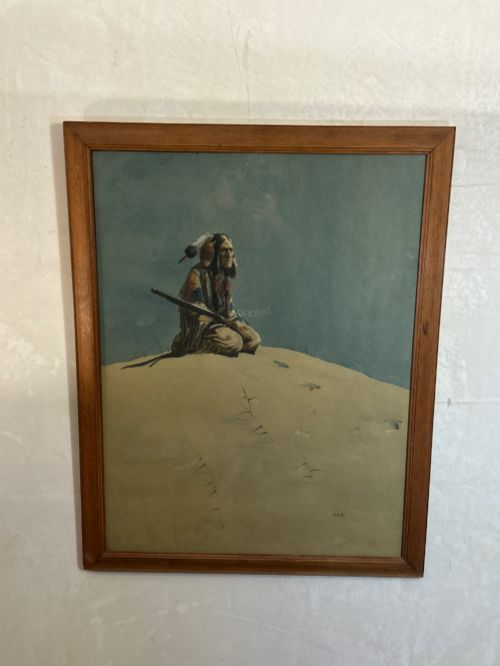
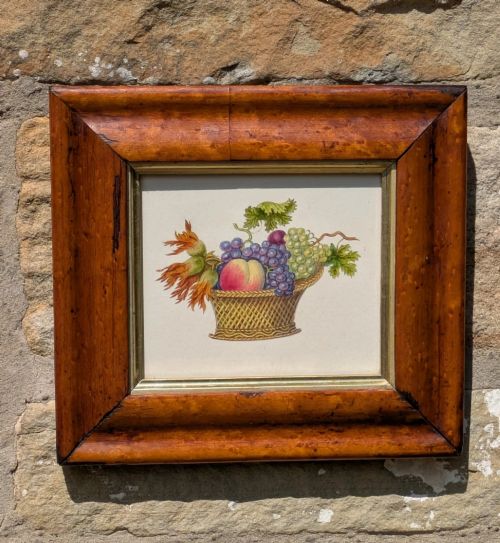
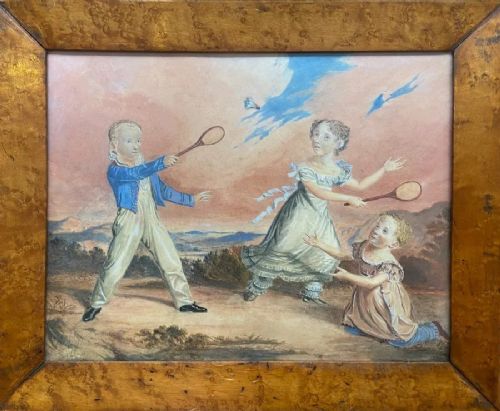
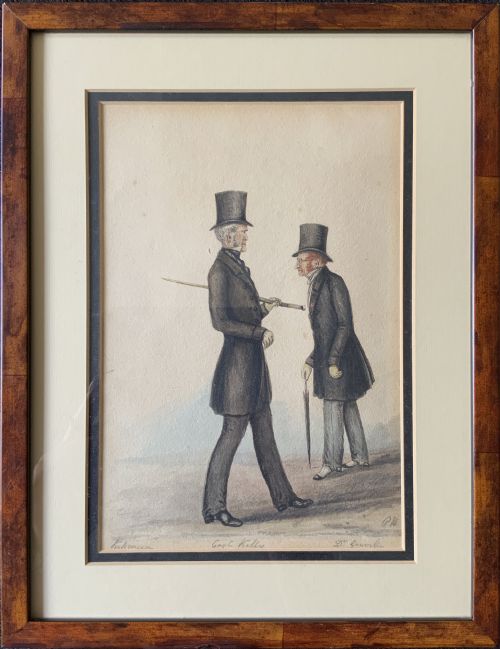
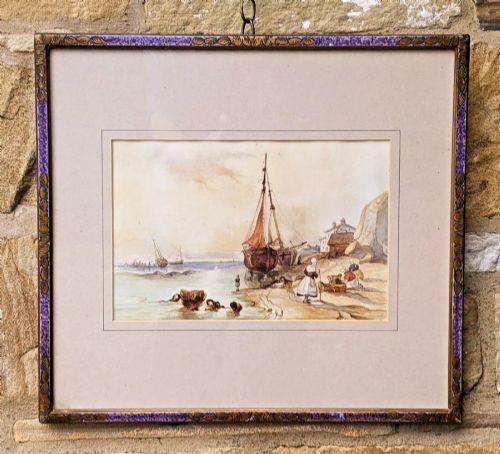
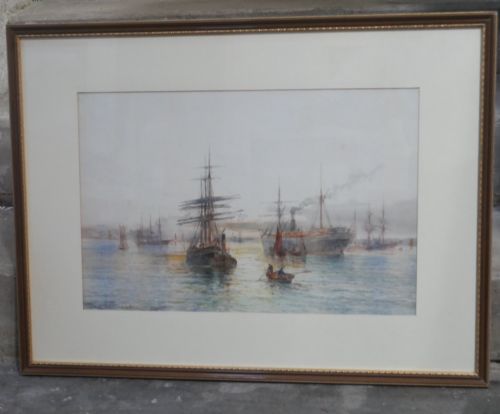
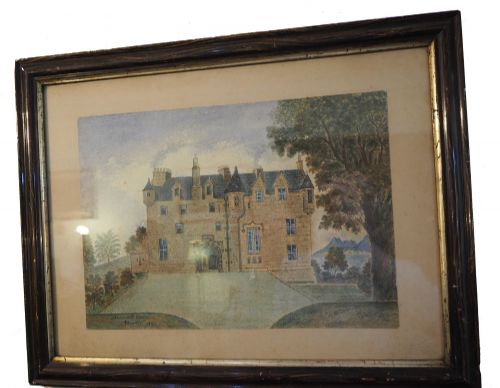
A brown watercolour picture encompasses original works on paper spanning from the Regency and Victorian eras through to the mid-twentieth century. Collectors encounter framed landscapes, coastal scenes, maritime views, and figurative studies that rely on tonal brown pigments.
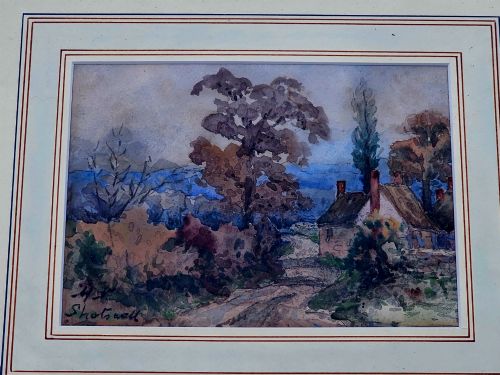
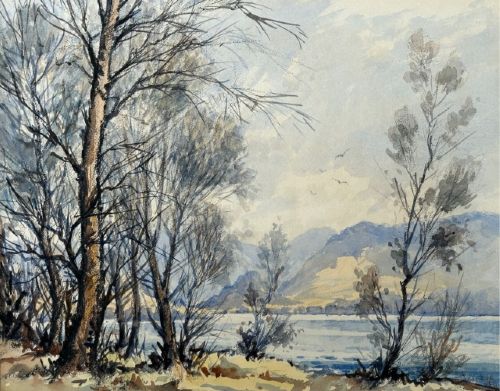
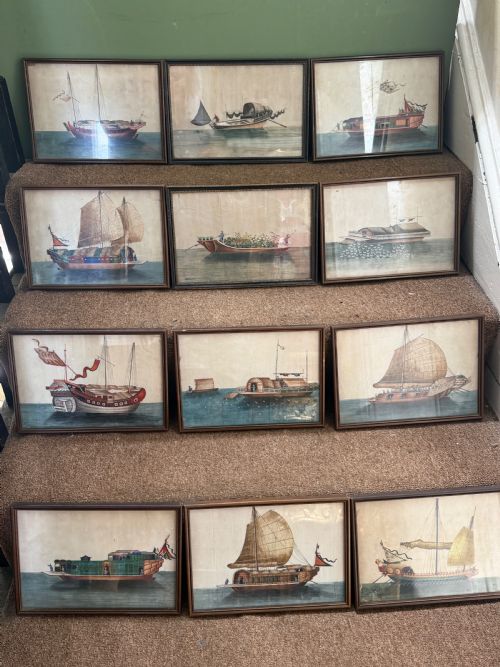
The selection ranges from detailed nineteenth-century topographical views and maritime scenes to early twentieth-century illustrations and mid-century British impressionism. Many pieces are preserved under glass within traditional wood frames, recording subjects from Scottish castles to rural farmyards.
Materials and technique
Artists painted primarily with watercolour pigment and gouache or bodycolour applied directly onto paper supports. The monochromatic or earth-toned palette often depended on sepia or umber washes to establish depth and shadow.
Works were frequently signed by the artist and housed behind protective glass within wooden frames. The interaction between fluid pigment and paper grain created distinct textural variations across the surface.
Framed artwork formats range from detailed maritime watercolours to garden bird studies and landscape scenes under glass.
Evaluating quality and execution
The distinction between standard examples and finer works lies in the dexterity of brushwork and the management of tonal washes. Masterful control of transparency and pigment density gives depth to architectural and natural subjects.
Condition of the paper and the preservation of the original pigment under glass heavily influence the overall standard. Provenance, legible signatures, and identifiable locations by recorded artists elevate specific pieces above anonymous decorative works.
George Sydney Shepherd·George Lorain Stampa·William Cannon·John R Prentice·Henry Stacy Marks·John Hassall·Robert Leslie Howey·John Moxon·F.J. Snell·Alfred George Morgan·James Tower·Henry Charles Fox·John Rattenbury Skeaping·Robert Little·Fred Lawson·Sir Thomas Newenham Dean·James Hardy of Bath·John Atkinson·Louie Stanley Maurice Prince·Helena Maguire·Edward Brown
The Brown Watercolour Picture Glossary
- Watercolour
- A paint consisting of a pigment suspended in a water-soluble vehicle, applied to paper to create translucent washes of colour.
- Gouache
- An opaque watercolour paint mixed with a white pigment to create denser, heavier coverage and solid highlights.
- Bodycolour
- An alternative term for gouache, frequently utilised in nineteenth-century watercolours to add opaque passages over transparent washes.
- Provenance
- The documented history and ownership of a work of art, helping to verify its authenticity and attribution.
- Impressionism
- An artistic style characterised by relatively small, thin, yet visible brush strokes and an emphasis on accurate depiction of light.
Brown Watercolour Picture: Frequently Asked Questions
What periods do these watercolours come from?
The listings span from the Regency and Victorian periods through the Edwardian era into the mid-twentieth century.
Pieces frequently display specific dates or stylistic markers characteristic of the nineteenth and twentieth centuries.
How should I display a watercolour painting?
Watercolours require framing under glass to protect the paper and pigment from atmospheric moisture and dust.
Direct sunlight should be avoided to prevent the fading of delicate brown and earth-toned washes over time.
What subjects are most common?
Common subjects include British landscapes, coastal harbours, maritime scenes, and pastoral countryside views.
Figurative studies, animal portraits, and architectural illustrations also appear regularly across the selection.
Are these works signed by artists?
Many examples feature original artist signatures, inscriptions, or dates written directly on the paper surface.
Others remain anonymous or attribution-based, recorded as followers of particular nineteenth-century painters.