
English Rural Landscape Artwork
English rural landscape artwork captures the quiet fields, country lanes, and riverbanks of the countryside through traditional painting and watercolour.
English Rural Landscape Artwork
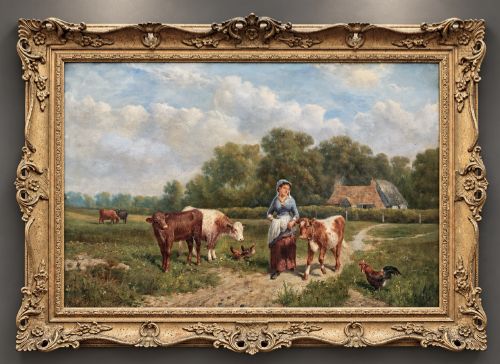
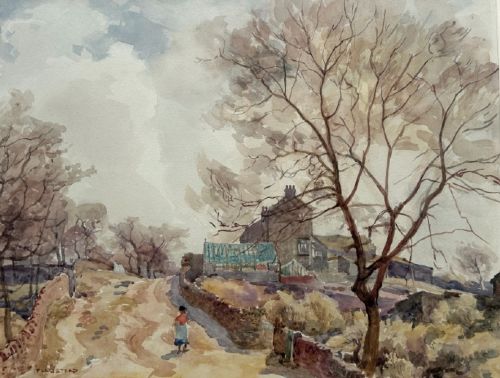
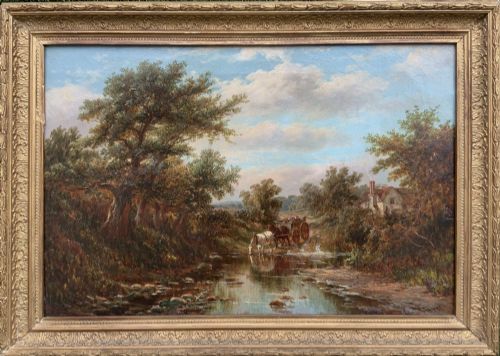
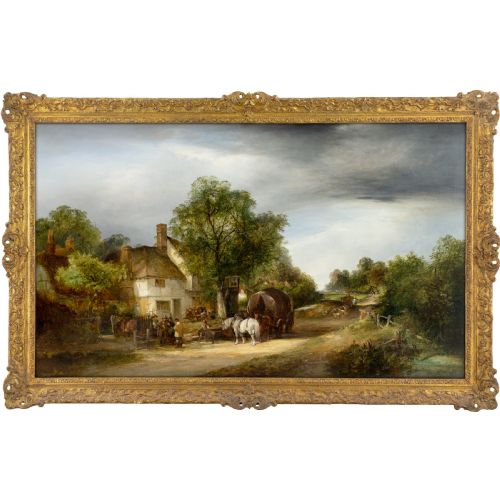
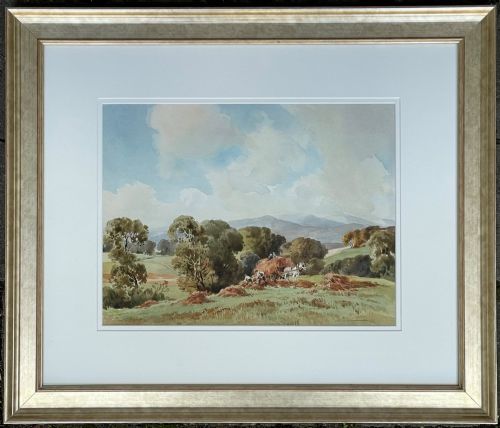
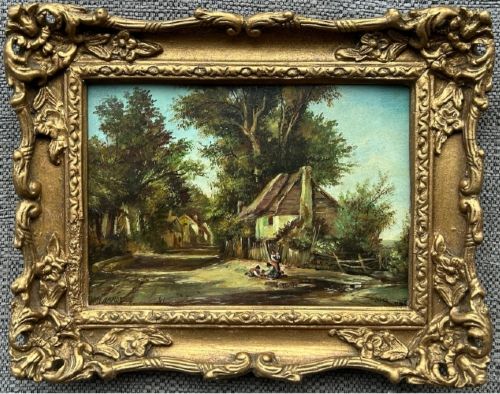
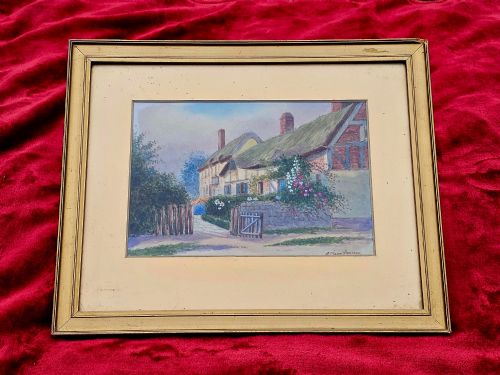
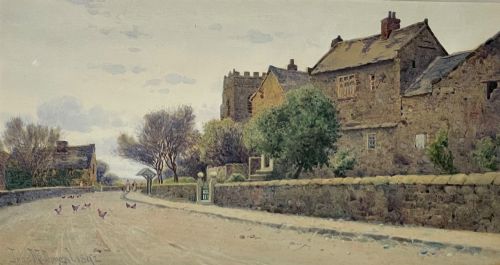
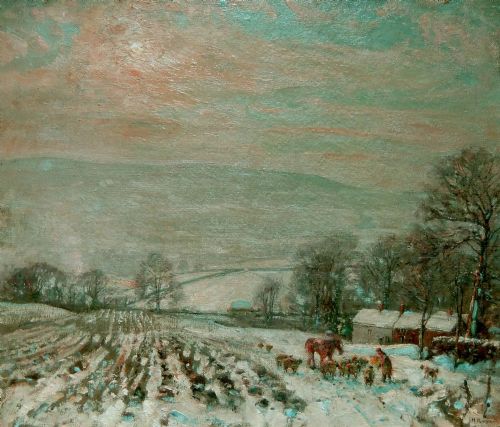
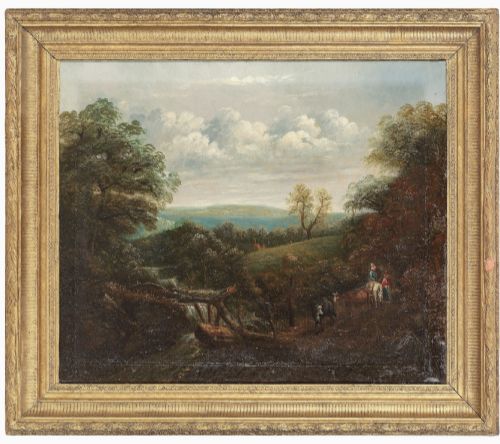
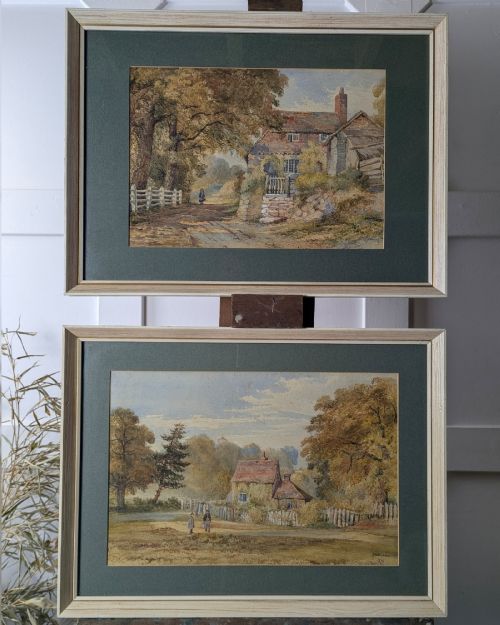
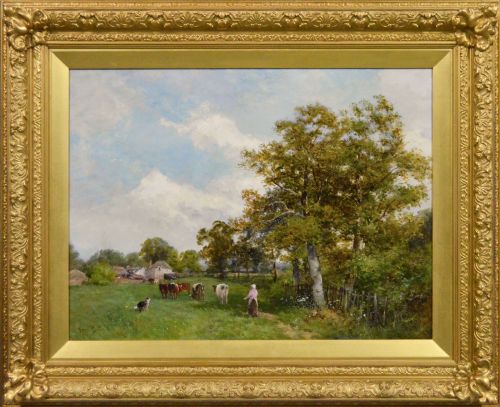
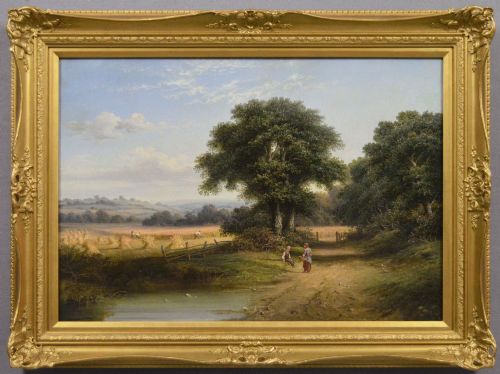
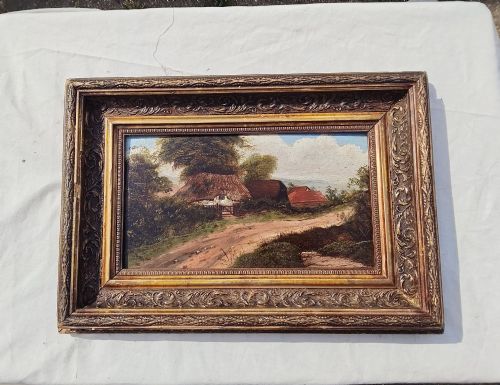
When buyers search for english rural landscape artwork, they encounter framed paintings and watercolours depicting pastoral scenes, harvest fields, and village cottages. These pieces reflect the rural traditions of the British countryside across the nineteenth and twentieth centuries.
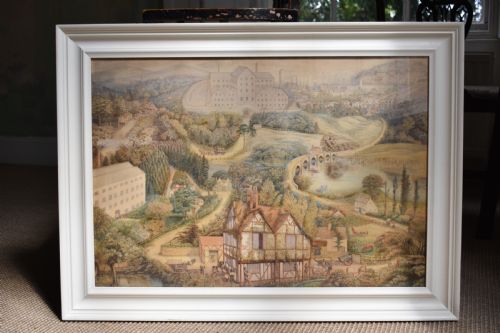
The selections available here range from Victorian pastoral watercolours to Edwardian and mid-century oil paintings on canvas, board, and panel. Smaller watercolours on paper and larger oil works show rural life, farming, and coastal villages.
Artists from various regional traditions, including the Norwich School and British Impressionism, recorded local scenery from Yorkshire to Sussex. These works provide a direct visual record of historical rural environments.
Materials and methods
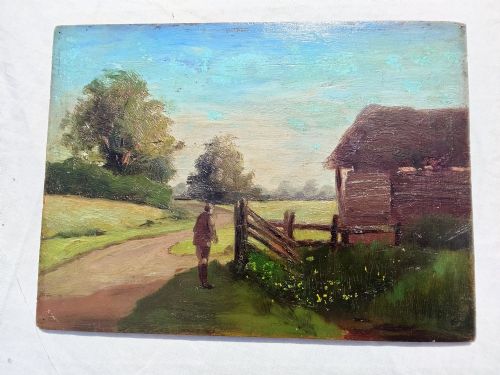
Artists utilised oil paint on canvas, wooden board, card, and panel, alongside watercolour applied to heavy paper. These traditional media were chosen for their permanence and ability to capture natural light and atmospheric depth.
Canvases and panels are frequently housed in their original gilt wood frames under glass where appropriate. The physical support often bears the marks of studio practice, including artist signatures and period framing techniques.
The listings encompass works executed on paper, canvas, card, wooden board, and panel by various British schools.
Assessing quality and execution
Quality rests upon the artist's handling of light, brushwork confidence, and the accurate composition of natural forms. Stronger works demonstrate a sure command of tone and perspective, bringing depth to foliage, skies, and rustic buildings.
The preservation of the pigment and the integrity of the original support determine the longevity of the piece. Works with clear provenance, signed compositions, and intact period framing hold greater artistic and historical cohesion.
Percy Lancaster·William Howard Hardy·John McDougal·Herbert Royle·David Bates·Walter Heath Williams·John Horace Hooper·George Oyston·William Greaves·Miles Birkett Foster·Herman S Melville·George Morland·Edgar Woollatt·Harry Freckleton·Henry Charles Fox·Ernest Higgins Rigg·Cuthbert Crossley·Reginald Grange Brundrit·Fred Lawson·James William Booth·William Sydney Cooper·Samuel Joseph Clark·James Orrock·M. C. Hider
The English Rural Landscape Artwork Glossary
- Watercolour
- A painting method where fine pigment is suspended in a water-soluble binder and applied to paper. It allows for transparent washes of colour that capture delicate atmospheric effects.
- Oil on Canvas
- A traditional painting technique utilising pigments bound in drying oil applied to a stretched woven fabric support. This medium permits rich textures and extensive blending.
- Norwich School
- A regional movement of artists inspired by the Norfolk landscape, forming the first provincial art movement in Britain. Their output focuses closely on local scenery and rural life.
- British Impressionism
- A style influenced by continental movements that embraced loose brushwork and plein air painting. Artists sought to capture transient effects of light in rural settings.
- Gilt Wood
- Timber frames treated with a fine layer of metallic gold leaf or paint. These ornate surrounds complement the traditional subject matter of the enclosed paintings.
English Rural Landscape Artwork: Frequently Asked Questions
What subjects appear in these rural artworks?
The compositions frequently feature harvest fields, thatched cottages, country lanes, and livestock grazing near rivers. Artists recorded specific regional locations across Yorkshire, Sussex, Kent, and Nottinghamshire.
Human figures engaged in daily rural labour, such as herding sheep or carting hay, often animate the landscape alongside farm buildings and village views.
How should I display vintage oil paintings?
These framed works suit traditional living spaces, studies, and hallways where natural light enhances the painted tones. Keep them away from direct sunlight and damp environments to protect the canvas and wooden boards.
Ensure the antique gilt wood frame is securely hung from appropriate wall fixings to support the weight of the piece safely.
How can I identify the period of a landscape?
Stylistic clues such as brushwork, framing materials, and clothing worn by figures help narrow down the date of creation. Victorian and Edwardian works often display distinct palettes and framing conventions compared to later mid-century pieces.
Artist signatures, dates inscribed on the reverse, and labels from former exhibitions or studio sales provide definitive chronological markers.
What is the difference between oil and watercolour?
Oil paintings utilise heavy pigment suspended in oil on canvas, wood, or board, offering rich textures and deep tones. Watercolours employ translucent washes on paper, resulting in lighter, more luminous compositions under glass.
Oils are generally more robust and opaque, whereas watercolours rely heavily on the reflective quality of the white paper beneath the pigment.