


Welsh Landscape Artwork
Welsh landscape artwork captures the distinct terrain, rivers, and castles of Wales through oil and watercolour paintings.
Welsh Landscape Artwork
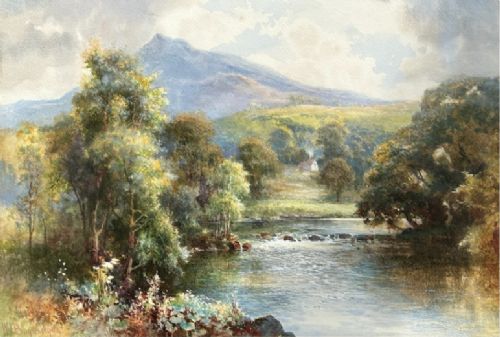
When buyers search for welsh landscape artwork, they encounter depictions of valleys, rivers, and mountains across Wales. These pieces record recognizable locations such as the River Llugwy, Conway Castle, and Cardigan Bay through historical painting traditions.
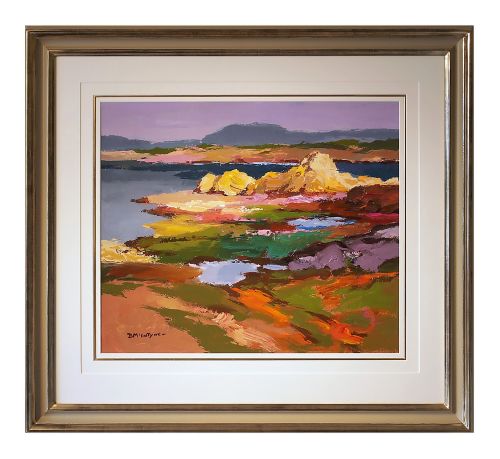
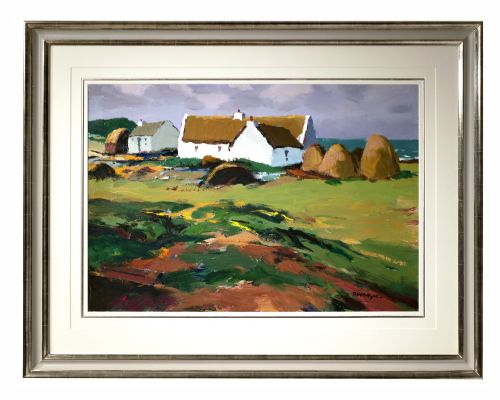
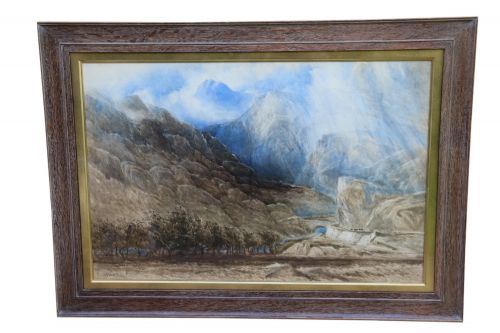
The selection on this page relies heavily on nineteenth-century Victorian pastoral scenes and early twentieth-century interpretations. Works span media from detailed oil on canvas to delicate paper watercolours.
Subjects range from rugged mountain passes to quiet rural villages and coastal harbours. The forms appear primarily as framed fine art paintings alongside occasional folk art pieces in Welsh slate.
How They Were Made
Painters utilised oil on canvas, wood panel, and board, applying pigments to build up texture and depth in mountain and river scenes. Watercolours on paper capture lighter atmospheric effects across valleys and estuaries.
Frames incorporate materials such as giltwood and gesso, protecting the works while complementing the visual weight of the paintings. Wall plaques and hearth pieces utilise carved Welsh slate.
Depicted locations across Wales include river valleys in North Wales, Cardigan Bay, and Swansea.
What Varies in Quality
The strength of a composition depends on the artist's handling of light and shadow across difficult terrain such as rocky passes and river banks. Works by established named painters demonstrate a surer command of perspective and atmospheric depth.
Materials influence durability and appearance, with stable canvas supports and well-preserved paper holdings retaining their intended tones. The quality of the original framing, particularly moulded giltwood, also affects the overall presentation.
Donald McIntyre·Henry Martin Pope·Hubert Wellington·Cornelius Pearson·Sidney Richard Percy·Thomas Spinks·Frederick Waters Watts·William Mellor·Walter J Watson·Harold Lawes·William Langley·Julius Caesar Ibbetson·Herbert Royle·Samuel Sidley·Willie Stephenson·Henry Brittan Willis·William Henry Mander·David Bates·Benjamin Williams Leader
The Welsh Landscape Artwork Glossary
- Giltwood
- Wood carved and coated with gold leaf or a gold-coloured finish. This material appears frequently in traditional picture frames.
- Gesso
- A plaster-like mixture applied to wood or canvas as a base for paint or gilding. It provides a smooth surface for decorative mouldings.
- Watercolour
- A paint consisting of pigment suspended in a water-based solution applied to paper. It allows for translucent washes and fine detail.
- Oil on Canvas
- Pigment mixed with drying oil applied to a stretched fabric surface. This combination offers rich colour depth and durability.
- Folk Art
- Utilitarian or decorative items created by self-trained makers outside academic traditions. These pieces often utilise local materials like slate.
Welsh Landscape Artwork: Frequently Asked Questions
What subjects appear most often in these paintings?
Artists frequently depict Welsh rivers, mountain ranges, and historic castles. Popular locations include Snowdonia, Conwy, and various coastal bays.
Scenes often incorporate local figures, cattle, or rural workers to provide a sense of scale against the vast terrain.
How do oil and watercolour works differ?
Oil paintings utilise pigments bound in drying oil on canvas or wood panels, offering rich textures and deep tones. Watercolours use water-based pigments on paper to achieve lighter, translucent effects.
Both mediums capture the changing light and weather of the Welsh countryside effectively.
What periods do these artworks represent?
The pieces span from the late eighteenth century through the mid-twentieth century. Nineteenth-century Victorian views and early twentieth-century modern British works form the bulk of the selection.
Each era brings distinct stylistic approaches to depicting the same geographical locations.
How should framed watercolours be displayed?
Watercolours require protection from direct sunlight to prevent the pigments from fading over time. Glazing helps shield the paper from moisture and dust in domestic environments.
Stable indoor temperatures ensure the paper and backing materials do not warp.