
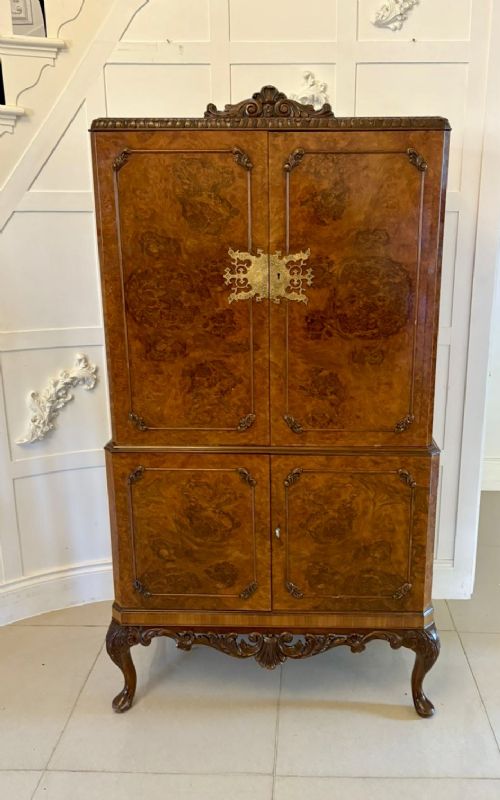
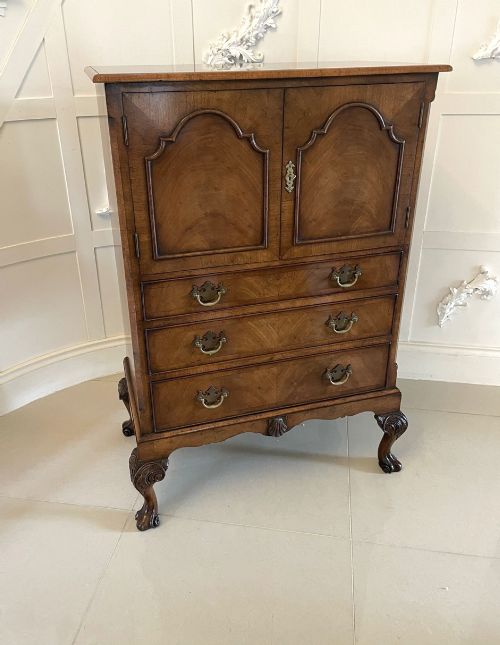

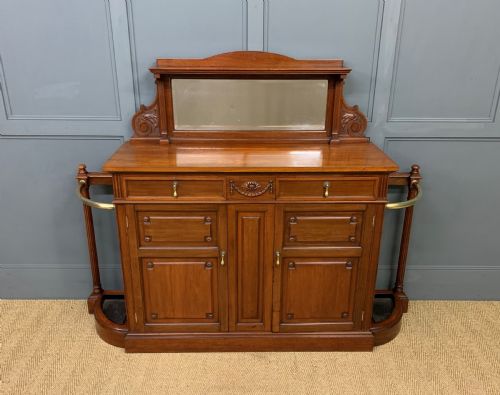
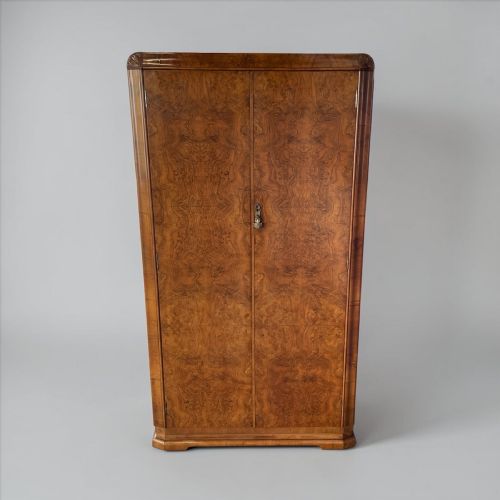


Brown Walnut Storage Stand
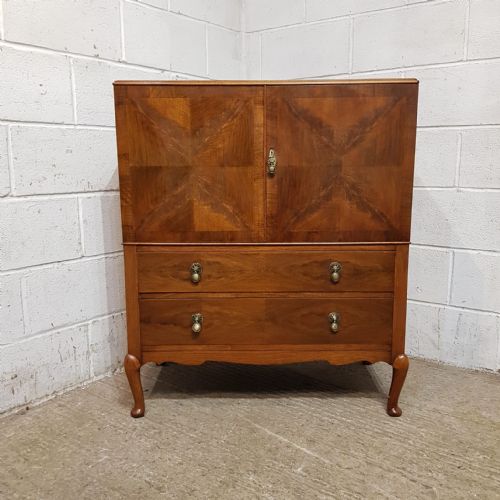
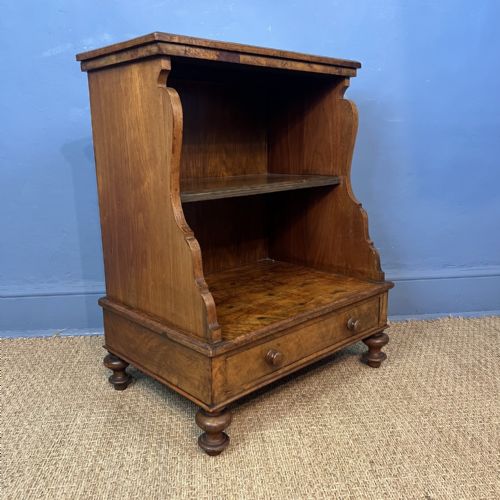
A brown walnut storage stand brings rich timber grain and practical organisation to a room, ranging from music cabinets to raised chests.
Brown Walnut Storage Stand
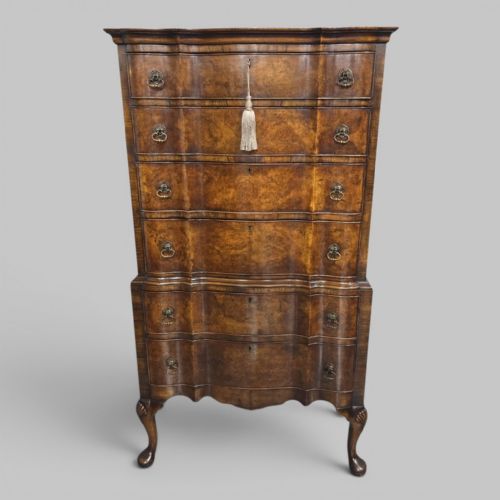
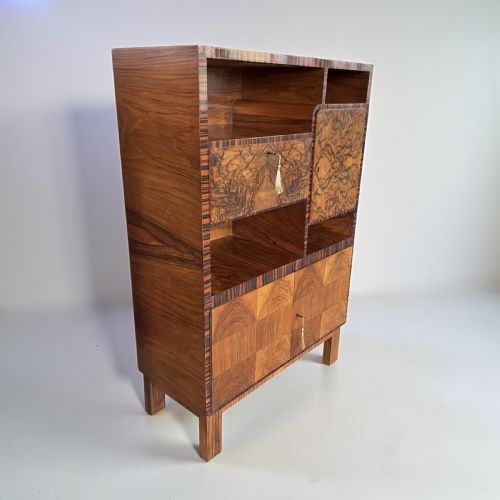
A brown walnut storage stand encompasses specialised pieces like music cabinets, chests on stands, and tallboys originating from periods spanning the seventeenth century through to the Art Deco era.
The selections on this page appear most frequently in Edwardian, Victorian, and 1930s incarnations, alongside earlier examples from the eighteenth century.
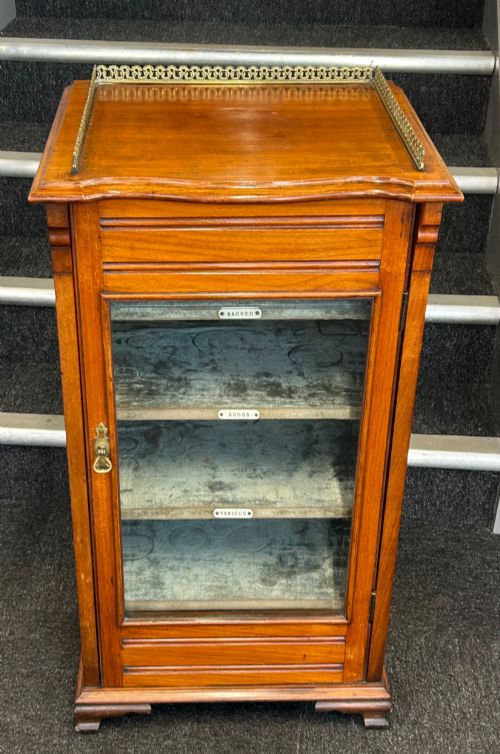
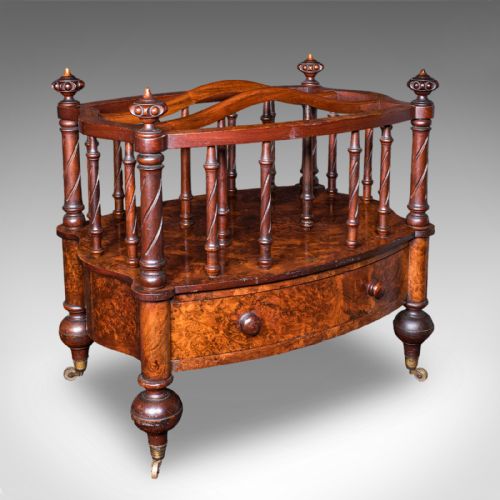
Buyers encounter forms designed for specific domestic tasks, such as sheet music storage, newspaper sorting, and general compartmentalised containment.
Distinctions in Standard
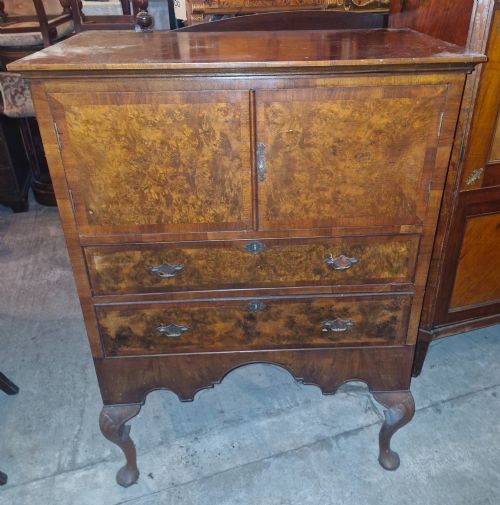
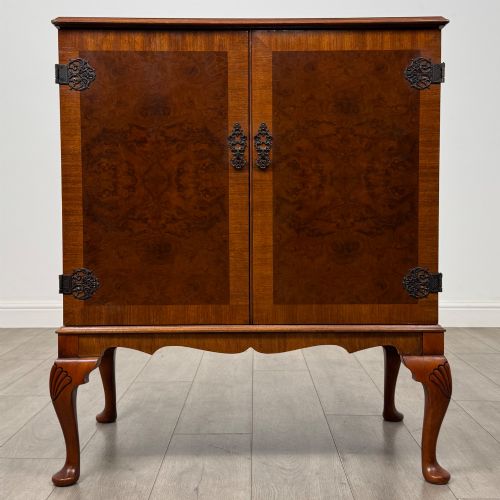
The caliber of a brown walnut storage stand rests on the selection and matching of the wood veneers, particularly the liveliness of the burr figures across the facade.
Execution of internal fittings, such as pigeonholes, dividers, and original brass handles, separates standard production items from finer workshop commissions.
Listings feature walnut, burr walnut, and olive wood, spanning the seventeenth century through to Art Deco designs.
Shoolbred & Co.·Hille
The Brown Walnut Storage Stand Glossary
- Burr Walnut
- A specialised timber cut from the wart-like growths on walnut trees, yielding intricate, swirling grain patterns highly prized for decorative cabinet facades. It is frequently applied as a thin veneer over a stable core wood.
- Chest on Stand
- A case piece comprising an upper set of drawers elevated on a separate framework with legs. This form lifts the storage compartment off the floor and lightens the visual mass of the furniture.
- Canterbury
- A low, freestanding stand traditionally used for holding sheet music, books, or newspapers, typically divided into vertical partitions above a small drawer. Originating in the late eighteenth century, these items are often constructed in walnut.
- Oyster Veneer
- Small circular or oval slices cut transversely from small branches or roots, arranged side by side to create an oyster-shell effect across a surface. This technique appears on seventeenth-century cabinetwork.
Brown Walnut Storage Stand: Frequently Asked Questions
What is a brown walnut storage stand used for?
These pieces serve domestic storage needs, originally housing sheet music, newspapers, documents, or small household items within specialised compartments and drawers.
Today, they function as versatile accent furniture in living spaces, studies, and hallways, providing concealed containment alongside surface display space.
How do I identify an Edwardian music cabinet?
Edwardian music cabinets typically feature upright proportions with a glazed or paneled door opening to reveal internal shelving designed specifically for vertical sheet music storage.
They often incorporate inlaid boxwood stringing and modest Edwardian stylistic touches while retaining practical internal partitions.
What distinguishes burr walnut from standard walnut?
Burr walnut derives from irregular growths on the tree, producing complex, swirling patterns that decorators use as a veneer on prominent exterior surfaces.
Standard walnut displays a more uniform, linear grain structure and is frequently utilised for solid structural components and frames.
Are eighteenth-century chests on stands different from later copies?
Eighteenth-century examples exhibit period-specific construction techniques, timber shrinkage patterns, and joinery details consistent with workshops of the 1700s.
Later revival pieces and copies from subsequent centuries employ manufacturing methods and hardware characteristic of their actual date of production.