


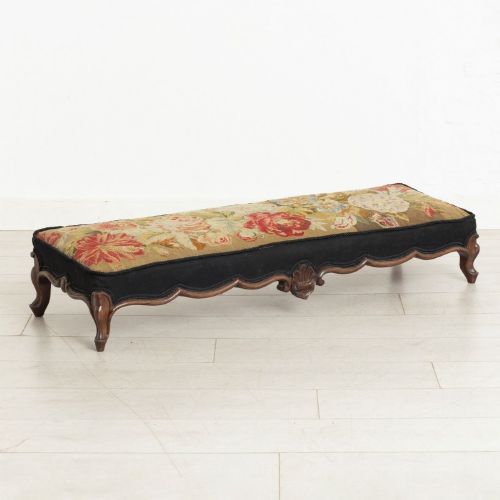


Brown Walnut Ottoman
Brown walnut ottoman pieces encompass seating and tables spanning the nineteenth and twentieth centuries, offering practical utility and rich historic character to an interior.
Brown Walnut Ottoman
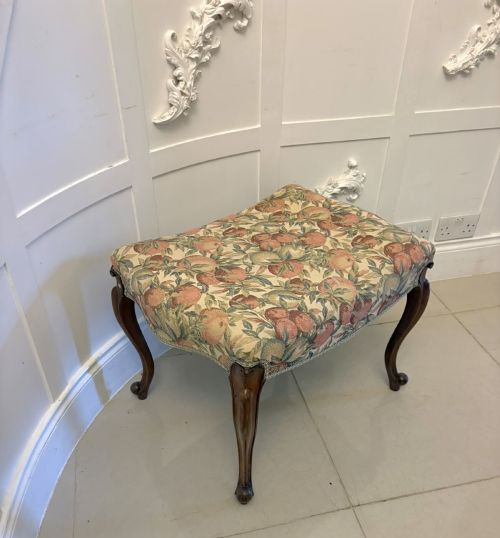
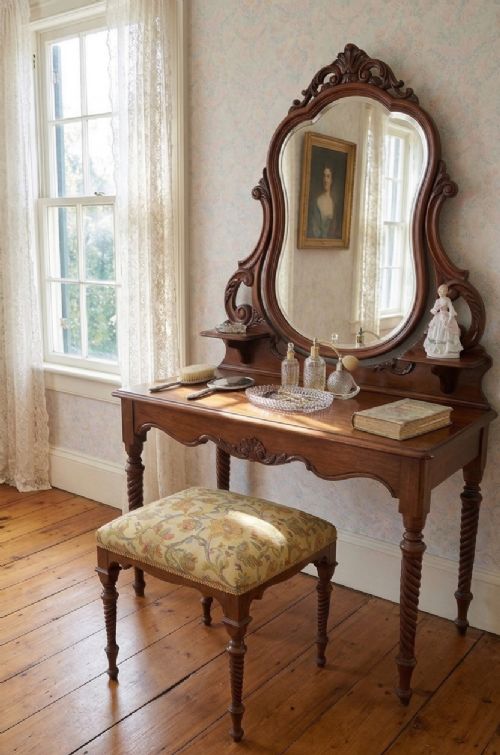
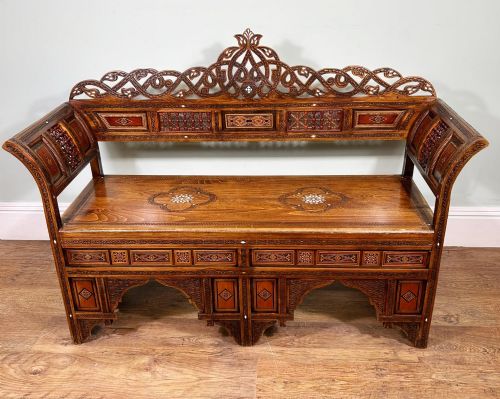
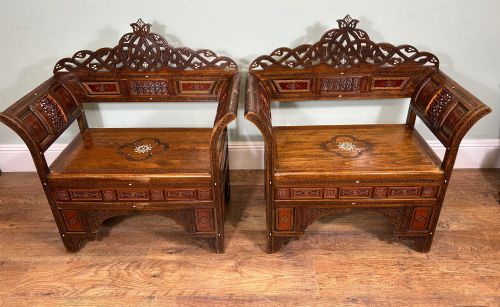
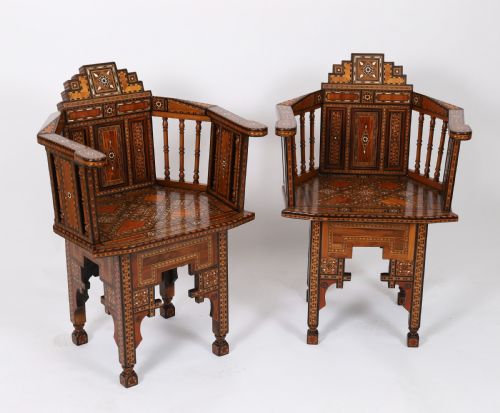
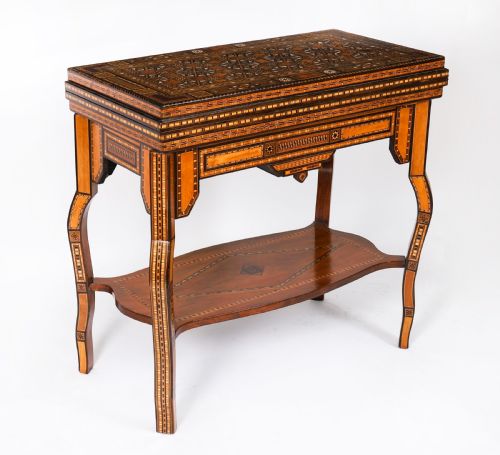
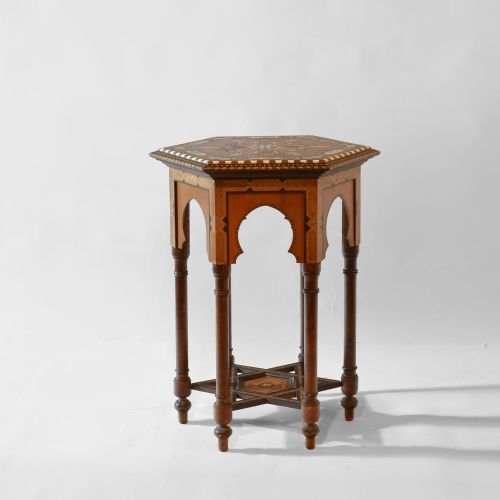
When searching for a brown walnut ottoman, a buyer typically encounters nineteenth-century Victorian footstools, low salon seats, and occasional storage forms fashioned from timber. The selection spans straightforward carved walnut frames to intricately patterned Levantine, Damascus, and Syrian tables or seating.
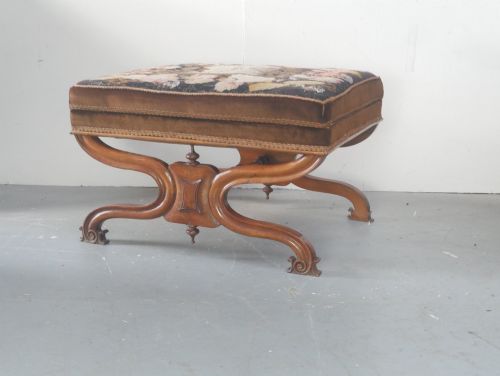
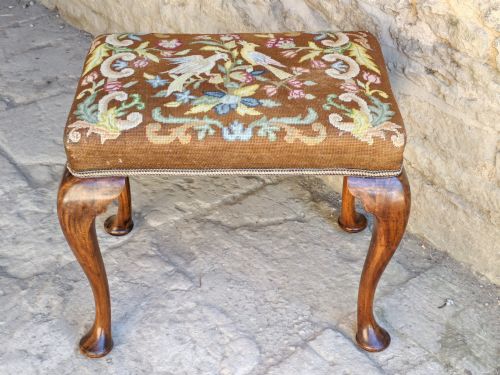
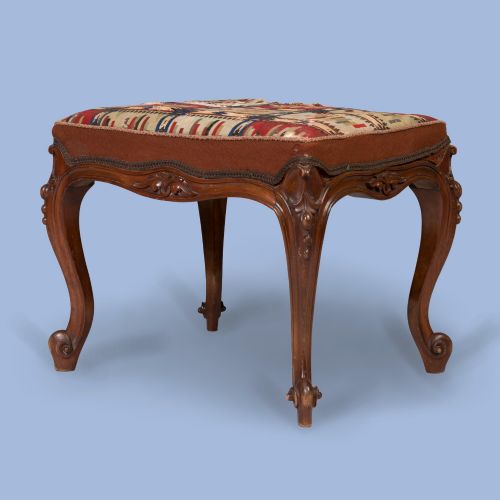
Victorian footstools and low window seats dominate the current offerings, frequently resting on cabriole legs or X-frame supports. These domestic items sit alongside regional occasional tables and blanket chests that share the primary walnut medium.
Materials and construction methods
The core material across these items is walnut, valued for its stable grain and deep warm tone, which is often shaped with hand carving. Artisans combined this timber with supporting structural elements in secondary woods.
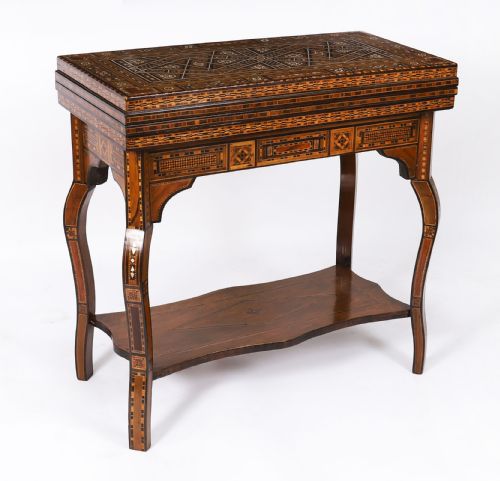
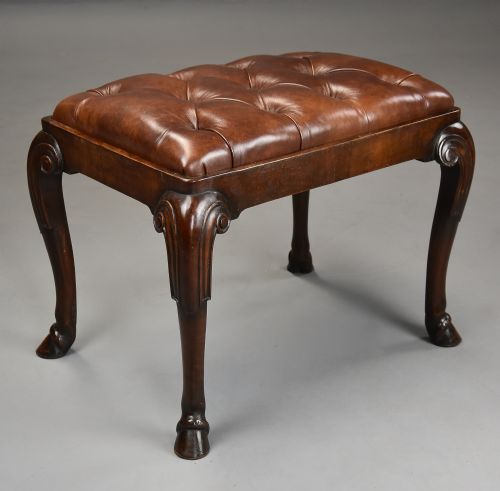
Decorative surfaces frequently incorporate intricate inlay work utilising brass, bone, fabric, leather, and mother-of-pearl. Textile elements such as original tapestries and woven fabrics complete the upholstered seating forms.
Brown Walnut Ottoman Retail Price Guide 2026
Typical asking prices for brown walnut ottoman among the pieces listed under this phrase on Sellingantiques today, from the lower quarter to the upper quarter. They describe what is for sale here now, not the wider market.
Hunting dog heads carved into a Victorian window seat offer a watchful companion for any empty room.
Assessing craftsmanship and condition
Quality in these pieces is evident in the crispness of the wood carving and the precision of geometric parquetry inlay. Superior examples display tight joinery and well-preserved decorative surfaces without extensive timber replacement.
The integrity of the original upholstery materials, leather panels, and auxiliary inlays determines the distinction between standard domestic items and finer salon pieces.
The Brown Walnut Ottoman Glossary
- Cabriole leg
- A furniture leg that curves outward and then tapers inward, commonly found on Victorian walnut stools.
- Parquetry
- A geometric mosaic of wood pieces used for decorative surface inlay on tables and panels.
- X-frame
- A structural furniture base formed by intersecting diagonal members creating an X shape.
- Canterbury stool
- A low seated piece incorporating compartment space for holding folios, music, or small domestic items.
- Damascus table
- An intricately inlaid hexagonal or occasional table originating from Middle Eastern workshops.
Brown Walnut Ottoman: Frequently Asked Questions
What periods do these pieces date from?
The pieces span predominantly from the mid-nineteenth century through the early twentieth century, incorporating Victorian and Edwardian manufacturing dates. Some examples draw stylistic inspiration from earlier eras such as the Queen Anne period.
Craftsmanship traditions reflected in the listings include regional workshops from Syria and the Levant alongside British cabinet makers.
How were these walnut items used originally?
Footstools and low salon seats provided comfortable footrests or secondary seating in period drawing rooms and parlours. Tables and blanket chests served functional roles for games, storage, and display.
Intricately inlaid surfaces on hexagonal tables and games boards also indicated spaces for leisure activities like chess and backgammon.
How do I identify a Victorian walnut stool?
Victorian examples typically present rich dark walnut frames, often featuring carved cabriole legs, scroll details, or X-frame supports. Original textiles, needlework, or leather upholstery frequently survive on these pieces.
Proportions tend to be low and sturdy, designed specifically for domestic comfort near parlor seating.
How should I care for inlaid walnut furniture?
Keep walnut timber and inlaid surfaces away from direct sunlight and steady heat sources to prevent wood splitting or adhesive drying. Dust gently with a dry, soft cloth without applying harsh chemical polishes.
Protect delicate mother-of-pearl, bone, and brass inlays by maintaining stable indoor humidity levels in the room.