
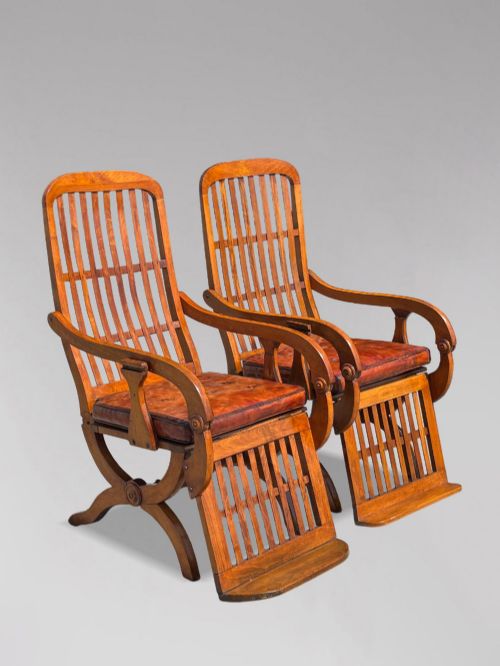


Brown Walnut Footrest
These brown walnut footrest pieces bring understated warmth to a room, offering sturdy timber frames and traditional upholstery for daily use.
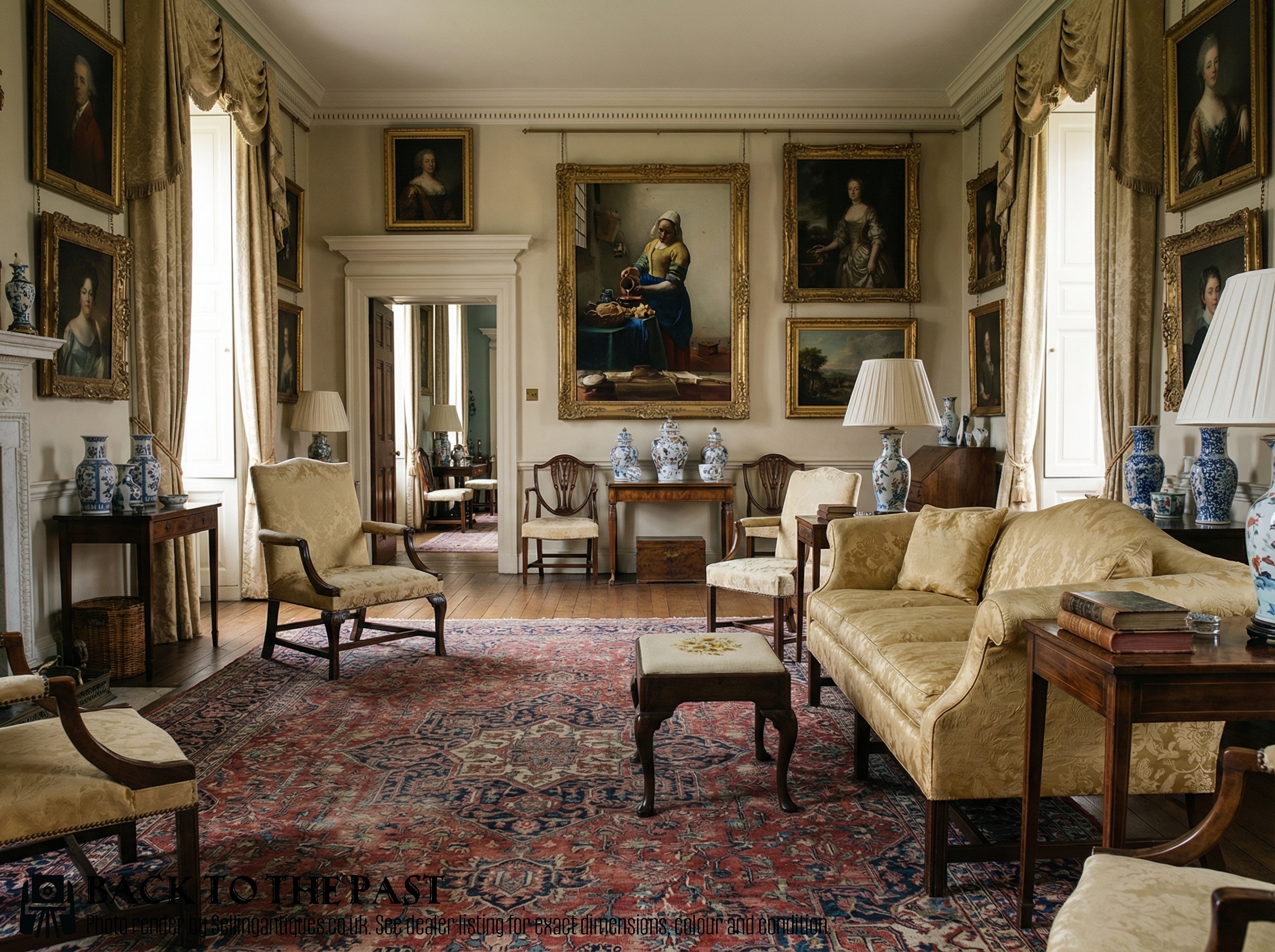
Brown Walnut Footrest
Most items you meet on this page date from the nineteenth century or early twentieth century, alongside revival styles. They appear primarily as footstools or dressing stools, though related armchair listings also emerge in the selection.
How they were made
The construction relies heavily on solid walnut and burr walnut timber, often shaped into curved legs and supportive frames. Makers utilised traditional joinery techniques to ensure stability across the base and legs.
Upholstery forms a major component of the manufacturing process, incorporating textiles such as leather, fabric, tapestry, and needlepoint. Decorative elements occasionally include brass details and carved wooden motifs on the cabriole legs.
The listings span from the eighteenth century to the 1930s, featuring walnut, leather, tapestry, and needlepoint.
What varies in quality
The distinction between standard examples and finer pieces lies in the crispness of the timber carving and the choice of wood veneers. Superior items display carefully selected burr walnut figuring and deeply sculpted cabriole legs.
Upholstery execution also determines distinction, particularly where intricate needlepoint or tapestry covers are employed. The harmony between the timber frame and the chosen textile dictates the overall character of the piece.
The Brown Walnut Footrest Glossary
- Cabriole leg
- A furniture leg that curves outward at the knee and tapers inward to an ankle, typical of Queen Anne and Georgian styles.
- Burr walnut
- A specialised timber cut from a tree growth, valued for its swirling grain patterns on furniture surfaces.
- Needlepoint
- A type of canvas work embroidery used historically for durable and decorative stool covers.
- Queen Anne style
- A design movement characterised by curved lines, pad feet, and graceful proportions originating in the early eighteenth century.
Brown Walnut Footrest: Frequently Asked Questions
How do I clean a leather top?
Wipe the leather gently with a soft, damp cloth and apply a suitable conditioning cream periodically to maintain the surface.
Avoid using harsh chemical detergents or soaking the material, as excess moisture damages both the leather and the underlying wooden frame.
Are these suitable for daily use?
Solid walnut construction and traditional joinery make these pieces robust enough for everyday seating and resting feet.
Care should be taken with delicate textile covers such as antique tapestry or needlepoint to prevent excessive wear over time.
What defines Queen Anne style?
This design approach emphasises smooth curves, prominent cabriole legs, and understated elegance rather than heavy ornamentation.
In walnut furniture, this style showcases the natural grain of the timber without excessive surface decoration.
How do I identify a Victorian piece?
Victorian items often combine dark walnut timbers with robust upholstery such as leather or patterned fabric.
They frequently display heavier proportions and varied leg forms compared to earlier eighteenth-century designs.