

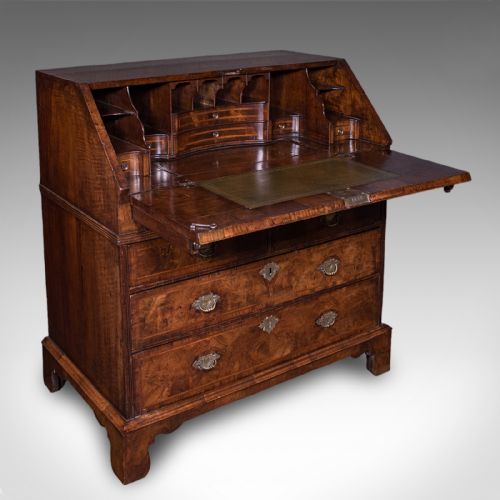


Brown Walnut Chest Desk
A brown walnut chest desk combines generous storage with a dedicated writing surface, offering a practical workspace shaped by centuries of cabinet-making.
Brown Walnut Chest Desk
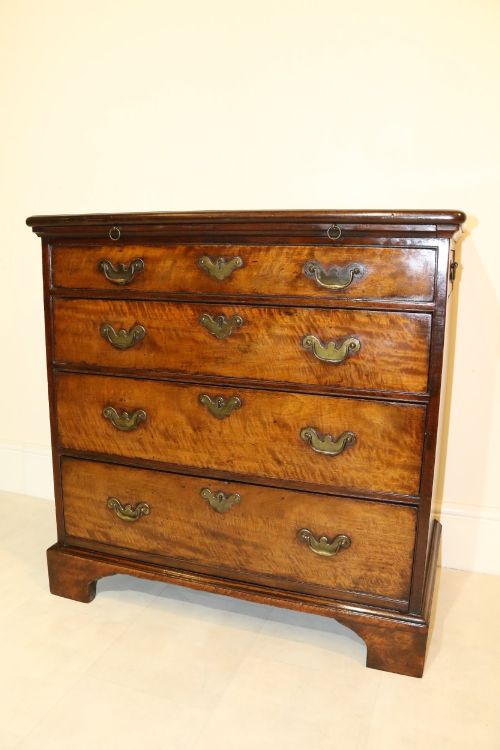
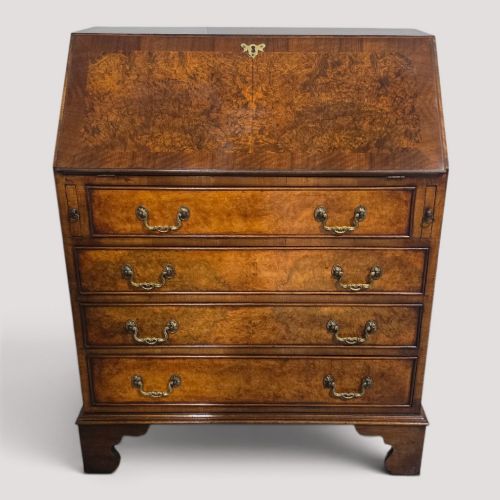
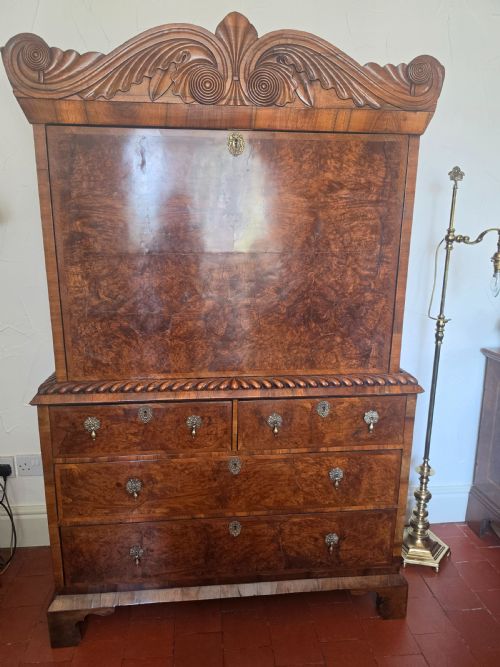
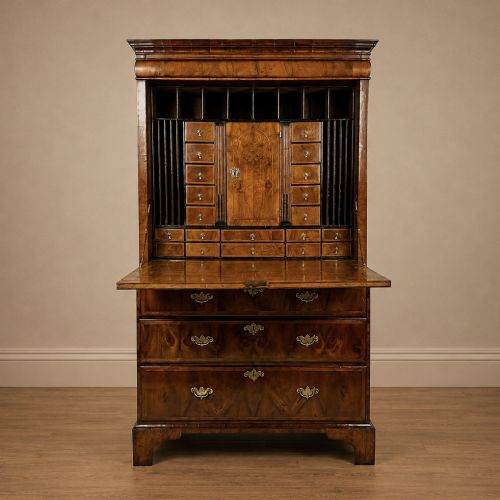
When you search for a brown walnut chest desk, you encounter writing furniture spanning the seventeenth century through to the twentieth century. These pieces appear most frequently as bureaus, escritoires, and bureau bookcases, featuring fall-front writing surfaces or sloping lids that conceal interior compartments.
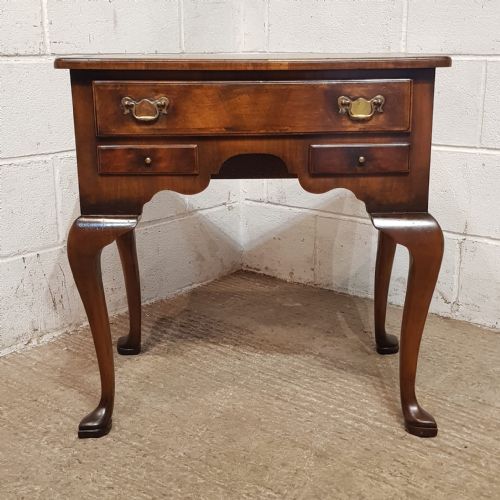
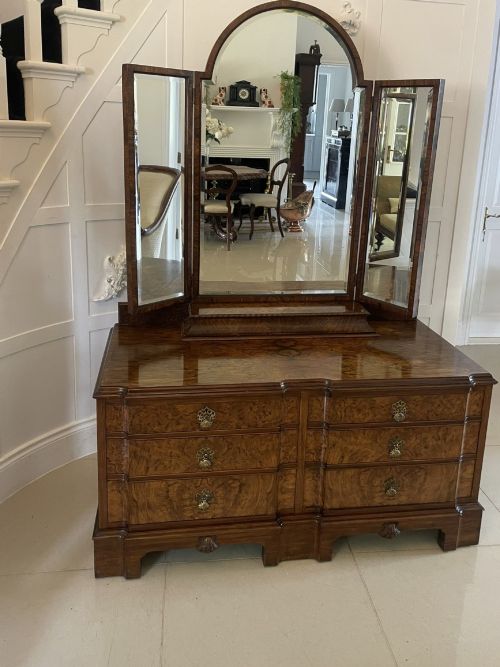
The selection includes English, Dutch, and Continental examples from periods such as the Georgian, Queen Anne, and William and Mary eras. Alongside traditional bureaus, listings incorporate related forms like lowboys, dressing tables, and secretaire chests on chests, each utilising walnut timbers.
Materials and Technique
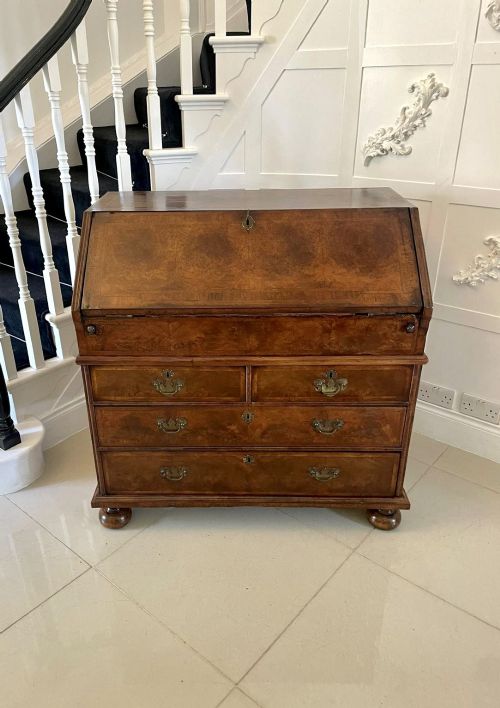
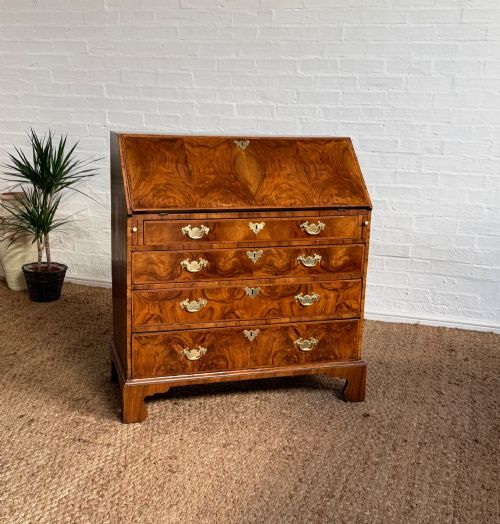
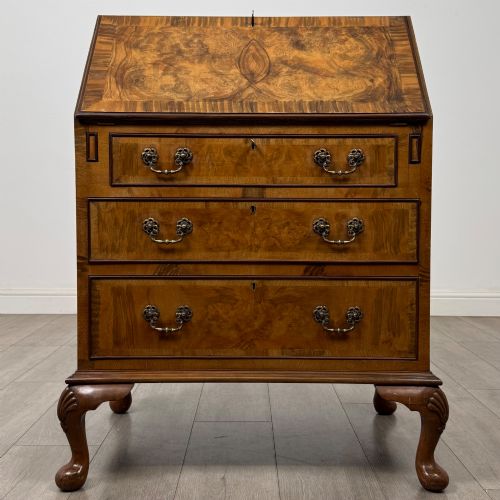
Cabinet-makers constructed these desks using solid walnut and figured veneers, often incorporating burr walnut to create patterned surfaces on drawer fronts and fall-front lids. Secondary timbers such as oak support the internal carcase construction.
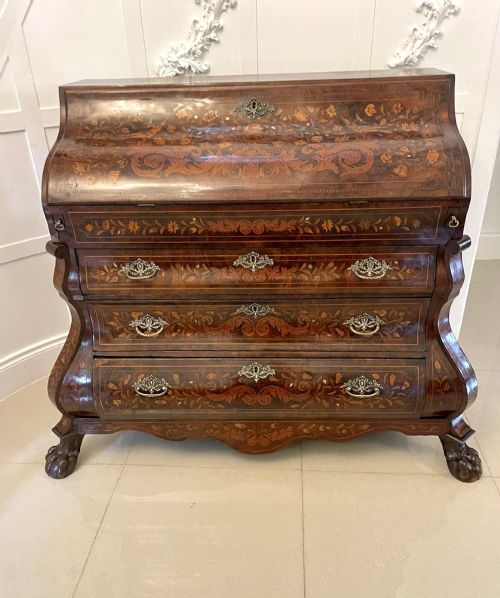
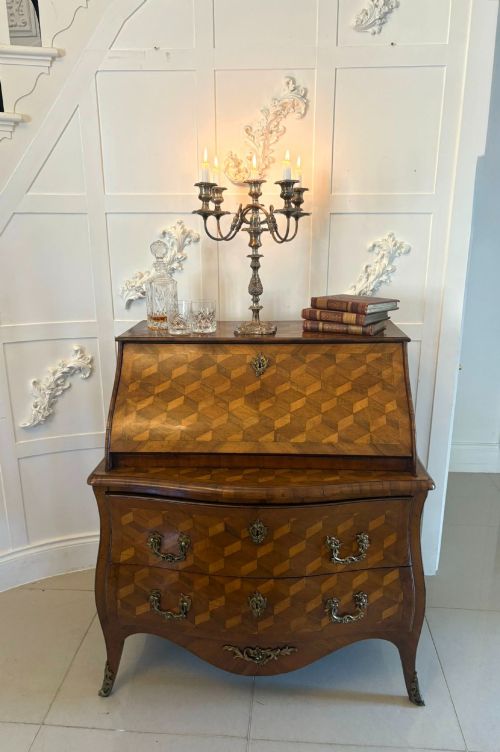
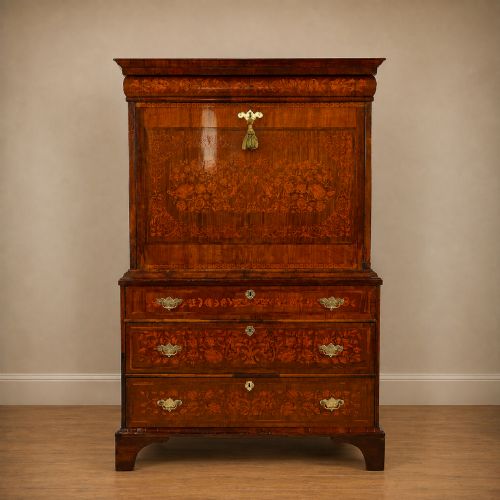
Decorative techniques recorded in the evidence include floral marquetry, parquetry, and herringbone inlay, frequently complemented by brass hardware, ironwork, and leather writing surfaces inserted into the fold-down desks.
Several gentleman's cabinets include specialised compartments designed explicitly for locking away tobacco and cigars alongside correspondence.
Character and Construction
The standard of a brown walnut chest desk rests upon the selection of timber veneers and the intricacy of decorative inlays such as marquetry and parquetry. Pieces displaying well-figured burr walnut and balanced grain patterns across multiple drawer fronts demonstrate superior cabinet-making ambition.
Structural complexity also defines the tier of a piece, separating straightforward fall-front writing cabinets from elaborate bureau bookcases with fitted internal compartments, bombe shaping, and period metalwork.
Gregory & Co. of London
The Brown Walnut Chest Desk Glossary
- Bureau
- A writing desk featuring a sloping hinged lid that opens to reveal small drawers and pigeonholes. This form provides both surface space for correspondence and enclosed storage.
- Escritoire
- A tall writing cabinet, also known as a secretaire, typically featuring a drop-front writing flap supported by pull-out arms. It conceals a structured interior of compartments.
- Bombe
- A swelling, outwardly curved contour found on the front and sides of certain continental case furniture. This profile requires advanced veneering and woodworking skill.
- Lowboy
- A small side table with drawers, often standing on four legs and sharing stylistic traits with contemporary desk designs. These tables served various dressing and writing purposes.
- Herringbone
- A distinctive V-shaped inlay pattern used to border drawer fronts and panels on walnut furniture. It contrasts grain directions to frame the central burr timber.
Brown Walnut Chest Desk: Frequently Asked Questions
What is a brown walnut chest desk?
A brown walnut chest desk is a piece of antique furniture designed for writing and storage, encompassing forms such as bureaus, escritoires, and secretaire chests.
These pieces utilise walnut timbers, including burr walnut and figured veneers, and date from the seventeenth century onward.
How do I use a bureau desk?
The sloping lid or fall-front drops down to create a writing surface, while internal compartments organise stationery and letters.
Beneath the writing area, drawers provide storage for household papers and personal items.
Where were bombe desks made?
Bombe shaped bureau bookcases and desks are frequently associated with Dutch and Continental cabinet-making of the eighteenth century.
These pieces often feature elaborate floral marquetry and curved structural profiles.