



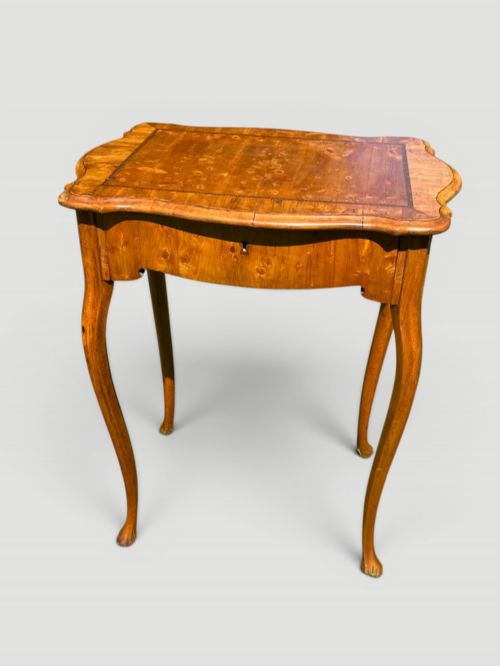


Brown Veneer Side Table
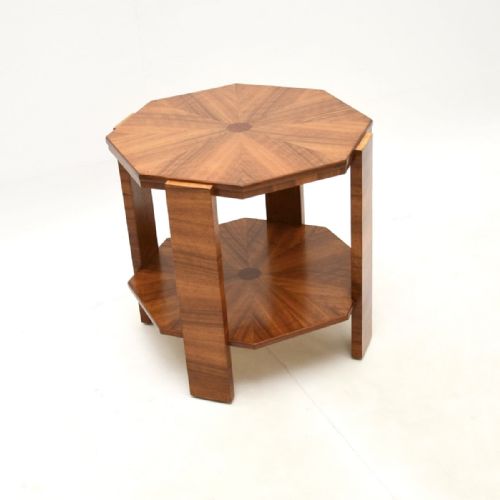
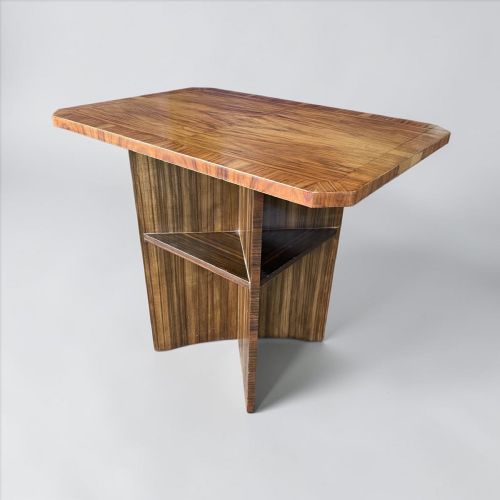
These brown veneer side table pieces range from 17th-century oyster veneers to 1930s Art Deco designs, offering timber figures that anchor a room.
Brown Veneer Side Table
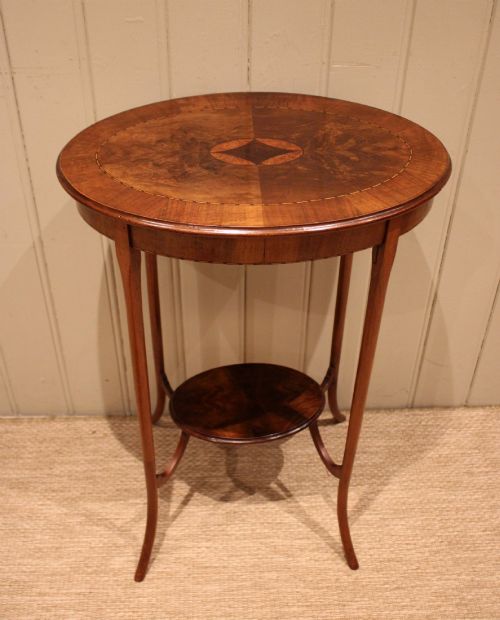
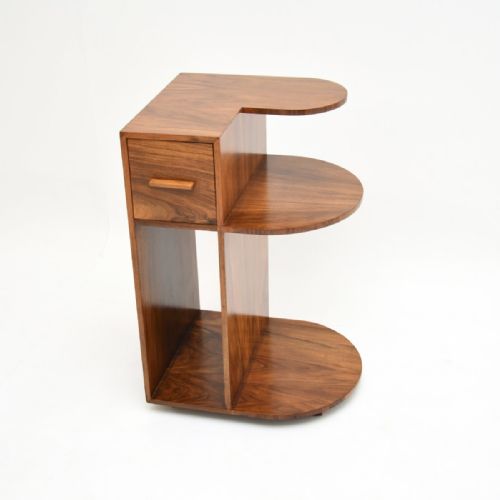
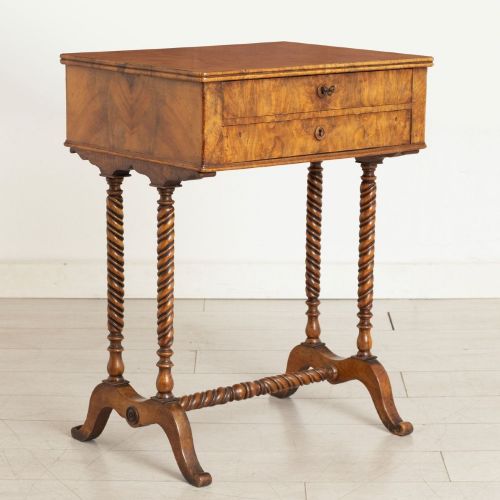
A brown veneer side table brings together centuries of cabinet-making, spanning from the ornate walnut and olive wood of earlier periods down to the clean-lined geometric forms of the 1930s. When sorting through this search phrase, the pieces you meet most often belong to the Art Deco era, alongside Georgian, Regency, and Victorian iterations.
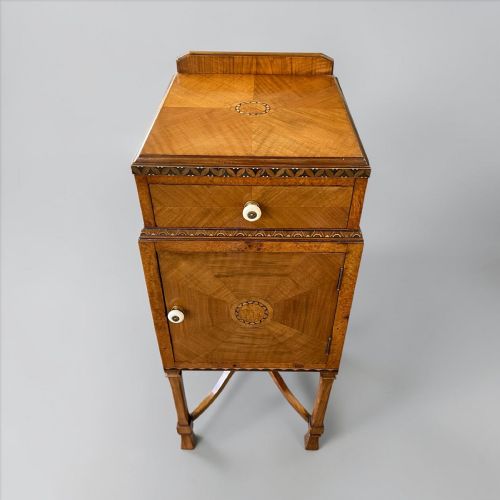
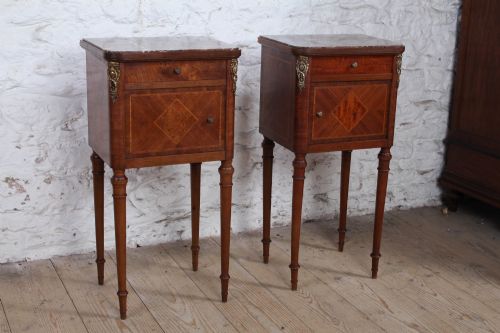
Makers utilised various functional formats across these periods, creating coffee tables, bedside cabinets, nests of tables, and console tables. These surfaces served specific domestic needs in sitting rooms and bedrooms, utilising diverse footprints from octagonal and kidney shapes to rectangular and oval tops.
The materials dictate the visual weight of each piece, moving between rich dark mahogany and highly figured burr walnut, ash, and kingwood. Buyers gravitate toward these items for the decorative patterns created by the grain, which remain central to their enduring appeal.
How they were made
Cabinet-makers applied thin slices of decorative timber over sturdier secondary woods, using walnut, mahogany, olive wood, and satinwood to create striking surface patterns. Oyster veneering involved cross-cutting small branches to lay circular medallions down in intricate geometric mosaics, while quarter-matching lined up grain directions symmetrically.
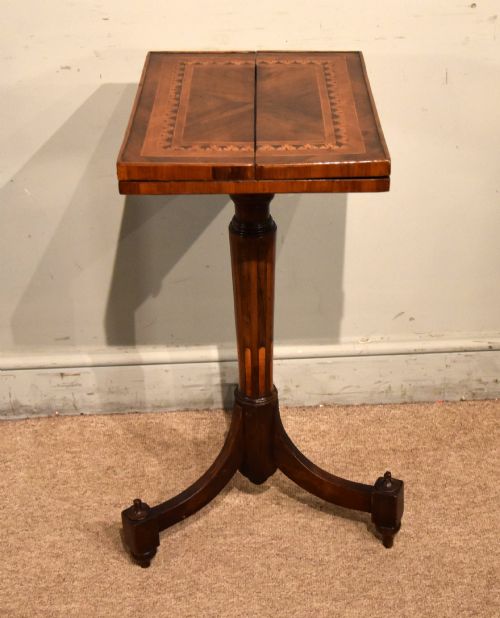
Inlaid banding, featherbanding, and marquetry added further contrast, incorporating holly or fruitwood details into the primary surface. Ormolu mounts, brass fittings, and marble tops occasionally completed the construction, balancing structural support with decorative refinement.
Brown Veneer Side Table Retail Price Guide 2026
Typical asking prices for brown veneer side table among the pieces listed under this phrase on Sellingantiques today, from the lower quarter to the upper quarter. They describe what is for sale here now, not the wider market.
Some tables feature secret sliding leaves or patience surfaces designed for solitary card games.
What varies in quality
The distinction between ordinary and superior pieces rests on the complexity and preservation of the wood figuring, whether burr, oyster, or quartered walnut. Master craftsmen selected veneers for symmetry and depth, ensuring the grain flows logically across the surface rather than appearing disjointed.
Construction integrity separates top-tier examples from lesser ones, visible in the tightness of the veneer joints and the retention of original brass or ormolu mounts. The harmony between the primary veneer and secondary banding reveals the original maker's skill and ambition.
Maurice Adams
The Brown Veneer Side Table Glossary
- Veneer
- A thin layer of finely figured wood applied to a secondary backing timber. This technique allowed makers to display expensive grains economically while maintaining structural stability.
- Burr walnut
- A knotty growth on a walnut tree yielding a swirling, highly decorative grain pattern. Cabinet-makers prized this timber for creating dramatic table tops.
- Oyster veneer
- Circular slices cut transversely from small branches and arranged closely together. Seventeenth-century pieces often utilised this method to resemble oyster shells.
- Marquetry
- The art of forming decorative patterns by fitting together small pieces of coloured wood veneer. This technique frequently embellished French and Georgian tables.
- Ormolu
- Gilt bronze mounts applied to furniture edges and legs. Makers used these decorative metal elements extensively on Regency and revival pieces.
Brown Veneer Side Table: Frequently Asked Questions
How do I date a veneer side table?
Dating relies on combining the timber choice, construction methods, and stylistic cues present in the piece. Earlier centuries often used solid carcases with distinct hand-cut joinery beneath the veneer.
Later Art Deco examples from the 1930s embrace streamlined geometric silhouettes and highly figured burr walnut surfaces without historical revival motifs.
Where should I place an occasional table?
These compact surfaces fit easily beside armchairs, sofas, or beds, providing a practical platform for lamps and books. Their varied footprints allow them to tuck into corners or sit centrally.
Matching the wood tone to existing furniture helps the piece integrate smoothly into a room's overall decorative scheme.
What is oyster veneering?
Oyster veneering involves slicing small branches diagonally to produce small, oval-shaped sections of wood with concentric growth rings. Craftsmen laid these pieces closely together to create dense, patterned surfaces.
This labor-intensive technique appears frequently on 17th-century pieces and later revival tables.
How do I care for antique veneer?
Keeping wooden furniture away from direct sunlight and extreme temperature fluctuations prevents the underlying veneer from lifting or cracking. Regular dusting with a soft, dry cloth maintains the finish safely.
Occasional application of appropriate wax nourishes the timber without building up heavy residues.
What makes burr wood different?
Burr wood comes from tree growths or deformities that produce dense clusters of distorted buds and rings. When sliced into veneers, this wood displays complex, swirling patterns that catch the eye.
Tables featuring burr walnut or burr ash rely on these dramatic natural patterns as their primary decoration.