
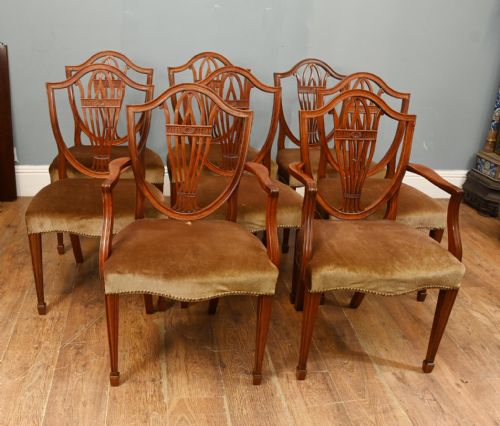


Brown Velvet Dining Chairs
Brown velvet dining chairs bring warmth and tactile depth to a room through dense textile and timber frames.
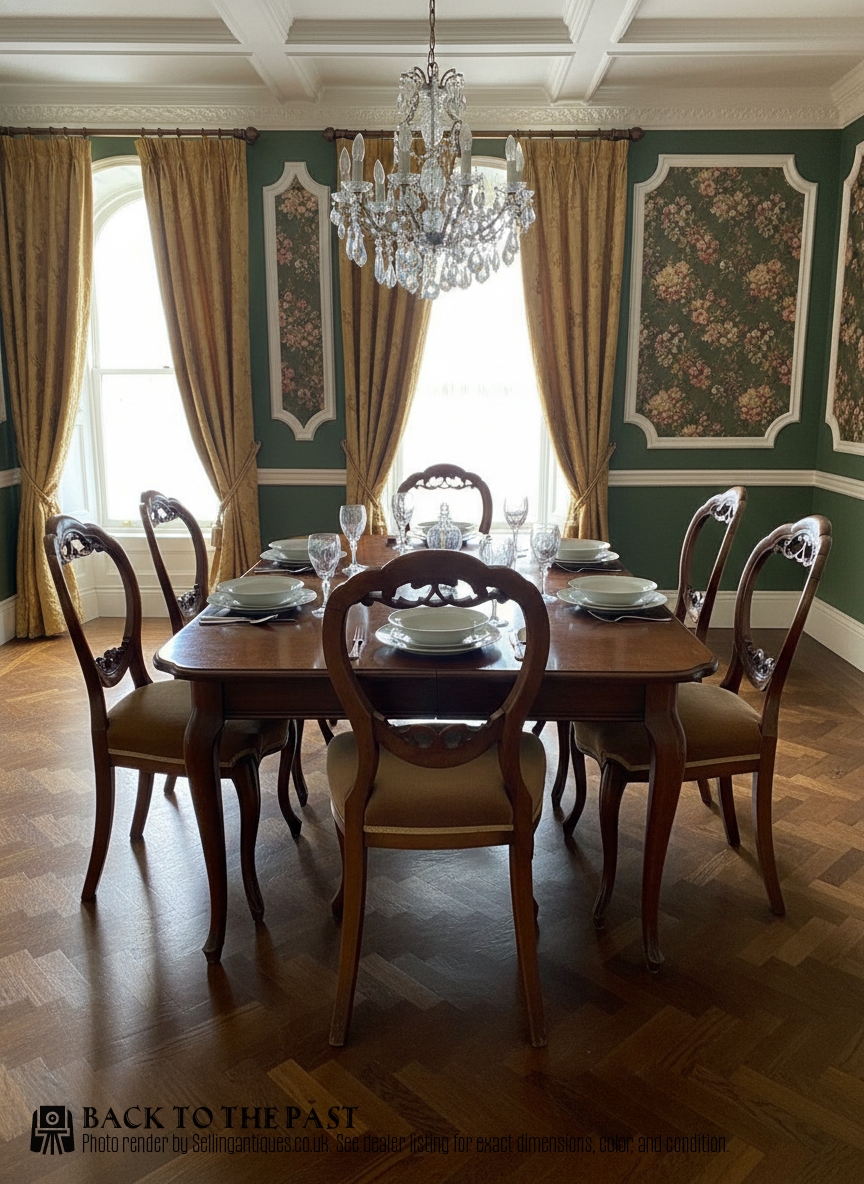
Brown Velvet Dining Chairs
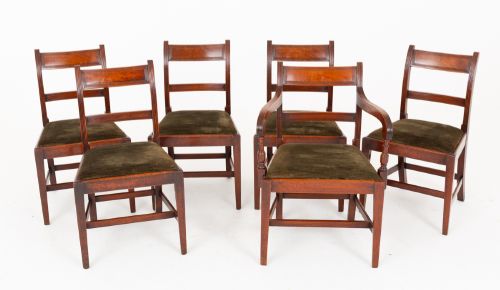
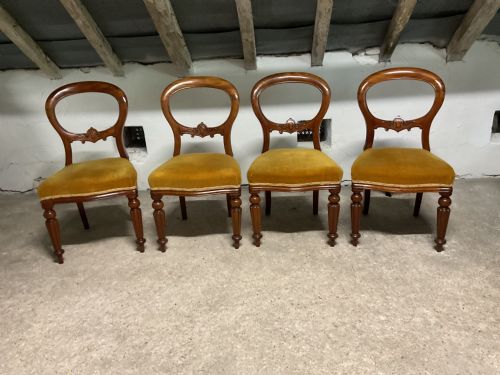
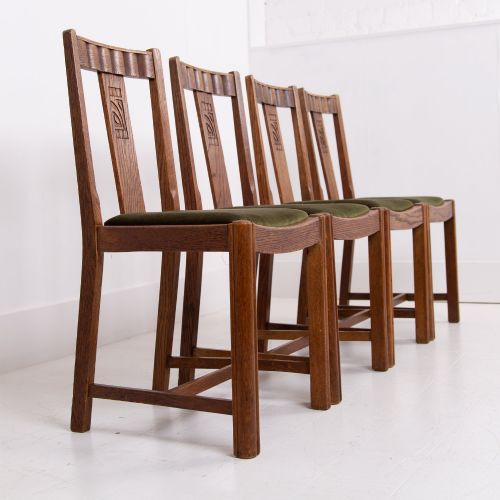
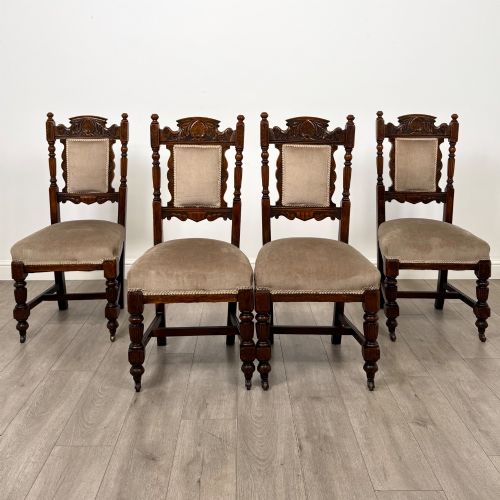
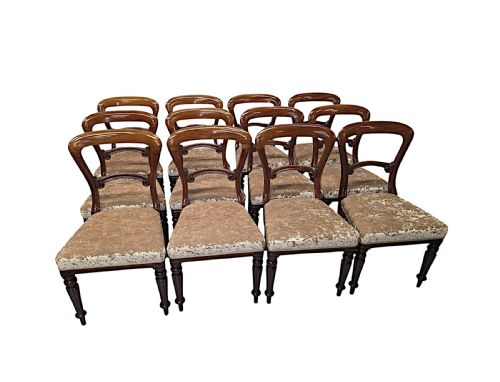
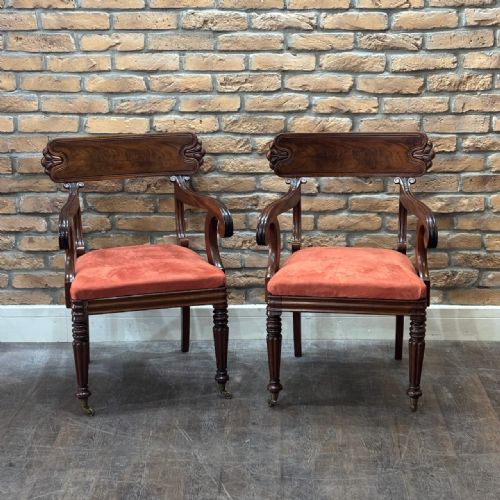
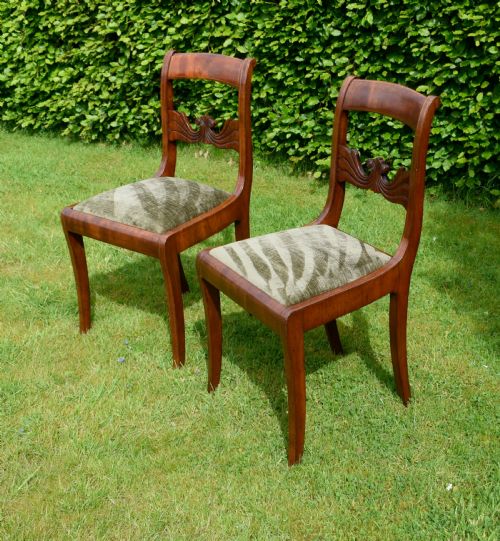
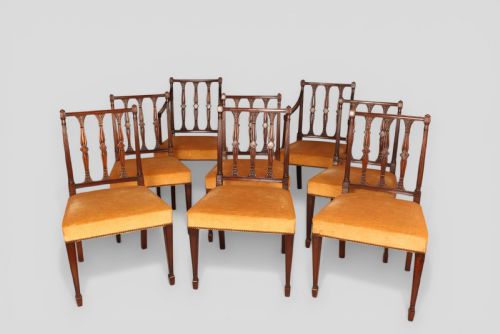
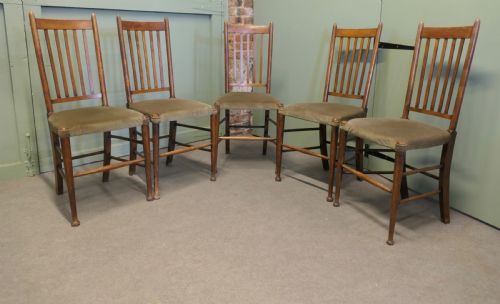
When searching for brown velvet dining chairs, buyers encounter dining seats spanning the eighteenth century through to the early twentieth century. The forms range from single chairs to extensive sets of twelve, incorporating side chairs and carver armchairs.
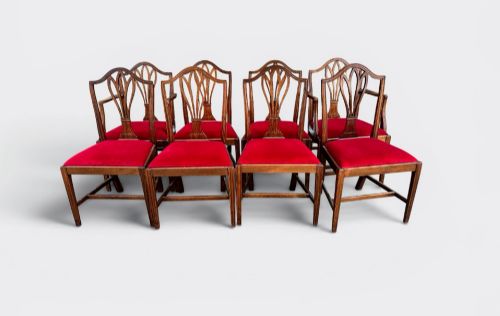
The timber frames underpinning these seats display stylistic influences from Georgian, Regency, Victorian, and Art Deco periods. Mahogany, oak, walnut, and occasional brass details form the structural framework beneath the textile upholstery.
How they were made
Cabinetmakers constructed the frames predominantly from solid hardwoods such as mahogany, oak, and walnut, often employing carved or inlaid ornamentation. Joints relied on traditional joinery techniques to ensure stability across daily use in dining rooms.
Textile upholstery, including velvet and fabric, was secured over padded seats and backs. Metal tacks or brass elements frequently finished the edges where the textile met the timber structure.
Brown Velvet Dining Chairs Retail Price Guide 2026
Typical asking prices for brown velvet dining chairs among the pieces listed under this phrase on Sellingantiques today, from the lower quarter to the upper quarter. They describe what is for sale here now, not the wider market.
Listings incorporate mahogany, oak, walnut, and brass alongside textile upholstery spanning Georgian, Regency, and Victorian periods.
What varies in quality
The distinction between tiers rests upon the crispness of timber carving, the selection of figured wood veneers, and the integrity of the structural joinery. Pieces originating from recognised workshops or bearing maker stamps demonstrate superior cabinetmaking standards.
The cohesion of a matching set influences desirability, particularly when sets comprise numerous single chairs and carver arms. The preservation of the original timber patina and the standard of execution in period upholstery techniques further differentiate examples.
Gillows·Strahan
The Brown Velvet Dining Chairs Glossary
- Carver
- An armchair designed to sit at the head of a dining table, featuring supportive armrests matching the side chairs in a set.
- Balloon back
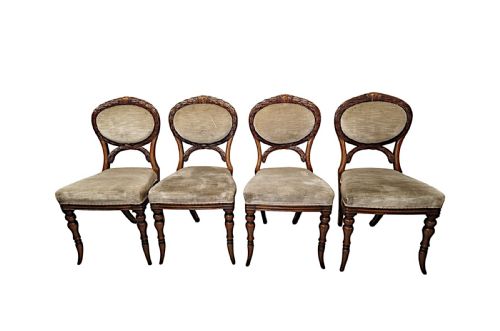
- A rounded, scroll-shaped chair back popular during the Victorian era, offering ergonomic support through curved timber.
- Bar back
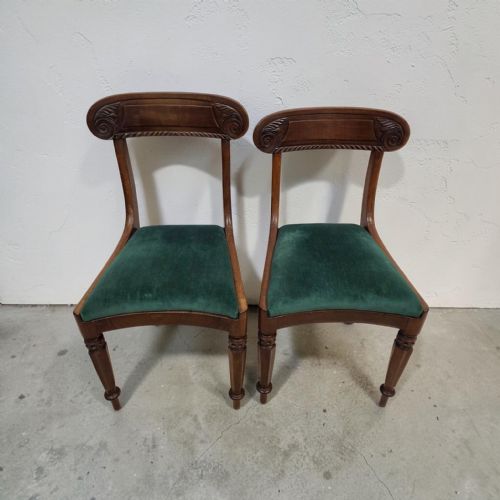
- A horizontal crossbar design integrated into the upper section of a dining chair, frequently seen in Regency pieces.
- Reeded legs
- Cylindrical or tapering furniture legs carved with parallel vertical grooves, adding neoclassical detail to the timber.
- Ribbon back
- An ornate chair splat carved to resemble intertwined ribbons, characteristic of mid-eighteenth-century Chippendale design.
Brown Velvet Dining Chairs: Frequently Asked Questions
How do I care for velvet upholstery?
Velvet requires gentle brushing with the grain to maintain the pile and prevent flattening over time. Professional cleaning is recommended for deep maintenance to protect the textile fibres.
Keep these chairs away from direct sunlight to prevent the rich brown tones from fading. Regular light dusting helps prevent settled particles from dulling the surface texture.
Are these chairs comfortable for long dinners?
Period dining chairs prioritise upright posture, reflecting the dining customs of their respective centuries. Upholstered seats provide moderate cushioning for standard seating periods.
Adding matching cushions can alter the seat height and softness if needed for extended sitting. The presence of carver armchairs offers additional upper body support at the table ends.
How can I date a wooden dining chair?
Dating relies on identifying stylistic markers such as reeded legs, balloon backs, or carved splats that align with specific design periods. Timber choices, construction methods, and tool marks visible beneath the seat also indicate the era of manufacture.
Comparing the joinery against known examples from the eighteenth and nineteenth centuries provides a reliable chronological anchor. Maker stamps or labels, when present, offer definitive production dates.
Can I mix these chairs with a modern table?
Historic timber chairs pair effectively with contemporary tables to create a curated, eclectic interior aesthetic. The contrast between older wood grains and modern surfaces highlights the craftsmanship of the seating.
Ensuring the seat height matches the table apron clearance is essential for practical comfort. Maintaining a consistent wood tone or a unified silhouette helps tie disparate periods together.