
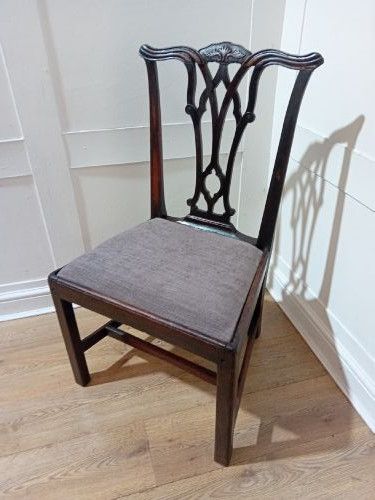


Antique Wooden Dining Seats
These antique wooden dining seats bring centuries of craftsmanship and character to the table, offering lasting utility for daily meals.
Antique Wooden Dining Seats
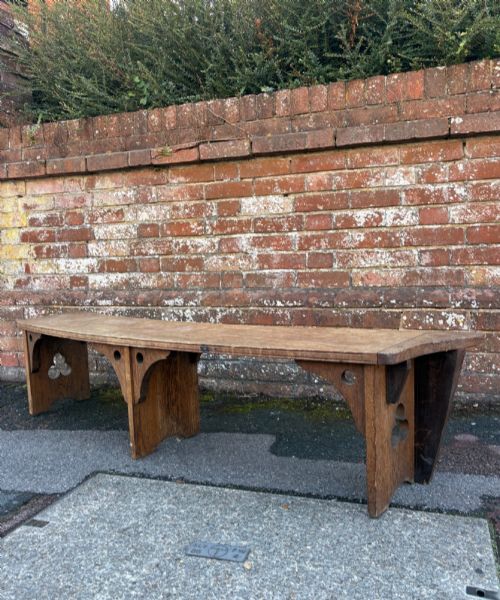
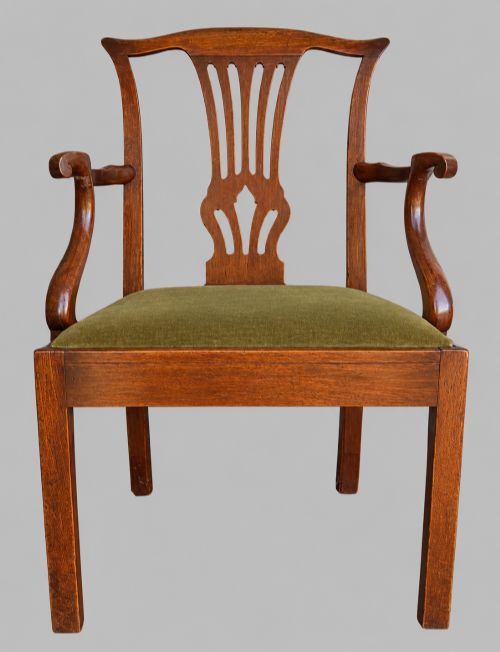
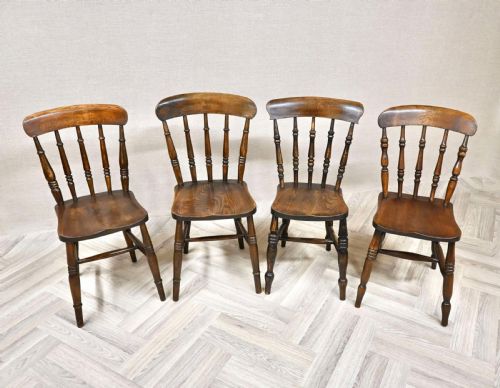
When you search for antique wooden dining seats, you encounter a wide variety of forms designed to accommodate gatherings around the dining table. The selection includes individual dining chairs, carver armchairs, side chairs, benches, and even dining stools originating from different periods.
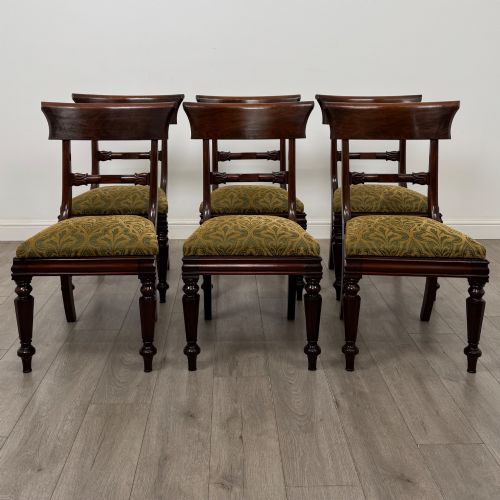
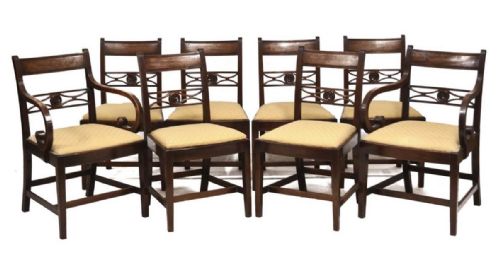
Mahogany examples from the Georgian and Victorian eras appear frequently, alongside rustic country alternatives in elm, ash, and beech. Sets ranging from pairs up to twelve pieces reflect how dining arrangements evolved from intimate family meals to larger formal gatherings.
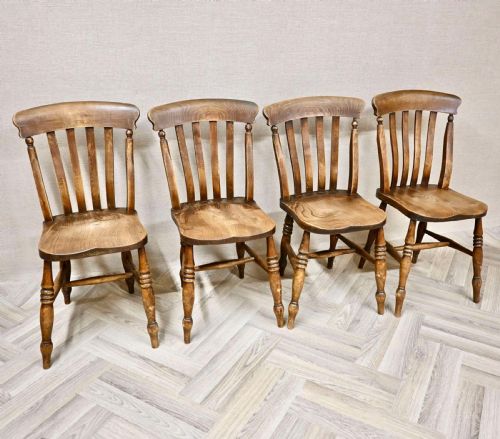
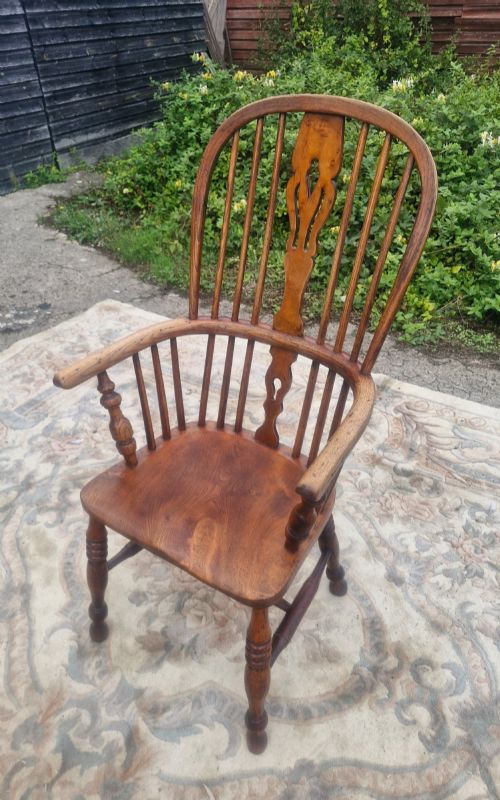
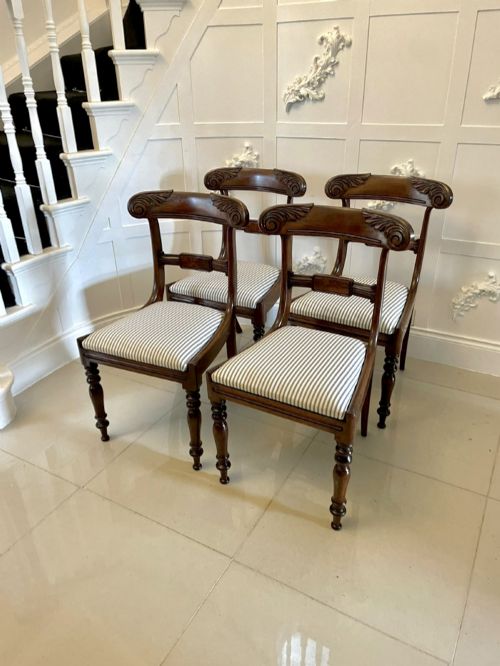
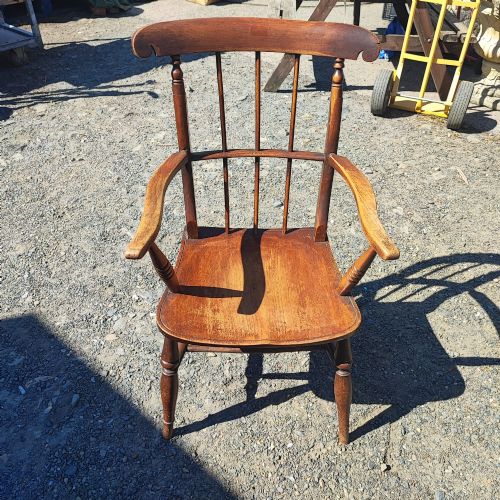
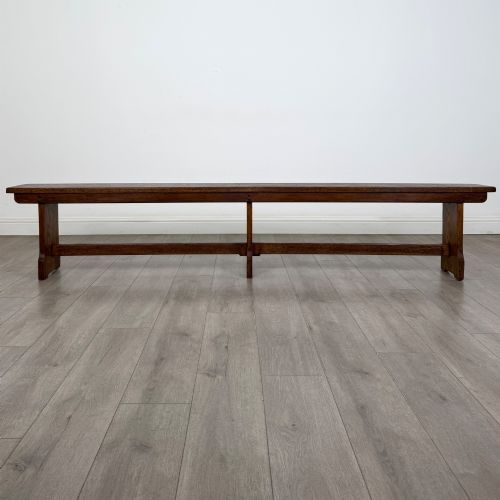
Sturdy country Windsor chairs and formal Regency or William IV designs dominate the selection. Buyers find both refined townhouse seating and robust farmhouse benches suited to modern and traditional interiors alike.
Materials and construction methods
Cabinetmakers utilised dense hardwoods such as mahogany for formal dining seats, applying carved details and brass inlay to enhance the appearance. Turned legs, shield backs, and bar backs required precise joinery and considerable skill.
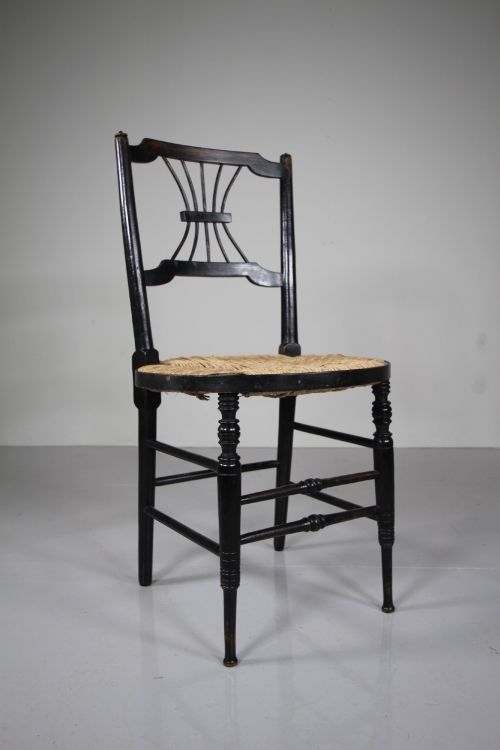
Country pieces relied on native timbers like elm, ash, and beech, often shaped into spindle backs or lathe backs for domestic resilience. Seats were frequently carved from a single solid piece of wood or fitted with rush and upholstered pads.
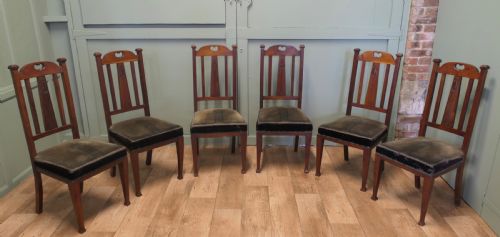
Listings feature mahogany, oak, elm, ash, and beech across Georgian, Victorian, and Edwardian periods.
Assessing quality and authenticity
Quality rests in the integrity of the timber selection and the tightness of the original joints. Superior sets maintain matching grain patterns and uniform turning across every chair in the group.
The crispness of hand-carved details and the proportion of the frame separate standard utility pieces from master-workshop productions. Original surfaces and minimal timber replacement preserve the historical value of each seat.
Maple and Co·William Morris
The Antique Wooden Dining Seats Glossary
- Carver
- An armchair designed with armrests, traditionally placed at the head of a dining table for the host. These often match a larger set of single dining chairs.
- Windsor
- A traditional chair construction method where legs and spindle backs are wedged directly into a solid wooden seat. Elm and ash are typical timbers for this vernacular style.
- Bar back
- A horizontal wooden splat across the upper backrest resembling a bar, common on nineteenth-century seating. This design provides robust lower back support.
- Refectory
- A long, narrow dining table paired with benches or multiple matching chairs. Edwardian and earlier examples utilise heavy oak and trestle ends.
- Shield back
- A dining chair backrest shaped like an inverted shield, popular during the Georgian period. Cabinetmakers often carved delicate wheat ears or drapery motifs within the frame.
Antique Wooden Dining Seats: Frequently Asked Questions
How do I clean antique wooden dining seats?
Wipe surfaces gently with a soft, dry cloth to remove dust without harming the polish. Avoid modern chemical sprays that can strip old wax and dry out the timber over time.
Apply a traditional beeswax polish occasionally to nourish the wood and maintain a natural sheen. Keep seats away from direct heat sources to prevent the timber from warping or splitting.
Are antique dining chairs strong enough for daily use?
Most antique wooden dining seats were built to withstand heavy daily wear using durable hardwoods. Solid construction methods ensure they remain reliable for everyday meals.
Check that the joints remain firm and stable before regular use. Professional re-gluing of loose rungs or legs easily restores full structural strength.
How can I tell a Georgian chair from a Victorian one?
Georgian dining seats generally display lighter proportions, refined carved details, and straight or cabriole legs. Mahogany was the preferred timber for formal dining rooms during this era.
Victorian chairs often feature heavier frames, bolder carved motifs, and darker finishes. Elm and walnut also appear more frequently in regional nineteenth-century seating.
Can I mix different styles of antique dining seats?
Mixing country farmhouse benches with formal single chairs creates a layered, collected interior. Many historical homes accumulated seating over generations rather than using strict matching sets.
Keep timber tones or periods broadly similar to maintain visual harmony around the table. Pairing simple Windsor chairs with a large refectory table offers practical seating for family dining.