


Brown Timber Wall Art
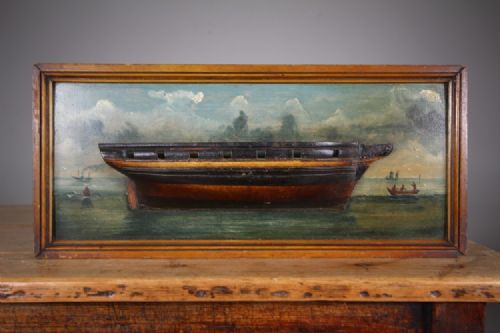
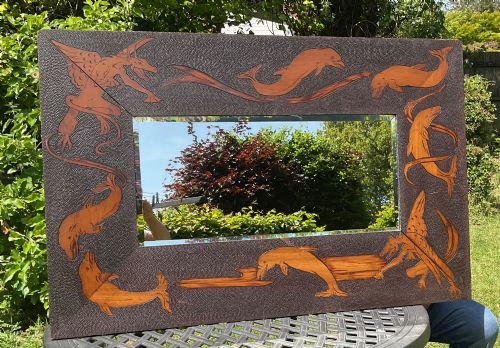
Brown timber wall art brings together centuries of carved panels, framed paintings and wooden plaques designed to hang directly on interior walls.
Brown Timber Wall Art
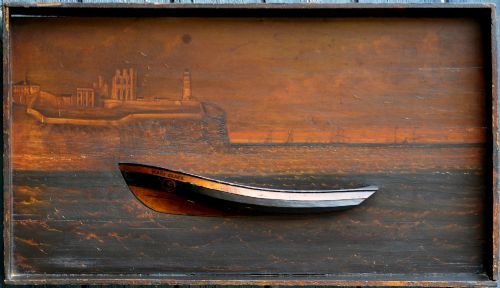
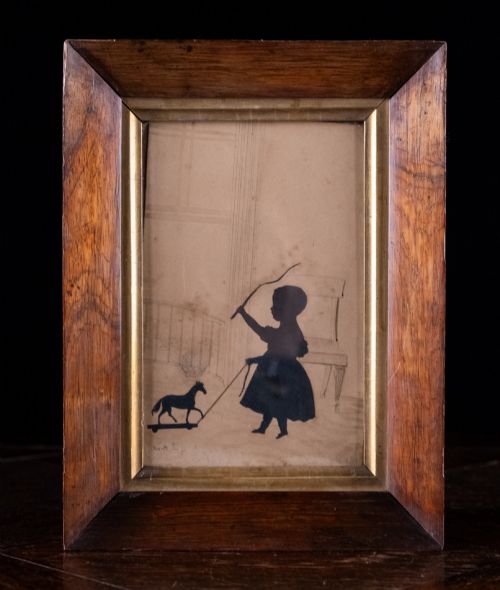
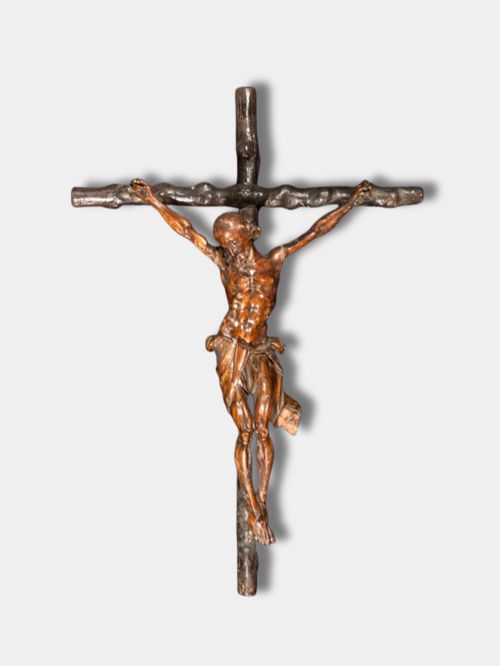
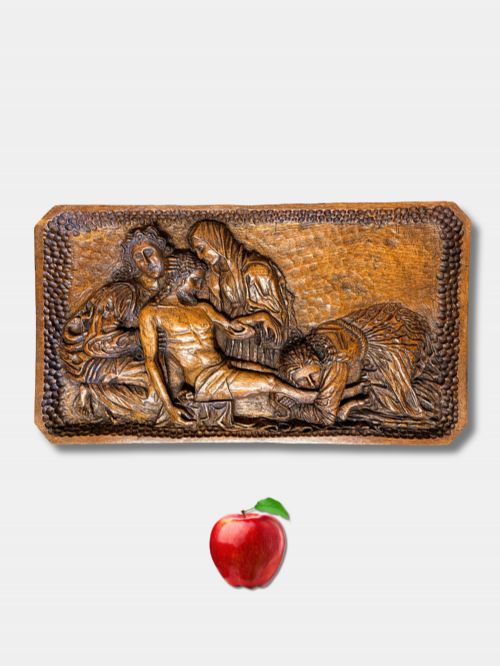
Brown timber wall art encompasses a diverse range of hanging objects, spanning from seventeenth-century carved oak panels to twentieth-century mirrors and paintings. When exploring brown timber wall art, buyers encounter everything from detailed architectural fragments and tribal masks to folk art trophies and framed oils.
The selection ranges across multiple centuries, including the seventeenth, nineteenth and early twentieth centuries. Pieces originate from various stylistic traditions such as Baroque, Arts and Crafts, Black Forest, and Art Deco, reflecting broad geographic origins from Britain and continental Europe to India and Africa.
Materials and construction
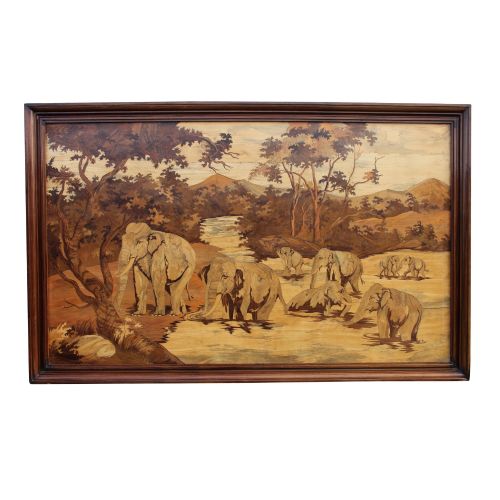
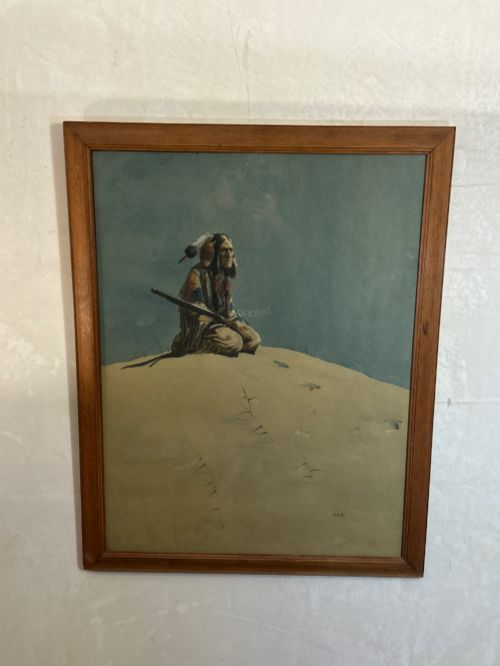
Makers utilised various native and exotic timbers such as oak, walnut, chestnut, and mahogany, often shaping them through deep relief carving or marquetry. Many items combine wood with supporting materials like glass for mirrors, copper accents, canvas for oil paintings, and paper for prints or architectural plans.
Construction techniques vary according to the object type, ranging from joined panels and turned frames to carved sculptural trophies and applied decorative mouldings. The surface treatment relies on natural wood finishes that highlight the grain, alongside occasional painted or gilt details.
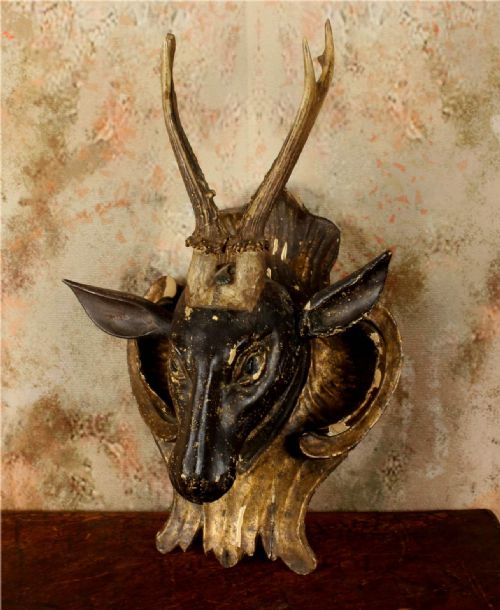
Among the wooden trophies and panels, a carved deer head and a wooden propeller share wall space with centuries of artistic endeavour.
Quality and execution
The quality of these wooden wall pieces rests upon the crispness of the carving and the depth of the relief work. Skilled execution shows in the precision of the joinery and the preservation of original timber surfaces without excessive later intervention.
Proportion and balance also distinguish finer examples, particularly in architectural panels, mirrors and sculptural plaques where symmetrical or figurative elements require accomplished handling by the maker.
John Hassall·Augustin Edouart·Raimond Louis Lecourt·C W Tuck·W.E. Evans·George E Sharpe·James William Booth·Edward Pearce·Ann B Gilies·Christoffel Bisschop·Gabriel Viardot
The Brown Timber Wall Art Glossary
- Marquetry
- The art and craft of applying pieces of veneer to a structure to form decorative patterns. This technique appears on decorative panels.
- Relief
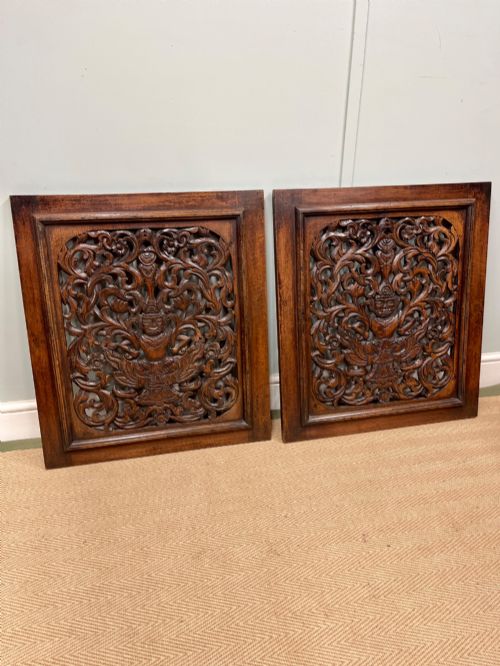
- A sculptural technique where the sculpted elements remain attached to a solid background of the same material. Deep relief carving creates strong shadow lines on wall panels.
- Baroque
- A highly ornate and theatrical style of architecture, art and design prevalent in the seventeenth and eighteenth centuries. Baroque panels often feature dramatic allegorical subjects.
- Black Forest
- A nineteenth-century style of intricate wood carving originating from the German region, typically depicting animals and foliage. These works often take the form of hunting trophies and mirrors.
Brown Timber Wall Art: Frequently Asked Questions
How do I hang heavy wooden wall panels safely?
Heavy wooden wall art requires secure fixings anchored directly into wall studs or masonry using appropriate brackets. Distributing the weight evenly prevents stress on the antique frame or panel.
Professional hanging hardware rated for the specific weight of the timber piece ensures long-term stability and protects the wall surface.
What is the difference between an oak panel and a mirror frame?
Oak panels generally consist of solid carved timber depicting figurative scenes, armorials, or geometric patterns intended purely for visual display. Mirror frames incorporate a reflective glass plate within the wooden structure, combining utility with decorative carving.
Both forms utilise period woodworking techniques but serve different functional roles within an interior scheme.
How do I care for antique timber wall pieces?
Maintain antique wood by keeping pieces away from direct heat sources and dramatic humidity fluctuations that cause timber to warp or split. Dust gently with a dry, soft cloth without applying modern chemical polishes.
Occasional light conditioning using appropriate conservation wax preserves the natural finish and protects the wood grain over time.
Can I date a carved wooden panel by its style?
Stylistic markers such as Baroque scrollwork, Arts and Crafts motifs, or Art Deco geometry provide clear indications of a piece's period of origin. Tool marks and the type of timber used also assist in determining the age of the craftsmanship.
Comparing construction methods with dated examples helps confirm whether a panel belongs to the seventeenth, eighteenth, or nineteenth century.