





Antique Embossed Wall Art
Antique embossed wall art brings tactile warmth to a room through beaten metal, carved gesso and textured leather.
Antique Embossed Wall Art
When you search for antique embossed wall art, you encounter a tactile group of decorative objects designed to hang upon a wall. These pieces utilise raised surface decoration to catch the light and create depth across varied forms.
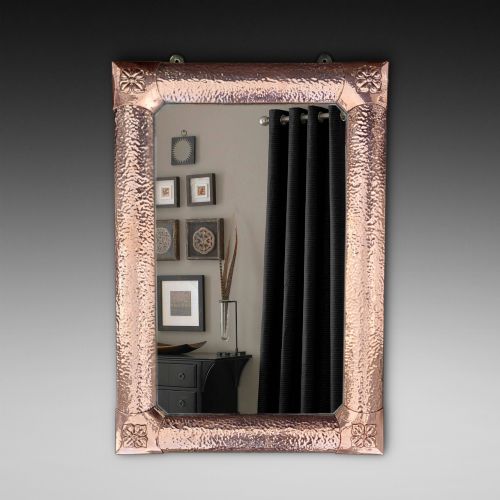
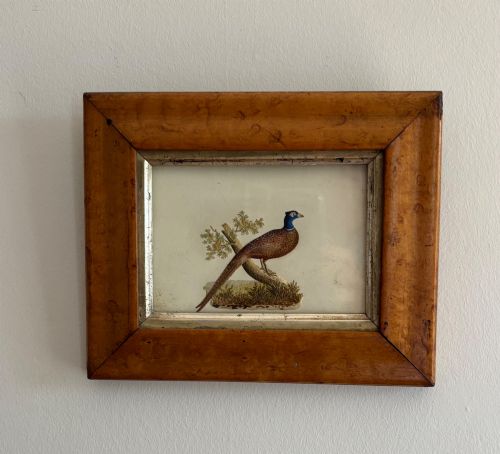
The selections available here lean heavily toward the Arts and Crafts movement, featuring beaten copper and brass mirrors alongside framed panels. You also find religious iconography, glass mirrors and leather pieces stretching from the Georgian period into the twentieth century.
Materials and methods
Makers shaped sheet metals such as copper and brass by hammering them from the reverse side to create raised reliefs, a technique prominent in Arts and Crafts metalwork. Workers mounted these panels into wooden frames or integrated them directly into wall mirrors and chargers.
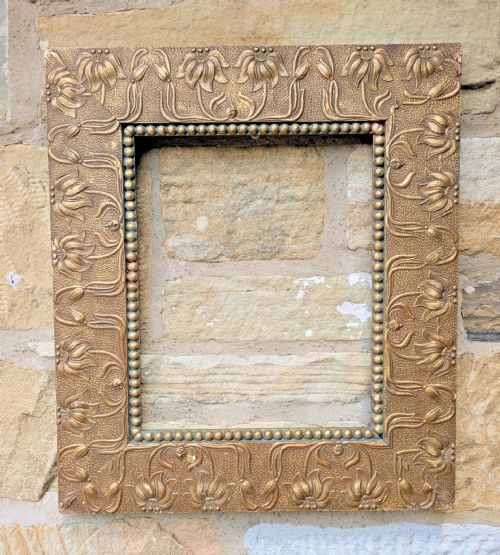
Other examples employ moulded gesso finished with gilding, pressed leather, or reverse-painted and embossed glass. These varied substances required distinct handling, from the delicate tooling of leather to the careful moulding of devotional icons.
This selection spans the Georgian period through the 1930s, uniting metalwork, glass, leather and wood.
Assessing quality
Quality rests in the crispness of the relief work and the confidence of the hand-beaten detail. Stronger examples display deliberate, rhythmic hammer marks rather than mechanical uniformity, showing the direct touch of the maker.
The integrity of the framing and the preservation of the original surface finish further distinguish better pieces. Patina on copper and brass should look honest and deep, whilst gesso frames need to retain their original mouldings without heavy restoration.
Liberty & Company·Samuel Dixon
The Antique Embossed Wall Art Glossary
- Embossing
- The process of raising a design above the surrounding surface using hammers, punches or moulds. This technique creates a three-dimensional effect across metal, leather or paper.
- Basso-rilievo
- A low relief sculpture technique where the figures project only slightly from the background plane. It is seen in Georgian pictures and plaques.
- Ex Voto
- A religious offering placed in a sacred setting as a vow or in gratitude for a prayer answered. These often take the form of embossed metal hearts or sacred symbols.
- Gesso
- A plaster mixture applied to wood frames or panels as a base for moulding and gilding. Skilled artisans carved or pressed intricate patterns into this surface.
- Wall Charger
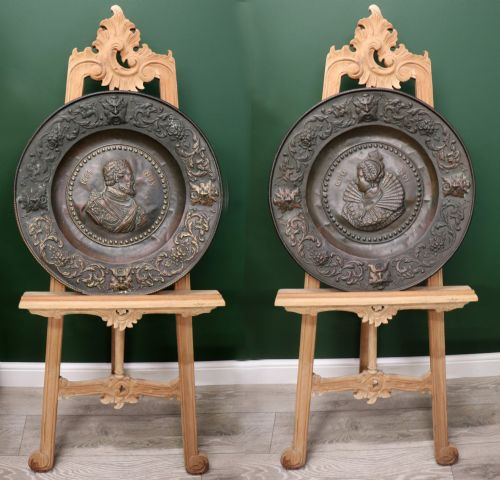
- A large decorative plate or dish intended for display upon a wall rather than for dining. They frequently feature detailed historical or animal motifs in beaten brass or copper.
Antique Embossed Wall Art: Frequently Asked Questions
How should I clean antique beaten copper?
Dust the surface gently with a soft, dry cloth to remove everyday particles. Avoid chemical polishes that strip away the aged patina built up over generations.
Allow the natural darkness and warmth of the metal to remain intact. Excessive cleaning destroys the historic character collectors look for in these pieces.
What is the difference between Arts and Crafts and Art Deco pieces?
Arts and Crafts pieces emphasise handcrafted textures, visible hammer marks and nature-inspired motifs such as trees, peacocks and stylised foliage. They date predominantly around nineteen hundred.
Art Deco items embrace geometric lines, stylised symmetry and smoother industrial surfaces. They appear in later twentieth-century pieces made from nineteen twenty onward.
Are religious icons and ex votos fragile?
Religious metalwork and devotional panels require gentle handling due to their age and delicate embossed details. Keep them away from high moisture areas to prevent corrosion.
Display them out of direct sunlight to protect any underlying pigments, paper or fabric components from fading over time.