


Antique Paper Relief Art
Antique paper relief art gathers detailed prints and embossed works from the eighteenth century and the Victorian period, offering classical imagery for wall display.
Antique Paper Relief Art
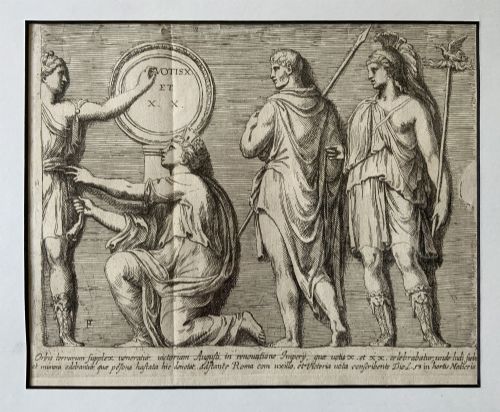
When you search for antique paper relief art, you encounter a selection spanning the eighteenth century and the Victorian era, dominated by large architectural and mythical engravings alongside embossed Victorian prints. These works present classical figures, Greek gods, satyrs, and architectural studies framed behind glass in wood housings.
The eighteenth-century examples lean heavily towards neoclassical subjects recorded in studies of Athens, featuring figures such as Zephyros, Boreas, and Apeliotes. Victorian pieces diverge into embossed prints that introduce physical dimension directly to the paper surface.
How they were made
The physical construction of these works relies on paper sheets treated with ink for the engraved neoclassical plates, whilst Victorian examples utilise embossing techniques to raise sections of the paper design. These sheets are paired with wood frames and protected beneath glass.
Engravers applied fine lines to plates to capture complex architectural details and mythical scenes, ensuring deep impressions into the paper stock. Embossing presses created tactile surface variation without necessarily relying on added ink pigments.
What varies in quality
The distinction between tiers of these works rests on the crispness of the ink impression and the depth of the paper embossing. Sharply defined lines in architectural plates and well-preserved surface relief indicate superior execution.
Condition of the paper sheet and the integrity of the framing materials also differentiate examples, with clean margins and stable wood housings preserving the visual impact of the engraved or embossed imagery.
James Basire·Edward Rooker
The Antique Paper Relief Art Glossary
- Engraving
- An intaglio printing method where lines are cut into a plate to hold ink. This technique achieves fine detail in architectural and mythical subjects.
- Embossing
- A process that raises parts of a paper surface to create tactile dimension. This method defines the Victorian items in this category.
- Neoclassical
- A style drawing inspiration from classical antiquity, prominent in eighteenth-century architectural and mythological plates. It values symmetry and classical motifs.
- Victorian
- A period spanning the nineteenth century characterised by varied decorative arts, including raised paper prints. Pieces from this era often focus on domestic wall display.
Antique Paper Relief Art: Frequently Asked Questions
What subjects appear on these pieces?
The listings show architectural studies and Greek gods such as Zephyros, Boreas, and Apeliotes alongside satyrs and mythical paintings. Victorian examples favour embossed botanical or decorative patterns.
These subjects reflect the neoclassical interests of the eighteenth century and the decorative tastes of the Victorian period, making them suited to traditional wall art collections.
How should I display them?
These works typically arrive in wood frames behind glass, which protects the paper from environmental dust and direct contact. Hang them away from direct sunlight to prevent fading of the ink and paper.
Wall placement benefits from stable indoor humidity levels to safeguard both the paper sheets and the wooden housings over time.
How do eighteenth and Victorian pieces differ?
Eighteenth-century examples focus on detailed ink engravings depicting classical antiquities and architecture. Victorian items often utilise embossing to create raised paper relief without heavy ink work.
Recognising these differences helps collectors separate neoclassical engravings from later Victorian wall art styles.
What materials make up these works?
The core materials recorded are paper and ink, assembled within wood frames under glass protection. Embossed pieces rely on the manipulated paper surface itself for visual texture.
Understanding these primary components aids in proper conservation and handling of fragile historical prints.