
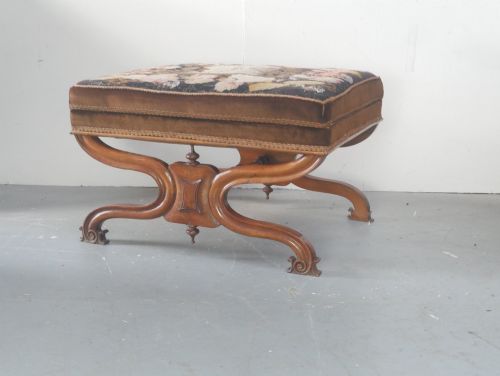
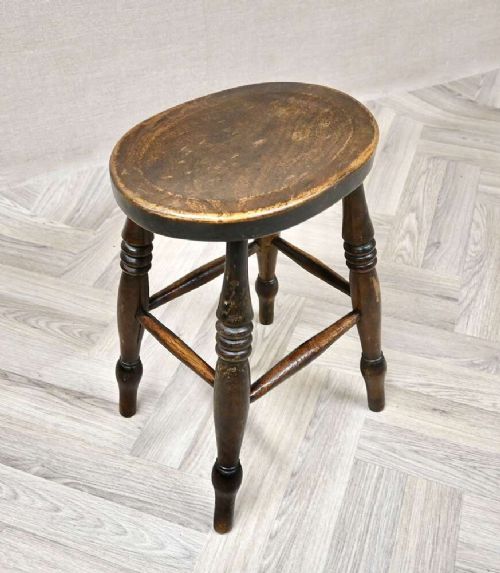
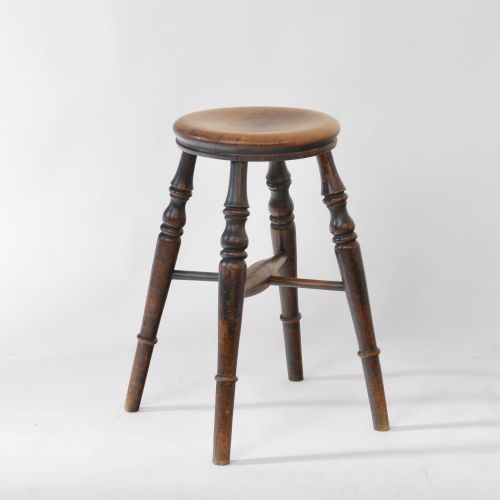
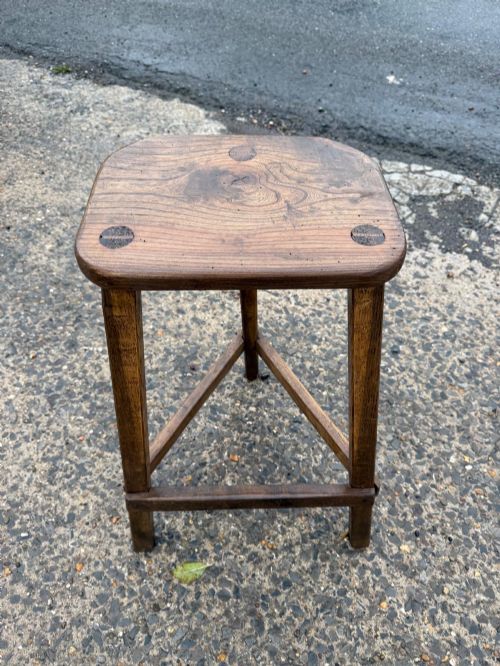
Brown Timber Seat
Brown timber seat search results bring together sturdy benches, settles, stools and chairs built from solid woods across past centuries.
Brown Timber Seat
A brown timber seat encompasses utilitarian forms like milking stools, tavern stools and machinist seats alongside formal hall chairs, dining chairs and settles. These pieces originate from domestic, agrarian and institutional settings spanning the eighteenth, nineteenth and early twentieth centuries.
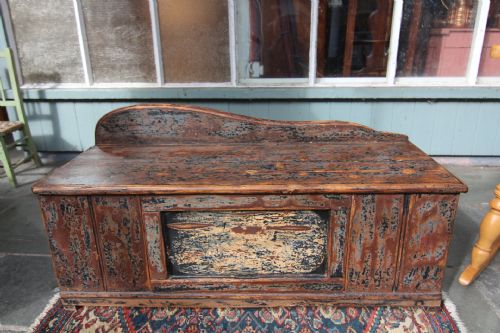
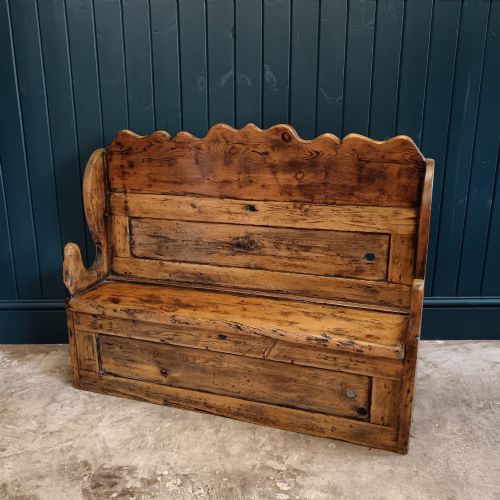
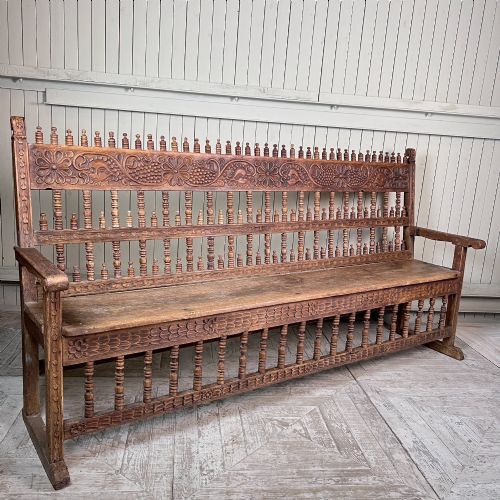
Settles and benches provide long seating surfaces, often incorporating storage boxes beneath the lid or high panelled backs to block draughts. Smaller stools and individual chairs appear frequently, fashioned for specific domestic or workshop tasks.
How they were made
Carpenters and joiners worked with solid timbers including oak, elm, ash, sycamore, mahogany, walnut and pine, selecting strong woods capable of enduring daily weight and friction. Turned legs, mortise and tenon joints, and pegged frames provide structural integrity without relying on metal fasteners.
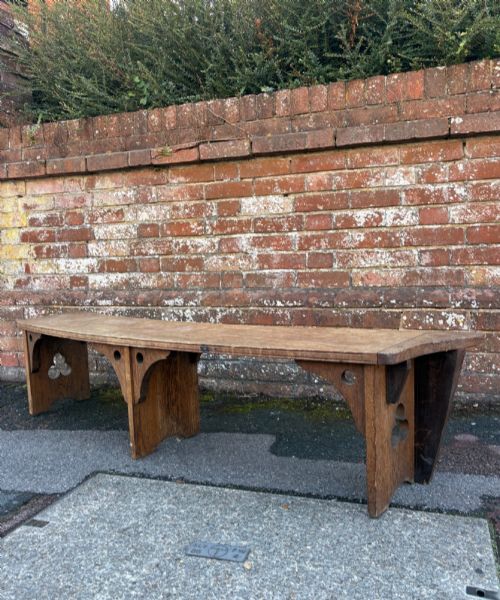
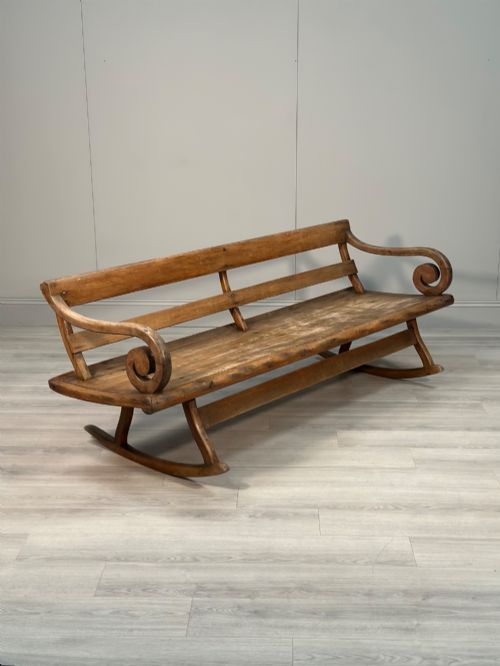
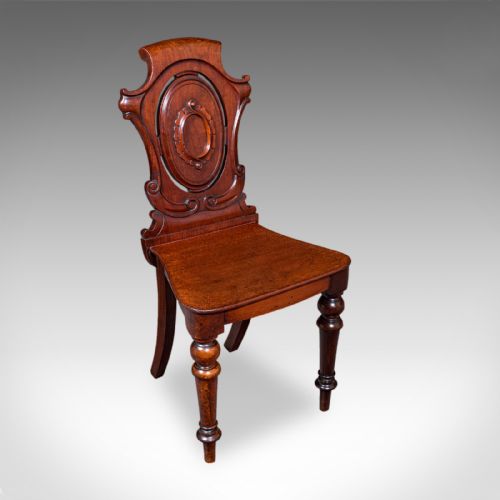
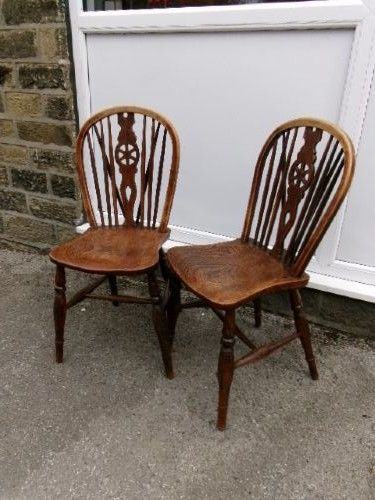
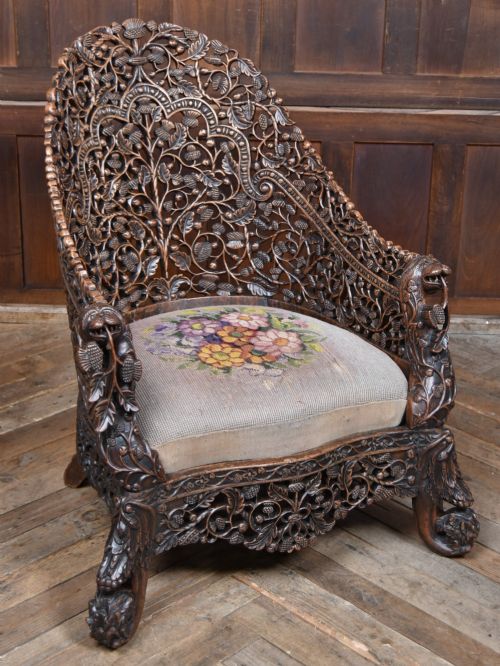
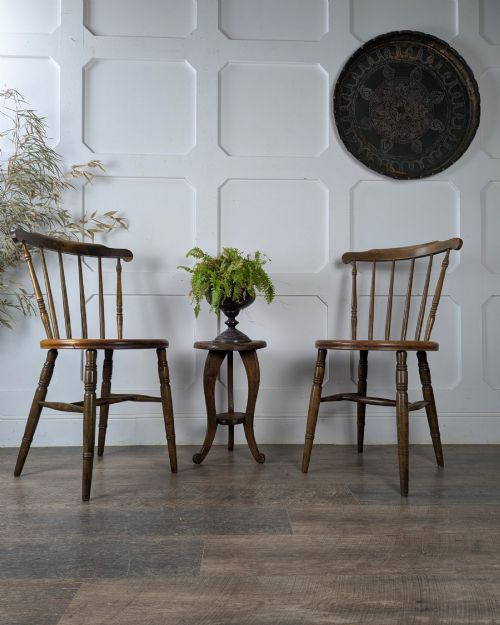
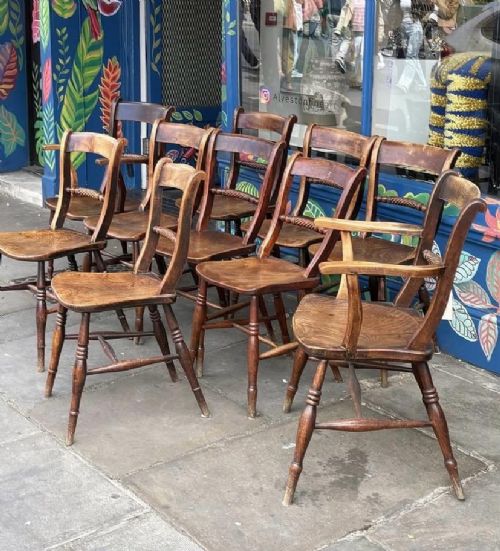
Turned components appear on Windsor chairs and bobbin-framed rocking chairs, whilst carved details adorn Gothic Revival benches, shield-back hall chairs and Spanish colonial hardwood seating. Natural finishes, wax polish and honey brown patina highlight the grain of the underlying wood rather than hiding it beneath heavy paint.
Listings feature oak, mahogany, elm, beech, pine, sycamore and ash across eighteenth, nineteenth and early twentieth-century periods.
What varies in quality
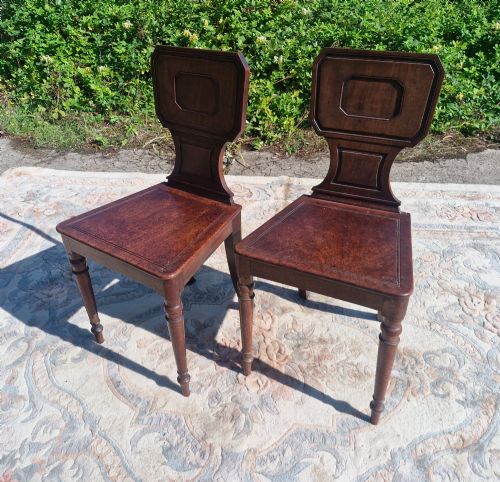
The distinction between standard utility items and superior examples lies in the selection of timber and the ambition of the design. A simple pine or elm milking stool serves a purely functional purpose, whereas a set of mahogany hall chairs or a carved oak Pugin-style bench demonstrates deliberate aesthetic ambition and refined cabinetmaking.
Proportion and execution separate competent regional joinery from master craftsmanship. Subtle details such as carved trefoil supports, shaped slats, balanced Windsor hoops and well-figured walnut or mahogany surfaces elevate individual seating from basic furniture to notable examples of period design.
The Brown Timber Seat Glossary
- Settle
- A wooden bench with a high back, solid arms, and often a box seat for storage. These pieces sheltered occupants from draughts in hallways and kitchens.
- Windsor chair
- A chair built with a solid wooden seat into which the legs and back spindles are bored directly. Regional variations include wheelbacks and comb backs.
- Hall chair
- A rigid, wooden-seated chair placed in a hallway or reception room, frequently featuring a carved or painted family crest on the shield back.
- Gothic Revival
- A nineteenth-century style drawing inspiration from medieval architecture. Pieces feature pointed arches, trefoil carvings and ecclesiastical motifs.
- Box settle
- A compact bench featuring a hinged lid on the seat base. It combines seating with concealed storage for blankets or household goods.
Brown Timber Seat: Frequently Asked Questions
What is a brown timber seat?
A brown timber seat refers to wooden chairs, benches, stools and settles made from materials like oak, mahogany, elm and pine.
These pieces range from utilitarian workshop stools and milking seats to formal mahogany hall chairs and panelled settles from past centuries.
How do I identify a settle?
A settle is a wooden bench characterised by a high back, solid wooden arms and an enclosed lower section that often functions as a storage box.
They were traditionally placed near hearths or in entrance hallways to block cold draughts before central heating existed.
What woods were used for these seats?
Cabinetmakers and vernacular joiners utilised native hardwoods and softwoods depending on regional availability and the intended function of the furniture.
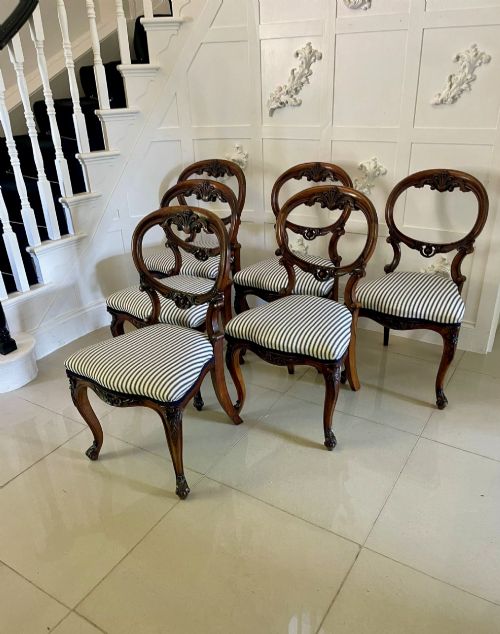
Common timbers include sturdy oak, flexible elm, pale sycamore and ash, alongside imported mahogany and walnut for formal reception and dining rooms.
How do I care for antique wooden seats?
Maintain antique timber seats by keeping them away from direct heat sources and sudden temperature fluctuations that can dry out the wood.
Apply occasional microcrystalline wax or traditional beeswax to nourish the grain and preserve the existing patina without sealing the surface.