

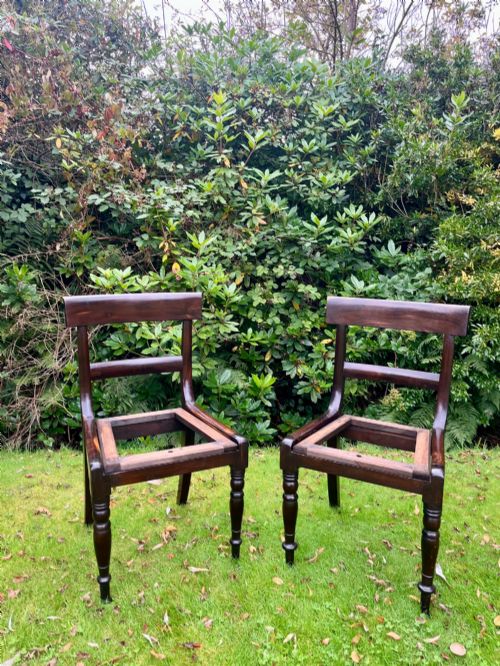
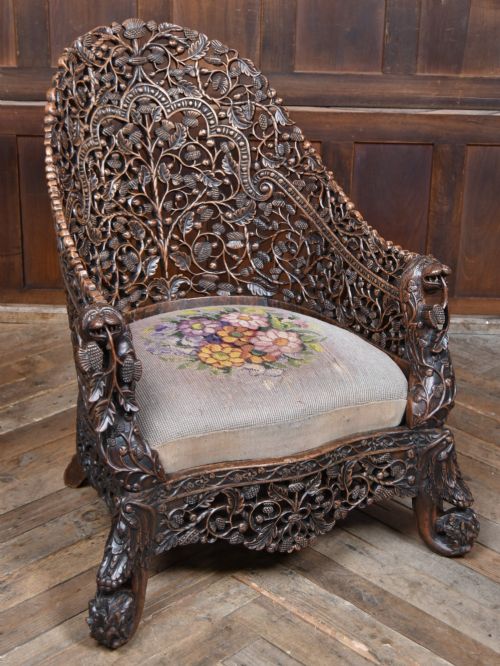
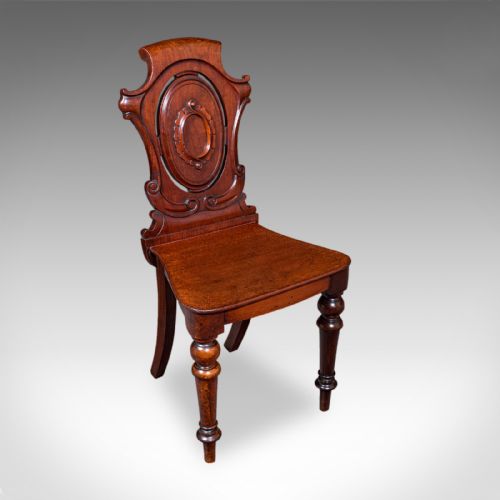
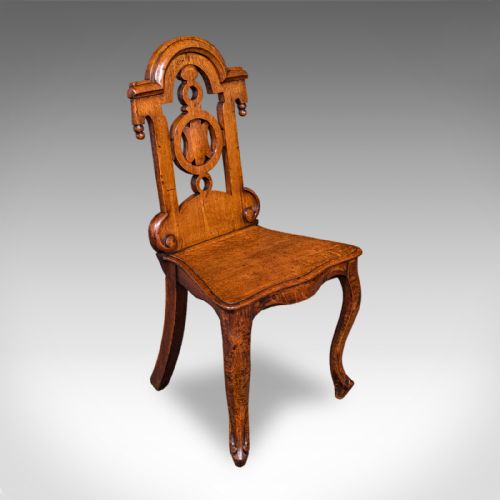




Scottish Hall Seat
A scottish hall seat grounds an entrance hall with solid timber and regional character.
Scottish Hall Seat
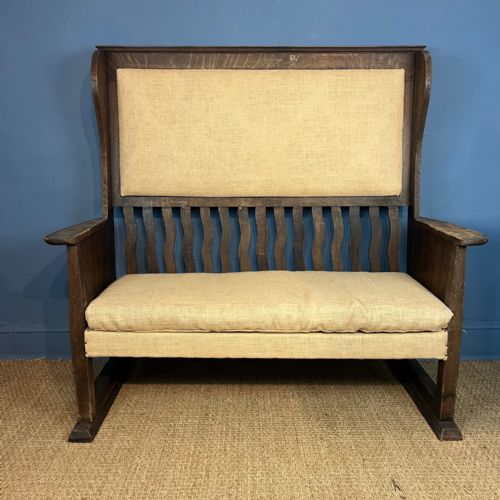
A scottish hall seat encompasses robust oak and walnut benches, settles, and single hall chairs designed for grand or utilitarian entryways. The selection spans the seventeenth century to the twentieth century, with a strong representation of Victorian pieces.
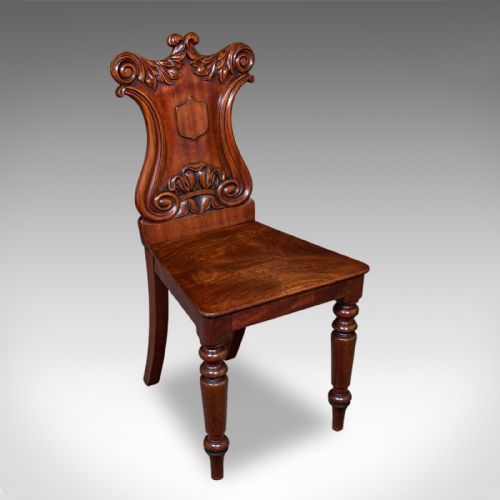
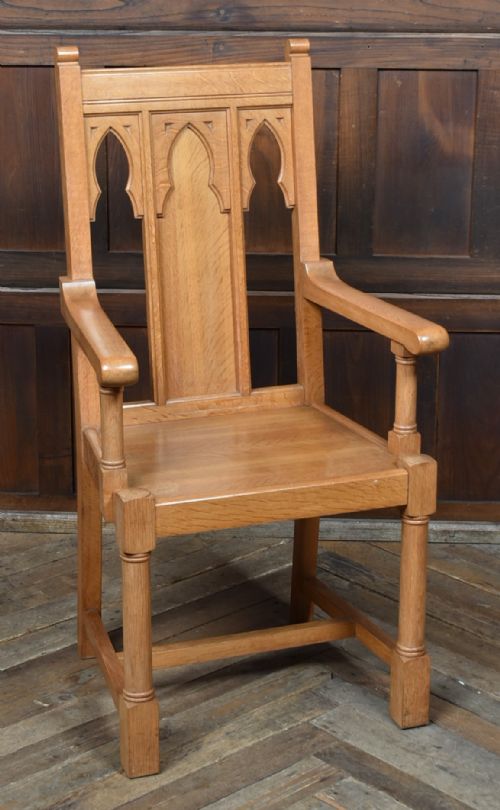
Buyers encounter distinct styles including Gothic Revival, Arts and Crafts, Regency, and Victorian Baronial. Individual chairs feature shield backs, carved thistles, and armorial clan motifs.
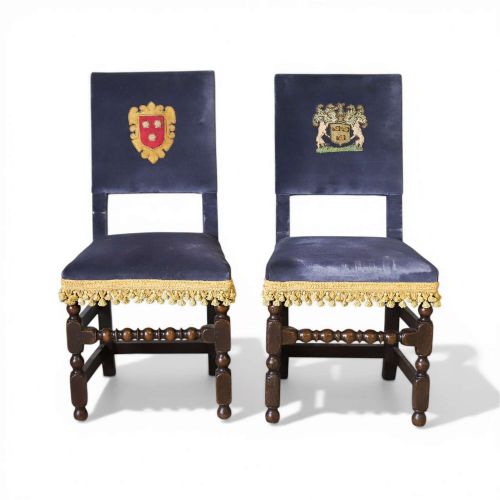
The category ranges from imposing settles and chapel thrones to matched pairs of side chairs and reception seats.
Materials and construction
Makers relied principally on native oak and walnut, fashioned into solid frames, panelled settles, and turned supports. Bobbin turning and elaborate relief carving define the decorative approach.
Upholstered elements incorporate velvet, tapestry, and fabric, often finished with metallic fringe or secured with metal inlay.
Scottish Hall Seat Retail Price Guide 2026
Typical asking prices for scottish hall seat among the pieces listed under this phrase on Sellingantiques today, from the lower quarter to the upper quarter. They describe what is for sale here now, not the wider market.
The archive includes seventeenth-century clan chairs alongside twentieth-century Arts and Crafts settles.
Craftsmanship and design
Quality rests in the depth and clarity of the timber carving, particularly on armorial crests, heraldic panels, and thistle motifs. Superior pieces maintain structural integrity through precise joinery rather than relying on surface decoration.
The presence of original textiles, such as period velvet or needlepoint inserts, elevates a piece alongside documented provenance from known workshops.
Wylie Lockhead Manufacturers
The Scottish Hall Seat Glossary
- Settle
- A wooden bench with a high back, solid arms, and often a box base for storage. It provides draught protection in large entrance halls.
- Shield back
- A chair back shaped like a heraldic shield, popular in Georgian and Regency seating designs. This outline offers a formal appearance.
- Armorial
- Adorned with heraldic bearings or family crests. These carvings often denote specific Scottish clan connections.
- Bergere
- A closed-arm chair with an upholstered seat, frequently utilising cane panels. This method lightens the visual weight of heavy oak frames.
- Bobbin turned
- Turned woodwork resembling a string of bobbins or spools. It creates a rhythmic, tactile texture along legs and stretchers.
Scottish Hall Seat: Frequently Asked Questions
How were hall seats used?
These pieces provided a place for guests and servants to wait in large reception spaces. Their substantial backs helped block cold draughts sweeping in from front doors.
Many incorporated enclosed storage beneath the seat for boots and outdoor gear. Others served a purely ceremonial function, displaying family crests and heraldry.
How do I date a hall seat?
Dating relies on matching the wood, joinery methods, and decorative styles against known periods. Seventeenth-century examples display distinct vernacular turning and heavy proportions, while Victorian pieces often lean into Gothic Revival or Baronial revivalism.
Stylistic cues like shield backs point towards Regency aesthetics, whereas Glasgow School pieces reflect early twentieth-century design reforms.
Where should I place one?
A hall seat suits entrance lobbies, wide corridors, and large reception rooms where it can anchor the wall space. Benches and settles work best against a flat, supportive wall.
Single hall chairs function well as occasional seating or accent pieces in studies and living areas.