



Brown Timber Plant Stands
Brown timber plant stands elevate greenery upon centuries of crafted wood, offering sturdy classical columns and carved occasional tables for the home.
Brown Timber Plant Stands
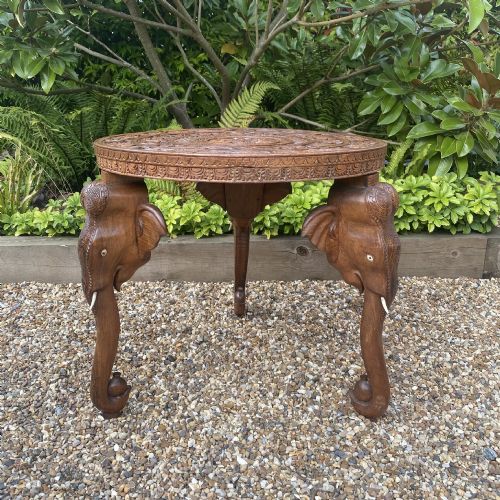
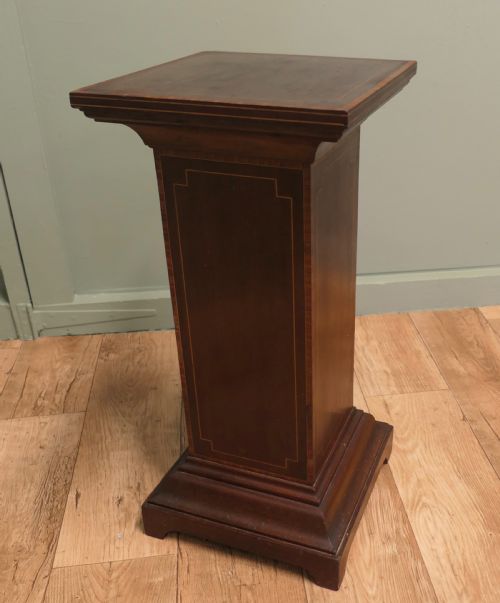
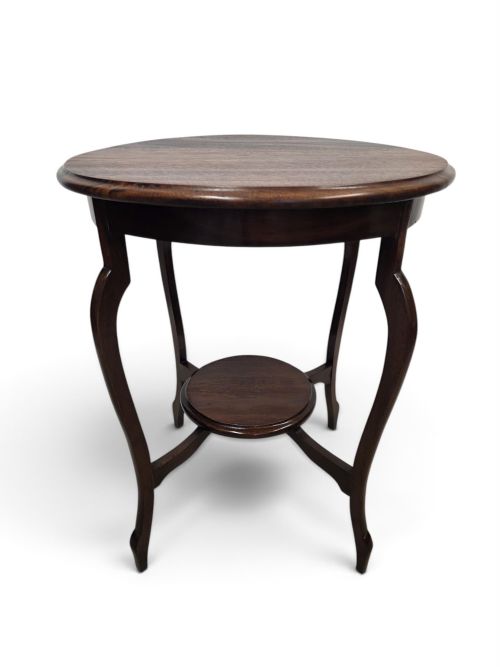
Brown timber plant stands comprise pedestals, columns, and small occasional tables designed to support plants and decorative objects. These items serve multiple domestic uses, doubling as side tables, display plinths, and stools.
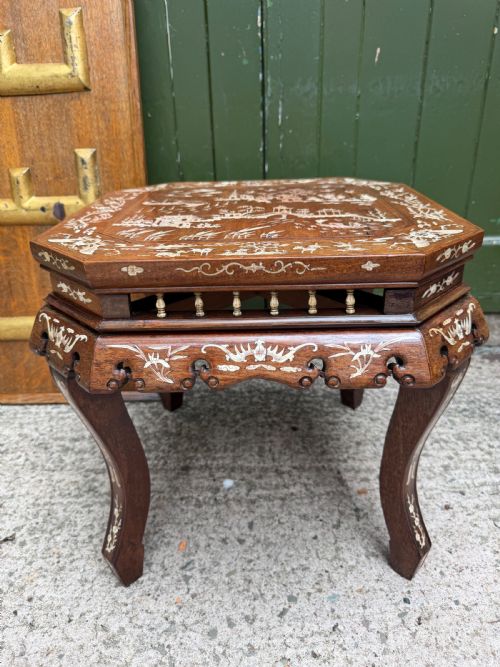
The selections span the nineteenth century, the Edwardian era, and the nineteen-thirties, reflecting diverse regional origins from Britain to China and India. Common forms include tripod tables, torchieres, and multi-tiered stands built from varied timber species.
How they were made
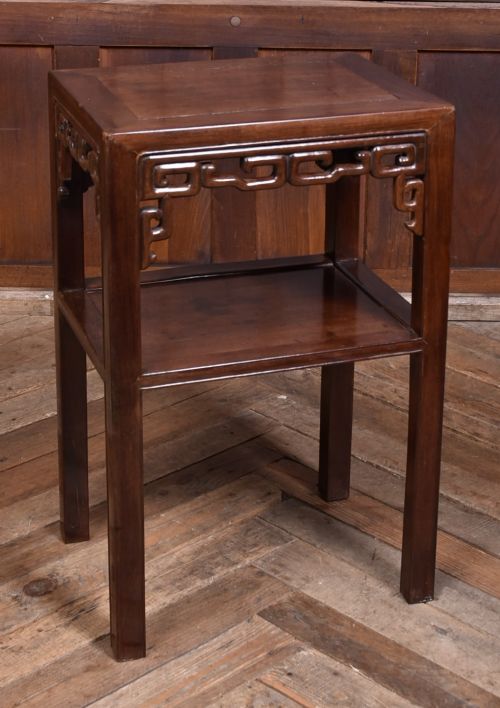
Cabinetmakers utilised hardwoods such as mahogany, walnut, oak, elm, and rosewood, shaping the timber through turning, carving, and joinery. Stained birch and exotic huali hardwoods also appear, often joined with iron elements in industrial designs.
Surface treatments range from fine hand-carving and pokerwork to natural finishes that highlight the grain of the wood. Construction methods vary from rustic vernacular pegging to formal cabinetmaking techniques seen in Georgian and Victorian workshops.
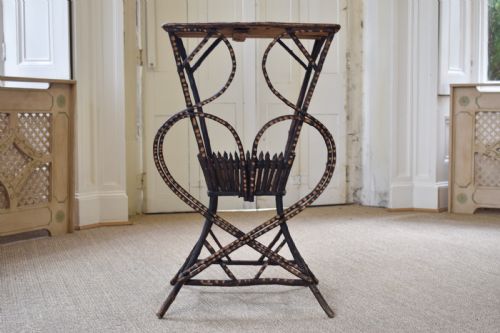
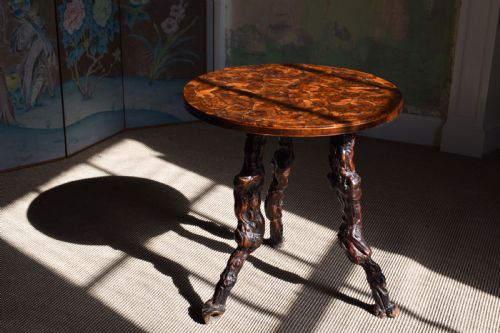
One nineteen-thirties creation takes the organic shape of a twisting grape vine.
What varies in quality
Quality rests upon the crispness of the carving, the selection of the timber grain, and the structural integrity of the joints. Finer examples display meticulous hand-carving, such as fluted columns and figural details, rather than mechanical repetition.
The weight and stability of the base dictate utility, as taller pedestals require substantial timber to support heavy planters without tipping. Original patination and timber selection distinguish bespoke artisan pieces from utilitarian workshop output.
Liberty of London
The Brown Timber Plant Stands Glossary
- Torchiere
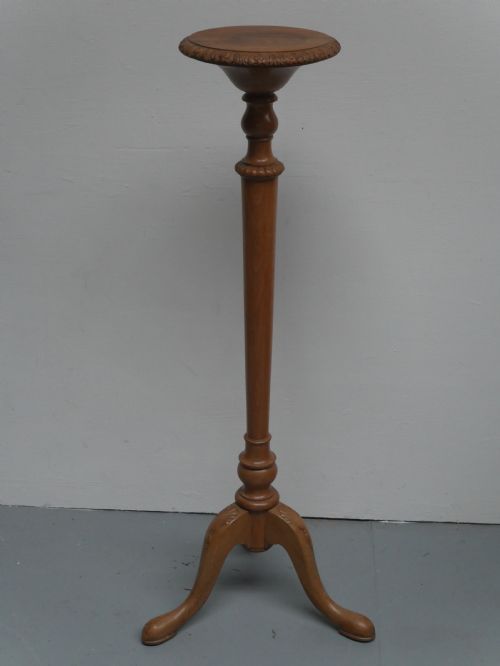
- A tall stand or pedestal originally designed to hold a torch or candle lamp. These slender supports now serve to elevate floral arrangements or sculptural pieces.
- Pedestal
- A structural support or base for a statue, vase, or plant. They range from simple cylindrical columns to elaborate carved pillars.
- Occasional table
- A small, versatile table intended for light domestic use in various rooms. These pieces easily move around the home to support plants or decorative items.
- Huali
- A fragrant and durable hardwood utilised in traditional Chinese furniture making. It displays rich grain patterns and deep colouration.
- Pokerwork
- A decorative technique using heated metal tools to burn designs into wood surfaces. This craft creates intricate pictorial or geometric ornamentation.
Brown Timber Plant Stands: Frequently Asked Questions
How do I date a timber stand?
Dating relies on observing the timber species, construction methods, and stylistic motifs present in the piece. Victorian examples often feature heavy carving, while nineteen-thirties items may show simpler modernist lines.
Cabinetmaking techniques, such as hand-cut joints versus machine milling, also provide clues to the period of manufacture.
Where should I place my stand?
These stands suit corners, hallway entrances, and beside seating areas where they can display plants or sculptures. Taller pedestals work well in empty architectural spaces to add height and vertical interest.
Ensure the base diameter matches the footprint of your planter to maintain balance and stability.
What wood types are common?
Common timbers include mahogany, walnut, oak, elm, and rosewood, reflecting the preferred materials of nineteenth and early twentieth-century cabinetmakers. Exotic hardwoods such as huali also appear in imported pieces.
Each timber offers distinct grain patterns, weight, and colouration that influence the overall aesthetic of the stand.