
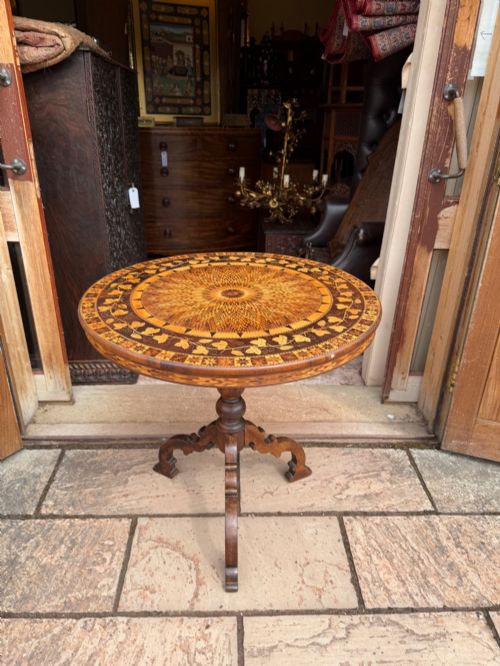
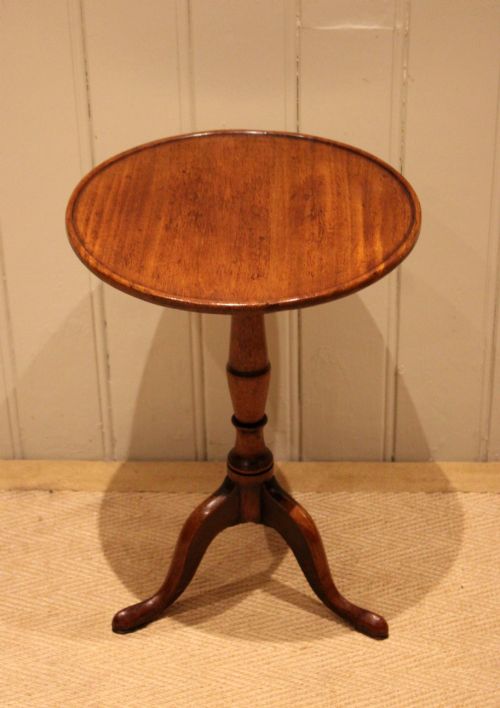
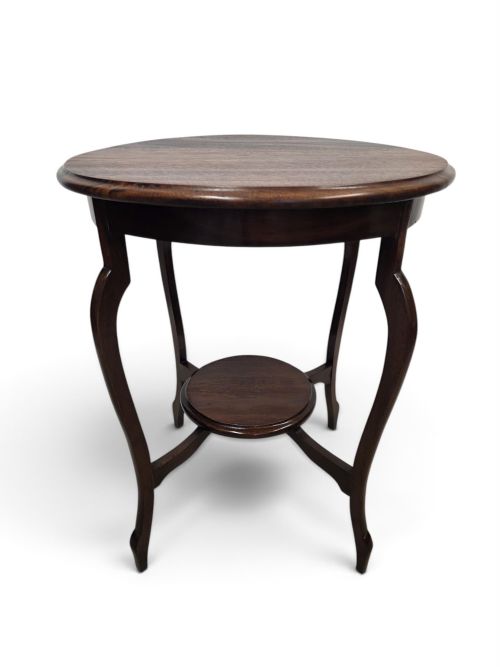
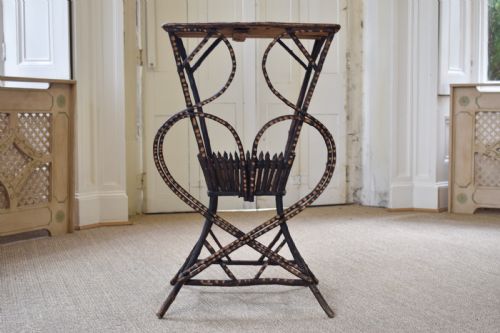




Brown Timber Occasional Table
A brown timber occasional table brings a practical surface and rich natural grain into a room without dominating the floor space.
Brown Timber Occasional Table
A brown timber occasional table covers a diverse range of portable side pieces, wine tables, and tripod supports designed to sit beside seating or in corners. These items serve functional roles for holding lamps, drinks, or books while introducing warmth through traditional woods.
The selections available span multiple eras, from early Georgian and Victorian examples to twentieth-century specimens. Mahogany, oak, walnut, and elm form the backbone of these pieces, often shaped into tilt-top, pedestal, or drop-leaf configurations.
Materials and construction methods
Cabinetmakers utilised hardwoods such as mahogany, oak, walnut, and rosewood, often combining structural timber with decorative veneers or inlaid specimen woods. Iron, brass, and turned wood components provide functional support and detailing.
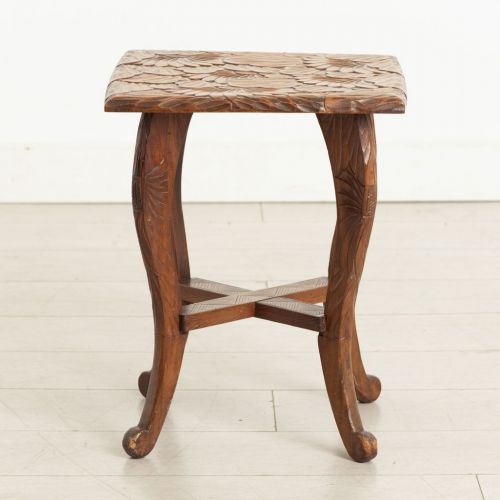
Joinery methods range from traditional pegged joints in early country pieces to fine dovetails and tripod pillar constructions in formal Georgian and Victorian examples. Surface ornamentation includes hand carving, penwork decoration, parquetry, and inlaid motifs.
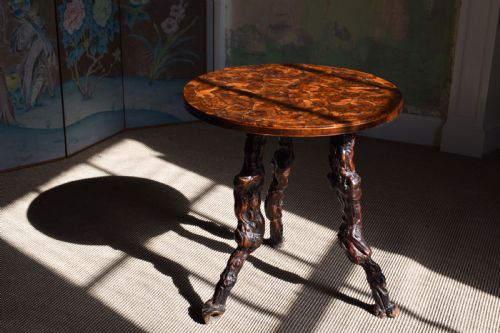
Materials span mahogany, oak, walnut, elm, chestnut, teak, and palm wood alongside brass and iron elements.
Distinguishing finer examples
Quality rests upon the selection of the timber and the crispness of any carved or inlaid detail. Superior tables display well-figured grain, stable joints, and proportional balance rather than mere heavy ornamentation.
The integrity of the timber movement, the patination built up through age, and the subtlety of decorative flourishes separate standard utilitarian pieces from exceptional workshop creations.
Liberty of London·Anton Seuffer
The Brown Timber Occasional Table Glossary
- Tilt top
- A table top hinged to tilt vertically when not in use, allowing the piece to be stored flat against a wall. This mechanism typically relies on a traditional birdcage or catch assembly beneath the surface.
- Tripod table
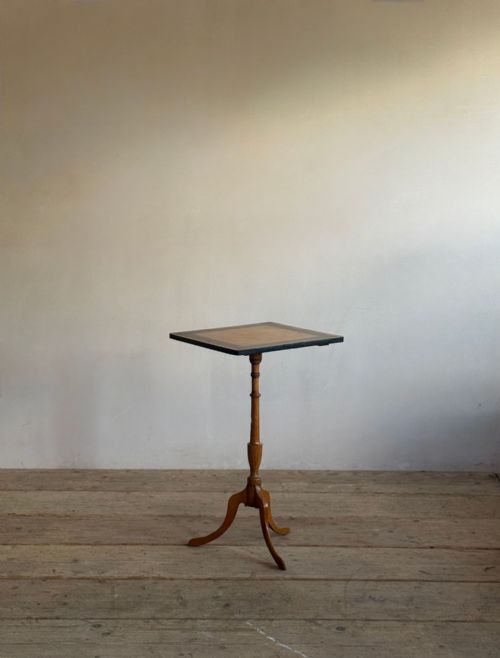
- A small freestanding table supported by a central pillar resting on three legs. This form gained popularity during the Georgian period for its stability on uneven floors.
- Pembroke table
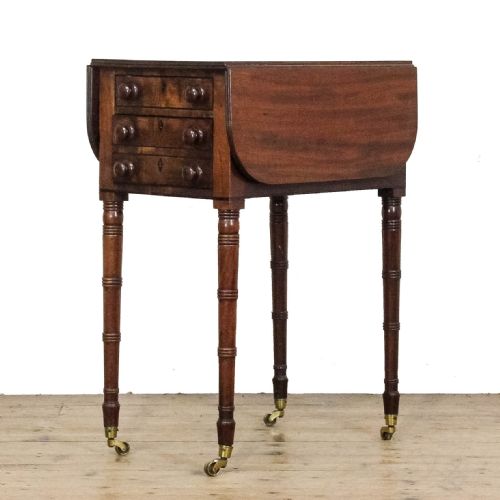
- A drop-leaf table featuring hinged flaps on opposing sides to extend the surface area. It often incorporates one or two small drawers.
- Low boy
- A small eighteenth-century table featuring one or more drawers beneath the top. These pieces functioned as dressing tables or side tables in formal rooms.
- Parquetry
- Geometric mosaic woodwork arranged in patterns resembling brickwork or tiles. This technique creates decorative surfaces using contrasting timber tones.
Brown Timber Occasional Table: Frequently Asked Questions
What is an occasional table?
An occasional table is a small, movable piece designed for auxiliary use in a room, such as holding a lamp or book beside a chair.
These items appear in various heights and top shapes, including round, oval, and rectangular formats.
How do I date a timber table?
Dating relies on observing construction marks, timber types, and joinery methods characteristic of specific periods like the Georgian or Victorian eras.
Tool marks, fixings, and wear patterns also help establish the chronological origin of the piece.
Where should I place a wine table?
A wine table suits placement beside armchairs, sofas, or in unused corners where a compact surface is useful.
Because of their small footprint, they integrate easily into both traditional and contemporary interiors.
What woods are common in antique tables?
Mahogany, oak, walnut, and elm are frequently encountered across eighteenth and nineteenth-century examples.
Regional timbers like native New Zealand woods or exotic hardwoods also appear in specific geographic or colonial pieces.