

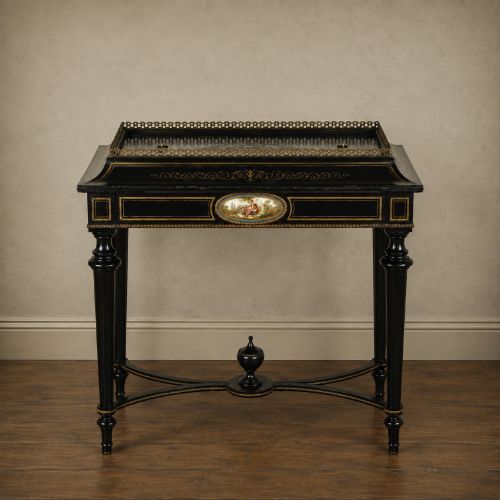
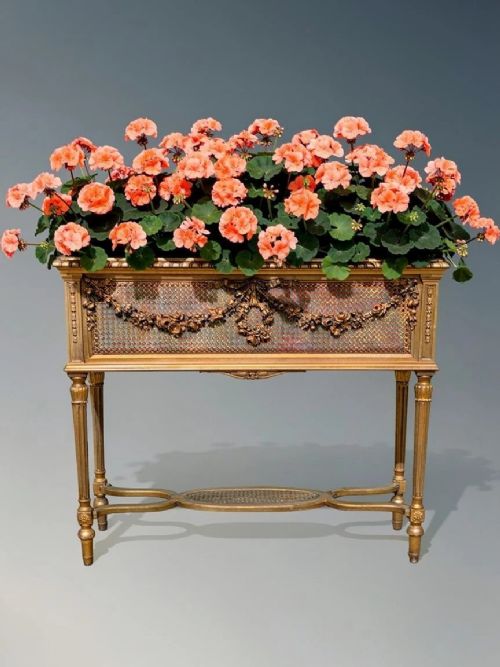


Gilt Wood Plant Stand
A gilt wood plant stand brings architectural presence to a room, lifting greenery and urns upon gilded surfaces.
Gilt Wood Plant Stand
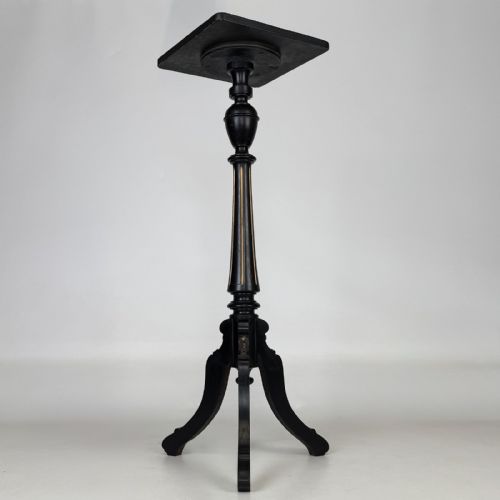
A gilt wood plant stand is typically encountered as a torchere, pedestal, or occasional table designed to elevate botanical displays and decorative objects. These pieces emerge predominantly from nineteenth-century workshops, spanning French Rococo Revival, Regency, and Aesthetic Movement designs.
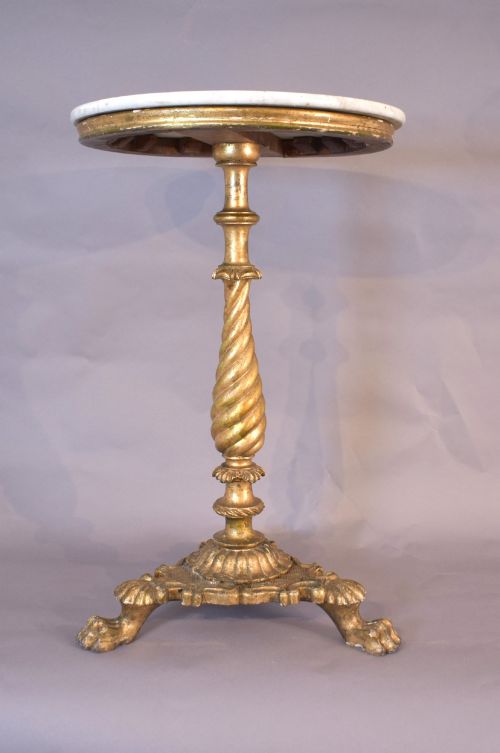
The selections on this page range from tall columns and tripod tables to circular marble-topped stands and jardiniere holders. Many examples originate from French and Italian makers, reflecting classical tastes through carved wooden structures.
Buyers selecting a gilt wood plant stand often encounter surfaces finished in gold leaf, gesso, or paint, occasionally paired with inset marble or porcelain. These forms serve practical roles in domestic interiors while introducing gilded warmth.
Materials and construction
Gilt wood plant stands rely on solid wood carcases shaped through carving and joinery before receiving decorative surface treatments. Artisans applied layers of gesso to wooden bases to smooth the grain before laying fine gold leaf or paint.
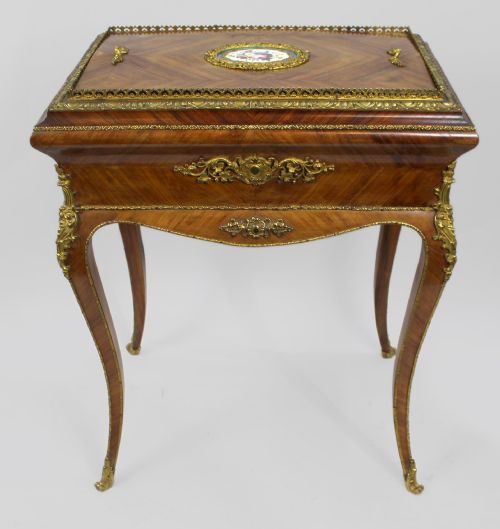
Surfaces frequently incorporate contrasting materials such as marble tops, ceramic inserts, or painted porcelain plaques. These additions provide durable platforms for heavy planters and water-resistant display areas.
Listings feature periods from the eighteenth century through the 1930s, alongside materials including marble, gesso, ebonised wood, and gold leaf.
Assessing quality in construction
Quality in a gilt wood plant stand rests upon the crispness of the wood carving and the integrity of the underlying gesso and gilding. Finer pieces display deeply undercut botanical or classical motifs executed by skilled hands rather than cast composites.
The choice of secondary materials, such as heavy inset marble slabs or hand-painted porcelain plaques, distinguishes standard production from exceptional studio output. Structural stability in tall, slender forms like torcheres also indicates superior joinery and balanced weight distribution.
Gillow & Co.·François Linke
The Gilt Wood Plant Stand Glossary
- Torchere
- A tall, slender stand designed to hold a light source or plant. These pieces often feature tripod or columnar supports dating from the eighteenth and nineteenth centuries.
- Gesso
- A plaster-like mixture applied to wood surfaces as a preparation for gilding or painting. It allows artisans to carve intricate relief details before applying gold leaf.
- Ormolu
- Gilded bronze mounts applied to furniture and decorative stands. This technique is frequently found on French pieces of the nineteenth century.
- Jardiniere
- A decorative receptacle or stand intended to hold plants or flowers. Examples often incorporate waterproof liners or ceramic plaques.
- Regency
- An English design style spanning the early nineteenth century characterised by classical motifs, gilt finishes, and architectural lines.
Gilt Wood Plant Stand: Frequently Asked Questions
What is a torchere stand?
A torchere stand is a tall, elevated pillar or column originally built to hold a candle or oil lamp. Today, these slender stands function primarily to display plants, urns, or sculptures at eye level.
Most surviving examples date from the nineteenth century and feature tripod bases or weighted circular feet to maintain stability despite their height.
Where should I place a plant stand?
These stands suit corners, entryways, or empty wall spaces where vertical height can break up horizontal furniture lines. Placing them near natural light allows botanical displays to flourish while showcasing the gilded woodwork.
Because many period stands feature delicate gesso or marble tops, they perform best in low-traffic areas away from accidental bumps.
How do I identify French styles?
French stands often display exuberant carving derived from Rococo Revival, Napoleon III, or Louis XVI fashions. Look for curved cabriole legs, anthemion motifs, painted porcelain plaques, or parquetry surfaces.
Country house pieces from the nineteenth century frequently blend these continental influences with local European craftsmanship.